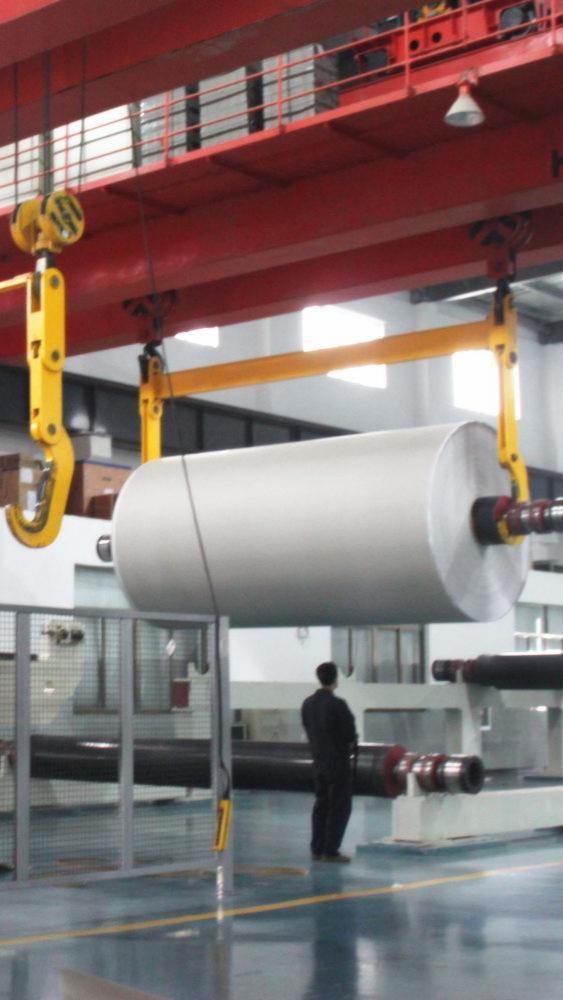

Many people wonder if bamboo paper is truly an eco-friendly alternative to traditional wood-based paper. Bamboo’s rapid growth rate far outpaces that of trees, making it a highly renewable raw material for paper production. For example:
| Plant Type | Time to Maturity | Re-harvest Time |
|---|---|---|
| Bamboo | 3–5 years | 3–5 years |
| Trees | 50–100 years | 50–100 years |
This fast growth minimizes the environmental harm of paper manufacturing, as bamboo requires less land and regenerates quickly without replanting. When evaluating sustainability, key factors include carbon emissions, waste generation, forest protection, and ecosystem health—and bamboo paper emerges as a far more planet-friendly choice for the future.
Key Takeaways
- Bamboo is an ultra-renewable resource thanks to its fast growth, reducing reliance on tree harvesting and curbing deforestation.
- Bamboo paper production consumes less water and fewer chemicals, lowering pollution and preserving soil health.
- Bamboo paper is fully biodegradable, breaking down quickly in nature and reducing landfill waste.
- Bamboo plantations sequester significant carbon dioxide, helping mitigate climate change.
- Choose certified bamboo paper products to ensure responsible sourcing and ethical production.
Why Bamboo Is an Eco-Friendly Raw Material
Fast Growth and High Yield
Bamboo’s standout environmental benefit is its rapid growth rate, maturing for harvest in just 3–5 years—far quicker than traditional timber trees. It regrows from its existing root system after cutting, so no replanting is needed, creating a consistent and sustainable raw material supply.
Bamboo yields 600–900 kg per hectare each year, and up to 1,500–2,000 kg in ideal conditions, meaning plantations need much less land than tree farms to produce the same output.
Low Water and Pesticide Needs
Bamboo needs minimal water to thrive, making it suitable for dry regions, and requires few pesticides, herbicides, or chemical fertilizers. This cuts down on agricultural runoff, soil pollution, and water contamination.
Bamboo paper production also uses less water and fewer processing chemicals than wood pulp paper, with natural regrowth further saving water and energy that would go into replanting.
Renewable Resource
As a highly renewable resource, bamboo supports frequent, sustainable harvesting that eases pressure on natural forests.
It also delivers powerful climate benefits: bamboo sequesters up to four times more carbon than similar trees in the same area, with research recording carbon storage of around 12 Mg C ha⁻¹ a⁻¹—higher than many fast-growing tree species—thanks to its efficient carbon-storing structure in stalks, roots, and leaves.
Environmental Benefits of Bamboo Paper
Reduced Pressure on Deforestation
Bamboo paper provides a viable tree-free alternative to wood pulp, directly reducing the need for deforestation. As a type of grass, bamboo regrows annually without new planting, so forests remain intact while meeting global paper demand.
- Bamboo root systems prevent soil erosion and stabilize land.
- It adapts to diverse climates with low water needs, reducing habitat destruction.
- Replacing wood-based paper with bamboo protects old-growth forests and biodiversity.
Lower Carbon Emissions
Bamboo paper production generates fewer greenhouse gas emissions than traditional wood paper, with regional variations in manufacturing processes impacting exact figures. Bamboo’s superior carbon sequestration further offsets its environmental footprint, fighting climate change more effectively than tree farms.
| Product Type | Emissions (kg CO₂e per ton) | Emissions Difference |
|---|---|---|
| Bamboo Tissue | 2,400 | -30% vs. average wood tissue |
| Wood-based Tissue | 3,429 | Baseline |
Note: Regional data (e.g., Chinese bamboo tissue vs. US wood tissue) shows slight numerical differences due to energy sources and manufacturing standards, but bamboo’s overall carbon footprint remains lower when accounting for full lifecycle and regrowth.
Strong Biodegradability and Reduced Waste
Bamboo paper is fully biodegradable, breaking down rapidly in soil and water without persisting in landfills. Unlike synthetic or heavily processed paper products, it decomposes naturally and returns nutrients to the earth, cutting down on long-term waste and environmental pollution.
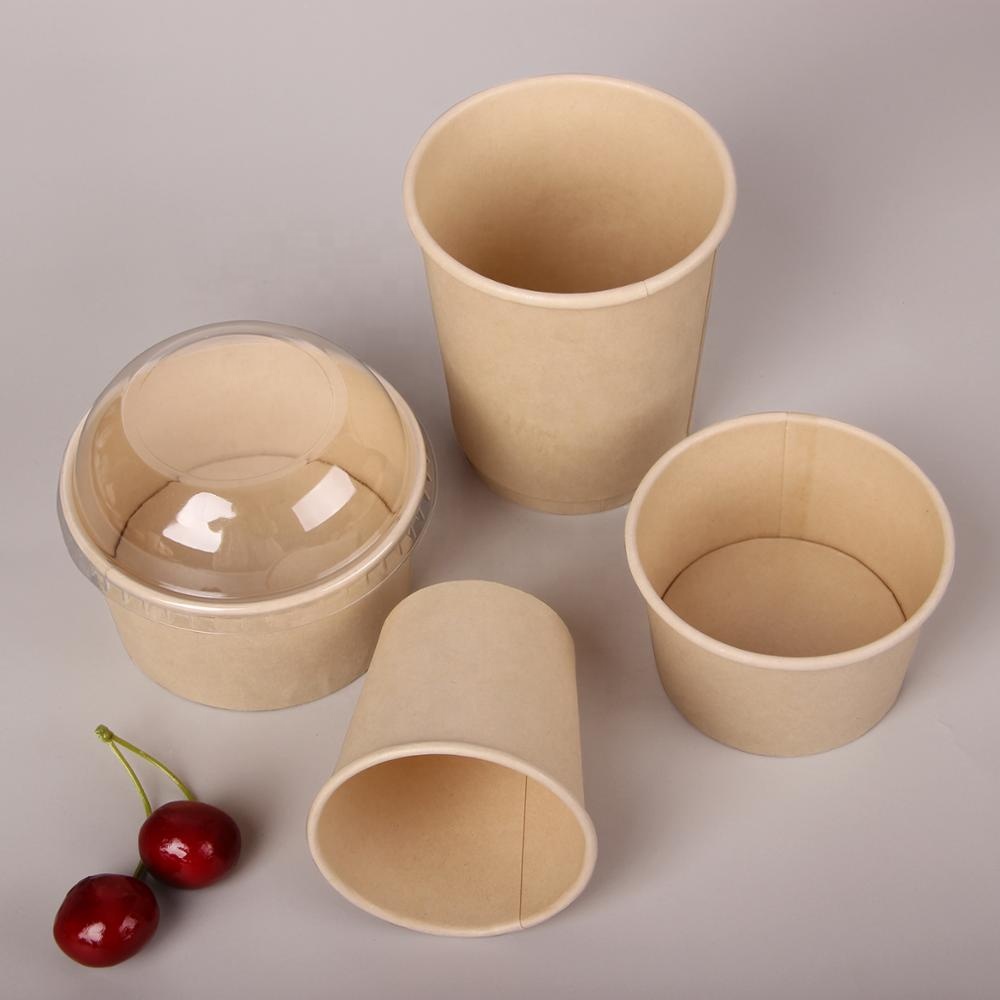
Sure Paper’s Bamboo Paper Cupstock exemplifies sustainable bamboo paper, using 100% bamboo pulp for food-safe, durable packaging that aligns with eco-friendly business goals.
Certified bamboo paper upholds strict environmental and ethical standards:
- Responsible forest management and anti-deforestation practices
- Protection of biodiversity and indigenous land rights
- Ethical labor conditions and transparent sourcing
- Long-term economic and ecological balance
Bamboo Paper vs Traditional Paper

Resource Use in Production
Bamboo’s natural growing traits result in a lighter production burden than wood pulp. Its shorter fibers cut down processing energy consumption, while its low-resource demands create a smaller overall manufacturing footprint than traditional paper.
Carbon Footprint and Ecological Impact
Though carbon emission figures vary slightly by production region, bamboo’s full life cycle — including rapid regrowth and strong carbon sequestration — makes it more ecologically sustainable. Bamboo plantations also protect soil structure and native habitats, avoiding the deforestation and ecosystem damage common in wood pulp farming.
| Aspect | Bamboo Plantations | Wood Pulp Plantations |
|---|---|---|
| Sustainability | Fast-regrowing, renewable | High risk of deforestation |
| Resource Use | Low water/chemical needs | High energy/water consumption |
| Ecosystem Impact | Prevents erosion, supports biodiversity | Habitat loss, soil degradation |
Recyclability and End-of-Life Performance
Unlike some wood pulp alternatives, bamboo paper integrates smoothly into standard paper recycling systems. It also biodegrades rapidly after use without toxic residue, creating a more complete circular lifecycle than conventional paper options.
Common Myths & Environmental Concerns About Bamboo Paper
Environmental Concerns of Bamboo Plantations
Bamboo’s sustainability is not guaranteed—it depends entirely on farming practices. Unmanaged large-scale monoculture plantations, particularly of aggressive Moso bamboo, can outcompete native flora, reduce local biodiversity, and disrupt ecosystems. Poor harvesting and management practices may also increase greenhouse gas emissions, undermining bamboo’s eco-friendly advantages.
Note: Responsible farming—such as mixed-species planting and regulated harvesting—ensures bamboo remains a sustainable, low-impact raw material for paper production.
Common Myths About Bamboo Paper (Debunked)
- Myth 1: Bamboo paper contains tree pulp.Fact: Bamboo is a type of grass, so high-quality bamboo paper is 100% tree-free, eliminating reliance on deforestation.
- Myth 2: Bamboo paper production harms panda habitats.Fact: The bamboo species used for paper are not the same as those pandas depend on for food, so panda populations and their habitats are not affected.
- Myth 3: All bamboo paper is eco-friendly.Fact: Sustainability varies by sourcing and manufacturing. Look for eco-certified products to ensure responsible production and minimal environmental impact.
Conclusion
Bamboo paper is a far more eco-friendly alternative to traditional wood paper, with fast growth, low resource use, strong carbon sequestration and full biodegradability to reduce deforestation and waste.
With responsible sourcing and reliable quality, Sure Paper’s bamboo paper products bring this sustainable solution to real-world use, helping you lower your environmental footprint while enjoying safe, high-performance paper materials.
FAQ
Is bamboo paper safe for food contact?
Yes, certified bamboo paper products such as Sure Paper’s Bamboo Paper Cupstock comply with strict food safety regulations. They are tested for heavy metals and harmful contaminants, making them completely safe for food and beverage use.
Does bamboo paper biodegrade in the environment?
Bamboo paper is 100% biodegradable. It decomposes quickly in soil and water, reducing landfill accumulation and avoiding long-term environmental harm.
Does bamboo paper production harm panda habitats?
No. Bamboo used for paper production comes from species and regions that pandas do not rely on for food, so it poses no threat to panda populations or their natural habitats.
Can bamboo paper be recycled?
Yes, bamboo paper is recyclable just like traditional wood paper. It is accepted by standard recycling facilities, further reducing waste and resource consumption.