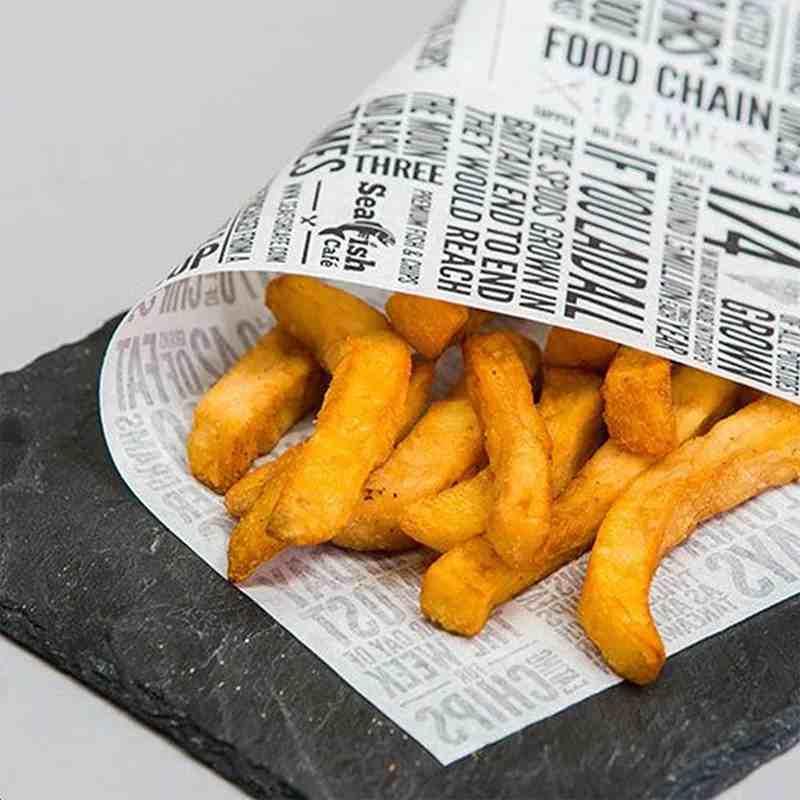
No, bakers cannot use greaseproof paper in the oven, they must use special baking paper.They need to understand the properties of baking paper and how to use it. Many people confuse greaseproof paper and baking paper because they look almost identical. Greaseproof paper is made from refined wood pulp, and its dense filling structure effectively prevents grease from seeping through. Baking paper, on the other hand, is coated with a silicone coating, giving it non-stick properties.
Greaseproof paper is best for wrapping food and lining trays. Parchment paper is better for baking jobs.
Key Takeaways
- Greaseproof paper works well for wrapping food and lining trays. It is not the best for baking.
- Parchment paper is better for baking. It does not stick and can handle more heat.
- Greaseproof paper and baking paper look almost identical, but their materials and coatings differ.
- Greaseproof paper should not be used in the oven as it cannot withstand high temperatures.
What is greaseproof paper?
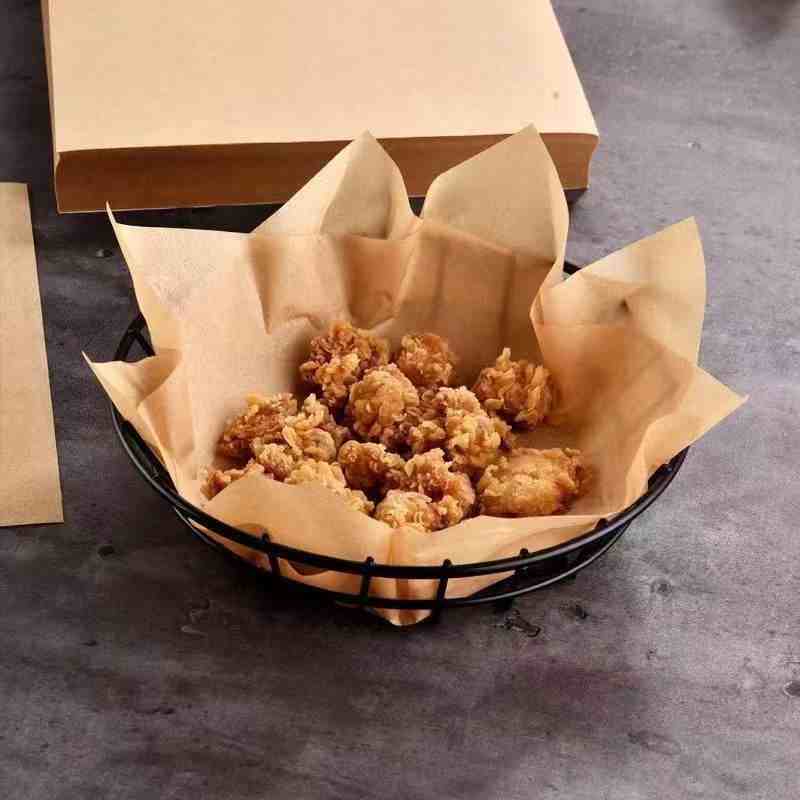
Grease proof paper is a special type of paper specifically designed for food packaging. It is made from 100% pure wood pulp, such as the type used by Sure Paper. This paper is tightly pressed to effectively block oil stains. Because it has no plastic coating, it can be recycled and composted. Industry standards stipulate that grease proof paper should have good water permeability and absorbency. The paper surface must be smooth and uniform, with a basis weight of at least 35 g/m² and a burst strength of at least 20. The reason this paper has such a strong oil-resistant structure is because the pulp undergoes a long period of pounding. The pounding process fills the gaps between the pulp particles, giving it even stronger oil-resistant properties.
How to make greaseproof paper
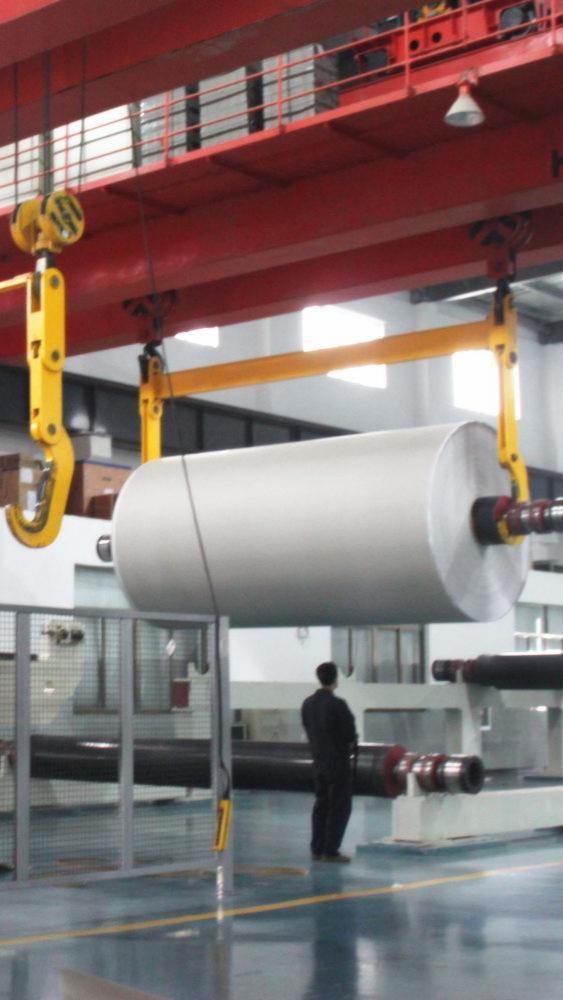
To make greaseproof paper, workers need to pound the wood pulp for an extended period. This step helps the paper absorb moisture, becoming firm and strong. The paper becomes transparent and effectively blocks grease. To keep the greaseproof paper in good condition, store it in a cool, dry place. Use an airtight box or its original packaging to prevent dust and water from getting in. Avoid direct sunlight and high temperatures to prevent damage to the paper.
Common uses of greaseproof paper
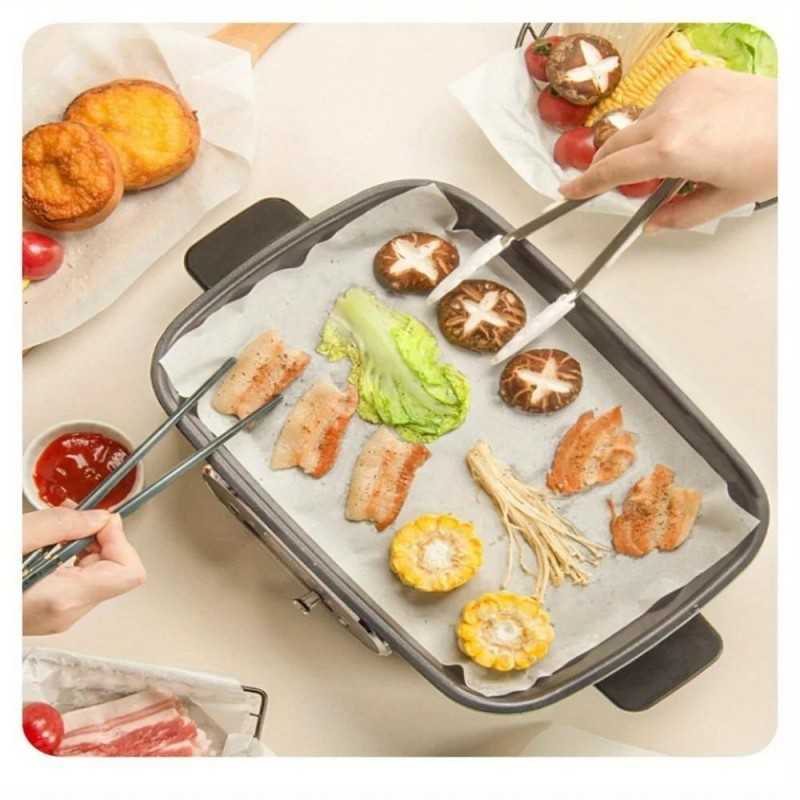
Greaseproof paper has many uses in food packaging and cooking. It is good for lining trays, wrapping sandwiches, and packing fried foods. The table below shows some common ways to use it:
| Use Case | Description |
|---|---|
| Tray liners | Stops trays from getting greasy in cafes and bakeries. |
| Burger and sandwich wrapping | Stops grease stains and keeps food warm. |
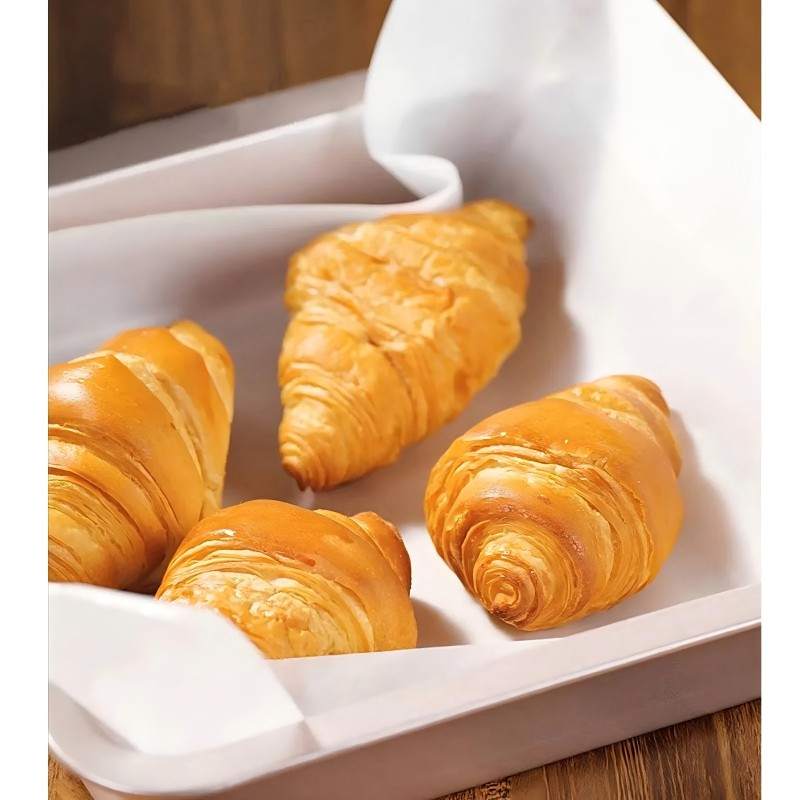
| Bakery tray liners | Lines pans so food does not stick and cleaning is easy. |
| Fried food packaging | Keeps takeout food clean and looking nice. |
| Food basket liners | Makes food look good and keeps it clean in restaurants and cafes. |
Greaseproof paper does not have non-stick properties and is not suitable for baking. Silicone coated parchment paper works better for baking. Always read the oven safety instructions on the packaging before use and always use baking paper for baking.
Greaseproof paper vs parchment paper
Material and coating differences
Greaseproof paper and parchment paper look almost the same. But they are made in different ways. Greaseproof paper is made from wood pulp that is packed tightly. This stops oil and grease from getting through. Parchment paper also starts as paper pulp. It gets a silicone coating on top. The silicone makes parchment paper non-stick. Bakers like parchment paper because they do not need to add extra grease.
The table below shows how their materials and coatings are different:
| Feature | Greaseproof Paper | Parchment Paper |
|---|---|---|
| Material | Wood pulp | Wood pulp with silicone |
| Coating | None | Silicone |
| Compostability | Compostable packaging | Not compostable |
| Reusability | Single-use | Reusable (multiple times) |
Heat and non-stick properties
Heat resistance and non-stick properties are crucial for baking. Greaseproof paper should not be placed in the oven as it cannot withstand the high temperatures. Furthermore, it lacks non-stick properties, causing food to stick. Baking paper can withstand higher temperatures and is non-stick, preventing food from sticking. Cookies and cakes are easily removed from baking paper.
Professional bakers prefer using baking paper for many reasons. First, it helps conduct heat evenly, preventing localized overheating and burning. It also makes baked goods look more appealing, and food placed on the paper won’t stick together.
Greaseproof paper is not good for baking. Bakers should use parchment paper instead, Parchment paper works best because it can take more heat and is non-stick.
Reasons why greaseproof paper is not suitable for baking
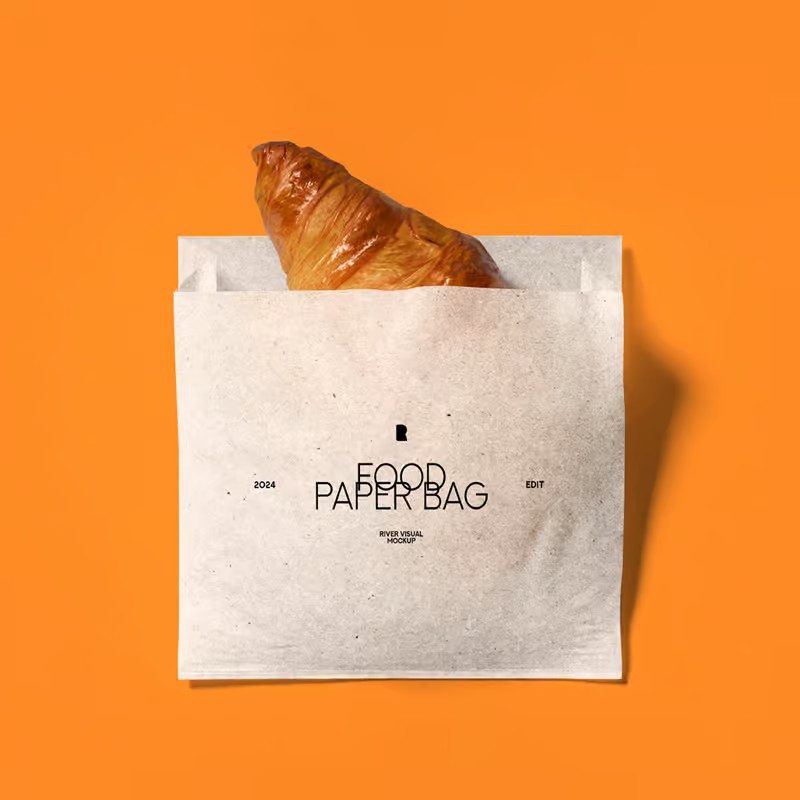
Greaseproof paper cannot be used at high temperatures
Greaseproof paper cannot be used in baking because it cannot withstand high temperatures. If the oven temperature is too high, the greaseproof paper may burn or smoke, affecting the texture of cakes and cookies. Sometimes, if the greaseproof paper is of poor quality, harmful substances may even seep into the food. Furthermore, greaseproof paper can trap moisture, causing the baked crust to become soft. Some recipes require a crisp crust, so this is not always ideal.
Anti-adhesion attenuation
Greaseproof paper does not have a non-stick layer. Cookies and cakes can stick to it, and this makes them hard to take off. You can put butter or oil on the paper, but this does not always work. Extra fat can make cookies spread out too much and burn. The bottoms of cookies can get too dark because fat gets hot fast. Bakers like parchment paper because it stops sticking and works better.
- Put butter or oil on the paper to help stop sticking.
- Grease proof paper is not the best for most baking.
Greaseproof paper is good for wrapping food or lining trays. Bakers should use parchment paper when baking. Parchment paper does not let food stick and can take more heat. This helps baked goods come out clean and crunchy.
Tip: Always check the oven heat and pick the right paper. Parchment paper is best for cakes, cookies, and pastries.
FAQ
Can you bake cookies on greaseproof paper?
Greaseproof paper does not work well for baking cookies. Cookies may stick to the paper. Bakers should use parchment paper for best results. Parchment paper has a non-stick surface.
What is the difference between greaseproof paper and baking paper?
Greaseproof paper resists oil but does not prevent sticking. Baking paper, also called parchment paper, has a non-stick coating. Bakers use parchment paper for cakes, cookies, and pastries.
Can you reuse greaseproof paper?
Most greaseproof paper is single-use. It may tear or lose its oil resistance after one use. Bakers should use a fresh sheet each time or choose reusable baking mats.
Do you need to grease greaseproof paper before baking?
Yes, bakers should grease greaseproof paper before baking. This helps food release more easily. Parchment paper does not need extra grease.