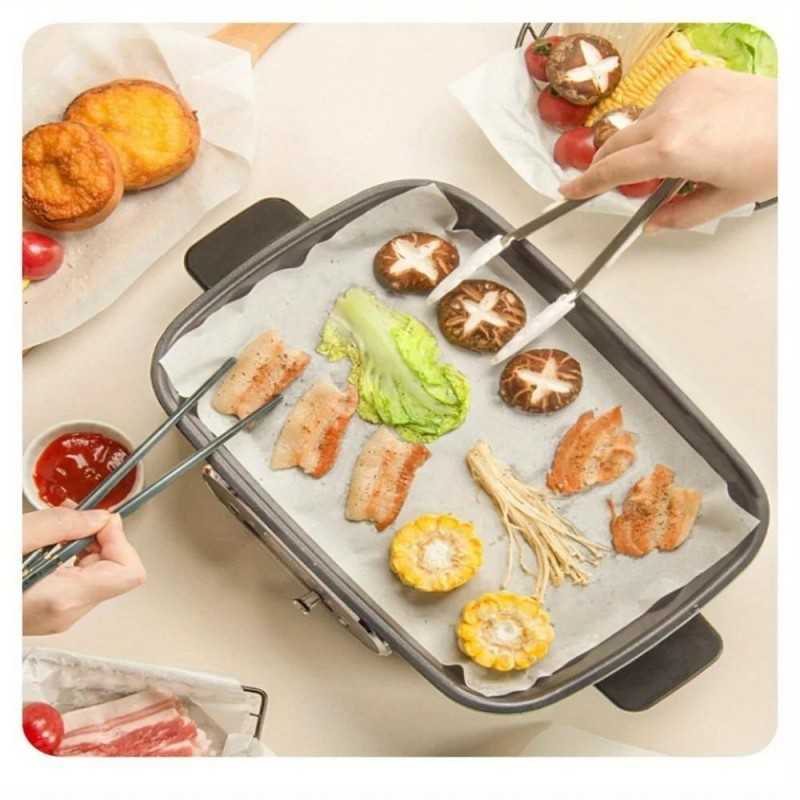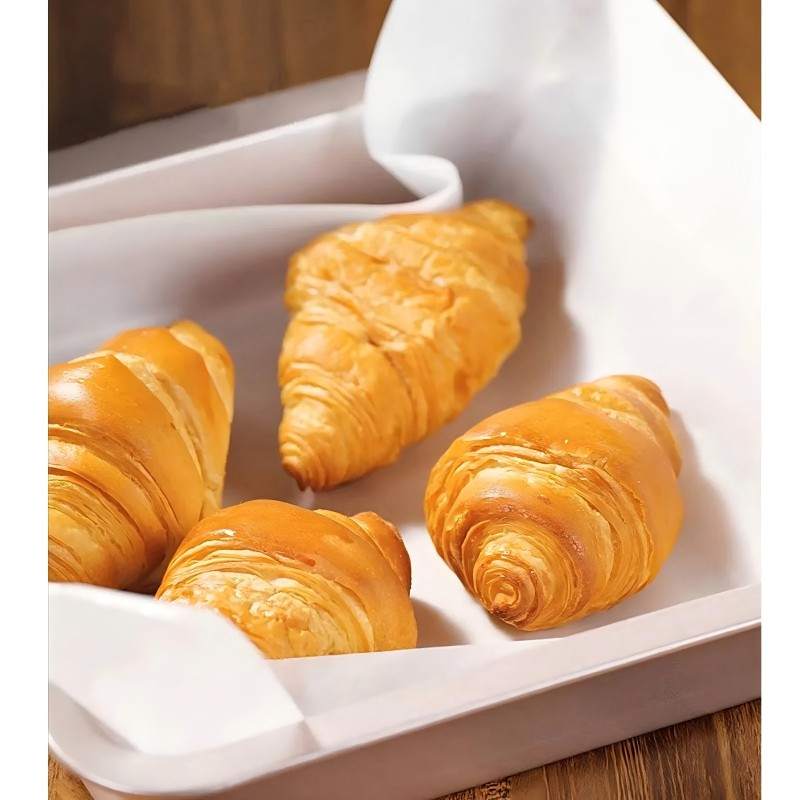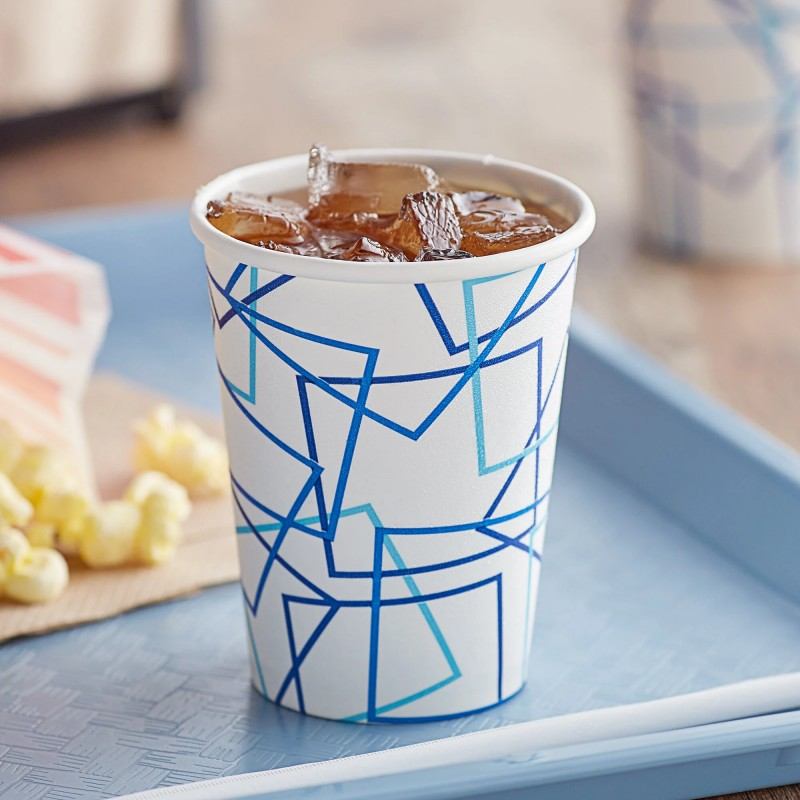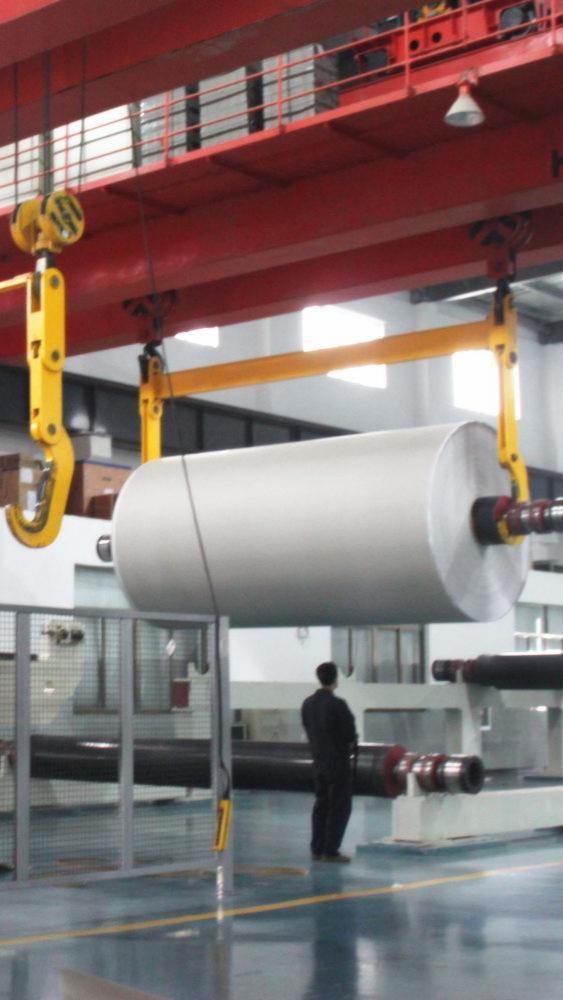
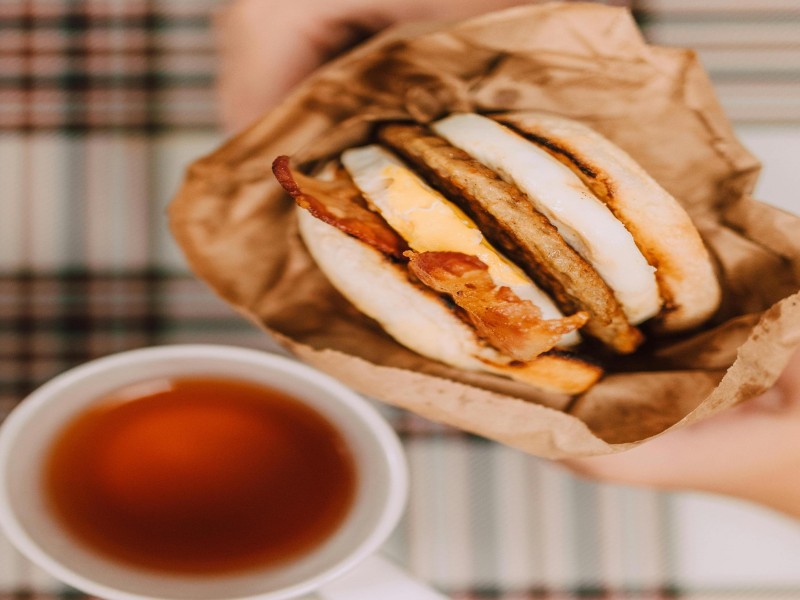
Kraft paper can safely wrap food. This material, made from strong wood pulp, plays a key role in food packaging. People choose kraft paper for its reliable qualities:
- It is food-grade and safe for direct contact.
- Its strength protects food during handling.
- The paper is biodegradable and recyclable, making it an eco-friendly food wrapping choice.
Key Takeaways
- Kraft paper is safe for food wrapping. It is food-grade and protects food during handling.
- Choose uncoated kraft paper for dry foods. It works well for sandwiches, baked goods, and snacks.
- Use coated kraft paper for moist or greasy foods. It prevents leaks and keeps food fresh.
- Follow proper wrapping techniques. Securely wrap food to maintain freshness and prevent spoilage.
- Kraft paper is eco-friendly. It is biodegradable and recyclable, making it a sustainable choice.
Kraft paper types for food packaging
Uncoated kraft paper
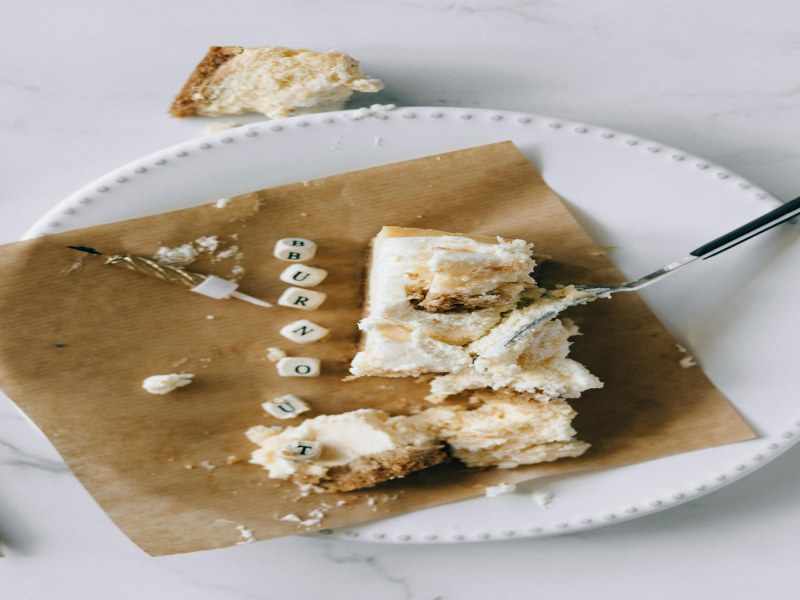
Uncoated kraft paper is a common choice for food packaging. Many stores use it to make boxes for sandwiches, pastries, and snacks. This type of kraft paper is strong, durable, and has a clean appearance. In 2024, the food and beverage industry accounted for 29% of the unbleached kraft paperboard market share. This means that uncoated kraft paper holds a significant position in the food industry. Sure Paper’s food-grade kraft paperboard uses only virgin wood pulp, meets stringent food safety standards, and is safe for direct contact with food.
Tip: Uncoated kraft paper works well for wrapping dry foods and making strong boxes.
Coated kraft paper options
Coated kraft paper effectively protects foods that need to be kept dry or oil-free. Sure Paper offers a variety of coated kraft papers, such as GC4 coated kraft paper, PE coated kraft paper, and PLA coated kraft paper. GC4 coated kraft paper has a smooth surface, suitable for printing and branding. PE coated kraft paper is waterproof, ideal for salad boxes or fried food containers. PLA coated kraft paper uses a plant-based coating, making it biodegradable and environmentally friendly.
Below is a comparison of PE coated kraft paper and PLA coated kraft paper:
| Feature | PE Coated Kraft Paper | PLA Coated Kraft Paper |
|---|---|---|
| Environmental Impact | Uses fossil fuels | Made from plants, biodegradable |
| Food Safety | Might release harmful substances | Non-toxic, no smell |
| Functionality | Basic waterproofing | Better waterproof, oil-proof, moisture-proof |
| Sustainability | Can harm the environment | Helps green efforts |
All Sure Paper kraft paper boxes and boards follow food safety rules. The FDA and EU have rules to keep food packaging safe:
| Regulatory Body | Regulation | Key Requirements |
|---|---|---|
| FDA | 21 CFR Parts 174-176 | Lists safe materials and limits for food contact |
| EU | Regulation (EC) No 1935/2004 | Makes sure materials do not pass harmful things to food |
Kraft paper safety and effectiveness
Food safety standards
Kraft paper must adhere to strict regulations before coming into contact with food. Manufacturers use safe materials and add no harmful substances. They ensure safety by testing for contamination and migration. Declarations of compliance list relevant regulations, such as EU Regulation 1935/2004 and US Food and Drug Administration (FDA) 21 CFR 176.170. These regulations help ensure food safety.
Food safety rules stop dangerous things from getting into food. Kraft paper must be approved for food contact.
| Region | Regulation | Key Points |
|---|---|---|
| United States | FDA 21 CFR Parts 174-176 | Controls what goes into paper for food; lists safe things and how to use them. |
| European Union | Regulation (EC) No 1935/2004 | Sets safety rules for food packaging; stops bad things from moving into food. |
| EU 2023/2006 | Makes sure kraft paper is made safely and can be tracked. |
Benefits for food freshness
Kraft paper helps preserve food in many ways. Its breathability prevents food from becoming damp or soggy, keeping baked goods fresh and delicious. Unlike plastic, kraft paper doesn’t absorb moisture, so food doesn’t spoil easily. It also prevents grease from seeping through, keeping food clean. Made from natural materials, kraft paper won’t alter the taste of food. Many bakeries use kraft paper because it’s durable, recyclable, and environmentally friendly.
- Kraft paper is often used for dry foods like rice, lentils, and flour.
- Coated kraft paper keeps out grease and water, so it protects some foods better.
- The coating can make recycling harder, but it helps foods that need more protection.
| Feature | Description |
|---|---|
| Moisture Resistance | Stays strong even after getting wet |
| Grease Resistance | Good for hot sandwiches and greasy foods |
| Compostable | Yes |
| PFAS Free | Yes |
| Recyclable | Yes |
Tip: Kraft paper keeps baked goods fresh by letting air in and stopping sogginess.
Drawbacks and limitations
Kraft paper presents several problems as a food packaging material. Uncoated kraft paper absorbs liquids, causing wet food to leak and become soggy. Humid air makes the paper brittle, and oily foods are more likely to leave stains. Plain kraft paper is not heat-resistant and may scorch or become brittle in an oven. Its brown color makes printing difficult and it easily absorbs odors from other items.
Kraft paper is strong for packing dry foods. It is not as tough as Mylar, which does not tear or break easily. Mylar is better for keeping food safe for a long time, but kraft paper is still a good choice for safe and green packaging.
Note: Kraft paper is best for dry and baked foods. For wet or greasy foods, coated kraft paper works better.
Foods suitable for kraft paper wrapping
Ideal foods (sandwiches, baked goods, etc.)
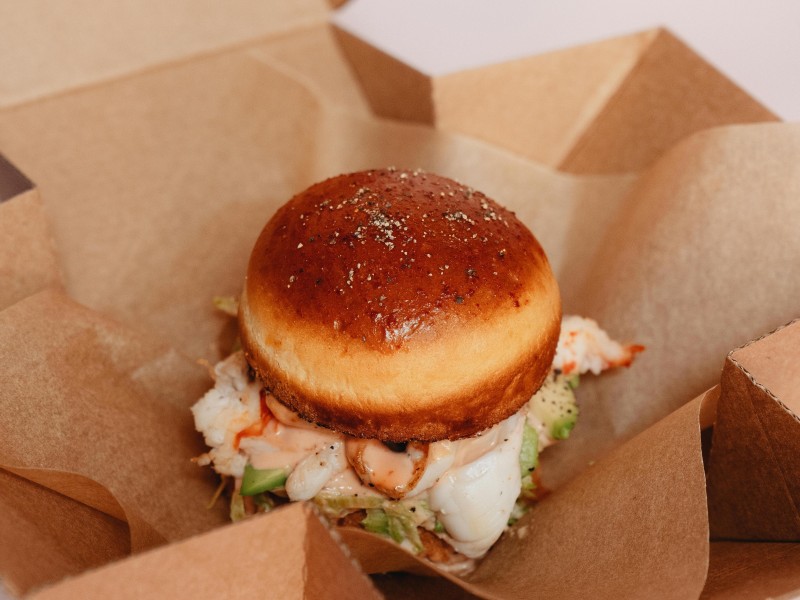
Kraft paper is best suited for packaging dry or slightly damp foods. Many bakeries use it to wrap bread, cookies, and other baked goods. Because of its breathability, kraft paper helps prevent food from getting damp, thus keeping it fresh. Kraft paper is often chosen for wrapping sandwiches, especially when the fillings are not too moist. It also protects snacks like cookies, chips, and granola bars during transport. Some stores use kraft paper to wrap meat, especially if the meat is already cooked or marinated.
The table below lists the types of paper suitable for wrapping different foods:
| Type of Paper | Suitable Foods | Characteristics |
|---|---|---|
| Kraft Paper | Bread, baked goods, dry foods | Durable, breathable, biodegradable, protects from impacts |
| Greaseproof Paper | Fried chicken, pizza | Oil-resistant, prevents leakage, withstands heat |
| Wax Paper | Sandwiches, burgers | Moisture and grease resistant, keeps food fresh |
Tip: Choose kraft paper for foods that do not leak oil or water. This keeps the food safe and the packaging strong.
Foods to avoid
Some foods are not suitable for wrapping in kraft paper. Foods with high moisture content or high oil content may leak through the paper. For example, soups, stews, and foods with a lot of sauce are prone to leakage. Hot, oily foods like fried chicken or pizza require special greaseproof paper. Unless the kraft paper has a special coating, it is not advisable to wrap raw meat containing juices directly in kraft paper. These foods require extra protection to ensure the safety of both the food and the packaging.
Wrapping food with kraft paper
Step-by-step guide
Wrapping food with kraft paper protects freshness and keeps items safe. Follow these steps for best results:
- Select kraft paper that is thick and sturdy. Thin paper may tear and not protect food well.
- Place the food in the center of the paper. Dry foods like bread can go directly on kraft paper. For meats or cheeses, use parchment or waxed paper first to prevent sticking.
- Fold the paper tightly around the food. Make sure the edges are sealed. Use tape or staples if needed to keep the package closed.
- Tuck the ends under for items like bread. This keeps air out and helps food stay fresh.
- For delicate or long-stored foods, choose thicker kraft paper. Thinner paper works for foods that need less protection.
Tips for best results
Food industry professionals recommend several tips for wrapping food with kraft paper:
- Always choose kraft paper that matches the food type. Thick paper works better for moist or oily foods.
- Wrap the food tightly. This prevents air from entering and keeps food fresh longer.
- Secure the package with tape or staples. Loose wrapping can cause food to spoil faster.
- For sticky foods, use an extra layer of parchment or waxed paper before wrapping with kraft paper.
Tip: Proper wrapping keeps food safe and maintains quality during storage or transport.
Hygiene and safety tips
Ensuring food safety begins with keeping your hands and work surfaces clean. Always wash your hands before handling kraft paper and food. To avoid contamination, use only food-grade kraft paper. Store kraft paper in a dry, clean place. Avoid reusing kraft paper to wrap different foods. If you need to wrap oily or moist foods, use coated kraft paper to prevent leakage. Always check the paper for tears or holes before use.
Note: Clean wrapping practices help prevent germs and keep food safe for everyone.
FAQ
Can kraft paper touch all types of food?
Kraft paper can touch dry and baked foods. Coated kraft paper works for moist or greasy foods. People should avoid wrapping very wet foods with plain kraft paper.
Is kraft paper safe for food contact?
Food-grade kraft paper meets strict safety rules. Manufacturers test it for contamination. Sure Paper’s kraft board follows FDA and EU standards.
How does kraft paper help the environment?
Kraft paper breaks down in nature. People can recycle it. Many businesses choose kraft paper to reduce plastic waste.
Tip: Compostable kraft paper supports green practices.
What is the difference between coated and uncoated kraft paper?
Type Best Use Features Uncoated Dry foods, baked goods Strong, breathable Coated Moist, greasy foods Water and oil resistant