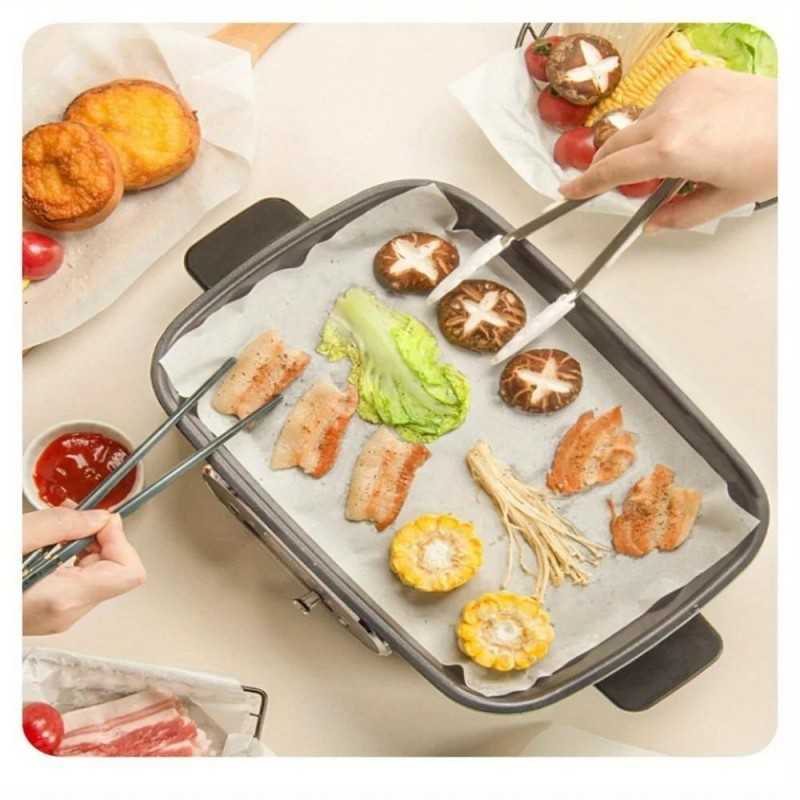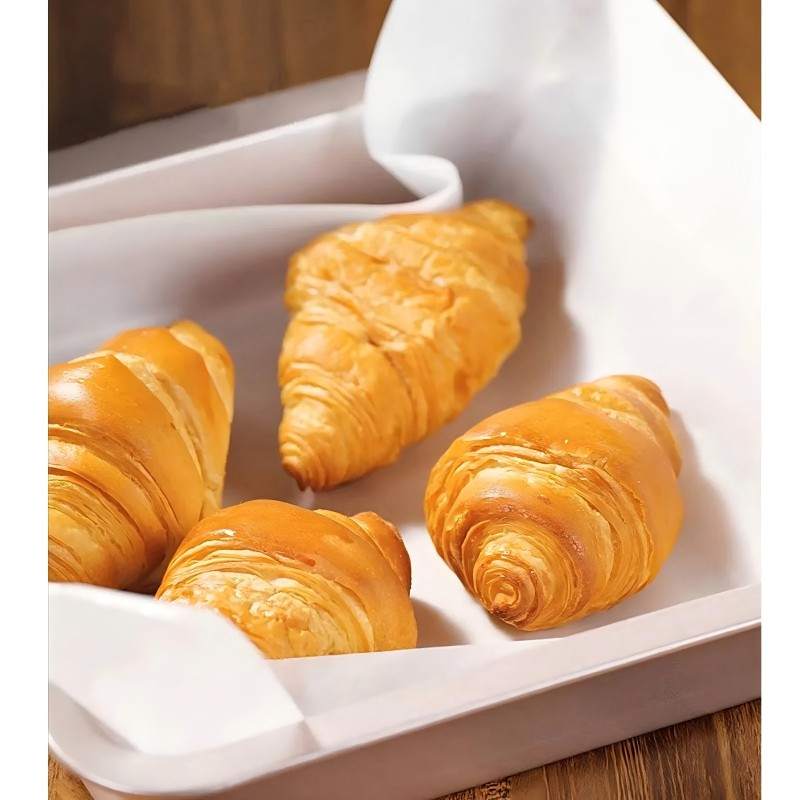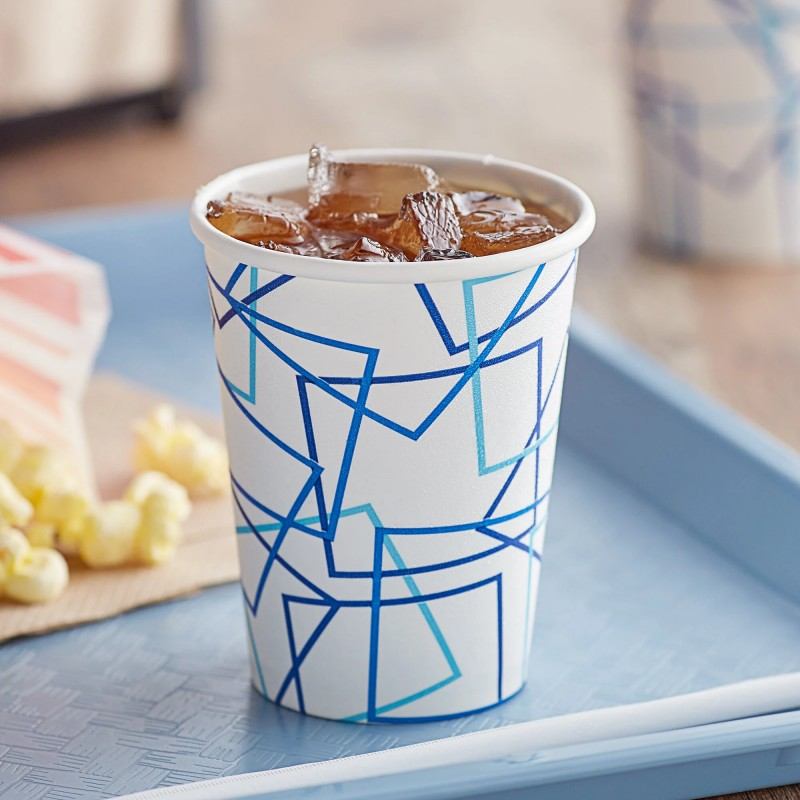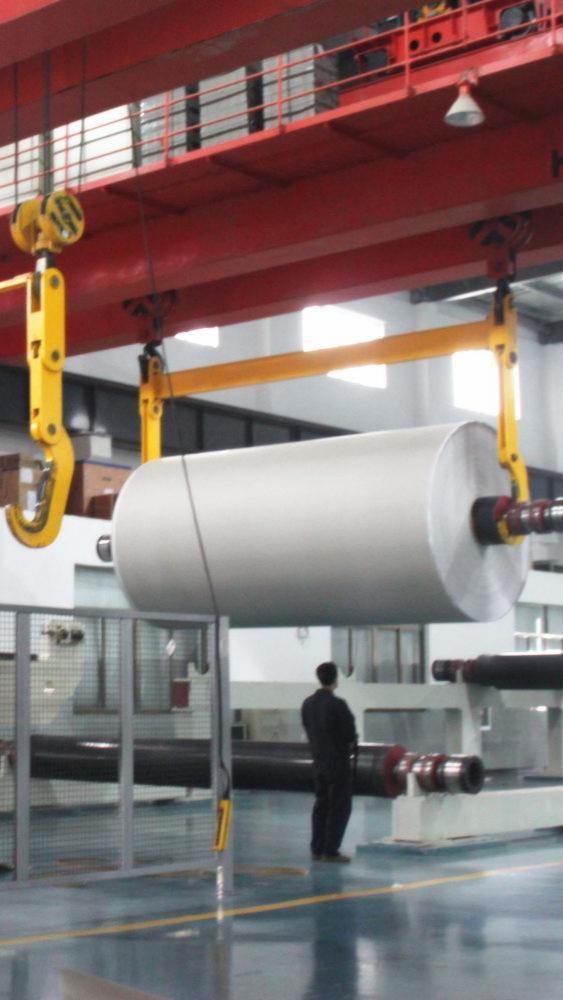
When you bake or prepare food, the type of paper you use matters. Two common types of kitchen paper are greaseproof paper and parchment paper. At a glance, they may look similar. But they are quite different in how they are made, what they do, and how you should use them. Knowing the difference can help you choose the right paper for your cooking, baking, or packaging needs.
What Is Greaseproof Paper?
Greaseproof paper is a type of paper designed to resist oils and fats. It is made by refining plant fibers, such as wood pulp or bamboo pulp. These fibers are compressed so tightly that grease cannot easily pass through the sheet. This creates a dense, oil-resistant surface without using a coating.
Greaseproof paper is sometimes mixed with sizing agents or additives to improve resistance to oil. But even with these, it is still closer in structure to normal paper—just denser and less porous.
Common Uses for Greaseproof Paper
Greaseproof paper is often used in the food industry. Some typical ways to use it include:
Wrapping greasy foods like burgers, sandwiches, and pastries.
Lining takeaway packaging or paper food containers.
Packaging bakery items at room temperature or mild heat.
Everyday food service tasks where grease resistance and low cost are important.
Greaseproof paper works well when you just need to block grease. It is handy for wrapping food that might leave oily stains. But it does not have strong non-stick surfaces or high heat resistance like other kitchen papers.
What Is Parchment Paper?
Parchment paper, also called baking paper or vegetable parchment, is very different from greaseproof paper. It is treated in a special way that changes its fiber structure. During processing, the cellulose fibers are converted into a dense, semi-transparent and film-like sheet. This gives parchment paper some unique features.
One key part of parchment paper is its heat resistance and non-stick surface. Many brands treat the paper with silicone, which helps prevent food from sticking and allows it to withstand high oven temperatures.
Common Uses for Parchment Paper
Parchment paper is very popular for many kitchen tasks:
Baking cookies, cakes, and breads.
Lining cake tins, baking trays, and sheet pans.
Cooking methods like roasting or steam baking.
Wrapping food for cooking in packets (“en papillote”).
Any task where you want a reliable non-stick surface and easy cleanup.
Parchment paper is strong, moisture resistant, and safe when exposed to high heat. These qualities make it ideal for baking and roasting at temperatures where greaseproof paper would fail.
Key Differences Between Greaseproof and Parchment Paper
Understanding the differences between greaseproof paper and parchment paper can help you pick the best one for your needs. Below are the most important points.
Material and Manufacturing
Greaseproof Paper:
Made by refining and compressing plant fibers.
No special coatings are applied.
Oil resistance comes from the tight fiber structure.
Parchment Paper:
Made by transforming cellulose fibers into a dense film-like structure.
Often coated with silicone to make it heat resistant and non-stick.
Has a uniform, smooth surface.
Oil and Moisture Barrier
Both papers resist grease, but in different ways:
Greaseproof paper resists oil based on its density. Its performance can weaken under heat or extended moisture.
Parchment paper has a natural barrier that stops oil and water. It stays strong even in steam or moist environments.
This means parchment paper is often better at keeping oil and moisture out for a long time.
Heat Resistance & Oven Safety
One major difference is how much heat each paper can handle:
Parchment paper is designed for ovens. It can typically tolerate temperatures around 220–230°C (425–450°F) without breaking down.
Greaseproof paper is best for room temperature and mild heat. It may discolor or lose strength if used in high-temperature baking.
Because of this, parchment paper is usually the correct choice for baking tasks like roasting vegetables or making cookies.
Non-Stick Performance
Parchment paper naturally has a non-stick surface. This makes it easy to remove baked foods like cookies or muffins without greasing the pan.
Greaseproof paper, however, usually does not have a non-stick surface unless it has an added coating. This means food may stick to it unless you add oil or butter.
Strength and Durability
Parchment paper is generally stronger and more durable:
It holds up well under heat and moisture.
It is less likely to tear when wet or hot.
It can sometimes be reused for dry baking tasks.
Greaseproof paper tends to be thinner. It may tear more easily when wet or exposed to high heat. It is usually meant for single use.
Which Paper Should You Choose?
The answer depends on how you plan to use it:
✔ Choose Greaseproof Paper if:
You need a low-cost, practical paper for packaging food.
You are wrapping greasy snacks or lining takeaway trays.
You are doing low-temperature or no-bake tasks.
✔ Choose Parchment Paper if:
You are baking, roasting, or cooking at high heat.
You want a reliable non-stick surface.
Easy cleanup and strong heat resistance are important.
Both greaseproof paper and parchment paper are useful in the kitchen. Both resist oil to some degree. But they are made differently and perform differently. Greaseproof paper is great for wrapping and light tasks. Parchment paper is better for baking and cooking at high heat. Understanding these differences helps you pick the right paper every time.