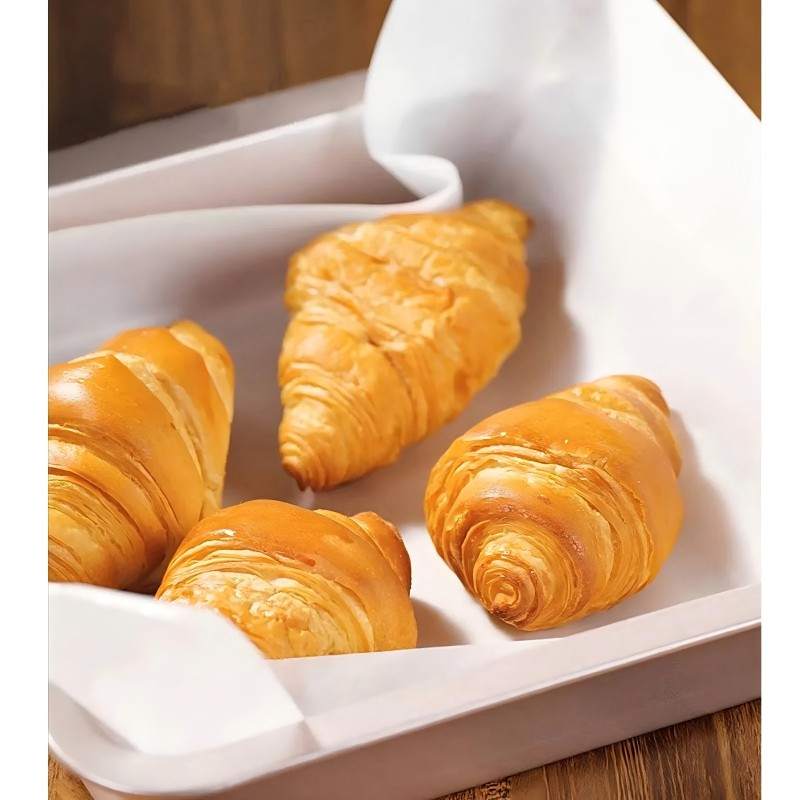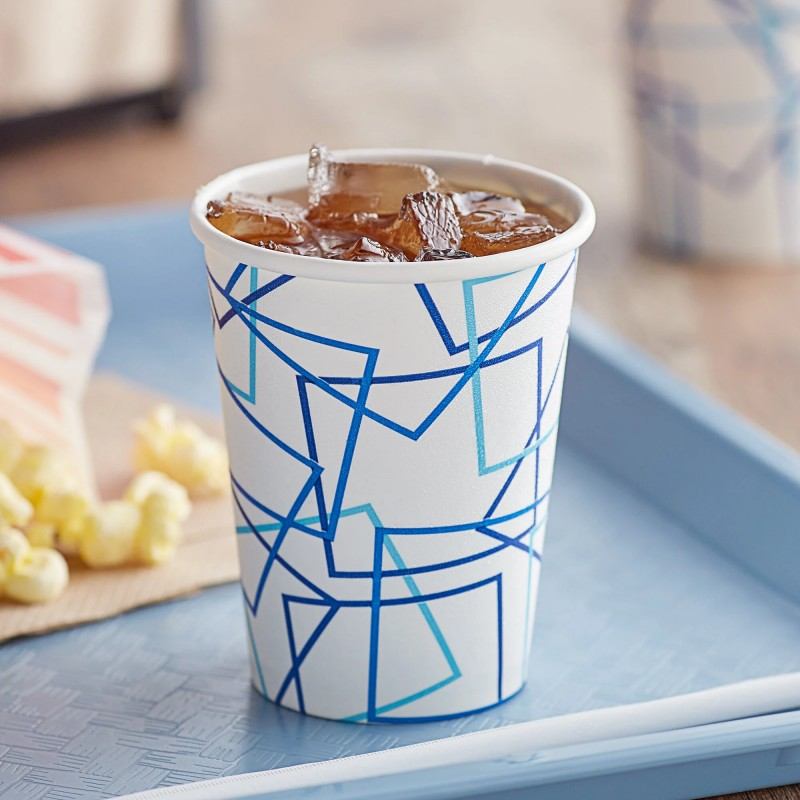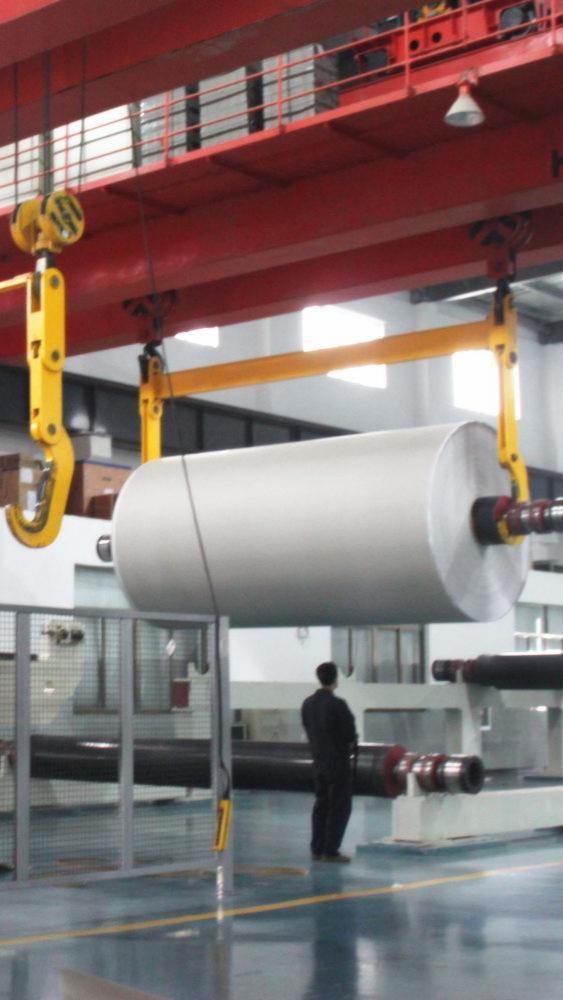
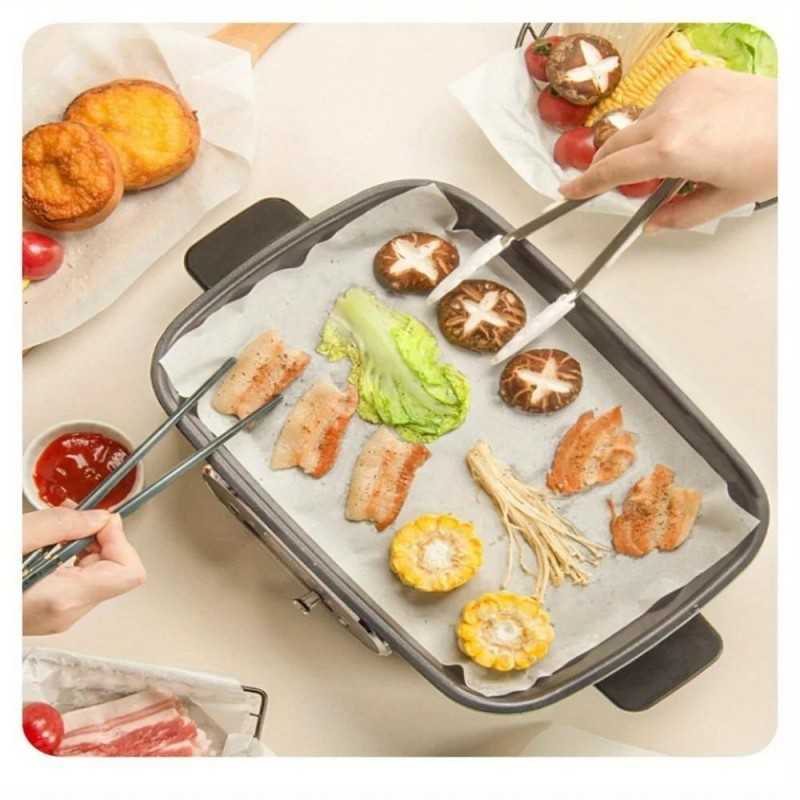
Compostable paper stands out readily with special certifications, green logos and uncomplicated raw materials. Distinguishing it from conventional paper products is achievable with a concise checklist, which focuses on product labels, surface coatings and simple tearing tests. The majority of compostable paper avoids plastic coatings and adopts non-toxic inks. For eco-conscious consumers seeking food-safe alternatives, Sure Paper delivers reliable compostable solutions, with simple identification steps that contribute to environmental protection.
Key Takeaways
- Look for specialized logos and labels on paper products; certifications including BPI and Seedling verify compostable credentials.
- Check material markings: authentic compostable paper is clearly labeled with the term “compostable” and excludes recycling symbols.
- Pay attention to coatings and additives: synthetic coatings compromise compostability, while biodegradable alternatives are eco-friendlier.
- Conduct simple household tests to identify compostable paper, such as tearing trials and water drop tests to detect plastic coatings.
- When in doubt, contact the manufacturer or opt for trusted brands like Sure Paper for guaranteed compostable options.
Compostable Paper Checklist
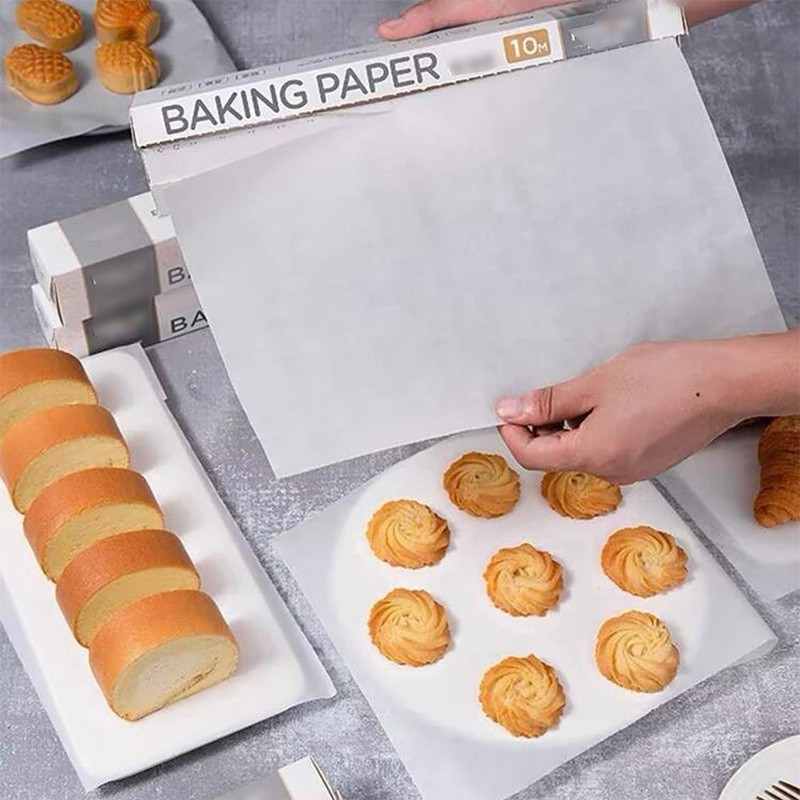
Logos and Labels
Most compostable items feature exclusive logos and labels, verified by authoritative agencies to prevent false marketing. These marks simplify the identification process, with the most prevalent certifications in North America and Europe including BPI Compostable, Seedling logo, OK compost, OK biodegradable and OK compost HOME, all complying with stringent compostability standards.
| Logo/Label | Description |
|---|---|
| BPI Compostable | Verified via independent testing in accordance with ASTM D6400 |
| Seedling logo | Certifies industrial compostability meeting European standard EN 13432 |
| OK compost | Developed by Vincotte, conforming to European compostability norms |
| OK biodegradable | Indicates biodegradability under specified conditions |
| OK compost HOME | Certifies suitability for home composting |
Tip: Check for these logos on packages. They show the paper is safe for composting and meets important standards.
Material Markings
Certified compostable paper is equipped with dedicated material markings as supplementary proof, featuring third-party certifier logos in green, beige or brown for high visibility. The word “compostable” is prominently displayed, and recycling symbols such as chasing arrows are omitted to avoid confusion.
| Requirement | Description |
|---|---|
| Certifier Logo | Proves compliance with scientific composting standards |
| Color Signal | Adopts green, beige or brown for easy recognition |
| Text | Clearly prints “compostable” in appropriate size and position |
| Recycling Symbols | Excludes recycling marks to prevent misclassification |
Note: Material markings help people tell compostable paper from regular or recyclable paper. Always look for these signs before composting.
Coatings and Additives
Coatings and additives are pivotal to a product’s compostability. Many paper goods use barrier coatings, yet synthetic polymers like acrylics and PVAs hinder biodegradation, generate microplastics and reduce recyclability. Metallization, extrusion coatings and PFAS chemicals also render paper non-compostable and harmful to ecosystems.
Biodegradable coatings such as PLA and chitosan serve as eco-friendly alternatives, supporting compostability despite slightly lower water resistance.
| Coating Type | Description | Compostability Impact |
|---|---|---|
| Metallization | Aluminum layer for moisture and oxygen barrier. | Not recyclable, fragile. |
| Fossil-Based Coatings | Synthetic polymers limit recycling and create microplastics. | Reduces recyclability, not compostable. |
| Bio-Based Coatings | Made from renewable resources. | More compostable, less water resistance. |
| Hybrid Coatings | Mix of fossil and bio-based materials. | Often not compostable. |
| Extrusion Coatings | Thin plastic layer for moisture resistance. | Not compostable, leads to incineration. |
| PFAS | Chemicals for water and grease resistance. | Not compostable, harmful to environment. |
Sure Paper gives food-grade paper without bad coatings or additives. Their products use safe materials and clear markings, so they are good for composting.
Authoritative Paper Compostable Certifications
Trusted certifications are important for showing paper is compostable. These certifications come from outside groups, not the company. They check if the paper breaks down and is safe for the earth. Certifications help people and companies know the paper will break down in compost. They also show what the paper is made of and how it should be thrown away. This makes things clear and helps people trust the product.
BPI
BPI is a trusted certification for compostable paper in North America. The BPI logo means the paper passed tough tests for composting. This shows the paper will turn into good soil and not leave anything bad behind. Composting centers and people look for the BPI mark. It proves the paper is safe for big composting machines. BPI gives people confidence that the paper is safe for the planet.
TUV & EN 13432
TÜV Austria and EN 13432 are important in Europe and other places. TÜV Austria checks if paper can break down at home. EN 13432 checks if paper can break down in big composting places. EN 13432 has rules for composting in hot, controlled places. TÜV Austria Home Compost checks how paper breaks down at normal home temperatures. Both certifications make the paper go through many tests.
| Parameter | Requirement | Test Method |
|---|---|---|
| Biodegradation rate | At least 90% in 6 months | ISO 14855 / 20200 |
| Disintegration | Less than 10% left over after 6 months | ISO 20200 |
| Ecotoxicity / Heavy Metals | Below EN13432 limits | Elemental analysis |
| Plant Growth Test | 90% seeds grow compared to normal soil | OECD 208 |
| Temperature Range | 20–30°C (room temperature composting) | Real home compost |
| Toxic Residue | No bad metals found (Pb, Cd, Cr, Hg, Ni) | ICP / GC-MS |
These certifications make sure the paper does not leave anything harmful. They also make sure plants can grow well in the compost.
ASTM D6400
ASTM D6400 is a rule used in the United States. It tells what compostable paper and plastics must do. Products that pass ASTM D6400 break down in big composting places. The rule checks if the paper breaks down all the way and does not have too much metal or poison. Composting centers use this rule to pick what they can take.
Certification Numbers
People can check if compostable paper is real by using certification numbers. This stops fake claims and makes sure the paper is really compostable.
- Ask the seller for the certificate number.
- Check the number on the official website.
- Do not trust products that say ‘certification in progress’ with no proof.
Home Inspection Methods
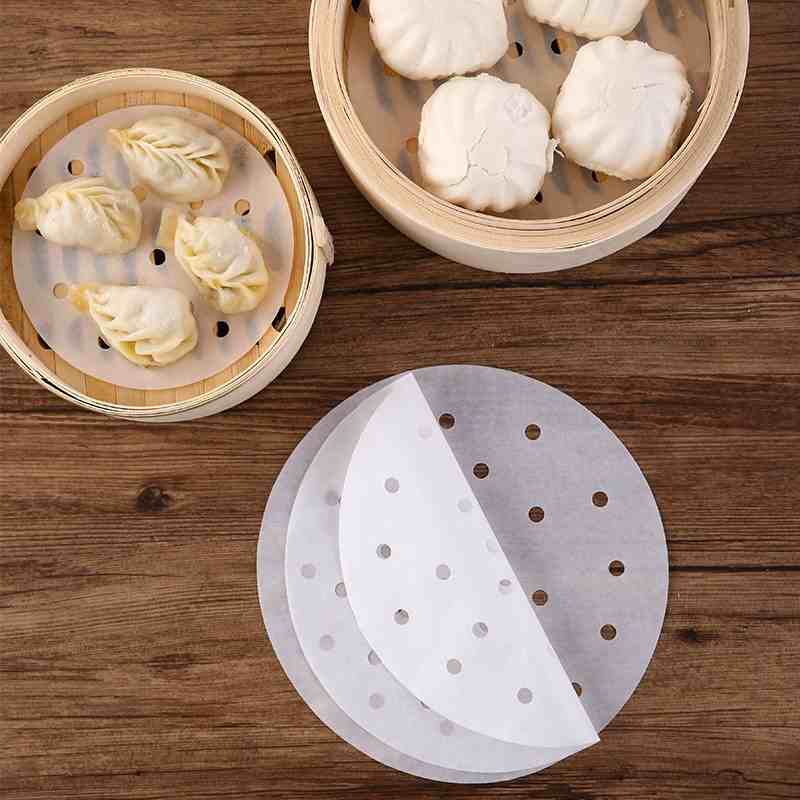
Visual Identification Tests
People can use simple tests at home to check if paper is compostable. They can start by looking at the surface. Compostable paper often feels plain and does not shine. Glossy or waxy finishes may show plastic or chemical coatings. These coatings stop composting. People can also try the tearing test. If the paper tears easily and does not stretch, it is likely free from plastic. If the paper stretches or feels rubbery, it may have a plastic layer. People should look for bright or heavy inks. Some inks contain chemicals like BPA, which are not safe for composting. Most compostable paper uses water-based or soy-based inks.
Tip: Hold the paper up to the light. If it looks see-through or has a plastic shine, it may not be compostable.
Packaging Information Check
Packaging can provide important information about compostability. People should check the labels on the bottom of takeout containers or other packaging. These labels may say “compostable” or have a compostable symbol. If the packaging has a recycling number, it should be placed in the recycling bin. Some packaging has both recycling and composting symbols. People should follow the instructions on the label. If the label is missing or unclear, people can contact the manufacturer for more information.
Unlabeled Paper Assessment
Sometimes, paper does not have any labels or markings. People can still check a few things. They can feel the paper. Compostable paper feels like regular office paper or brown kraft paper. It does not feel slippery or sticky. People can try the water drop test. Place a drop of water on the paper. If the water soaks in, the paper is likely compostable. If the water beads up or sits on top, the paper may have a coating. People can also search online for the product name or ask the supplier, such as Sure Paper, for details.
Note: When in doubt, it is best to ask the manufacturer or choose a trusted supplier.
Conclusion
Identifying genuine compostable paper is no longer a challenge with the right knowledge and practical tests. By recognizing authoritative certifications, avoiding harmful synthetic coatings and conducting simple home checks, you can make sustainable purchasing decisions.
Choosing certified compostable paper not only reduces plastic pollution but also promotes circular economy. With reliable brands like Sure Paper, consumers can embrace eco-friendly living effortlessly, protecting the planet one sustainable choice at a time.
FAQ
What makes paper compostable?
Compostable paper breaks down into things found in nature. It does not leave behind bad chemicals. It uses safe inks and does not have plastic coatings. Certifications like BPI or EN 13432 prove the paper is compostable.
Can glossy paper go in compost?
Glossy paper usually has plastic or wax on it. These coatings stop the paper from breaking down. People should look for compostable logos on the package. If they are not sure, they should put glossy paper in the recycling bin.
How can someone check if paper is compostable at home?
People can try a tearing test at home. Compostable paper rips easily and does not stretch out. They can also do a water drop test. The water should soak into the paper, not stay on top.
Does Sure Paper offer compostable options?
Sure Paper sells food-safe and earth-friendly paper. Their products have easy-to-see compostable markings. Customers can ask for certificates to make sure the paper is compostable.