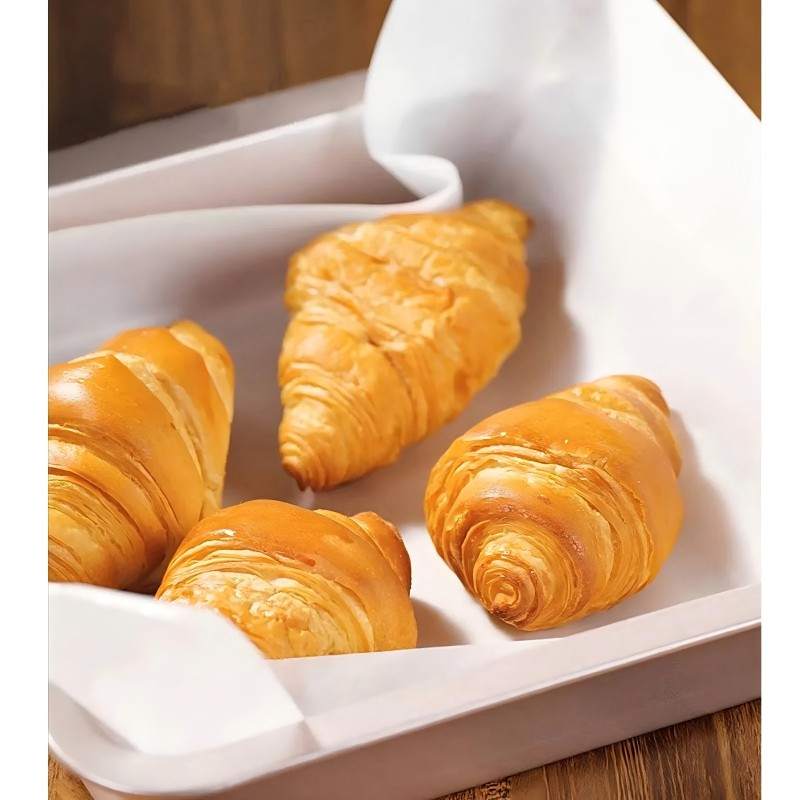
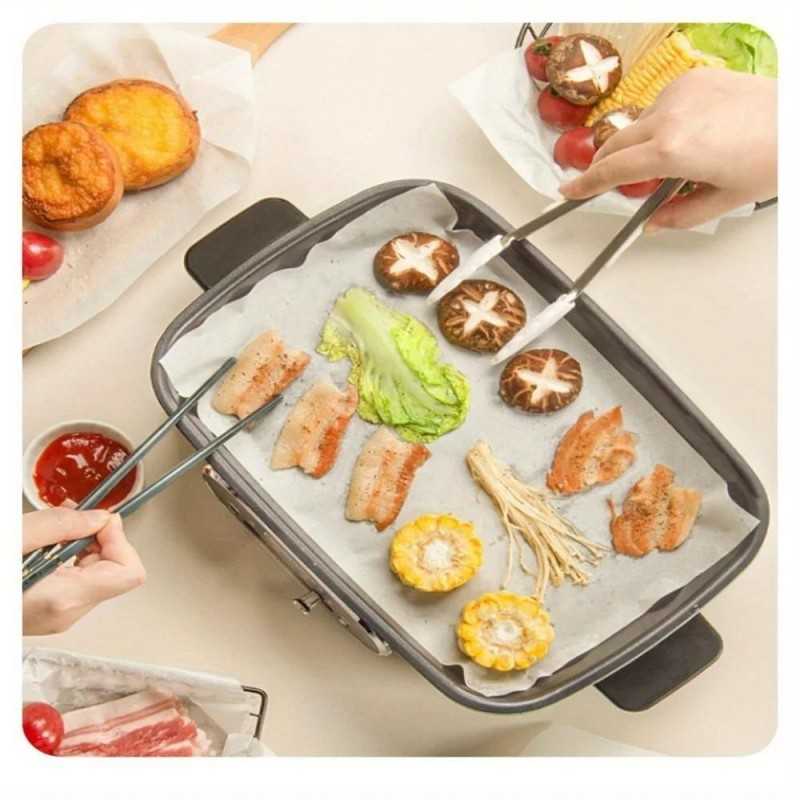
Choosing the right baking paper is good for the environment. However, packaging waste like baking paper can also harm the environment. Sometimes, baking paper ends up in landfills. Harmful chemicals from the inks and dyes can seep into the soil and water. To protect the planet, people should consider the compostability, biodegradability, recyclability, and safe disposal methods of baking paper. Understanding the different types of baking paper and their coatings can help people choose eco friendly baking paper for their kitchens.
Key Takeaways
- Pick uncoated and unbleached parchment paper. This helps it break down better and is better for the earth.
- Look for compostable labels on the box. This makes sure you can throw it away safely and helps the environment.
- Use baking paper again if you can. This cuts down on trash and saves money. You can use it more than once if it is still clean.
- Try other options like silicone baking mats. These can be used many times and make less trash than parchment paper you throw away.
- Learn about your town’s recycling and composting rules. This helps you throw away baking paper the right way and is good for the planet.
How Baking Paper Is Made
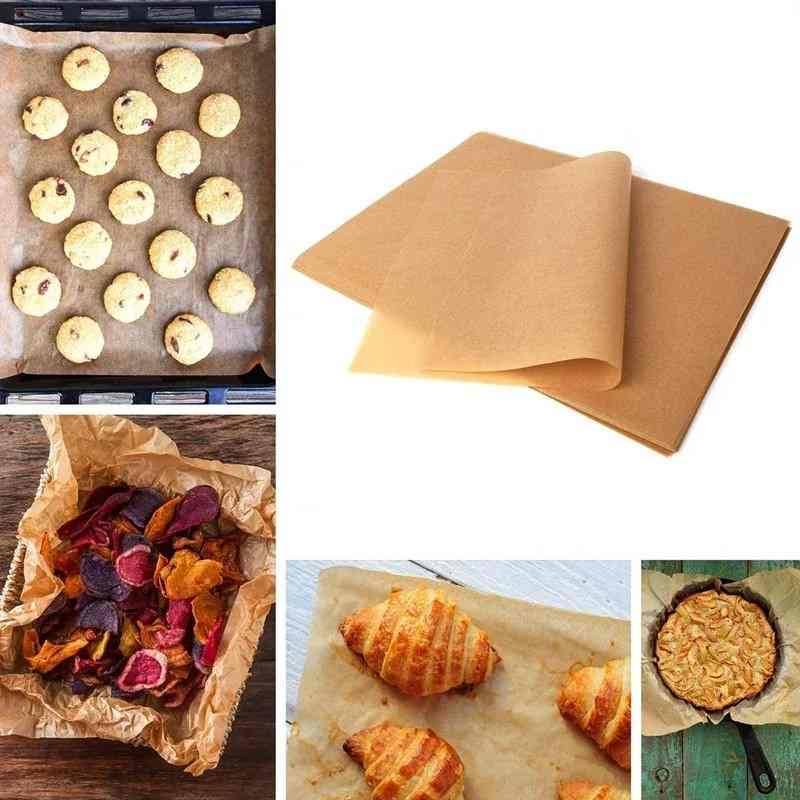
Materials and production of baking paper
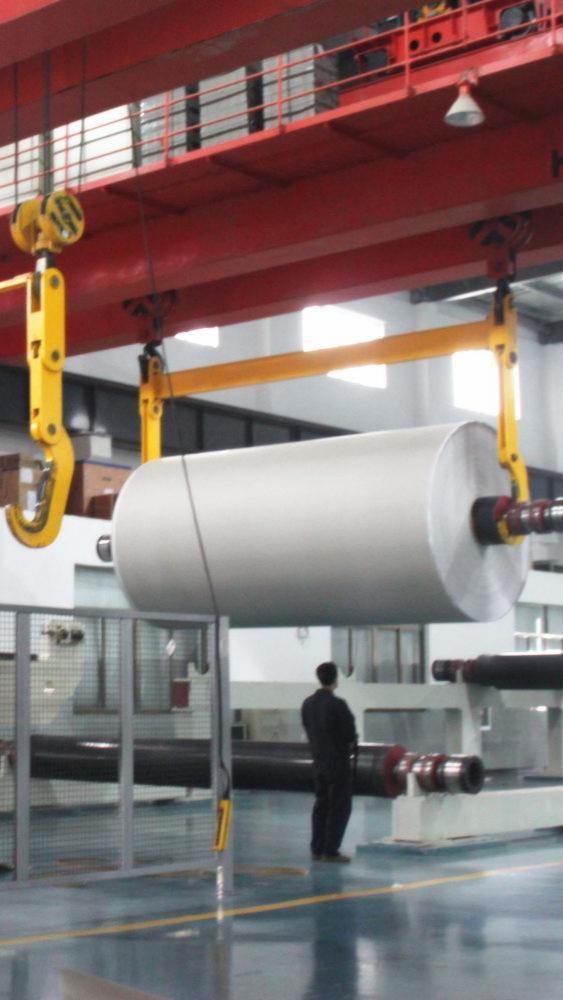
Baking paper is made from wood pulp or cellulose.They smooth the surface of the paper during the production process. Baking paper production involves pulping, pressing, and drying. These steps require significant amounts of energy and water.
- Parchment comes from natural things.
- Making it uses energy and water.
Chemical Treatments and Coatings
The company adds a coating to baking paper to improve its performance. Silicone oil is a common coating that prevents the baking paper from sticking and provides heat resistance. Some baking papers have no coating, while others use wax or other chemicals. The coating affects how the baking paper is disposed of. The table below shows how the coating affects composting:
| Type of baking paper | Compostability Status |
|---|---|
| Silicone-Coated baking paper | Not compostable because of the synthetic coating |
| Uncoated baking paper | Usually compostable, made from natural fibers |
| Certified Compostable (BPI or TUV) | Compostable only in special facilities |
Is baking Paper Compostable or Recyclable?
Compostability of Baking Paper
Many people wonder if baking paper can be put in compost bins. The answer depends on the type of baking paper. Uncoated baking paper, especially unbleached baking paper, can be composted in most municipal composting facilities. Clean, chlorine-free baking paper can provide a carbon source for compost. Regulations may vary by location, so be sure to consult your local composting center. Silicone-coated baking paper cannot be composted because the coating leaves fine residue. If the wax coating uses plant-based waxes, such as soybean oil or beeswax, it can be composted. If the wax is made from petroleum, it is not suitable for composting. Certified compostable baking paper will decompose in designated composting facilities, thus benefiting the environment.
Tip: Always look at the package for compostable certification. Certified compostable parchment makes throwing it away safer for the planet.
Biodegradability Factors
Chemicals can affect how baking paper decomposes. Certain chemicals, such as acetic acid and hexanal, break down the cellulose in baking paper. This reduces the paper’s strength and alters its decomposition rate. Hexanal is more harmful than acetic acid. These chemicals, whether from aging or other sources, are crucial for the composting of baking paper. Unbleached baking paper contains fewer chemicals, making it easier to compost and decompose more effectively. Silicone-coated baking paper is difficult to decompose and should not be included in compost.
Recycling Baking Paper
Recycling baking paper depends on its type and cleanliness. Clean or rarely used baking paper can sometimes be recycled mixed with other papers. Oily baking paper is too dirty to be recycled. Unbleached and uncoated baking paper can be composted if it cannot be recycled. Bleached or treated baking paper needs to be labeled as compostable to be safely disposed of. Local regulations can help you understand the correct disposal methods. Sure Paper produces environmentally friendly baking paper to meet a variety of recycling needs.
Proper Disposal Methods
Properly disposing of baking paper helps protect the planet and reduce waste. Unbleached baking paper and plant-based waxed paper are best suited for composting. You can compost clean, uncoated baking paper at home. Waxed paper containing vegetable oil, soybean oil, or beeswax will decompose in compost within two to four weeks. Reusing waxed paper helps reduce waste. If you cannot compost or recycle, put your baking paper in the trash. Do not compost silicone-coated baking paper. Sure Paper’s eco-friendly baking paper helps you dispose of it safely and protect the health of the planet.
Note: Always follow your local waste rules. Choosing eco-friendly options helps keep the planet safe.
Eco-friendly baking paper and precautions
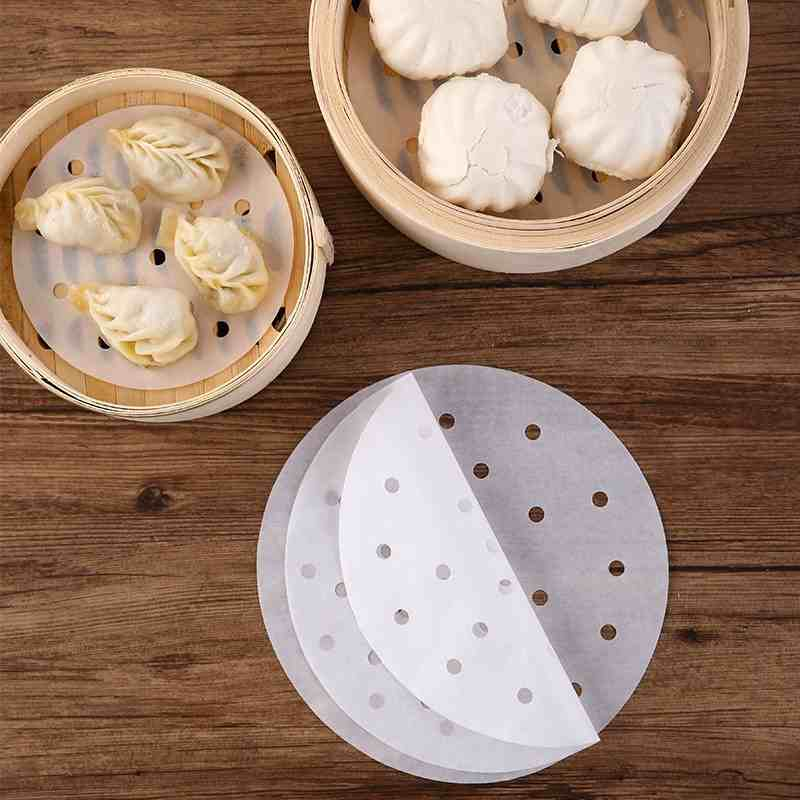
Choosing Eco-Friendly Parchment Paper
People can help the planet by picking eco-friendly parchment paper. This kind is different from regular baking paper in a few ways:
- It uses brown, unbleached materials that break down easily.
- It breaks down on its own and does not hurt nature.
- It can be composted in many places.
- It lasts longer because it has fewer chemicals.
Many eco-friendly baking papers have special certifications. These labels indicate that the product complies with strict composting and forest protection regulations. The table below explains the meaning of these certifications:
| Feature | Description |
|---|---|
| Forest-Friendly | Helps protect forests and stops clear-cutting. |
| Biodegradable | Breaks down on its own and does not harm nature. |
| Safe & Food-Grade | Has no toxins, microplastics, or heavy metals. |
| Convenient | No greasing or washing needed—just bake and serve. |
Tips for Reducing Waste
A sustainable kitchen guide gives easy steps to cut down waste from baking paper:
- Baking paper can be reused until it wears out.
- Old baking paper can be used to clean, store cheese, or prevent food splattering when microwaved.
- Choose reusable baking paper instead of disposable ones.
These habits keep more trash out of landfills. They also help people live in an eco-friendly way and protect nature.
Tip: Small changes in the kitchen can make a big difference for the planet.
FAQ
What makes baking paper eco-friendly?
Eco-friendly baking paper uses unbleached fibers and safe coatings. It can break down in compost or recycling bins. Many brands use certified materials for their products. These choices help save forests and lower pollution.
Can you reuse baking paper?
Yes, you can use baking paper more than once if it is still clean and strong. Reusing baking paper helps make less trash and saves money. Always check for rips or big stains before using it again.
Is silicone-coated parchment paper safe for food?
Silicone-coated parchment paper is safe for baking and cooking. The silicone layer can handle heat and does not let out bad chemicals. Food does not stick, so cleaning up is easier.
How do you know if baking paper is compostable?
Look for words like “compostable” or certifications such as BPI or TUV. These marks show the paper meets composting rules. Uncoated and unbleached papers usually break down well in compost.