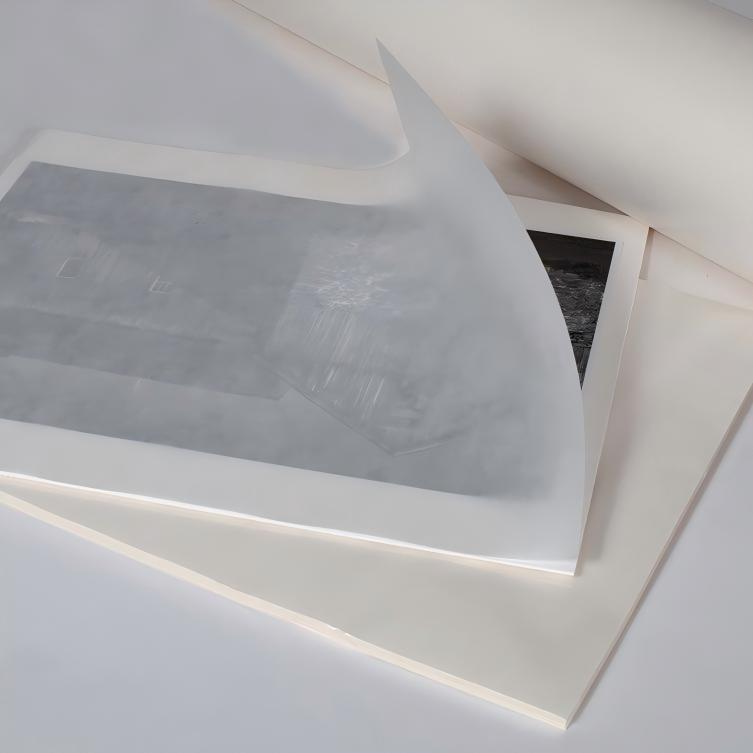
Glassine paper is a special kind of paper. It has a smooth and shiny surface. You can see through it a little bit. The paper is thick and blocks air, water, and grease. This makes it helpful in many jobs. Sure Paper sells this paper. They care about good quality and the environment. The table below explains why glassine paper is special:
| Property | Description |
|---|---|
| Ultra-Smooth Surface | Supercalendering gives it a shiny, smooth finish that is not porous. |
| High Translucency | It is partly see-through for easy checking and lining up. |
| Moisture and Grease Resistance | It keeps out water and oil, so it is good for delicate things. |
| Eco-Friendly Composition | It is made from plants, can be recycled, and breaks down naturally. |
| Chemical Stability | It does not break when used with oils, fats, or solvents in food and work. |
Key Takeaways
- Glassine paper feels smooth and looks shiny. It is also a little see-through. This makes it great for wrapping food and art.
- Glassine paper keeps out water, oil, and dust. This helps things stay fresh and safe.
- Glassine paper is good for the environment. You can recycle or compost it. It comes from things that grow back.
- The supercalendering process makes glassine paper glossy. This process also makes it more see-through.
- Pick glassine paper because it is strong and useful. You can use it for many things, like food or art.
Glassine Paper Manufacturing
Raw Materials and Process
Glassine paper starts with good wood pulp.Most paper companies use hardwood species such as poplar, oak, and birch. The fibers of these trees are strong and contribute to the smoothness and shine of the paper. After the wood is cut, workers use chemicals to separate the fibers. This step removes lignin, a binder in wood. The pulp is then clean and ready to be used to produce cellophane.
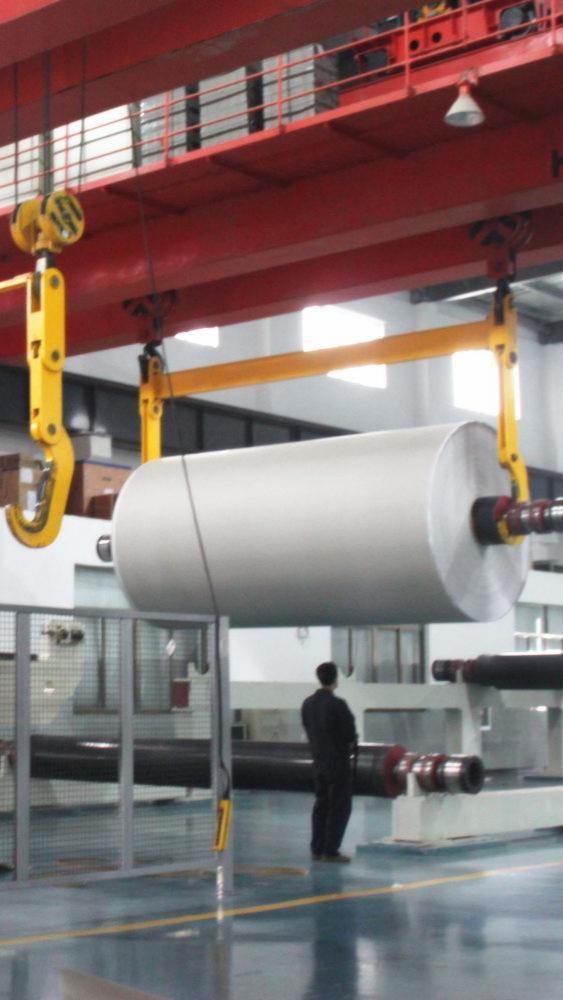
Next, the workers bleach the pulp. Bleaching removes the color from the pulp, making it white. Sometimes, dyes are added to achieve special colors. The pulp is mixed with water to form a slurry. This wet slurry is conveyed onto a moving wire mesh. The water is drained, leaving a thin layer of fiber. Heated rollers dry the fiber mat and form it into paper.
Sure Paper only uses refined pulp for its glassine. The company checks each batch for quality. They sell different weights and sizes for customers. Their team can change the width and packaging if needed. This careful work makes sure every roll or sheet is high quality.
Supercalendering Technique
Supercalendering gives glassine its special look and feel. Workers put the dry sheets through heavy rollers. The rollers press the paper very hard. This makes the surface smooth and shiny. It also makes the paper more see-through. The finished paper is glossy and stands out from normal paper.
Sure Paper uses modern machines for this step. Computers watch the speed, tension, and pressure of the rollers. These controls keep the paper even and glossy.
Glassine Paper Key Properties
Glassine paper has many special features. It is very smooth and shiny. The paper feels almost like plastic but is made from plants. It is also see-through, so you can see what is inside a package. The paper keeps out grease, water, and air. This makes it great for wrapping food, protecting art, or lining envelopes.
Glassine paper contains no acidic substances and has a neutral pH. This means it won’t damage fragile items over time. Furthermore, this paper is recyclable and biodegradable, making it environmentally friendly.
Tip: Glassine paper is useful for many things because it is strong, clear, and keeps out grease and water.
Glassine vs Other Papers
Standard Paper Comparison
Glassine paper is different from regular paper in many ways. Regular paper feels rough and does not shine. People use regular paper for writing and drawing. Glassine paper feels smooth and shiny. It lets some light go through. You can see what is inside a package. Regular paper does not stop grease or water. Glassine paper keeps out oil and water. This makes it better for wrapping food or art.
Producing glassine paper requires specialized machinery, which makes it more expensive. Some people choose regular paper because it’s cheaper. However, cellophane offers better protection and a more attractive appearance.
Parchment, Vellum, and Wax Paper
Many people want to know how glassine paper is different from parchment, vellum, and wax paper. Each type of paper feels different and has its own use. The table below shows the main differences:
| Feature | Glassine Paper | Vellum Paper | Wax Paper | Parchment Paper |
|---|---|---|---|---|
| Texture | Smooth & glossy | Slightly rough & toothy | Waxy & smooth | Non-stick & smooth |
| Strength | High tensile strength, durable | Low, delicate and tears easily | Moderate | Strong & durable |
| Grease/Oil Resistance | Yes | No | Yes (from coating) | Yes |
| Heat Resistance | No | No | No, wax melts | Yes, oven-safe |
| Recyclable? | Yes | No | No | No |
| Biodegradable? | Yes | Yes | No | No |
People use glassine paper for food, makeup, and art. It keeps snacks and baked goods fresh. It also protects art, photos, and prints from dust and smudges. Wax paper is good for greasy foods but cannot be recycled. Parchment paper can handle heat, so people use it for baking. Vellum paper is soft and best for tracing or crafts.
Strengths and Limitations
Glassine paper has many good points. It is see-through, so you can see inside. It blocks grease and water to keep things safe. Glassine paper is good for the earth because it comes from wood pulp and breaks down. People use it for food, art, and packaging.
People like glassine paper because it shows off products and keeps them clean. It works for many things, but it does not do well with heat. Printing on glassine paper is hard because it is so smooth. It may rip if you use it for heavy things. Still, glassine paper is a great choice for safe and green packaging.
Tip: Pick glassine paper when you need a clear, strong, and earth-friendly wrap for food, art, or special items.
Glassine Paper Packaging Uses
Food Packaging Applications
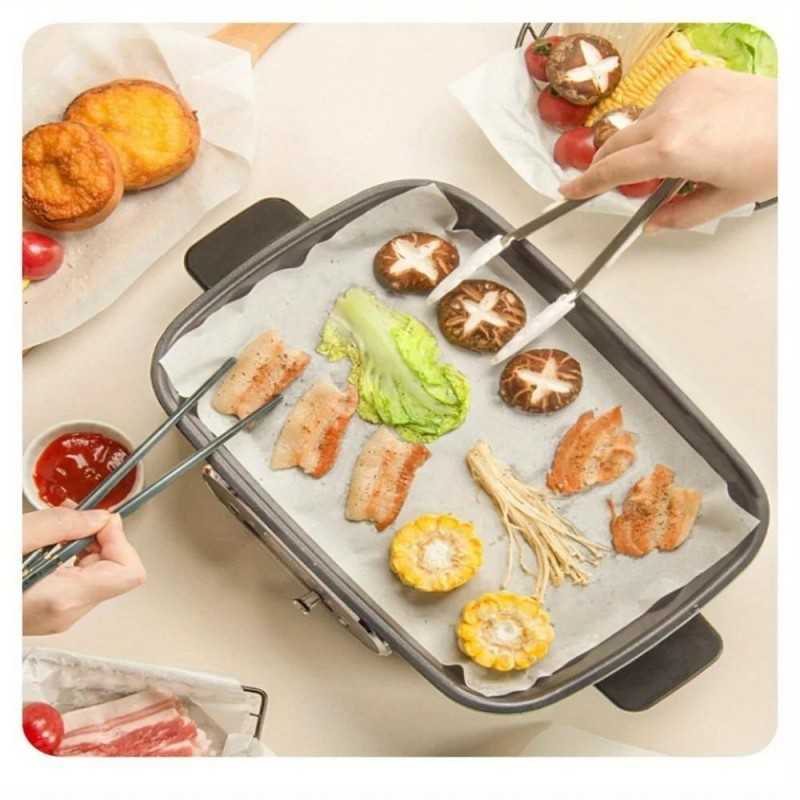
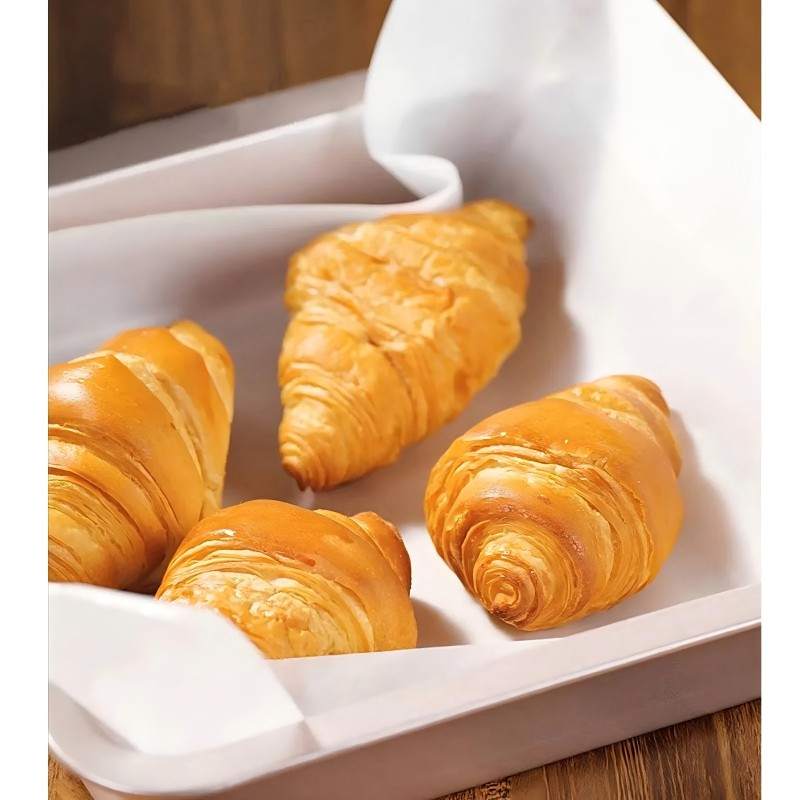
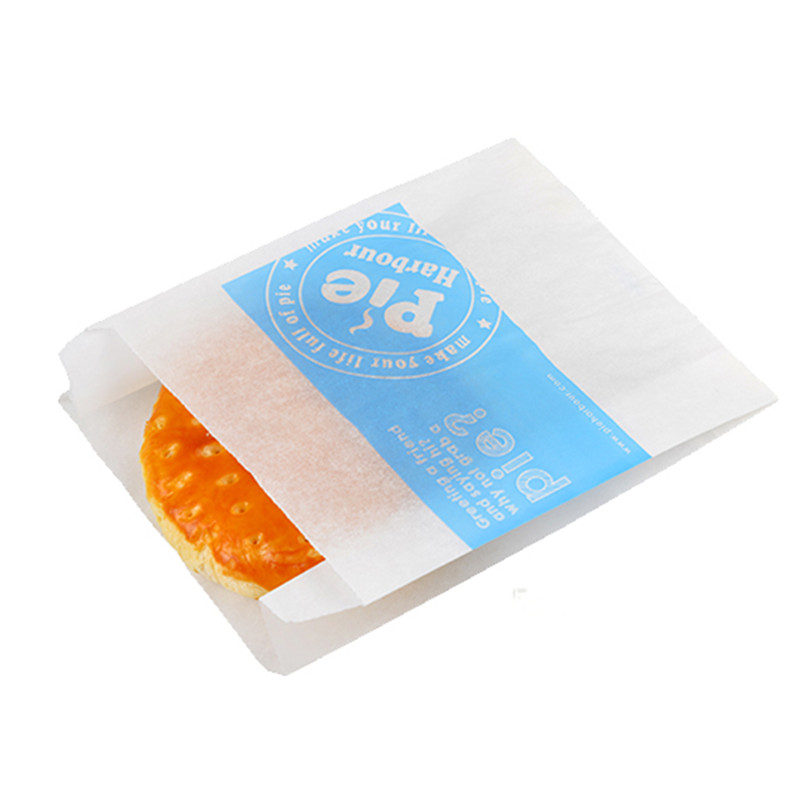
Glassine bags are important in food packaging. Many companies use glassine paper for snacks, candies, and bakery goods. The smooth and see-through paper lets people look at the food inside. Glassine paper keeps out oil and water, so baked goods stay fresh. It stops grease from getting on the food or the bag. Glassine bags are a favorite for foods you eat right away and for selling snacks.
Food-grade glassine paper follows strict safety rules. Sure Paper sells glassine that is safe for food, BPA-free, compostable, and meets FDA rules. These labels mean glassine paper is safe to touch food. Glassine bags can be recycled and help with composting. Many companies pick glassine for big orders because it keeps food safe and cuts down on waste.
Tip: Glassine bags are great for snacks, candies, and bakery treats. They keep food fresh and let you see what is inside.
Archival and Art Protection
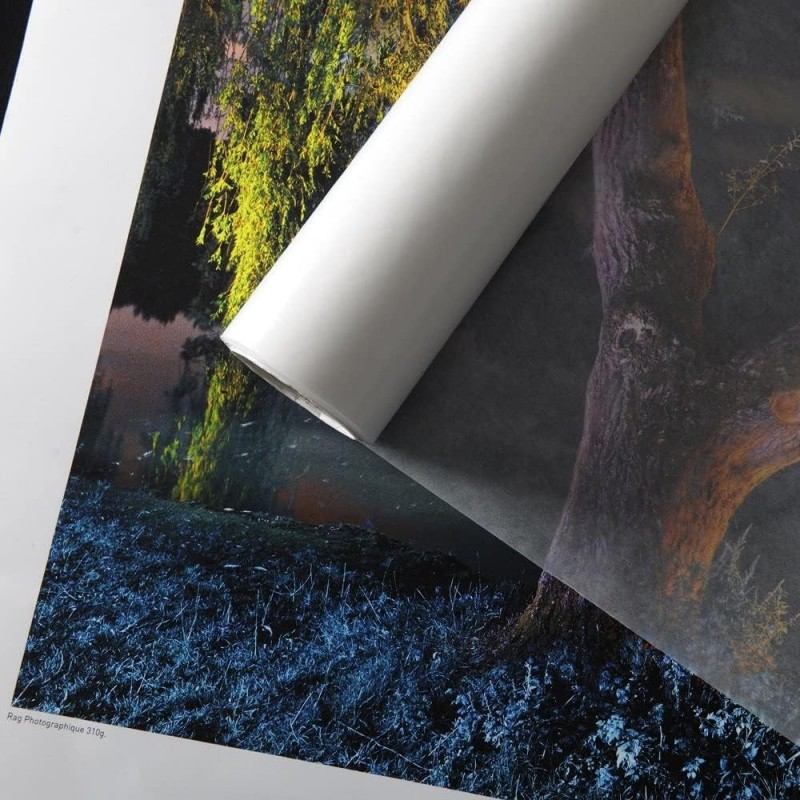
Glassine paper, due to its transparent, flexible, moisture-proof, and biodegradable properties, has unique value in the field of archival and art preservation. In archival management, glassine paper is often used to seal precious documents, maps, or photographs, forming a breathable physical barrier that allows the content to be clearly displayed while preventing dust, sweat, and moisture damage, making it especially suitable for archives that need to be frequently accessed.
Museums and art galleries trust cellophane because it provides long-term protection for artworks; the smooth paper will not scratch or soil them. Glassine bags effectively block dust, grease, and mold, preventing damage to precious artifacts. Furthermore, this acid-free, pH-neutral paper prevents yellowing and chemical corrosion. Therefore, cellophane bags are an essential choice for the storage and preservation of artworks.
Industrial and Specialty Uses
Glassine paper is used in many jobs besides food and art. Companies use glassine bags for electronics, medical things, and fancy packaging. Glassine bags look nice for wrapping expensive gifts. The clear and shiny paper makes packages look special. Glassine paper is used as backing for sticky labels, so they peel off easily. Many companies use glassine for tough jobs because it keeps out water and lasts a long time.
Tip: Glassine bags work for many jobs. They protect things, look clear, and help the environment.
FAQ
What makes glassine paper different from regular paper?
Glassine paper feels smooth and shiny. You can see through it a little. Regular paper feels rough and does not stop grease or water. Glassine paper keeps things safe and lets you see inside.
Is glassine paper safe for food packaging?
Glassine paper is safe for food. It does not let grease or water in. Many companies use it for snacks, candy, and baked goods. Sure Paper sells glassine that is BPA-free and can break down in compost.
Can glassine paper be recycled?
Glassine paper can go in most recycling bins. It breaks down on its own. This makes it a good choice for the earth.
How does glassine paper protect artwork?
Glassine paper does not have acid and is pH neutral. It keeps art safe from dust, oil, and water. Museums and artists use it to protect prints, drawings, and photos.