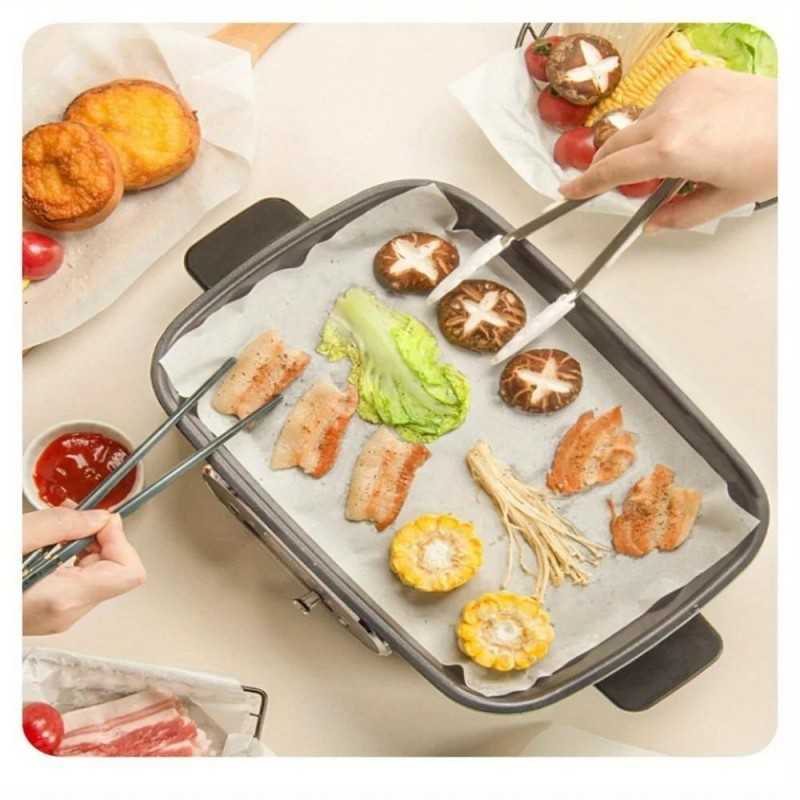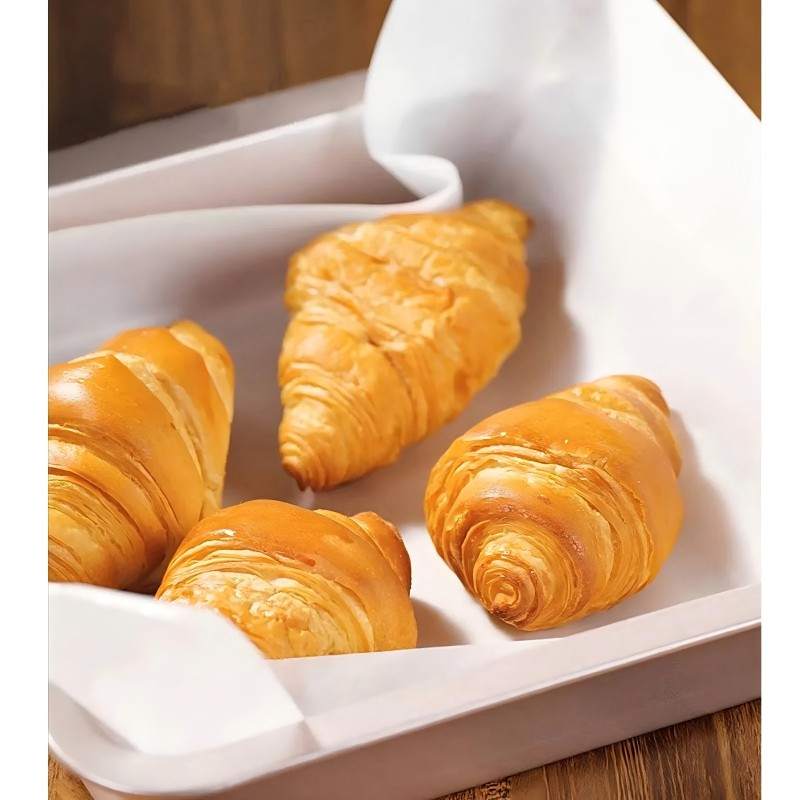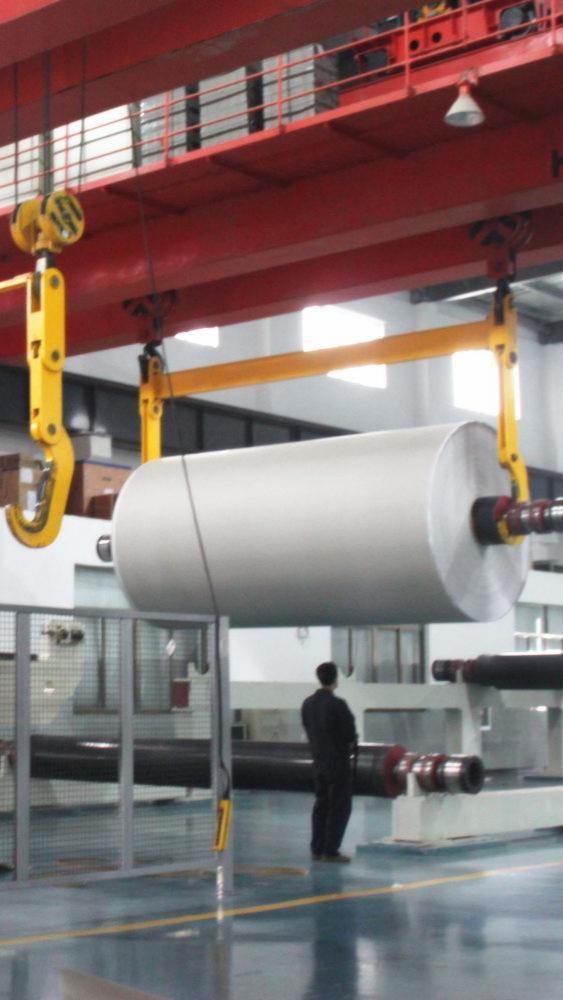
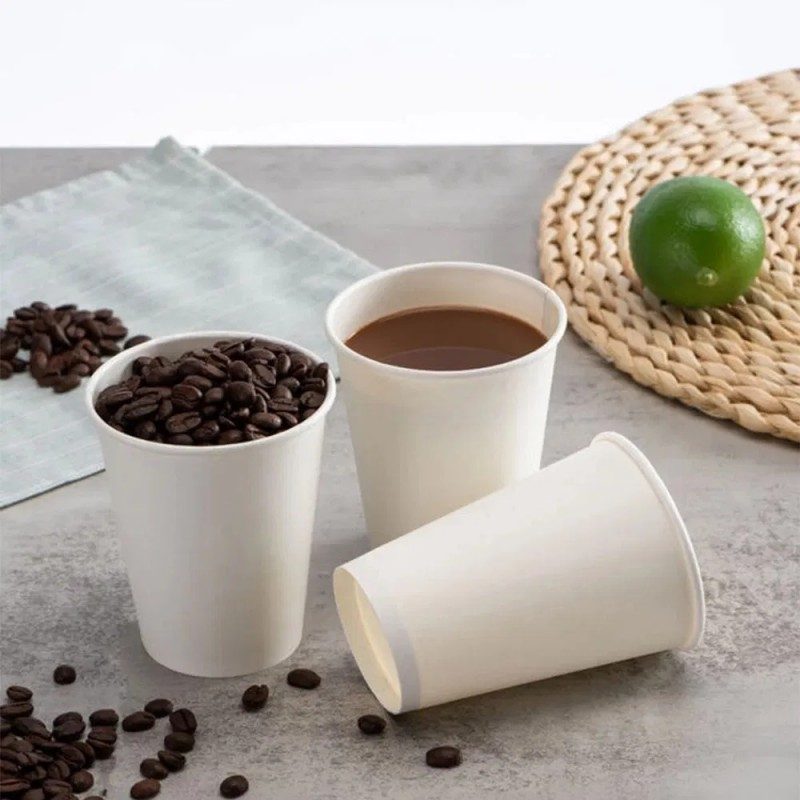
Cupstock is a special kind of paperboard. It is used to make disposable paper cups and food packaging. Manufacturers design cupstock paper so it can hold liquids. This makes it perfect for hot and cold drinks. Cupstock paper is very important in the food and drink industry. It helps coffee shops, fast-food places, and restaurants.
Key Takeaways
- Cupstock paper is very important for making cups and food containers. It is made to hold liquids. This makes it great for hot and cold drinks.
- There are different types of cupstock. Some are coated and some are not. Coated cupstock keeps out moisture better. Uncoated cupstock is better for the environment.
- Companies use a careful process to make cupstock paper. They make sure it is safe for food. Quality control is very important to keep people safe.
- There are also eco-friendly choices like PLA-coated cupstock. These options help businesses be better for the environment. They also attract customers who care about nature.
- Businesses can customize cupstock paper. They can pick the thickness, coatings, and designs they want. This helps with branding and makes the product work better.
Cupstock Paper Introduction
Cupstock Paper Structure and Coating
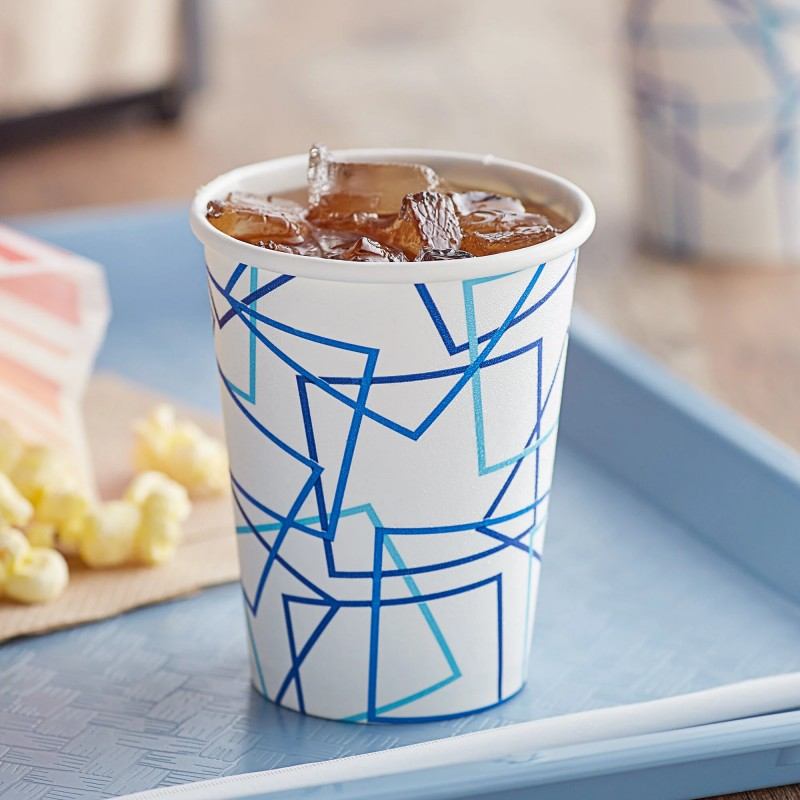
Cupstock paper is used for many cups and containers. Manufacturers use wood pulp to produce paper cups. Wood pulp comes from both softwood and hardwood. The fibers in the wood pulp make the paper strong and resilient. Paper cups are durable and hold liquids well.
Most cupstock paper has a coating.The coatings used on cupstock paper mainly include traditional polyethylene (PE) coatings, as well as environmentally friendly types such as water-based coatings and PLA coatings, which can provide paper cups with waterproof, oil-proof and heat-sealing barrier effects.Some cupstock papers are coated on only one side, while others are coated on both sides. The coating helps the paper retain its shape when holding hot or cold beverages.
Cupstock Paper Manufacturing Process
Making cupstock paper takes several steps. Each step makes sure the paper is safe and good for food.
- Coating: The manufacturer puts PE or another coating on the paperboard. This makes the paper waterproof and heat-resistant.
- Slitting: Machines cut the coated paper into the right widths.
- Printing: Special inks add designs, logos, or branding.
- Die Cutting: The paper is cut into shapes for making cups.
- Forming: Workers or machines shape the paper into cups and seal the bottoms.
- Packaging: Finished cups are packed for storage and transport.
Quality control is very important in cupstock paper production. Companies check for safety and make sure each batch meets food safety rules. They test for harmful substances and use good manufacturing practices. These steps help keep the product safe and consistent.
Note: Cupstock paperboard must pass tests for strength, moisture resistance, and food safety before it is sold. This careful process keeps the standards high for making paper cups.
Key Characteristics of Cupstock Paper
Durability and Strength
Cupstock paper is known for being very strong and tough. It is made to handle the needs of drink cups you throw away after using. The paperboard uses fibers from both softwood and hardwood trees. This mix makes the paperboard sturdy and helps it keep its shape with hot or cold drinks.
- Cupstock paper uses a special pulp that is strong and white. This pulp makes the paper harder to pull apart and gives it a smooth surface.
- Makers add chemicals to help stop tearing and keep the paper steady, even when wet.
- The way cupstock is built lets it hold drinks without bending or breaking.
- There are different types and coatings. This lets companies pick the best one for things like hot coffee or ice cream.
Cupstock paper is made just for making cups. It stays strong and keeps its shape, which is important for food safety and happy customers.
Moisture Resistance
Cupstock paper is good at stopping water from getting in. The paperboard usually has a special layer, like polyethylene, that keeps out water. This layer stops drinks from soaking into the paper and keeps the cup strong.
- If cupstock does not have a coating, it can soak up water and leak.
- Coated cupstock, especially with polyethylene, makes a strong wall that stops water or drinks from getting through.
- The coating keeps the outside of the cup dry, even with cold drinks that make water drops.
Makers test cupstock to see how well it keeps out water. These tests make sure the paper is safe for food and works well.
| Test Name | Description |
|---|---|
| Cobb Test | Checks how much water the top takes in after 60 seconds. The results are in grams per square meter. |
| Wick Test | Checks how much water the edge takes in after 20 minutes in warm water. This test is important for cups with soft drinks. |
Cupstock paperboard with a water barrier keeps drinks inside and stops the outside from getting wet. This is very important for cups for hot and cold drinks.
Types of Cupstock paper
Uncoated Cupstock paper
Uncoated cupstock paper is the main paper for many food containers. Makers use it as a base for coatings or by itself for dry foods. It works well in coffee shops, offices, events, and food trucks. People pick it because it costs less and breaks down in nature. Many people like it because it is better for the environment.
| Performance Aspect | Uncoated Cupstock | Coated Cupstock |
|---|---|---|
| Moisture Resistance | Good only for dry foods; soaks up water and can fail | Stops water from getting in; great for drinks |
| Print Quality | Ink goes into the paper, so colors look soft and blurry | Ink stays on top, so prints are bright and clear |
| Temperature Handling | Works at room temperature; gets weak with heat or water; not for hot drinks | Handles hot and cold drinks; works from -18°C to 95°C |
| Environmental Impact | Easy to recycle and breaks down without problems | Harder to recycle because of plastic; water-based coatings are better for nature |
Uncoated cupstock is often used first before adding a pe coating.
Coated Cupstock (PE, PLA, Clay, Water-Based)
Coated cupstock comes in different types with special features. The most common is PE coated cupstock paper. This kind has a layer of polyethylene that blocks water and grease. Single-sided pe coated cupstock paper has coating on one side. It is good for hot drinks. Double-sided pe coated cupstock paper has coating on both sides. It works well for cold drinks and ice cream.
Sure Paper also makes clay-coated cupstock. This type is great for printing logos and designs. PLA-coated cupstock uses plants, so it can break down in nature. Water-based coated cupstock is another choice for people who want less plastic.
| Coating Type | Advantages | Disadvantages |
|---|---|---|
| PE Coating | Blocks water and grease, safe for food, bends well, prints look good | Does not break down, hard to recycle, uses oil products |
| Clay Coating | Prints look great, paper is strong enough | Not as good at blocking water and grease, gets weak when wet |
| PLA Coating | Breaks down in compost, made from plants | Does not handle heat well, costs more |
| Water-based Coating | Uses less plastic, easier to recycle | Not much is known about it yet |
Sustainable Options
Many companies want cupstock paper that breaks down to help the earth. PLA-coated and water-based coated cupstock paper are good choices for this. Sure Paper uses wood pulp with FSC and PEFC labels. These show the wood comes from forests that are cared for. The BPI label indicates that the cupstock paper is good for nature and can break down safely.
| Certification | Description | Impact on Marketability |
|---|---|---|
| FSC | Forest Stewardship Council | Shows the wood is from well-managed forests |
| PEFC | Programme for the Endorsement of Forest Certification | Shows the wood is from well-managed forests |
| BPI | Biodegradable Products Institute | Proves the cupstock can break down and is safe for nature |
Cupstock Paper Applications
Disposable Cups
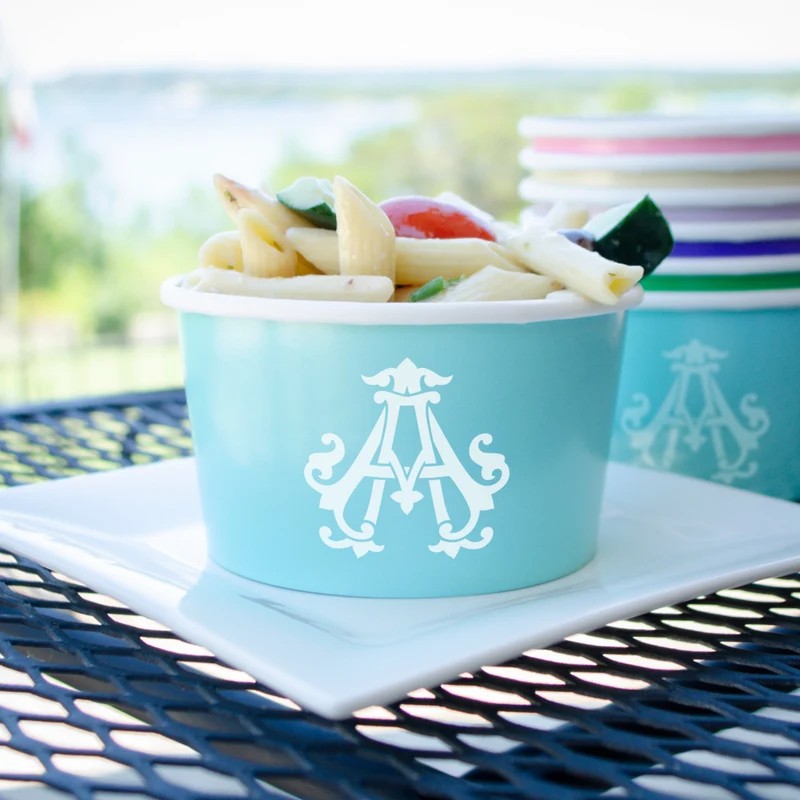
Cupstock paper is important for making disposable cups. Different cupstock types are used for hot and cold drinks. Makers pick the right coating and thickness for each drink. PE coated cupstock paper keeps water out and works for many drinks. Single-sided PE coated cupstock paper is good for printing logos. Double-sided PE coated cupstock paper makes cups stronger and keeps drinks hot or cold. Biodegradable cupstock paper is better for the earth and helps businesses go green.
Food Containers and Tubs
Cupstock paper is not just for cups. It is also used for food containers and tubs. These include ice cream tubs, noodle bowls, soup containers, trays, lids, and buckets. PE-coated cupstock paper stops water and oil from getting in. This keeps food fresh and stops leaks. The coating lets containers hold soups, sauces, and desserts without falling apart. Cupstock paper keeps food safe when moving or storing it.
Customization and Industry Uses
Makers change cupstock paper to fit what each business needs. They can change how thick or heavy the paper is. They also pick different coatings and finishes. Sure Paper offers cupstock paper from 135 to 350 gsm. They have single or double coating, different types of coatings, and matt or glossy looks. Companies can pick the size they want. They can also get special GSM and printing for their brand.
Different industries need different cupstock paper. Safety, keeping drinks hot or cold, being green, and branding are all important. Good suppliers and strong delivery help companies get cupstock paper fast and in big amounts. Smart planning and good supply chains stop delays in making products.
Cupstock paper is a good choice for food packaging. It is strong and keeps out water. There are many types of coatings for it. Makers use new fibers and safe materials. This helps them follow food safety rules. Many companies now pick biodegradable and certified cupstock paper. This keeps people and the planet safe. More people care about helping the earth. So, brands and suppliers look for green options. Knowing these things helps everyone pick safer and smarter ways in food and drinks.
FAQ
What is cupstock paper made from?
Cupstock paper comes from virgin wood pulp. The pulp is from softwood and hardwood trees. Makers pick fibers that are strong and bendy. They add coatings like polyethylene or PLA. These coatings help keep water out.
Why do companies use coatings on cupstock paper?
Coatings help keep liquids away from the paper. Polyethylene and PLA coatings block water and grease. This makes cups and containers safe for food and drinks. It also keeps them strong.
Is cupstock paper safe for food packaging?
Cupstock paper follows strict food safety rules. Makers check for harmful things in the paper. Certifications like FSC and PEFC show the wood is from good forests.
Can cupstock paper be recycled or composted?
Some cupstock papers can be recycled or composted. PLA-coated and water-based coated cupstock break down in compost. PE-coated cupstock is harder to recycle but still keeps food safe.
What types of products use cupstock paper?
Cupstock paper is used for many things. It is in disposable cups, ice cream tubs, soup containers, trays, and lids. Companies change cupstock for each use. They pick the thickness, coatings, and print designs they want.