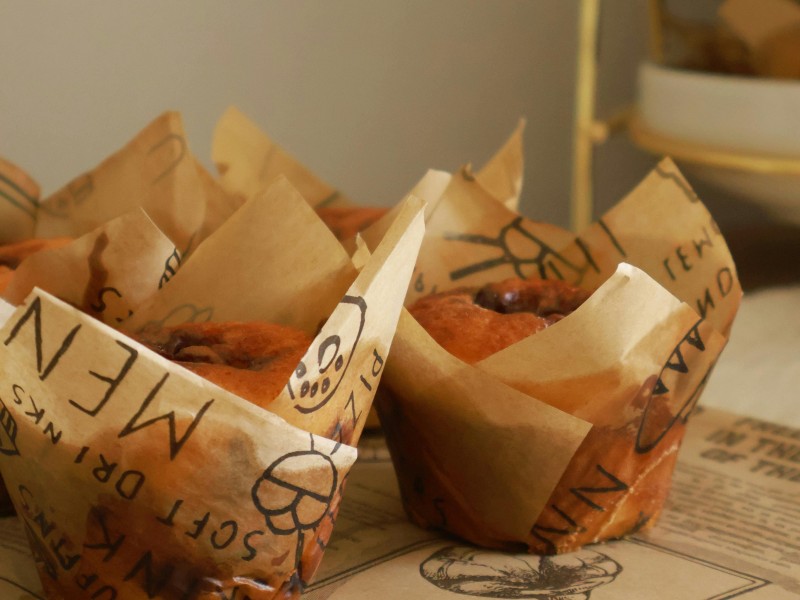
Silicone paper is important in many industries because it has special features. People use it for food packaging, baking, and as release liners in factories.
The table below explains why workers and food experts pick silicone paper:
| Property | Description |
|---|---|
| Adhesive repellent | Stops glue from sticking, which helps in making things. |
| Versatility | Works well for making labels, food, and clothes. |
| Heat resistant | Can handle high heat for baking and making products. |
| Protection and cleaning | Keeps surfaces safe from glue and other stuff. |
Good brands like Sure Paper follow tough rules for safety and work well in food and factory jobs.
Key Takeaways
- Silicone paper is good for baking. It keeps food from sticking. It can handle heat up to 420°F. This makes baking easier and cleaner.
- It is used for food packaging. It blocks grease and keeps food fresh longer. This helps stop leaks and messes.
- Silicone paper is eco-friendly. Many types break down naturally. They can be composted or recycled. This helps cut down waste and pollution.
- Industries use silicone paper as release liners. It protects surfaces and works with adhesives. It peels off cleanly. It resists heat and chemicals.
- Sure Paper sells safe silicone paper products. These are reliable for home cooks and big factories. They help support green goals.
Silicone Paper in Food Preparation
Baking and Cooking Uses
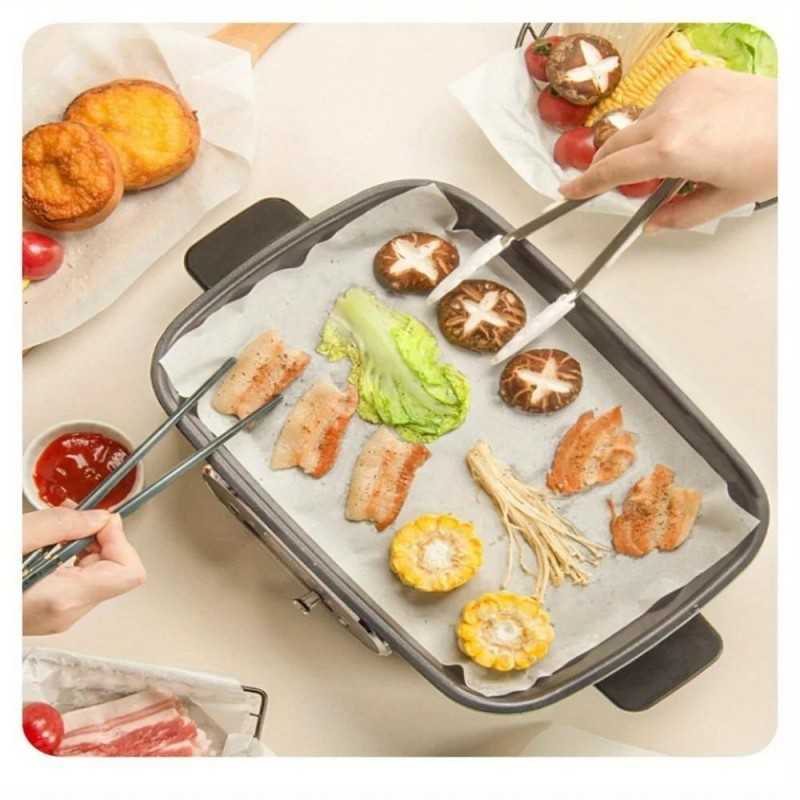
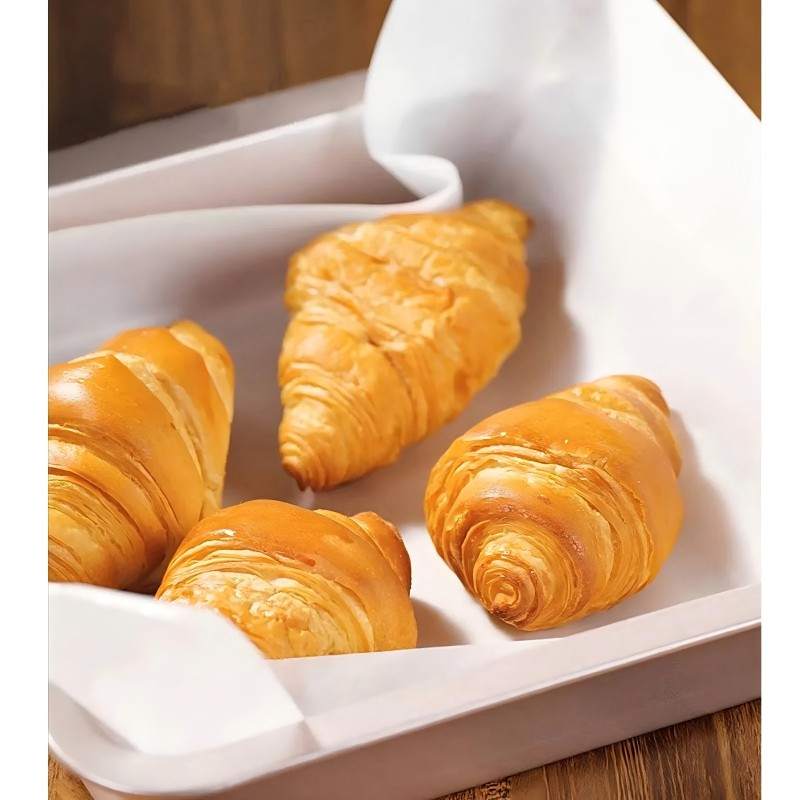
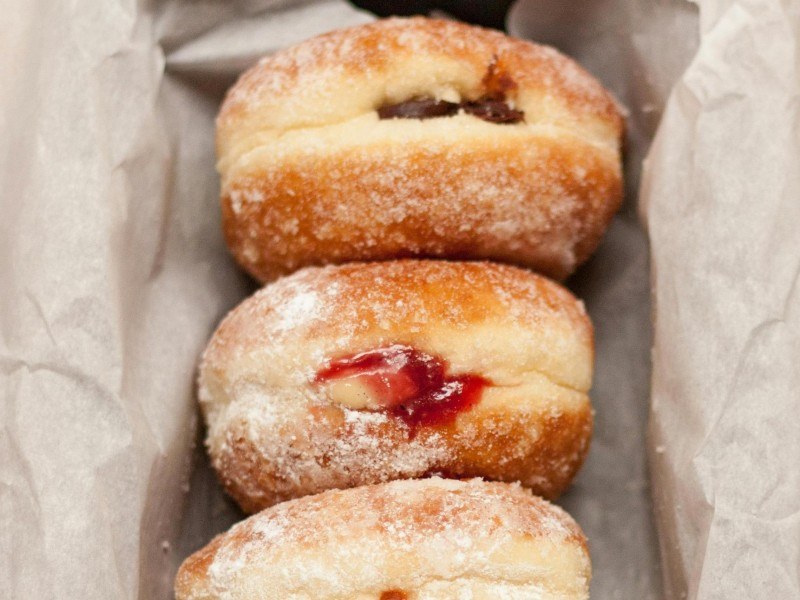
Silicone paper is incredibly useful in baking and cooking. Many chefs love it because food doesn’t stick to it. This makes cakes, cookies, and bread easy to remove from baking pans. It keeps baking pans clean and eliminates the need for extra oil or butter. People use silicone paper to line baking pans, wrap food for steaming or boiling, and as linings for molds.
Sure Paper’s silicone coated parchment paper is popular. It has a smooth surface that does not stick. Both home and professional bakers use it. Bakers can count on it for good results every time.
Advantages of Silicone Paper in Food Preparation
Silicone paper has many advantages in the kitchen. Its non-stick surface makes baking easier. The silicone coating prevents food from sticking, resulting in a better appearance and texture for baked goods. This also means less food waste, as food won’t stick or break.
Silicone paper is heat resistant. Sure Paper’s silicone-coated baking paper won’t burn or curl in the oven. The table below shows the temperatures silicone baking paper can withstand:
| Temperature (°F) | Temperature (°C) |
|---|---|
| Up to 420 | Up to 216 |
This heat resistance lets you use silicone paper for many baking jobs. It works for roasting vegetables, baking cookies, and steaming dumplings. Sure Paper gives you different sizes, so you can pick what you need.
Many kitchens want eco-friendly choices. Sure Paper has both unbleached and bleached silicone paper. Unbleached parchment paper keeps its natural color. Bleached parchment paper looks bright and clean. Both types are good for the planet because they break down and can be composted.
Tip: Silicone paper is not just for bakers. Home cooks can use it to bake better and clean up faster.
Silicone paper is a favorite in food prep because it does not stick, can handle heat, and is useful in many ways. Sure Paper’s silicone coated parchment paper works well for big bakeries and small kitchens.
Silicone Paper in Food Packaging and Storage
Importance in Food Packaging and Storage
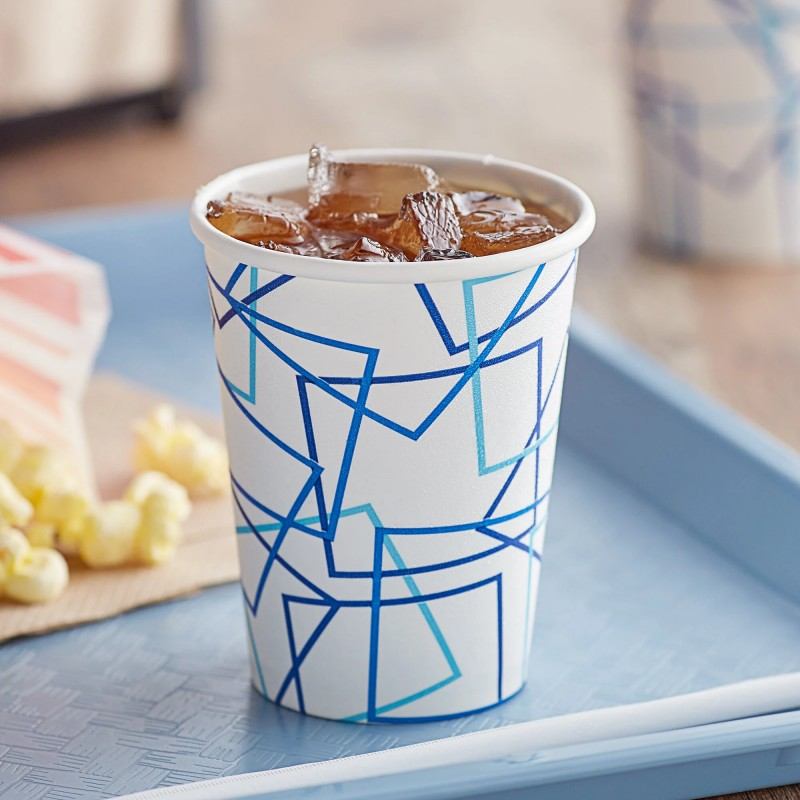
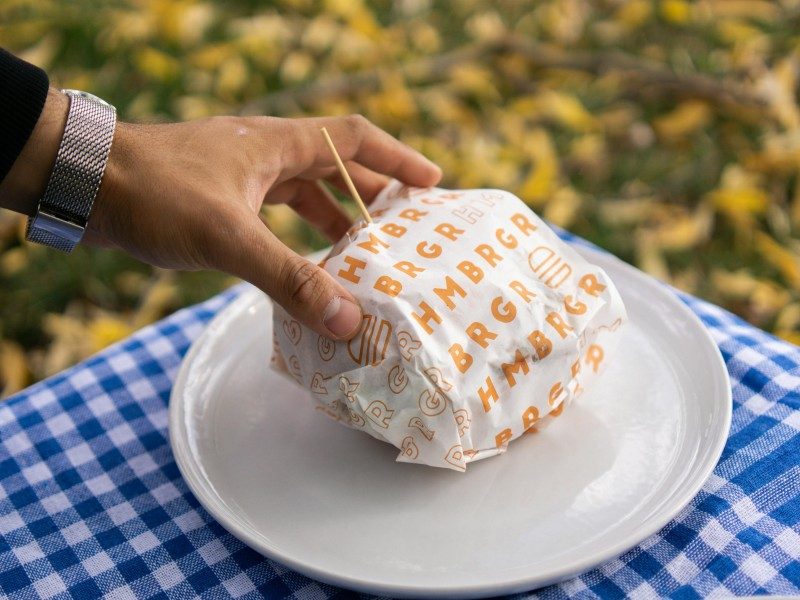
Silicone paper is important for food packaging and storage. Many companies use it to wrap sandwiches and pastries. It is also used for other greasy foods. Silicone coated paper stops grease from leaking out. This helps food stay fresh for a longer time. The smooth surface keeps out oil and water. This protects the food and the packaging.
Scientists have studied the oil-repellent properties of packaging materials. The coating and type of paper are crucial. Silicone paper has a special coating that effectively prevents grease from penetrating. Experts test its oil-repellent properties by examining whether oil or water can pass through the paper. Ordinary paper absorbs grease, while silicone-coated paper does not. Therefore, it is more suitable for packaging cheese, meat, and baked goods.
The table below shows how silicone paper and wax paper compare:
| Material | Moisture Resistance | Grease Resistance | Suitability for Food Storage |
|---|---|---|---|
| Silicone Paper | Excellent | Excellent | Ideal for fatty or oily foods |
| Wax Paper | Basic | Moderate | Can degrade over time, less effective |
This table shows silicone paper protects food better. It keeps food fresh and stops leaks. Many bakeries and restaurants pick silicone paper for these reasons.
Eco-Friendly Packaging Solutions
Many people desire environmentally friendly packaging. Silicone paper meets this need. Sure Paper produces silicone-coated paper that is biodegradable. These products are biodegradable and compostable, causing no harm to the earth.
- Biodegradable packaging cuts down on pollution and trash.
- These materials break down by themselves, so they are better for nature.
- More companies now use biodegradable packaging for food.
- Many silicone papers come from sources that can be replaced and can be recycled or composted.
- Recycling and composting help lower waste and protect the environment.
Sure Paper cares about eco-friendly packaging. Customers can pick products that help keep the world clean. Their silicone paper helps businesses reach their green goals and keeps food safe and fresh.
Silicone Paper in Industrial and Commercial Applications
Release Liners for Adhesives
Silicone release paper is widely used across various industries. Companies use it to make stickers, tapes, and labels. It provides a smooth surface, making adhesives easier to peel off. Factory workers like silicone paper because it doesn’t leave sticky residue. The table below lists why silicone paper is the best choice for these jobs:
| Property | Description |
|---|---|
| Superior Release Performance | Gives clean, no-mess separation from adhesives, even in tough conditions. |
| Thermal Stability | Handles heat up to 200°C (392°F), good for baking and cleaning. |
| Chemical Resistance | Stands up to oils, solvents, and resins, so it works in factories and labs. |
Siliconised paper is also used in cars and electronics. It helps make labels and tapes that must stay clean. Many companies pick siliconised release paper because it works well and saves money.
Surface Protection and Restoration
Silicone paper keeps surfaces safe during repairs and framing. It stops things from sticking to each other or to art. This is important for fixing and saving art. Workers use siliconised paper to cover paintings, photos, and frames. It protects surfaces from glue and chemicals. Silicone coatings have low surface energy, so adhesives do not stick hard. This makes it easy to take off without damage.
Tip: Use siliconised paper as mould liners to keep surfaces safe when fixing things.
The table below shows why silicone release paper stops sticky messes:
| Evidence Description | Reason for Effectiveness |
|---|---|
| Silicone coatings have low surface energy. | This keeps adhesives from sticking too much. |
| Silicone release coatings help you peel off sticky things easily. | They do not leave a mess, so removal is clean. |
| You can pull adhesives off the coating with little force. | This lets you remove tapes and labels without sticky stuff left behind. |
Manufacturing Uses
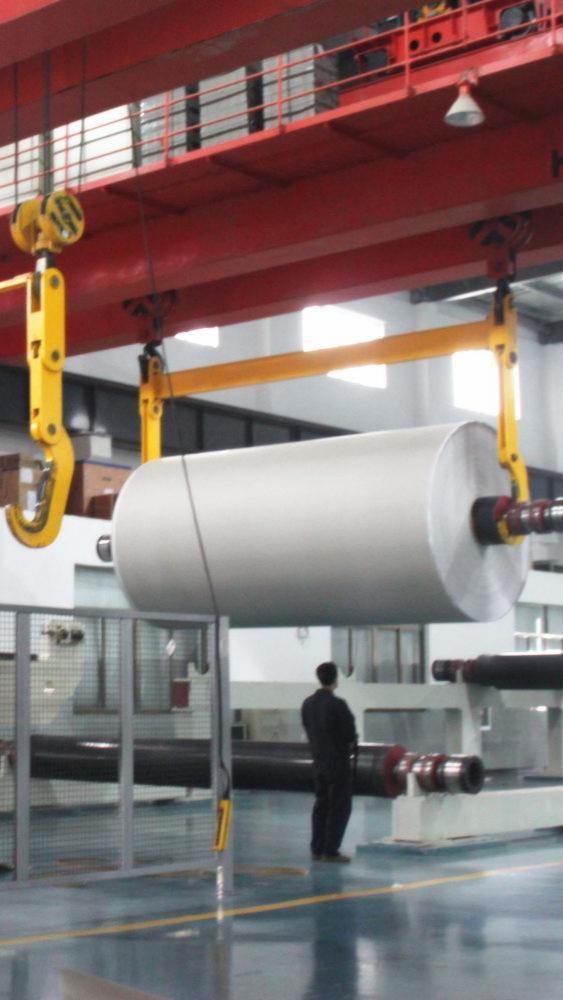
Silicone paper is used in many industries as a sealant, gasket, and insulation material. Aircraft manufacturers use it because it can withstand high temperatures, sunlight, and chemicals. The transportation industry uses it to prevent vibration and seal radiators. Silicone paper is used in the HVAC systems, doors, and windows of large buildings. Food processing machinery and medical devices also use silicone paper to ensure safety and strength.
Siliconised paper saves money. Buying a lot at once costs less, and picking the right weight saves more. You only use it once, so you do not need to clean it. This makes work faster. The world market for silicone paper in factories and businesses is getting bigger. Experts think it will be worth USD 5.8 billion by 2035.
Silicone paper is very useful. It is used for many things, like food packaging, electronics, and clothes. It does not stick, can handle heat, and lasts a long time. This makes it a smart pick for modern factories.
Sure Paper has strong and safe choices for people who want products they can trust.
FAQ
What makes silicone paper different from regular parchment paper?
Silicone paper has a coating that makes it non-stick. Regular parchment paper does not always let food go easily. Silicone paper keeps out grease and handles heat better. This makes it good for baking and packaging.
Can people use silicone paper in the microwave?
Yes, you can use silicone paper in the microwave. It can take high heat and does not make bad chemicals. Always look at the label for special directions.
Is silicone paper safe for food contact?
Silicone paper from trusted brands like Sure Paper is safe for food. It does not change the taste or smell of food. You can use it for baking, steaming, and wrapping food.
How does silicone paper help the environment?
Many silicone papers, like Sure Paper’s, break down in nature. They help cut down on trash. Some kinds can be recycled, but it depends on local rules.
What are common industrial uses for silicone paper?
Factories use silicone paper for stickers, tapes, and labels. It protects surfaces when making or fixing things. Its heat resistance and non-stick surface are useful in many factory jobs.