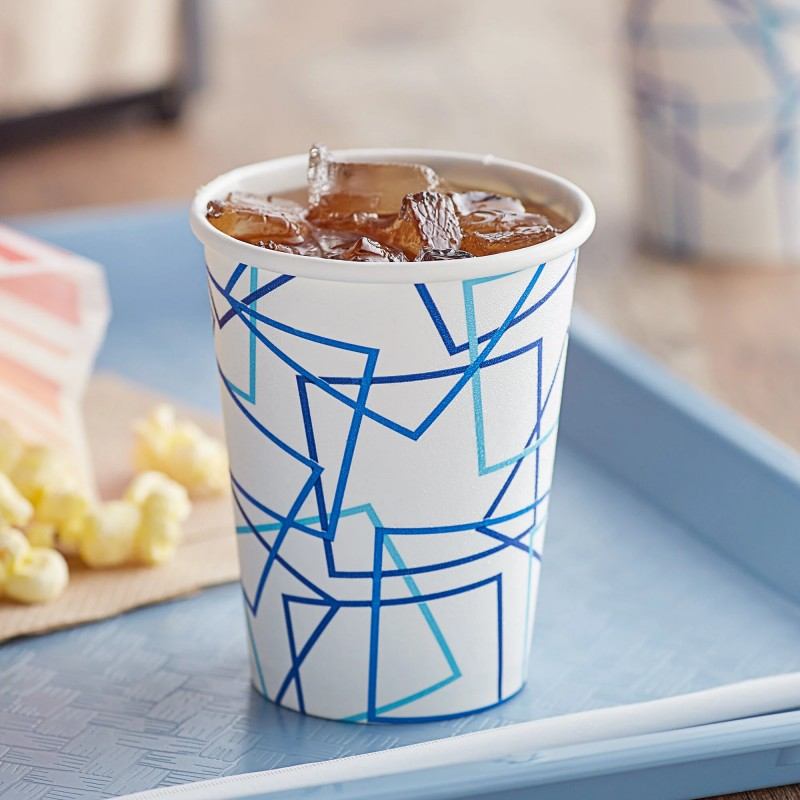
Cupstock paper is the main material for making cups. It gives cups strength and keeps drinks from leaking. It also keeps people safe when they use hot or cold drinks. Every cup must follow strict food rules to protect users. Sure Paper gives cupstock paper that is high quality and good for the environment. Coatings help cups not leak and last longer. Different papers and coatings let cups work for coffee, tea, or ice cream. People trust Sure Paper to give good cups for every need.
Key Takeaways
- Cupstock paper is the main material for paper cups. It gives strength and stops leaks. This keeps drinks safe, both hot and cold.
- Coatings like PE, PLA, and water-based types make cups work better. They stop leaks and help cups last longer. Cups can hold many kinds of drinks.
- Picking the right paper weight and thickness is important. Thicker paper is best for hot drinks. Thinner paper is good for cold drinks.
- Sure Paper has eco-friendly choices. These include biodegradable and compostable papers. These options help the planet and support being green.
- Certifications like FDA and FSC show cupstock paper is safe for food. They also show it comes from good sources. This helps businesses and buyers feel safe.
Cupstock Paper for Paper Cups
What Is Cupstock Paper
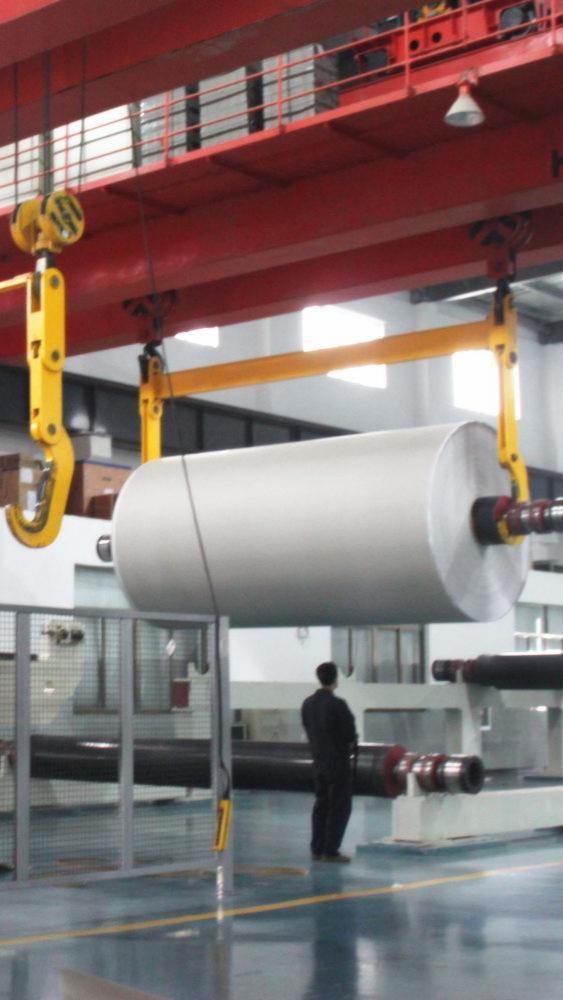
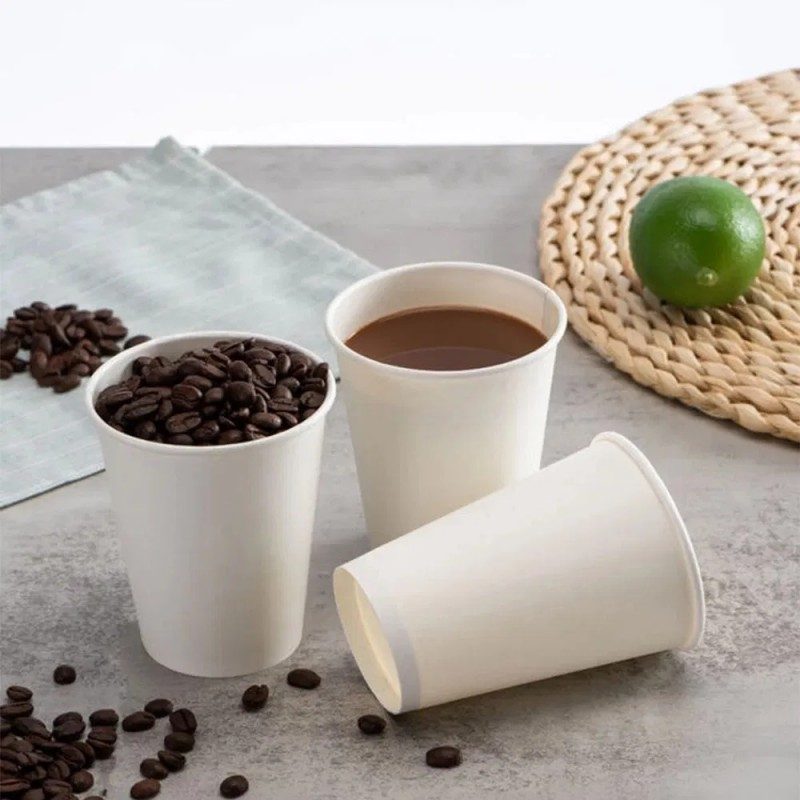
Cupstock paper is specifically designed for making cups. Manufacturers use white cardboard made from chemically processed wood pulp. This material is ideal for food packaging, such as hot and cold drinks. They add coatings like PE, PLA, or water-based coatings to the paper. These coatings prevent water and oil leakage. The smooth surface allows for easy printing of vibrant colors and logos.
Sure Paper uses only 100% virgin wood pulp to produce cupstock paper. This makes the paper strong, durable, and meets food safety standards. The company offers a variety of papers for making cups. Some are uncoated, some are laminated, and some are coated. Each type of paper is suitable for different uses, such as coffee cups, ice cream cups, or soup bowls. Businesses can choose the most suitable paper based on their needs.
Cupstock paper has special physical and chemical properties. These properties make it ideal for making cups. The following table lists important details:
| Property | Description | Typical Range / Notes |
|---|---|---|
| Basis Weight | Mass per unit area of paper | 70–120 gsm (Kraft & SBS common) |
| Thickness (Caliper) | Physical thickness of the sheet | Single-wall: 160–360 µm; Double-wall: 200–640 µm |
| Coating Type | Barrier treatment for liquid resistance | PE, PLA, water-based, or wax |
| Printability | Suitability for high-quality graphics | Excellent – smooth, clay-coated surface for full-color branding |
| Eco-Certifications | Environmental compliance standards | FSC, PEFC, or recycled content labels; compostable options |
Food-Grade Standards for Cupstock Paper
Cupstock paper must meet stringent food-grade standards to ensure people’s safety. Sure Paper uses only 100% pure wood pulp, making its paper clean and safe for direct food contact. They test their paper for chemical migration and heavy metals, with heavy metal content below 100 ppm, thus protecting people from harmful substances.
Key certifications for cupstock paper include:
- FDA compliance for food safety
- ISO 9001 for quality management
- ISO 22000 for food safety management
- BRCGS “AA” certification for global food safety
Manufacturers follow good practices. They check every step to make sure cups are safe and non-toxic. These steps help cups meet food packaging needs.
Types of Paper Used for Making Paper Cups
Virgin vs. Recycled Paper
When making cups, companies pick between virgin paperboard and recycled paperboard. Virgin paperboard is made from new wood pulp. It is strong, smooth, and looks clean. This paper makes cups feel fancy and keeps food safe. Recycled paperboard uses old paper fibers. It helps the planet by cutting down on waste. But, recycled paperboard is not as strong and can look dull.
The table below shows how virgin paperboard and recycled paperboard are different for making cups:
| Aspect | Virgin Paperboard | Recycled Paperboard |
|---|---|---|
| Quality | High strength, smooth, bright | Lower strength, may show specks |
| Food Safety | Excellent, best for direct contact | Used for outer layers or sleeves |
| Environmental Impact | Uses more resources, but can be certified | Reduces landfill waste, eco-friendly |
| Cost | Higher | Lower |
| Supply | Reliable | Depends on recycled supply |
Most of the cups have an inner lining made of virgin cardboard to ensure beverage safety and prevent leaks. The sleeve or outer lining uses recycled cardboard, which doesn’t come into contact with the beverage. Sure Paper uses certified paper to produce high-quality, safe, and environmentally friendly cups.
Kraft, White Cardboard, and Cup Board
Different paper types give cups special features. Kraft paper is very strong and lasts a long time. It is made from new fibers and is brown. Kraft paper does not tear easily and keeps out water. It is great for strong sleeves and eco-friendly brands. White cardboard is smooth and bright. It is perfect for printing logos and designs. This paper is used for fancy cups that need clear pictures.
Cup board is a special paperboard just for cups. It is stiff, strong, and smooth. Cup board works well with heat and water when coated. The table below shows how these papers are different:
| Linerboard Type | Printability | Strength | Cost |
|---|---|---|---|
| Kraft Paper | Good for logos | Very strong | Higher |
| White Cardboard | Best for sharp images | Varies | Varies |
| Cup Board | Smooth for printing | High stiffness | Moderate |
Tip: Kraft paper is best for strong, green sleeves. White cardboard and cup board are good for cups that need great printing and last a long time.
Cups made with the right paper work well and look nice. Sure Paper helps people pick the best kraft paper, white cardboard, or cup board for any cup.
Paper Coating for Making Paper Cups
PE Coated Cupstock Paper
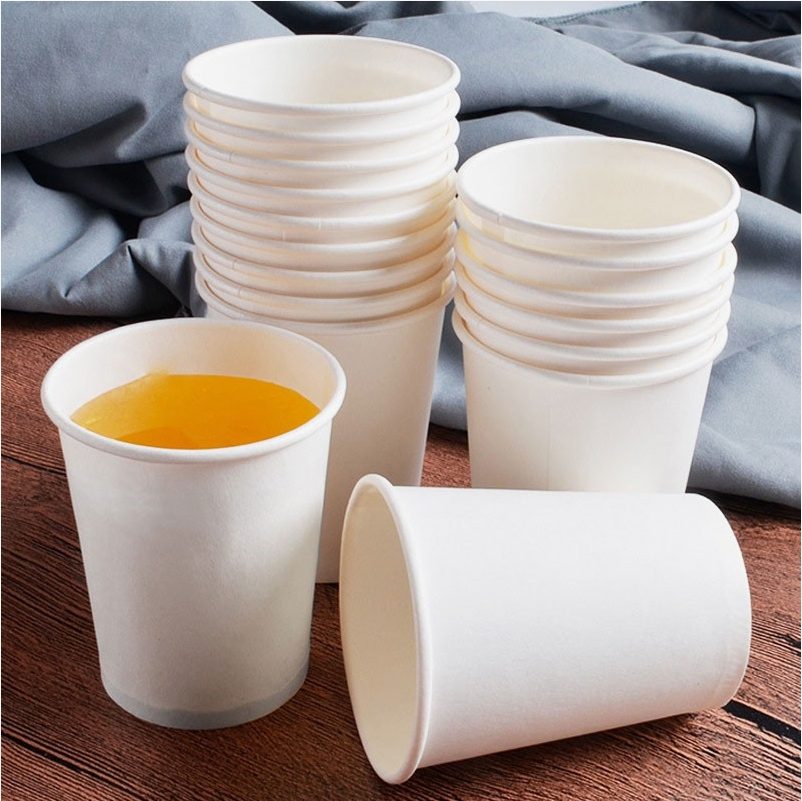
PE coated cupstock paper is suitable for various cup types. It effectively blocks moisture, prevents leaks, and ensures beverages don’t spill. This type of cup is suitable for both hot and cold drinks. The coating also prevents grease stains, making the cup easier to dispose of. PE coated paper can also be heat-sealed, helping to keep food fresh.
Advantages of PE coated paper for cups:
- Light but strong
- Stops water from leaking
- Keeps out grease
- Makes cups last longer
- Great for cold drink cups
- Helps seal cups tightly
PLA Coated Cupstock Paper
PLA coated cupstock paper is made from plant-based materials such as cornstarch. This coating allows the cups to decompose in compost. It helps reduce plastic use and supports environmental goals. PLA coated cupstock paper must pass rigorous composting tests, such as the ASTM D6868 standard. Organizations like CMA and BPI test its compostability. PLA coated cupstock paper is an ideal choice for cups made from environmentally friendly materials.
| Coating Type | Biodegradability | Source Material | Environmental Impact |
|---|---|---|---|
| PLA Coated Paper | Biodegradable in compost centers | Renewable resources | Compostable, cuts plastic waste |
Note: PLA coated paper needs special compost places to break down fully.
Water-based Coated Cupstock Paper
Water-based coated cupstock paper is a plastic-free option for making cups. This coating uses safe materials and won’t alter the taste of your beverage. The water-based coating meets food safety standards and doesn’t release harmful chemicals. It’s easy to recycle and compost. It also helps reduce landfill waste and greenhouse gas emissions. Many companies use water-based coated cupstcok paper to meet stringent environmental regulations.
Benefits of water-based coated paper for cups:
- No plastic and good for the planet
- Works with recycling centers
- Cuts down on plastic trash
- Keeps drinks tasting good and safe
- Water-based coated paper cups can turn into natural matter.
- They help businesses lower their impact on the planet.
Tip: Water-based coated paper is smart for brands wanting green cups.
Picking the right paper for a cup is important. It helps the cup work well and protects the planet. Sure Paper gives cupstock paper that is safe for food. It also helps the environment. When buying a cup, people should think about size and style. They should also look at how well it prints and how strong it is. Health safety, leak-proof features, and the effect on nature also matter.
Brands now want cups with water-based coatings. They also like compostable choices. Sure Paper helps companies pick the best paper and cup for any use.
FAQ
What is cupstock paper used for in paper cup production?
Cupstock paper is the main paper for making cups. It makes cups strong and stops leaks. Manufacturers pick cupstock paper because it is safe for food and works well.
How do coatings improve paper cup production?
Coatings like PE, PLA, and water-based types add a barrier. These coatings stop drinks from leaking out. They also keep water from hurting the cup. Coatings help cups last longer.
Why does paper weight matter in paper cup production?
Paper weight changes how strong and warm a cup is. Thicker paper keeps hot drinks warm and stops bending. Lighter paper is good for cold drinks and small cups.
Are paper cups safe for food and drinks?
Manufacturers check paper cups to make sure they are safe. They use approved materials and follow strict rules. This makes sure cups are safe for drinks and food.
Can paper cups be recycled or composted?
Many paper cups can be recycled or composted. Cups with water-based or PLA coatings break down over time. Some recycling centers take these cups, but it depends on the coating.