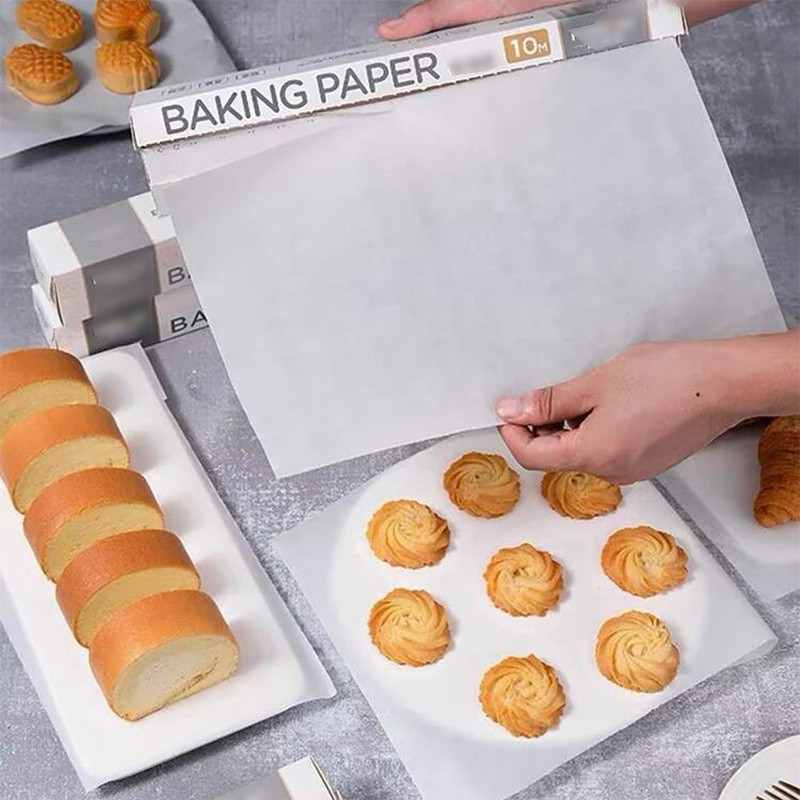
Sandwich paper and parchment paper are used for different things in the kitchen. Sandwich paper is good for wrapping cold foods and sandwiches. Parchment paper can handle high heat when baking. The type of paper you use affects food safety. Some brands put PFAS in parchment paper, and these can get into your food. Silicone-coated parchment paper is safer and does not stick to food. It has low levels of PFAS. Uncoated parchment paper does not let out harmful chemicals and is good for storing food.
Key Takeaways
- Sandwich paper is perfect for wrapping cold foods and snacks, helping to keep food fresh and easy to handle.
- Baking paper is heat-resistant, making it ideal for baking and roasting foods without them sticking.
- For safer cooking, silicone-coated baking paper is recommended as it contains fewer harmful chemicals.
- For oily foods, use greaseproof or waxed paper to prevent oil seepage and keep things clean.
- Always choose the right paper based on your cooking needs; this helps ensure food safety and quality.
What Is Sandwich Paper?
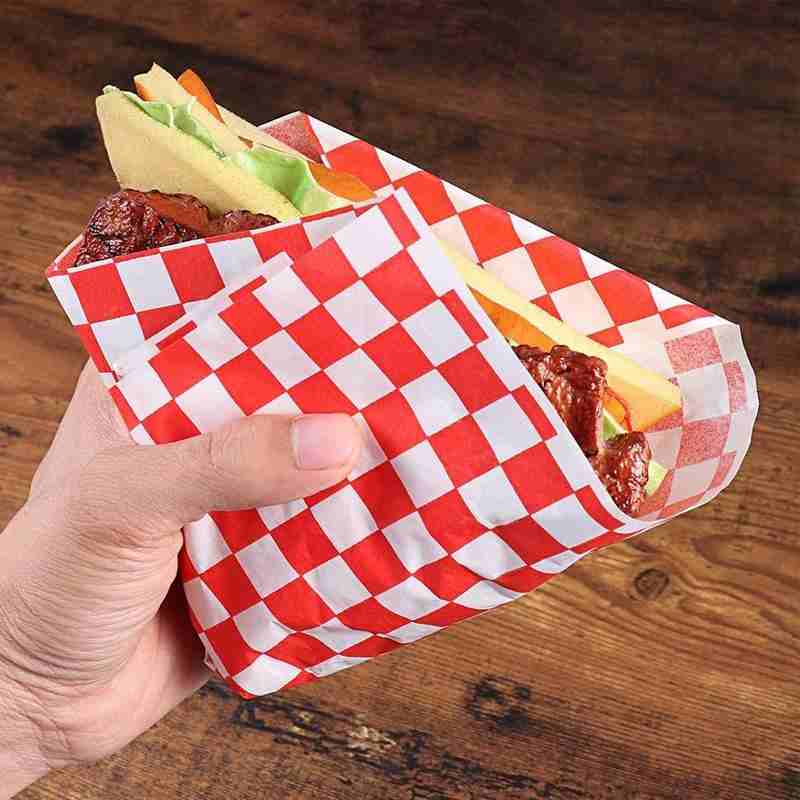
The material and properties of sandwich paper
Sandwich papers are used to wrap and protect food. Different companies use different materials to produce sandwich wrappers, each with its own unique properties.
Waxed paper effectively blocks grease and water. Oil-proof paper blocks grease, making it ideal for storing oily foods. Some sandwich paper uses parchment, which is heat-resistant and can block small amounts of grease. Cellophane is smooth and glossy, preventing grease from seeping through.
Tip: Pick the right material to keep food fresh and stop leaks.
Common uses of sandwich paper
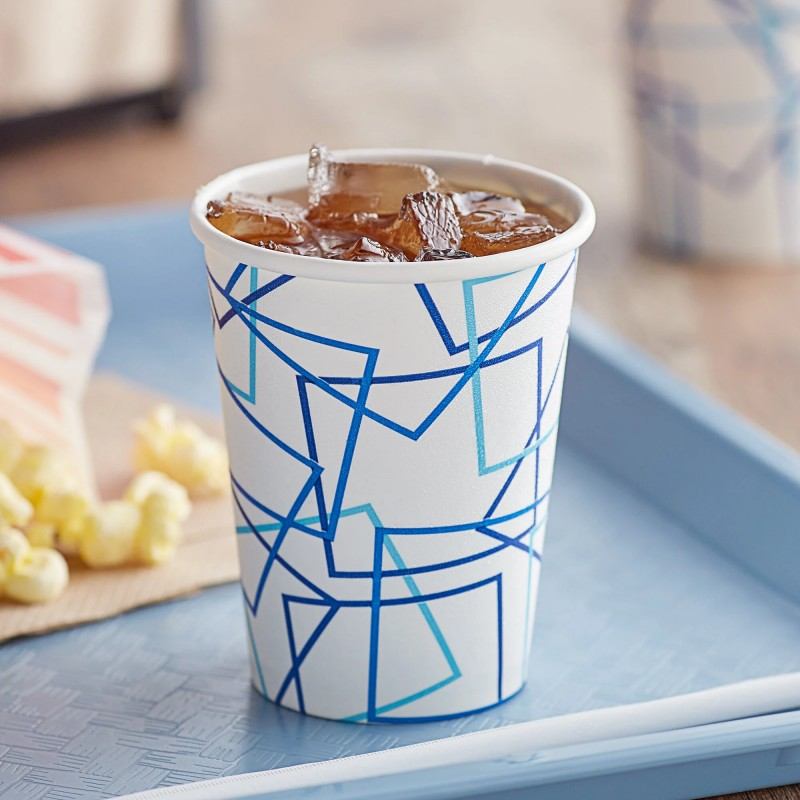
Sandwich paper is used in homes and restaurants. It’s used to wrap sandwiches, hamburgers, and baked goods. Deli shops use greaseproof or waxed paper to wrap meats, cheeses, and vegetables. Fast food restaurants use sandwich paper with large printed designs, which improves efficiency and showcases the brand. Bakeries use this paper to wrap paninis and other foods to prevent grease from seeping in and to make the food look more appealing. Burger shops use greaseproof printed paper to keep things clean and make the burgers look more attractive.
Sandwich wrappers are both safe and convenient for handling. People like sandwich wrappers because they are easy to use and ensure food safety during storage and transport.
What Is Parchment Paper?
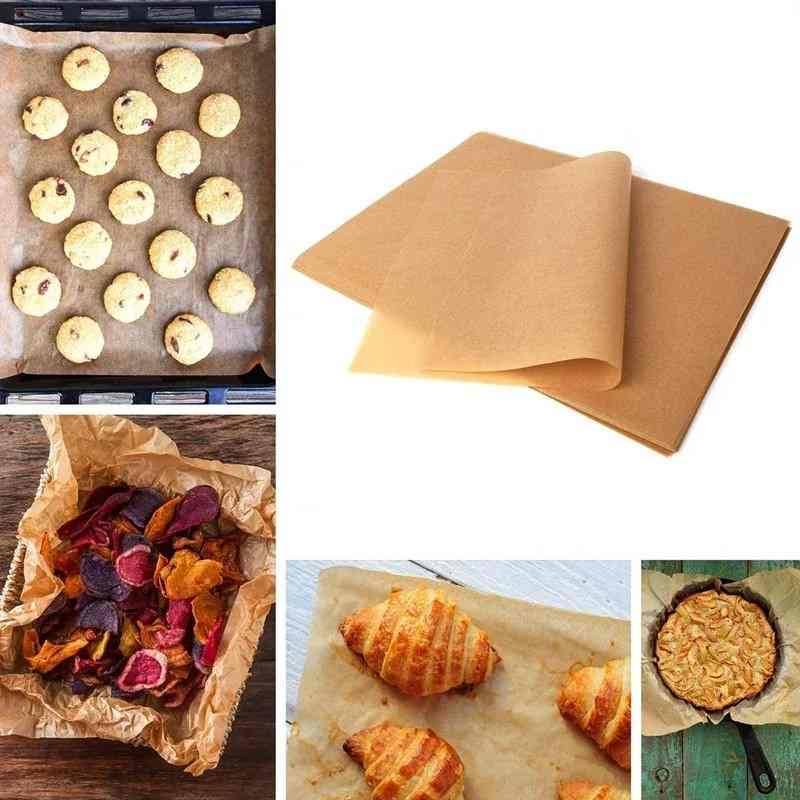
The material and properties of Parchment paper
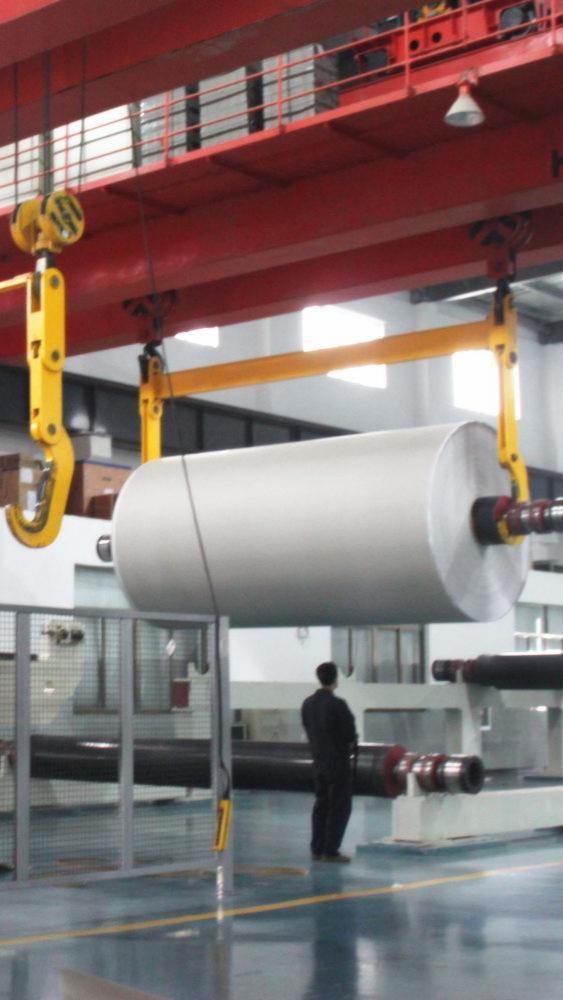
Parchment paper is made for cooking and baking. Companies make it by turning wood into pulp. Then, they soak the paper in acid. This makes the paper strong and smooth. After drying, a silicone coating is added. The silicone keeps food from sticking. It also lets the paper go in the oven. The silicone helps the paper handle high heat. It will not burn or fall apart.
There are two main kinds of parchment paper:
- Bleached parchment paper is white because of chemicals.
- Unbleached parchment paper is brown and better for the earth.
Both types have a silicone coating. They work the same way in the kitchen. Sure Paper’s parchment paper is a top choice. It can take heat up to 230°C. This makes it great for baking, roasting, and steaming. The paper is made from pure wood pulp. It is safe to touch food.
Note: The silicone coating stops food from sticking. It also keeps the paper strong when wet or greasy.
Common uses of Parchment paper
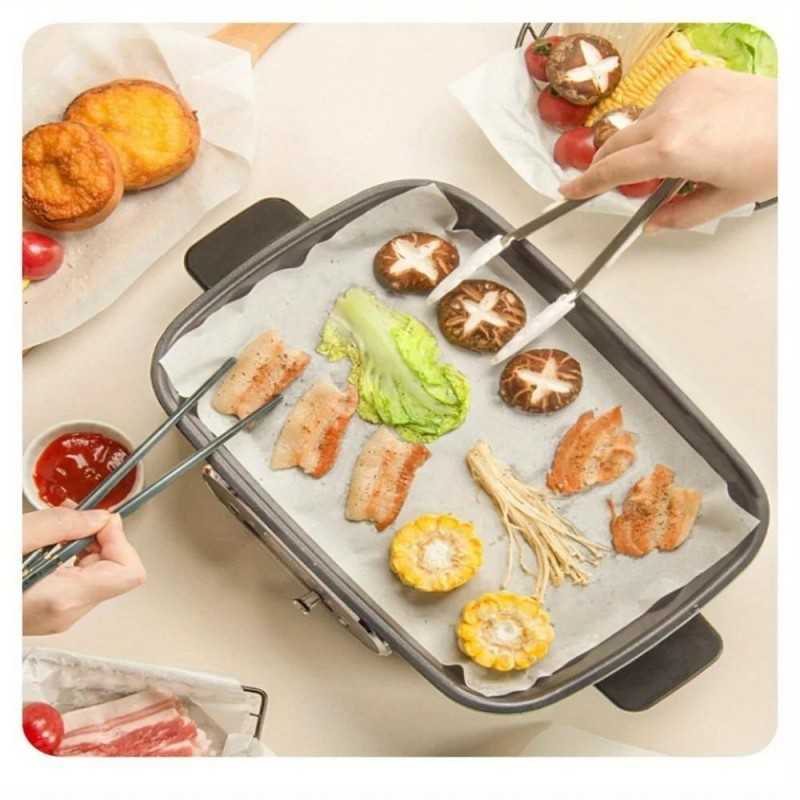
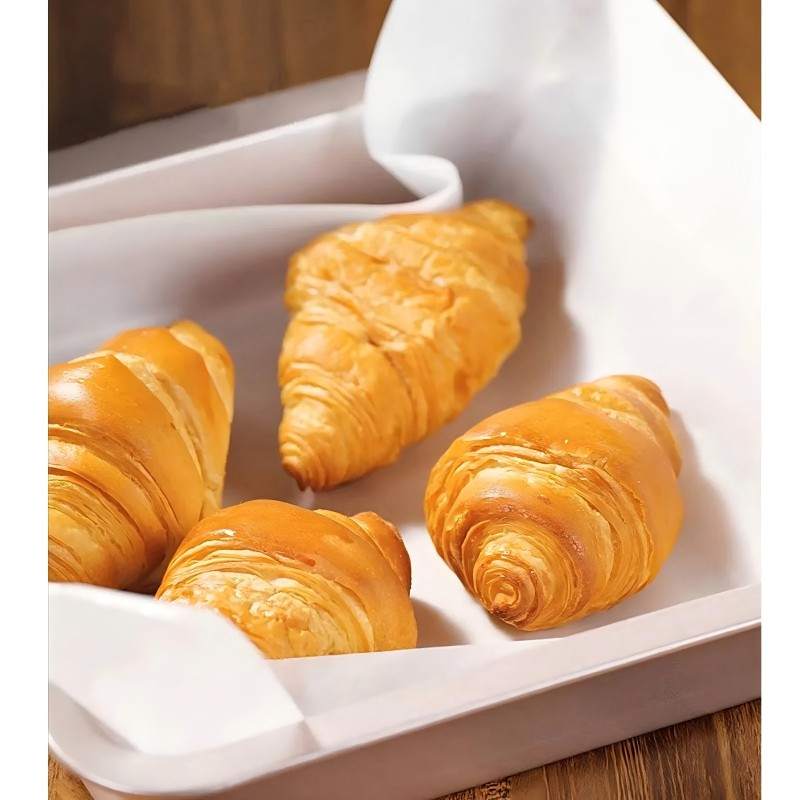
Parchment paper has many uses in the kitchen. It’s used to line baking pans and cake molds to prevent food from sticking and to make cleaning easier. It’s perfect for baking cookies, shortbread, and scones. Cakes baked on parchment paper are also easy to remove from their molds. Bakers also use it to remove brownies and bar pastries.
Other uses are:
- Wrapping fish or veggies before cooking to keep them moist.
- Lining trays when roasting meat or veggies.
- Covering counters to keep them clean during food prep.
- Separating layers of pastry, cheese, or meat.
Sure Paper’s parchment paper is liked because it is strong and safe for food. It does not let grease through. Its non-stick surface is good for baking and roasting. It is oven safe and works well every time.
The main differences between sandwich paper and parchment paper
Difference in heat resistance
Baking paper, also known as parchment paper, is commonly used for baking vegetables and lining brownie pans. Parchment paper has a silicone coating, allowing it to withstand oven temperatures up to 230°C. Sandwich paper, on the other hand, is not heat-resistant and should not be used in ovens or microwaves.
The table below shows how much heat each paper can take:
| Paper Type | Heat Resistance (°C) | Uses |
|---|---|---|
| Parchment Paper | 220-230 | Baking, roasting, steaming |
| Sandwich Paper | N/A | N/A |
Performance in wrapping and storage
Sandwich paper is best for wrapping food and storing it for a short time. It wraps sandwiches, deli meats, and snacks. This keeps food fresh and easy to hold. The wax or poly coating stops grease and water. This makes sandwich paper good for packing hot or greasy foods. Parchment paper has a silicone coating. It keeps in moisture and blocks grease very well. It wraps fried foods and baked goods that have oil. This keeps food clean and apart from each other.
The table below compares how each paper works for wrapping and storage:
| Feature | Sandwich Paper | Parchment Paper |
|---|---|---|
| Primary Function | Wrapping, serving, temporary storage | Baking, roasting, non-stick cooking |
| Heat Resistance | Very low | Very high; oven safe up to 232°C |
| Key Coating | Wax or poly | Silicone |
| Texture/Feel | Flexible, slightly waxy | Smooth, tear-resistant |
| Breathability | Moderate | Minimal; traps moisture |
| Ideal For | Sandwiches, deli wraps, snack wraps | Cookies, roasted vegetables, cakes |
| Cleanup | Keeps hands clean | Makes cleanup effortless |
| Durability | Good for short-term use | Durable in high heat |
Parchment paper works for both hot and cold foods. Sandwich paper is great for wrapping snacks and deli foods. Both papers stop grease, but parchment paper keeps in more moisture when cooking or baking.
Choosing the Right Paper
For Baking and Cooking
When cooking or baking, you need the right paper. Think about how high your oven temperature is and what you’re cooking. Parchment paper is best suited for high-temperature environments and can be used in the oven. It’s suitable for baking cookies and roasting vegetables, and also for lining cake molds. Its silicone coating makes it non-stick, making it easy to remove food from the molds.
Tip: Always pick parchment paper for baking or roasting at high heat.
For Food Wrapping
When packaging food, you definitely want it to stay fresh and be easy to handle. Thin, flexible sandwich paper is perfect for packaging sandwiches and snacks, and also suitable for cooked foods. Its oil-resistant or waxy coating prevents grease from seeping in, keeping food fresh and preventing it from getting damp. Sandwich paper also effectively blocks bacteria.
- Sandwich paper is best for:
- Wrapping sandwiches to keep them soft
- Packing snacks for school or work
- Stopping grease from spreading to other foods
Parchment paper can wrap food too. It is good for oily or baked foods. It keeps moisture in and keeps food apart. Both papers come in eco-friendly types. Sure Paper sells biodegradable and compostable paper. They also have recyclable choices. These help the planet and support green living. You can get different sizes and packaging to fit your needs.
Note: Try to use eco-friendly paper to help the earth.
FAQ
Can wax paper go in the oven like parchment paper?
Wax paper cannot handle high heat. The wax coating melts and sticks to food. People use wax paper for wrapping sandwiches or snacks. Parchment paper works in the oven. Wax paper is not safe for baking.
When should someone use greaseproof paper instead of wax paper?
Greaseproof paper blocks oil and moisture. Wax paper stops grease but cannot handle heat. People use greaseproof paper for oily foods like fried snacks. Wax paper works for cold sandwiches and snacks. Greaseproof paper protects food better in greasy situations.
What foods are best wrapped with wax paper?
Wax paper wraps sandwiches, snacks, and baked treats. It keeps food fresh and blocks grease. People use wax paper for cold foods. Wax paper works well for deli paper applications. It does not work for hot foods or baking.
Does greaseproof paper work for storing oily foods?
Greaseproof paper blocks oil and moisture. It keeps oily foods like fried snacks fresh. People use greaseproof paper for deli paper wraps. Greaseproof paper protects food from leaks and keeps storage areas clean.
How do people use deli paper in bakeries?
Bakeries use deli paper to wrap pastries, cookies, and sandwiches. Deli paper keeps baked goods neat and easy to serve. It blocks grease and moisture. Deli paper helps food stay fresh. Greaseproof paper also works for bakery items.