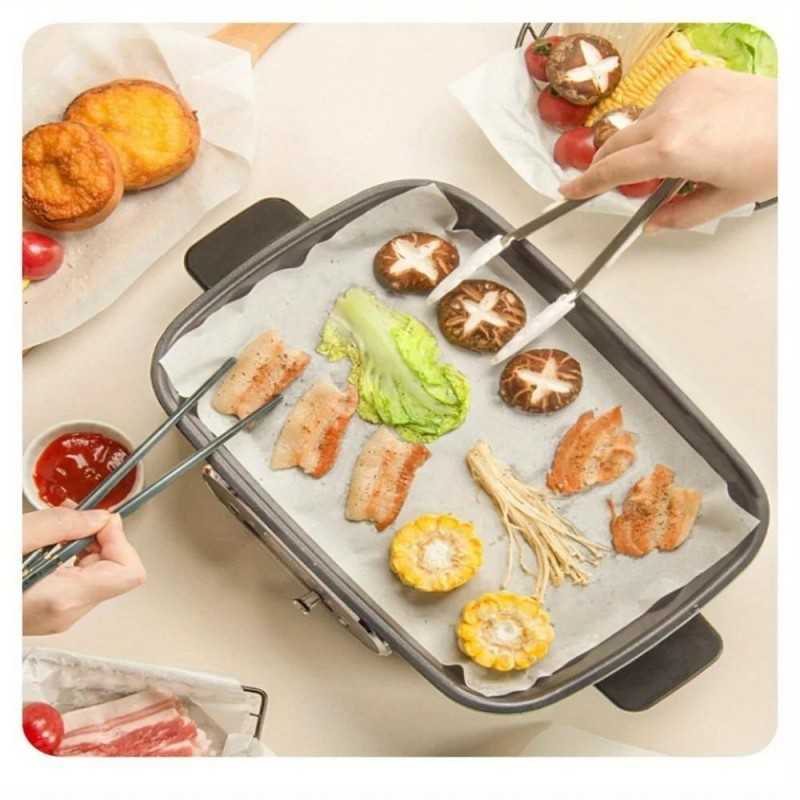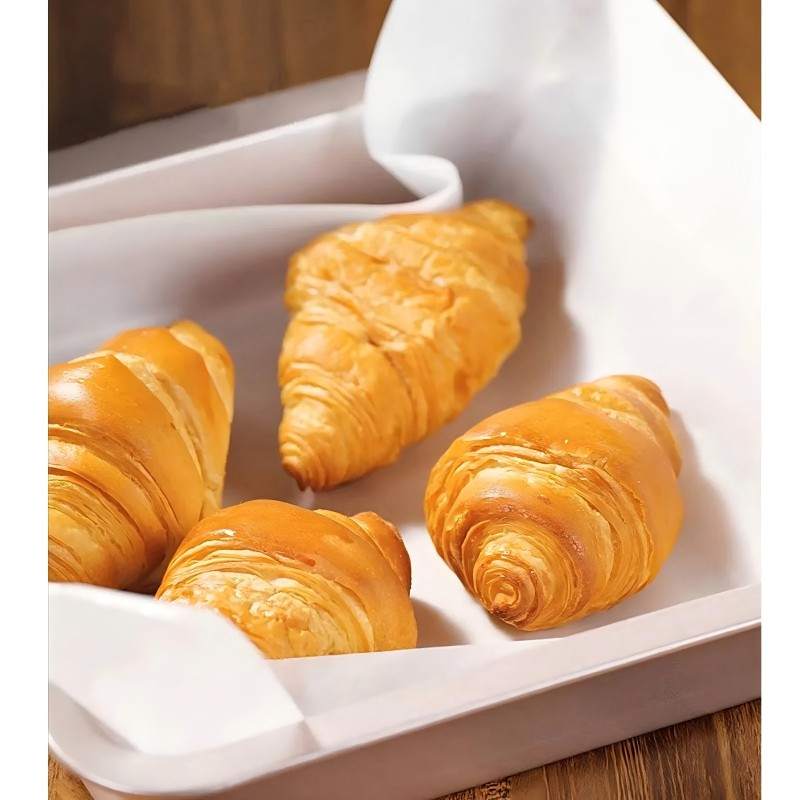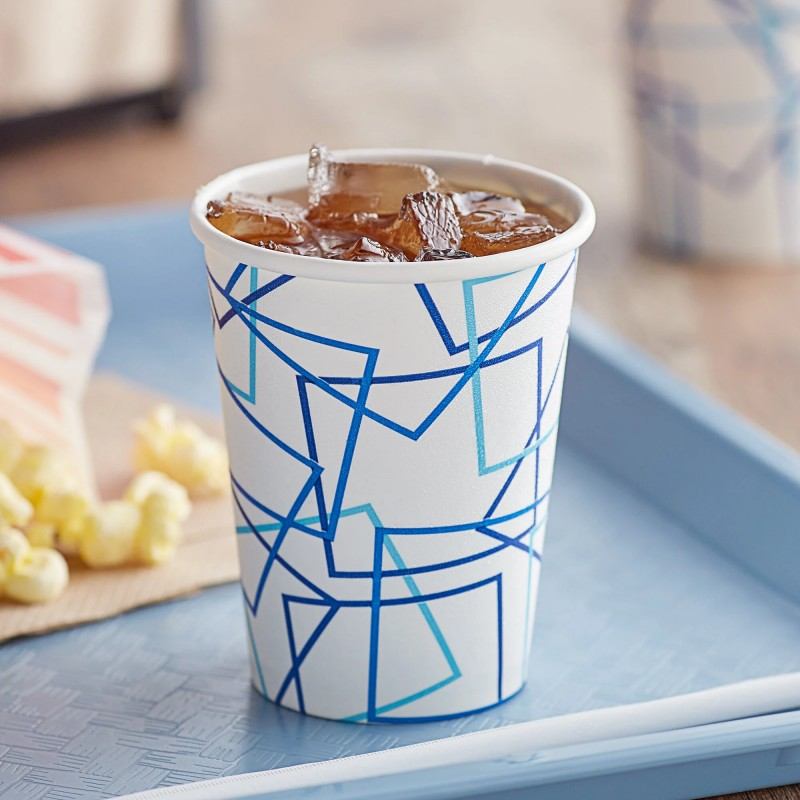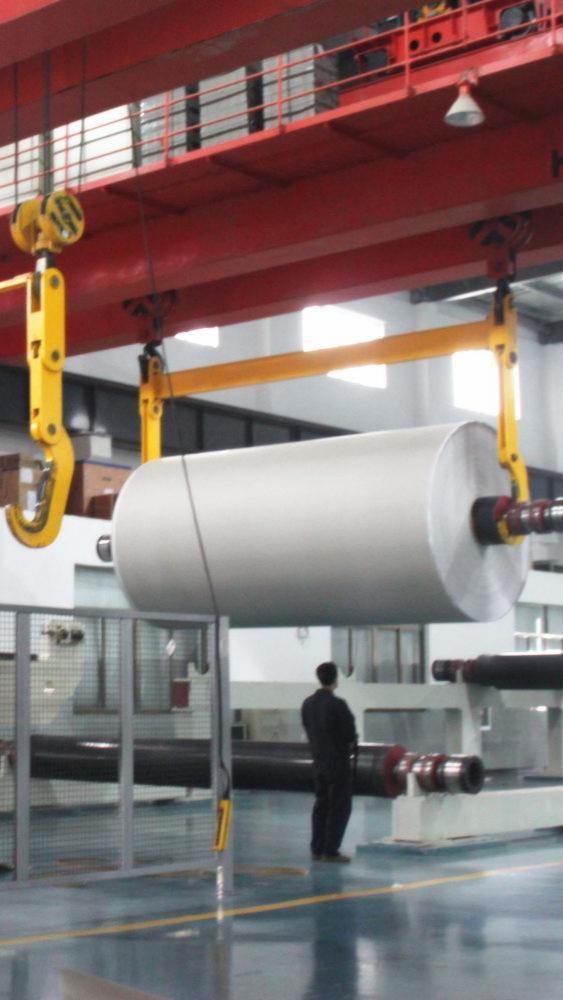
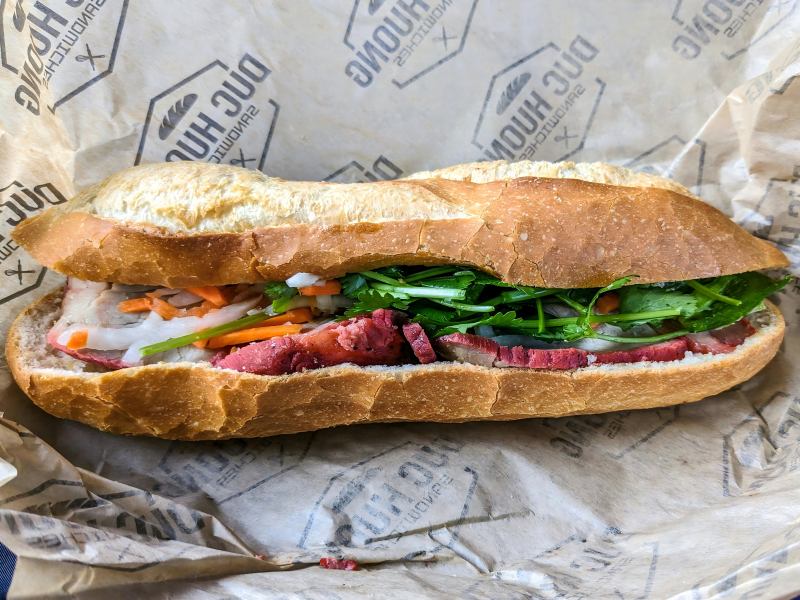
Parchment paper is a good option for wrapping sandwiches. Some people use wax paper, but parchment paper has special advantages. It is strong and does not tear easily. It keeps out water and oil. It can handle heat without breaking down. Parchment paper comes from cotton or wood pulp. This makes it safe and good for the environment. These features help keep food fresh and stop it from sticking.
- Strong
- Keeps out water and oil
- Handles heat well
- Safe and eco-friendly
Key Takeaways
- Parchment paper is tough and can handle heat. It keeps sandwiches fresh and does not tear or stick. It stops grease and moisture from getting through. This helps sandwiches stay clean and not get soggy.
- Parchment paper is safe for food and good for the environment. It breaks down on its own and does not use bad chemicals. It works for hot and cold sandwiches. It is simple to fold and wrap tightly.
- Parchment paper is better than wax paper and foil. It does not stick and can handle heat well. This makes it a favorite for many kinds of sandwiches.
Reasons for Choosing Parchment Paper
The Main Advantages of Parchment
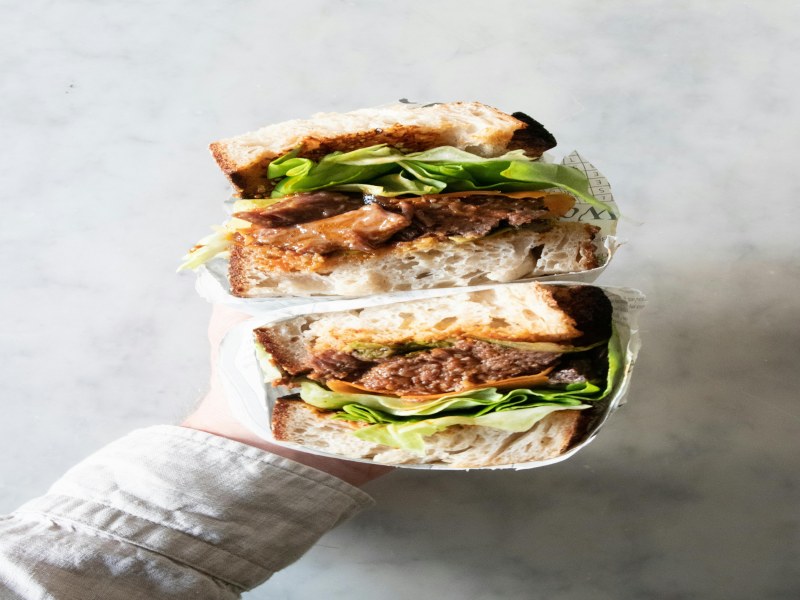
Parchment paper is a common choice for wrapping sandwiches. Many cooking enthusiasts use it because it works well. Sandwiches wrapped in parchment paper stay fresh longer. It helps maintain the sandwich’s shape and contributes to improved texture. Furthermore, parchment paper is versatile and suitable for both hot and cold sandwiches.
Sandwiches wrapped in parchment paper look tidy and taste great. The paper keeps the filling inside and stops the bread from getting wet.
The table below shows why parchment paper is a good choice for wrapping sandwiches:
| Feature | Description |
|---|---|
| Non-Stick Surface | Stops food from sticking, so sandwiches are not messy. |
| Heat Resistance | Handles heat up to 450°F, so it works for cooking. |
| Safe and Non-Toxic | Has no bad chemicals, so it is safe for food. |
| Eco-Friendly | Many types break down naturally, so it is good for the planet. |
Non-Stick and Grease Resistance
The parchment paper has a specially treated surface to prevent food from sticking. A thin layer of silicone further enhances its non-stick properties, keeping the sandwich looking nice and easy to handle. It peels off easily when opened, leaving the sandwich clean and undamaged, preserving the original appearance of the ingredients and making the eating process neat and efficient.
Parchment paper has excellent oil resistance. Wrapping sandwiches with it can block the oil from the sauce and filling, preventing the outer crust from being greasy and keeping your hands clean.
Sure Paper’s silicone coated parchment paper gives good grease resistance and a smooth surface. Sandwiches wrapped in this paper stay fresh and do not stick.
Eco-Friendly and Safe Options
Parchment paper is safe and good for the environment. Makers use pure wood pulp that meets food safety rules. The paper does not have harmful chemicals and follows strict regulations. These rules make sure the paper is safe for food and does not pass bad stuff to sandwiches.
Replacing plastic wrap with biodegradable parchment paper helps protect the planet. This paper decomposes on its own, leaving no harmful substances. Many types of parchment are recyclable, further protecting the environment. Parchment requires fewer resources and produces less pollution. It is also free of bisphenol A (BPA), making it safer for both humans and the environment.
Parchment paper also helps stop food waste in kitchens. It keeps sandwiches fresh and stops them from getting soggy, so fewer sandwiches are thrown away. It helps keep portion sizes the same and supports green goals.
How to Wrap Sandwiches with Parchment Paper
Wrapping Flat Sandwiches
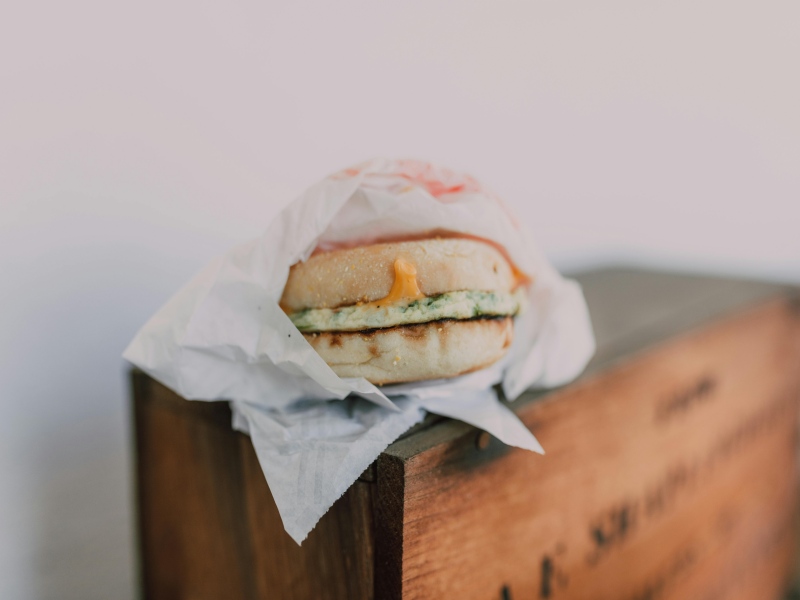
Flat sandwiches like grilled cheese sandwiches or peanut butter and jam sandwiches need to be properly wrapped to stay fresh. Take a roll or pack of parchment paper and cut it into a rectangle. Place the sandwich in the center of the paper, right side out. Fold the top and bottom edges inwards to cover the sandwich. Fold down about 1.2 cm (half an inch) and press firmly until the fold is flat and adheres to the sandwich. Fold the sides inwards to form triangles, then fold them under the sandwich. This will keep the sandwich neat and prevent the filling from leaking out.
Tip: If you crumple the parchment paper first, it folds and shapes around the sandwich more easily.
Wrap a Large Sandwich
When wrapping large sandwiches in parchment paper, keep the following points in mind: First, choose a sufficiently large sheet of paper to ensure it completely covers the sandwich with enough overlap to prevent it from unraveling. Second, it’s recommended to crumple the paper before unfolding it to make it softer and more conformable to the sandwich’s irregular shape. Use a “candy-like” wrapping technique, folding the sides towards the center and twisting or pressing the ends firmly to maintain the shape. Additionally, large sandwiches often have generous fillings and sauces, and ordinary parchment paper has limited water resistance. If there is significant moisture, consider using an inner layer of greaseproof paper and an outer layer of aluminum foil for double protection against leakage. Finally, use moderate pressure when crumpling to avoid damaging the paper and affecting its greaseproofing effect.
Step-by-Step Packaging Guide for Regular Sandwiches
Here are steps for wrapping a sandwich well:
- Pick the right size of parchment paper for your sandwich.
- Put the sandwich in the middle of the paper.
- Fold the top and bottom edges over the sandwich and press tight.
- Tuck in the sides to make pleats, then fold them under the sandwich.
- For subs, roll the sandwich tight and twist the ends to close it.
Is Parchment Paper the Best Sandwich Wrapper?
Comparing to Wax Paper and Foil
People often wonder which material works best for wrapping a sandwich. Each wrapper has unique features that affect freshness, softness, and reheating. The table below shows how wax paper, parchment paper, and aluminum foil compare for keeping sandwiches fresh:
| Type of Paper | Freshness Retention Characteristics |
|---|---|
| Wax Paper | Protects against air, preventing sandwiches from drying out and maintaining freshness. |
| Parchment Paper | Primarily used for baking and cooking; not specifically designed for sandwich freshness retention. |
| Aluminum Foil | Excellent heat retention and insulation; helps keep food warm and prevents moisture loss. |
Wax paper keeps air out and helps sandwiches stay soft and moist. Parchment paper works well for baking and cooking because it resists heat and grease. Aluminum foil traps heat and keeps sandwiches warm, but it does not let air move through. This can make bread sweat and become soggy.
Plastic wrap also appears in many kitchens. It seals tightly and keeps air out, which helps sandwiches stay fresh. However, it does not allow any airflow, so moisture can build up inside.
When to Use Each Wrapper
Choosing the best sandwich wrapper depends on the type of sandwich and how it will be stored or served. Here are some tips for when to use each type:
- Wax paper works best for sandwiches that need moisture control and breathability. It allows some air to pass through, which helps prevent sogginess. People often use wax paper for greasy or moist foods.
- Foil is a good choice for hot sandwiches. It keeps heat inside and helps the sandwich stay warm. However, foil does not let air move, so it can cause bread to sweat.
- Parchment paper offers a non-stick and heat-resistant surface. It works well for sandwiches that need to be baked or reheated. It also helps keep sandwiches neat and easy to handle, but it does not control moisture as well as wax paper.
Tip: For cold sandwiches that will be eaten soon, wax paper or parchment paper both work well. For hot sandwiches or those that need to stay warm, foil is the better choice.
People often choose parchment paper because it is non-stick and heat-resistant. It keeps sandwiches neat and prevents them from sticking together. Many cafes and delicatessens use parchment paper because it looks clean, tidy, and professional.
FAQ
Can you put parchment paper in the oven to heat sandwiches?
Yes. Parchment paper is heat-resistant (usually up to 220°C), making it suitable for heating sandwiches in an oven or air fryer. However, be careful not to expose it directly to open flames or exceed its temperature limit, otherwise the paper will become brittle or even burn.
What is the purpose of crumpling the parchment paper before wrapping a sandwich?
Crumping makes the originally stiff parchment paper softer and more flexible, making it easier to fit the irregular shape of the sandwich. It also helps prevent it from springing back during wrapping, resulting in better shaping. However, the crumpling pressure should be moderate to avoid damaging the paper and affecting its oil-repellent properties.
Is parchment paper suitable for wrapping all types of sandwiches?
Parchment paper is suitable for most cold and hot pressed sandwiches, offering good oil and stick resistance. However, for sandwiches with high moisture content (such as those containing a lot of lettuce, tomato, or thin sauce), ordinary parchment paper has limited water resistance. It is recommended to use it in conjunction with aluminum foil to prevent the bread from becoming damp and soft.
Can parchment paper be reused?
Reusing parchment paper is generally not recommended. After one use, the surface may retain oil stains, sauces, or become wrinkled and deformed, reducing its non-stick and oil-repellent properties. Occasionally, it can be reused briefly if only used for wrapping cold sandwiches and the paper is kept clean, but repeated use may affect food safety and wrapping effectiveness.