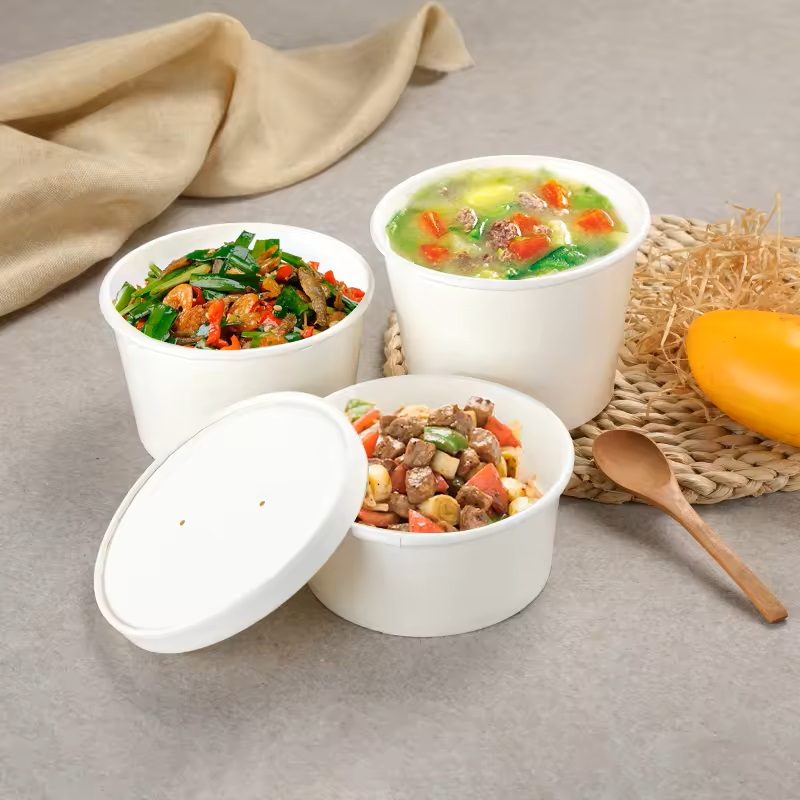
PE coated paper is not completely biodegradable. Although the paper substrate is biodegradable, the polyethylene (PE) used as the coating is derived from petroleum-based materials, which are not easily degraded in the natural environment, and the recycling process is also relatively complicated.
Key Takeaways
- PE coated paper does not break down because it has a plastic layer. This plastic can stay in landfills for many years.
- It is hard to recycle PE coated paper. Most recycling centers cannot take off the plastic from the paper.
- You cannot compost PE coated paper. The polyethylene layer does not break down like paper does.
- You can try other choices like water-based coatings or PLA coated paper. These are better for the environment and easier to recycle.
- Picking greener packaging helps make less waste. It also helps keep the planet healthy.
Biodegradability of PE coated paper
Biodegradable Definition
Biodegradable materials break down into natural components such as carbon dioxide, water, and biomass. Tiny organisms like bacteria and fungi help decompose them. Scientists test the rate at which materials decompose under specific conditions. Paper is made from wood pulp, which is natural and biodegradable. When paper gets damp and comes into contact with air and microorganisms, it begins to decompose. The rate of decomposition depends on the environment in which the paper is placed. Paper decomposes faster in compost than in a dry landfill.
In the packaging industry, biodegradable items return to nature without leaving any harmful substances. This helps protect the planet and reduces the amount of waste in landfills.
Biodegradability is important for recycling and how packaging affects the earth.
PE Layer Impact
PE-coated paper has a thin layer of polyethylene (PE) coated on its surface to enhance its strength and waterproof it. This PE layer is typically made of low-density polyethylene (LDPE), which is derived from petroleum. This plastic coating helps keep food fresh and prevents leakage. However, it also alters how the paper degrades in the natural environment.
The table below explains why PE coatings are not easily degraded:
| Property | Description |
|---|---|
| Chemical Structure | PE has a C–C backbone with straight carbon atoms, so it is hard to break apart. |
| Bond Stability | Strong C–C and C–H bonds make PE last a long time outside. |
| Hydrophobicity | PE pushes away water, so tiny living things cannot break it down easily. |
| Crystallinity | High crystallinity makes it even harder to break down. |
| Molecular Weight | Big molecules make PE tough and last longer. |
| Degradation Time | PE can take many years or even hundreds of years to break down in dirt or landfills. |
PE coated paper cannot completely degrade in the natural environment. While the paper itself can decompose under suitable conditions, the PE coating persists for a long time. A Google search shows that PE in soil can remain unchanged for years. Therefore, PE-coated paper cannot be considered biodegradable. Furthermore, the need to remove the plastic coating first increases the difficulty of recycling PE-coated paper. Those who care about the planet generally prefer other materials that are easier to degrade.
Environmental impact of PE coated paper
Recycling Challenges
PE coated paper is difficult for recycling centers to handle. This plastic coating makes it significantly different from regular paper. Most recycling stations lack machines to remove the polyethylene coating. Therefore, many recycling centers do not accept PE-coated paper and instead send it to landfills as non-recyclable waste. This plastic coating mixes with other paper, reducing the quality of the recycled product.
If a recycling center has the right machines, it can recycle PE coated paper. Rules in each place also matter. In the United States and Europe, only 35% of PE coated paper was recycled in 2022. Experts think this will go up to 40% by 2025.
Composting Limitations
PE coated paper cannot be composted, not even in large composting facilities. This polyethylene coating does not decompose as easily as paper fibers. It can remain in landfills for hundreds of years and may release harmful chemicals into the environment. Plastic in compost can also cause harm if ingested by animals.
PE coated paper stays in landfills for a long time. This adds more waste and plastic pollution. People who care about the planet want packaging that is easier to recycle and better for nature.
Other alternatives to PE coated paper
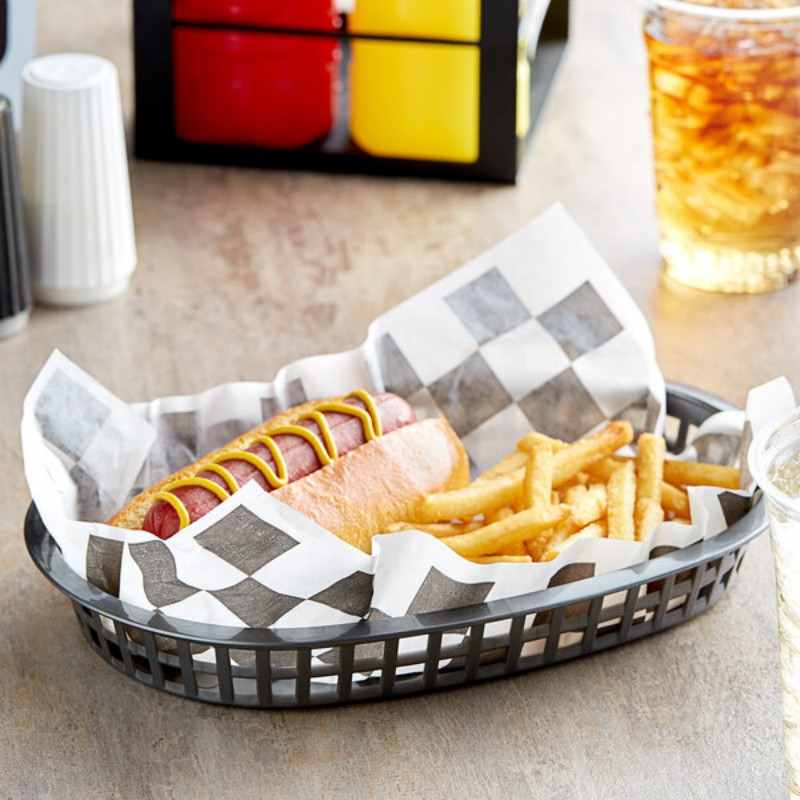
Many companies want to use new materials instead of pe coated paper. These new choices try to keep food safe and help the earth. The table below lists some common choices, their good points, and their problems:
| Alternative | Benefits | Challenges |
|---|---|---|
| Polylactic Acid (PLA) | Compostable, reduces fossil fuel reliance, moisture and grease resistant | Requires industrial composting, limited recycling compatibility, higher cost |
| Water-Based Barrier Coating | 100% plastic-free, biodegradable, compostable, lower environmental footprint | Higher production cost, limited market availability |
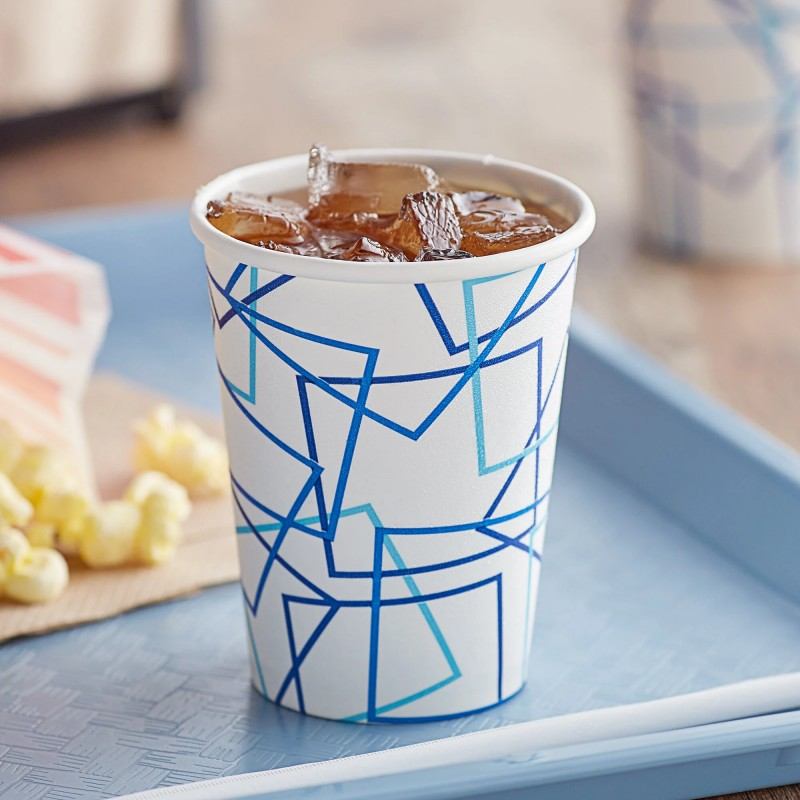
| Wax Coating | Biodegradable, compostable, ideal for cold beverages | Not suitable for hot beverages, can alter taste |
Water-based Coatings paper
Many people choose water-based paints to reduce pollution and protect the planet. Because water-based paints use substances that mix with water, they effectively prevent the penetration of water and oils. Since they are plastic-free, they can degrade naturally. Globally, over 60% of people want to use green packaging. Young people are particularly fond of these products. However, water-based coated paper is more expensive and not always readily available.
Water-based coatings are easier to recycle and help companies be greener.
PLA coated paper
PLA-coated paper has a coating made from plants such as corn or sugarcane. PLA stands for polylactic acid, and this coating can decompose in specialized composting facilities. Furthermore, PLA-coated paper does not use petroleum-based plastics, thus helping to reduce pollution. However, PLA-coated paper is more expensive than PE-coated paper, but the price may decrease if the purchase volume increases.
Wax Coated Paper
Wax coated paper has a thin wax layer to block water and grease. Most wax comes from plants or oil. Wax coated paper breaks down in dirt much faster than pe coated paper. It works best for cold foods and drinks. Some waxes do not break down in compost, so people should check the label. Wax coated paper is safe for food and does not give off bad stuff. It may not last as long as other coatings, but it is a good choice for short use.
More people now pay extra for packaging that helps the earth and is easier to recycle.
Scientists have found that pe coated paper is not biodegradable. The plastic coating stays in nature for a long time. Most recycling centers cannot handle this kind of paper. People should try to use special recycling programs if they can. Sure Paper’s product follows the rules for the industry. But companies can help the earth by using other coatings like water-based or PLA.
FAQ
What is PE coated paper used for?
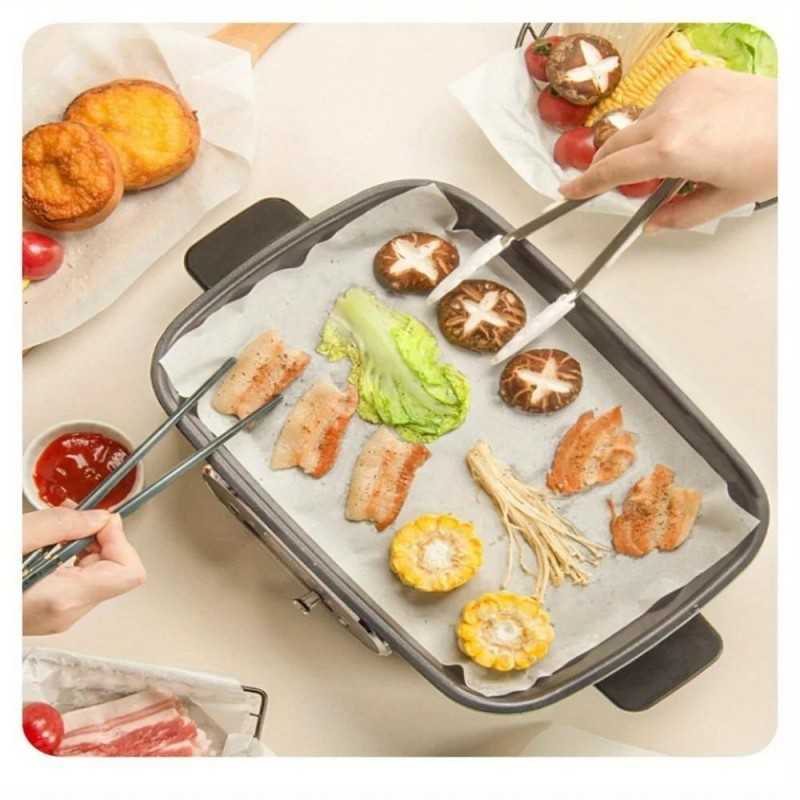
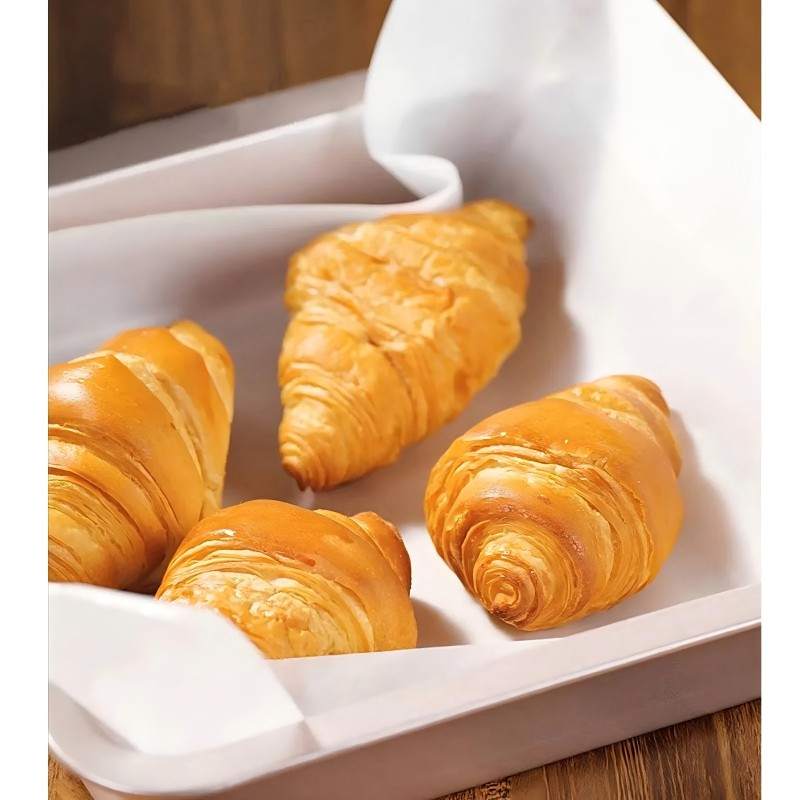
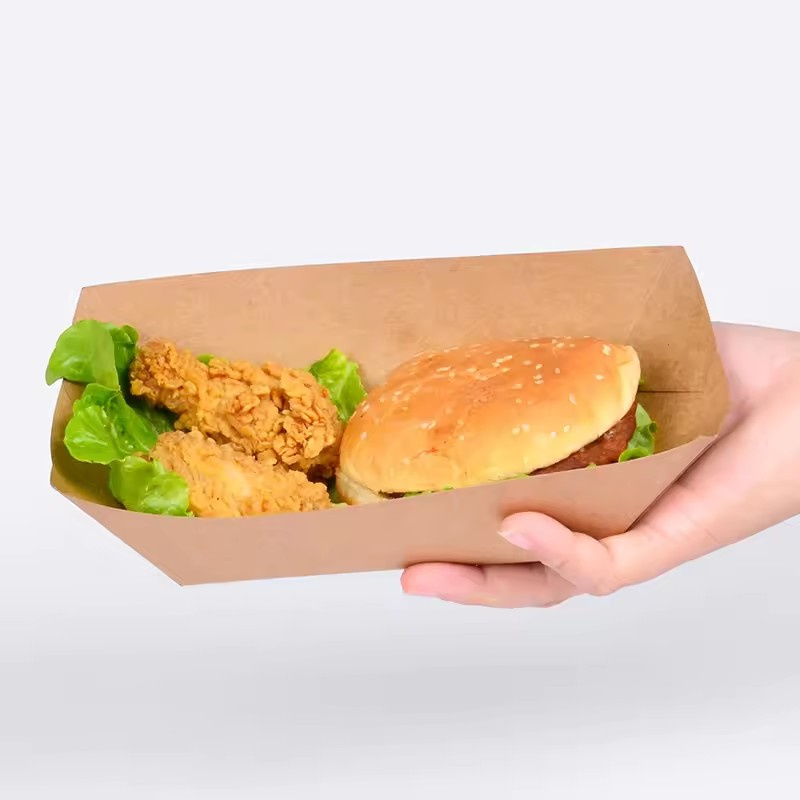
PE coated paper often serves in food packaging. It keeps out water, oil, and grease. Many fast food restaurants and bakeries use it to wrap sandwiches, pastries, and meat.
Can you recycle PE coated paper at home?
Most home recycling bins do not accept PE coated paper. The plastic layer makes it hard to recycle with regular paper. Local recycling rules may differ, so people should check with their waste service.
Does PE coated paper break down in compost?
PE coated paper does not break down in home compost bins. The polyethylene layer stays in the soil for many years. Only the paper part may decompose, but the plastic remains.
Is PE coated paper safe for food contact?
Yes, PE coated paper meets food safety standards. It protects food from moisture and grease. Many companies use it for direct food contact because it keeps food fresh and clean.
What are better alternatives to PE coated paper?
Water-based coatings, PLA coated paper, and wax coated paper offer greener options. These materials break down faster and are easier to recycle or compost.