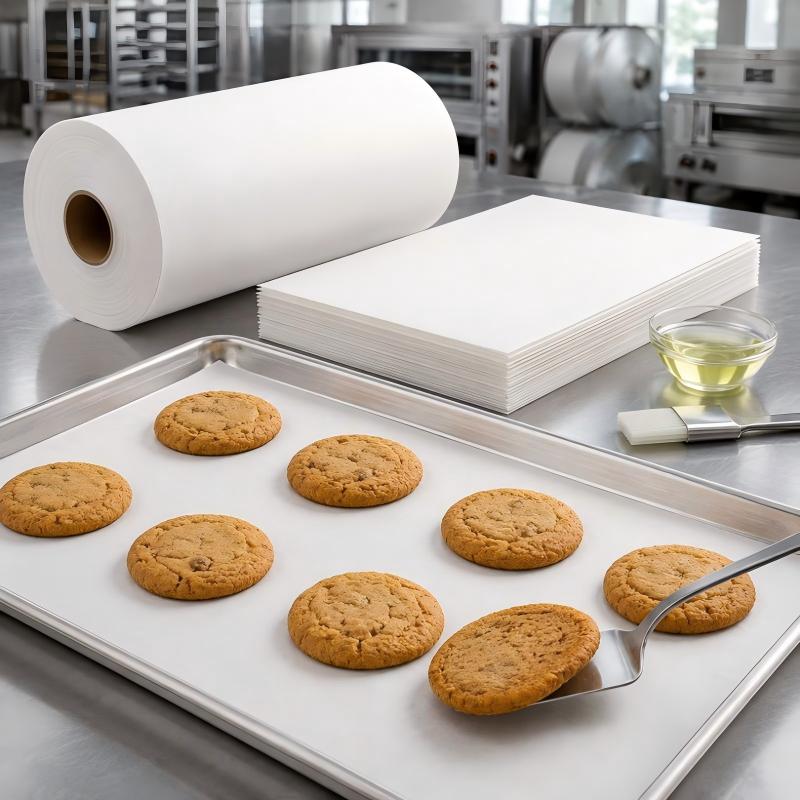
The short answer is: It depends on the type of baking paper you’re using and what you’re baking. Silicone-coated baking paper (parchment paper) is naturally non-stick and usually does not need greasing, while plain greaseproof paper lacks a non-stick coating and often needs butter or oil to prevent sticking.
Understanding the difference between these two types of baking paper helps prevent sticking, improves baking results, and makes cleanup easier. Certain recipes, especially sticky, low-fat, or high-sugar baked goods, may still benefit from lightly greasing the paper for easier release and better texture.
Key Takeaways
- Silicone-coated baking paper is naturally non-stick and does not need greasing for most baking tasks
- Plain greaseproof baking paper has no non-stick coating and always requires greasing
- Grease baking paper for sticky, high-sugar, or low-fat recipes like caramel bars or meringues
- Lightly grease the pan first to hold baking paper in place and prevent curling
- Never use wax paper in the oven – it will melt and catch fire
- Baking paper can be reused 2–3 times for dry foods like cookies
Types of Baking Paper: The Critical Difference
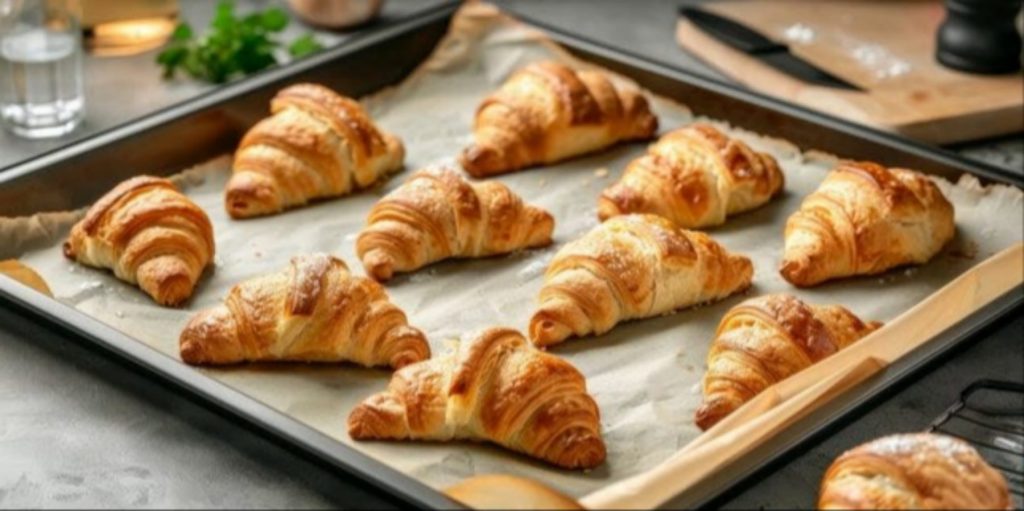
The most common mistake home bakers make is confusing the two main types of baking paper. They look similar but are manufactured differently and perform very different functions:
| Feature | Greaseproof Baking Paper | Silicone-Coated Baking Paper (Parchment) |
|---|---|---|
| Composition | Dense paper treated to resist grease and moisture | Paper treated for heat resistance and coated with silicone for non-stick performance |
| Primary Function | Food wrapping and serving | Baking and cooking |
| Non-Stick Surface | No | Yes |
| Heat Resistance | 350–390°F (175–200°C) | 420–450°F (216–232°C) |
| Grease Resistance | Moderate (can soak through) | Excellent |
⚠️ IMPORTANT SAFETY NOTE: Never use wax paper as a substitute for baking paper. The wax coating melts at high temperatures, releasing smoke and potentially catching fire. Always use proper baking paper for oven use.
When You Do NOT Need to Grease Baking Paper
Why Silicone-Coated Baking Paper Is Non-Stick
Silicone-coated baking paper (often called parchment paper) is treated with silicone or quilon – a non-stick coating that creates a barrier between the paper and your food. This coating is heat-resistant up to 420–450°F and prevents even soft, delicate foods from sticking.
It also repels grease and moisture, making cleanup effortless. Baking paper works similarly to a silicone baking mat, but is disposable and more versatile.
Recipes That Never Need Greased Baking Paper
For most standard baking recipes, ungreased silicone-coated baking paper works perfectly:
- Regular cookies and biscuits
- Yeast breads and rolls
- Sheet cakes and brownies
- Meringues and macarons
- Roasted vegetables
- Frozen doughs
The non-stick coating ensures easy release without any additional butter or oil. You can even reuse the same sheet for multiple batches of cookies, saving time and reducing waste.
When You SHOULD Grease Baking Paper
When Using Plain Greaseproof Baking Paper
If you only have plain greaseproof baking paper available, you must grease it before baking. This type of baking paper has no non-stick coating, and food will stick firmly to its surface.
Apply a thin layer of melted butter, vegetable oil, or non-stick spray to the entire surface of the baking paper before adding your batter or dough.
For Sticky, High-Sugar, or Low-Fat Recipes
Even silicone-coated baking paper can fail with exceptionally sticky foods. Sugar melts at high temperatures and can penetrate the silicone coating, causing your baked goods to stick.
Grease baking paper for these recipes:
- Caramel bars and toffee
- Marshmallow treats and rice crispy squares
- Fruit pies and tarts with sticky fillings
- Low-fat or fat-free baked goods
- Meringues with high sugar content
- Candies and confections
💡 Pro Tip: For extra-sticky recipes, grease the baking paper and then sprinkle a thin layer of flour, cocoa powder, or sugar on top. This creates an additional non-stick barrier.
To Hold Baking Paper in Place
Baking paper often curls up at the edges when placed in a hot oven. To prevent this:
- Lightly grease the bottom of the pan before laying down the baking paper
- The grease will act as an adhesive, holding the paper flat
- Weigh down the corners with small pieces of dough if needed
This simple trick eliminates the frustration of curled paper ruining your baked goods.
How Greasing Affects Your Baked Goods
Texture and Appearance
Greasing baking paper changes the texture and appearance of your baked goods:
- Greased baking paper: Creates crispier edges and a slightly shiny, golden-brown bottom
- Ungreased baking paper: Keeps baked goods softer and prevents excessive browning on the bottom
For cookies, greasing will result in thinner, crispier cookies with more spread. Ungreased baking paper will produce thicker, chewier cookies.
Cleanup and Convenience
- Ungreased baking paper: Easiest cleanup – simply throw away the paper when done
- Greased baking paper: Still much easier than cleaning a bare pan, but may leave some residue
- Greaseproof baking paper: Requires the most cleanup, as food often sticks even when greased
Environmental Impact
- Plain greaseproof baking paper is fully biodegradable and compostable
- Silicone-coated baking paper is not widely recyclable, but can be reused 2–3 times for dry foods
- Extend the life of your baking paper by wiping off crumbs and storing flat between baking sheets
Best Practices for Using Baking Paper
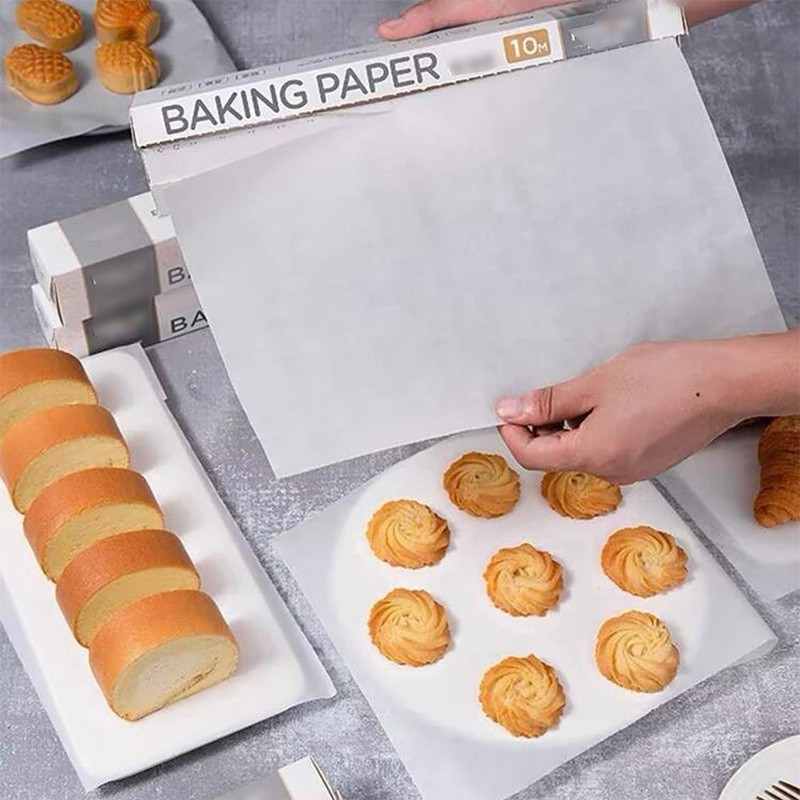
How to Grease Baking Paper Correctly
If you need to grease your baking paper:
- Lay the paper flat in your pan
- Use a pastry brush to apply a thin, even layer of melted butter or oil
- Alternatively, use a non-stick cooking spray held 6–8 inches away from the paper
- For extra-sticky recipes, sprinkle with flour, cocoa powder, or sugar
- Shake off any excess before adding your batter or dough
Avoid using too much grease, as this can cause your baked goods to spread excessively or become greasy.
Common Mistakes to Avoid
✅ Do’s
- Use baking paper designed specifically for oven use
- Cut the paper to fit your pan exactly
- Replace sheets that become dark, oily, or brittle
- Grease the pan first to hold baking paper in place
❌ Don’ts
- Use baking paper under the broiler or near open flames
- Leave loose corners that can curl up and burn
- Reuse baking paper for greasy or sugary recipes
- Use wax paper as a substitute for baking paper
Conclusion
The question of whether to grease baking paper ultimately comes down to two factors: the type of baking paper and the recipe. Silicone-coated baking paper is designed to be non-stick and only needs greasing for exceptionally sticky or high-sugar foods. Plain greaseproof baking paper, on the other hand, always requires greasing to prevent sticking.
By choosing the right type of baking paper for your recipe and following these simple guidelines, you can achieve perfect results every time while making cleanup a breeze. Experiment with different techniques to find what works best in your kitchen, and enjoy the convenience that baking paper brings to your home baking.
FAQ
Do all recipes need greased baking paper?
No. Most recipes work perfectly with ungreased silicone-coated baking paper. Only grease baking paper for sticky, high-sugar, or low-fat recipes, or when using plain greaseproof baking paper.
Can wax paper replace baking paper in the oven?
Absolutely not. Wax paper has a wax coating that melts at high temperatures, releasing smoke and potentially catching fire. Always use proper baking paper for oven use.
How can I keep baking paper from curling?
Lightly grease the bottom of the pan before laying down the baking paper. The grease will act as an adhesive, holding the paper flat. You can also weigh down the corners with small pieces of dough.
Is baking paper reusable?
Yes, silicone-coated baking paper can be reused 2–3 times for dry foods like cookies. If the paper becomes dark, greasy, or brittle, it should be replaced. Do not reuse baking paper for sticky or sugary recipes.
What is the difference between white and brown baking paper?
There is no functional difference between white and brown baking paper. Both have the same non-stick properties and heat resistance. Brown baking paper is simply unbleached, making it a more environmentally friendly option.