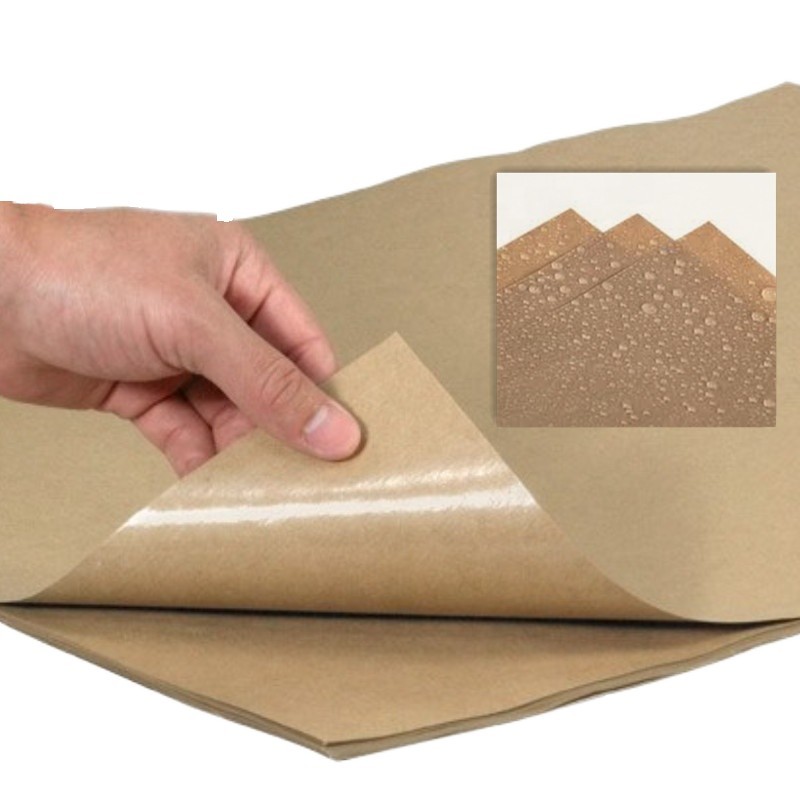
Yes, kraft paper is generally considered an eco-friendly packaging material. It is made from renewable wood pulp, widely recyclable, and naturally biodegradable under normal environmental conditions. Compared with many plastic packaging materials, kraft paper breaks down more easily and produces less long-term waste pollution.
Its environmental impact, however, still depends on factors such as raw material sourcing, bleaching processes, coatings, and recycling practices. Understanding these differences can help businesses and consumers choose more sustainable kraft paper packaging options.
Key Takeaways
- Kraft paper is made from renewable wood pulp sourced from sustainably managed forests (FSC/PEFC certified)
- It is a highly recyclable packaging material, typically recyclable 5–7 times, helping reduce energy consumption, water usage, and carbon emissions
- Uncoated kraft paper is biodegradable and compostable, breaking down in about 60–90 days under natural conditions
- Compared to plastic packaging, kraft paper offers a lower carbon footprint and improved end-of-life performance
- Sustainability depends on responsible sourcing, forest certification, and proper material selection
- Overall, eco-friendly kraft paper packaging is a sustainable alternative to plastic when properly sourced, uncoated, and responsibly used
Why Kraft Paper Is Eco-Friendly
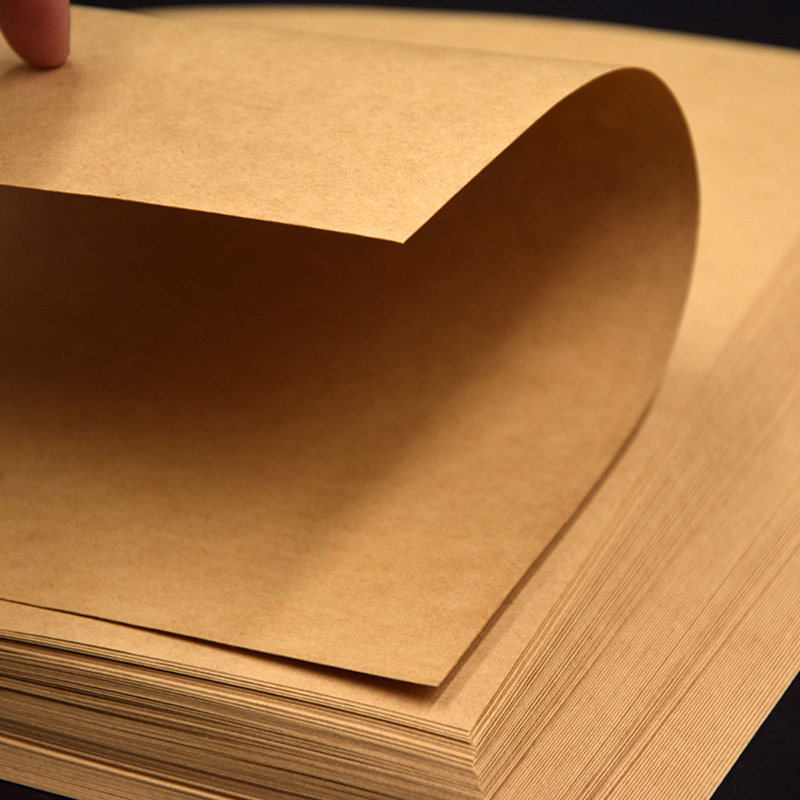
Renewable Raw Materials
Kraft paper is made from wood pulp, a naturally renewable resource. Most responsible manufacturers source wood from sustainably managed forests where trees are replanted immediately after harvesting.
- 90% of wood used for paper products in the U.S. comes from privately owned forests managed for long-term sustainability
- These forests absorb carbon dioxide as they grow, further reducing the carbon footprint of kraft paper
- The kraft pulping process uses fewer chemicals than other paper-making methods, resulting in less pollution
Biodegradability and Compostability
Unlike plastic, which can persist in the environment for hundreds of years, kraft paper breaks down quickly and naturally:
- Uncoated kraft paper decomposes in 60–90 days in a home compost pile
- It breaks down into harmless organic matter without leaving toxic residues
- Even in landfills, kraft paper biodegrades much faster than plastic
High Recyclability
Kraft paper is highly recyclable, with fibers that can typically be reused 5–7 times before gradually shortening and losing strength. Each recycling cycle contributes to measurable environmental benefits:
- Saves up to 70–75% of energy compared to virgin paper production
- Reduces water consumption by approximately 50% and air pollution by up to 70%
- Supports multiple reuse cycles of paper fibers before natural degradation occurs
Low Carbon Footprint
Kraft paper has a significantly smaller environmental impact than plastic packaging:
| Feature | Kraft Paper | Plastic Packaging |
|---|---|---|
| Carbon Footprint | Lower | 2.5x higher |
| Biodegradability | Yes (60–90 days) | No (400–1000 years) |
| Recyclability | Easy | Poor |
| Chemical Use | Fewer | More |
| Energy Consumption | Less | More |
| Environmental Impact | Small | Significant |
📊 Energy Savings Note: Although recycled kraft paper may involve additional processing steps that consume energy, its overall lifecycle energy use is reduced by up to 70–75% compared to virgin paper production. This reduction is achieved by replacing energy-intensive virgin wood pulp, resulting in a significantly lower total carbon footprint.
Kraft Paper vs. Other Packaging Materials
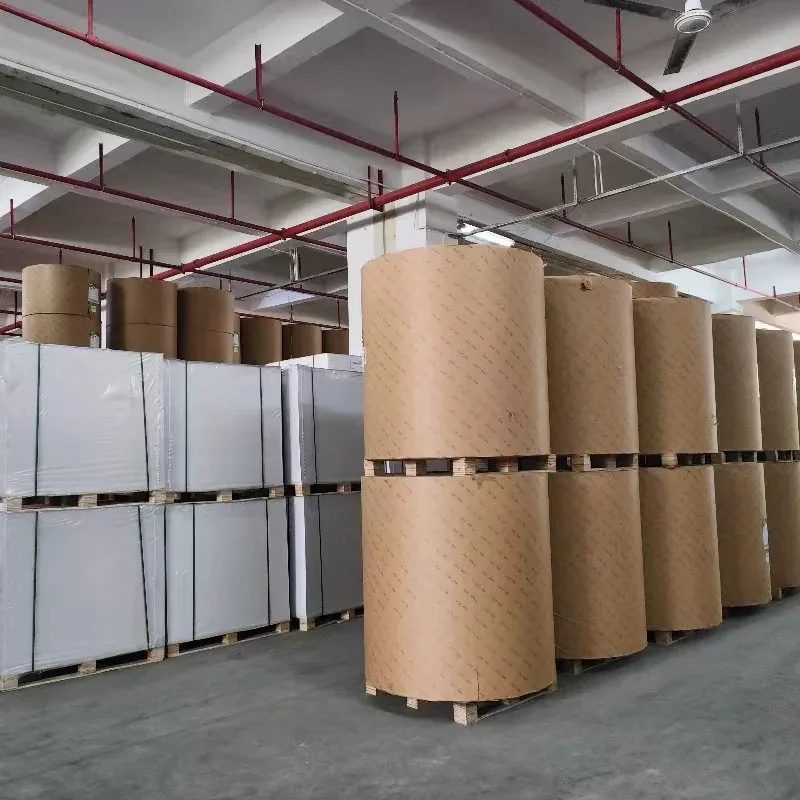
Kraft Paper vs Plastic
Kraft paper offers several environmental advantages over plastic:
- Made from renewable resources rather than fossil fuels
- Biodegradable under appropriate conditions, unlike most conventional plastics
- Widely recyclable in paper recovery systems, while plastics face more limited real-world recycling efficiency
- Produces up to 2–3x lower carbon emissions over its lifecycle, depending on system boundaries
Kraft Paper vs Bagasse and Recycled Paper
Kraft paper, bagasse (sugarcane fiber), and recycled paper are all widely recognized sustainable packaging materials, each with different strengths:
| Material | Carbon Footprint | End-of-Life Options | Sourcing Impact |
|---|---|---|---|
| Bagasse | Very low | Industrially compostable / recyclable | By-product of sugarcane processing |
| Recycled Paper | Low to very low | Recyclable (and sometimes compostable) | Uses post-consumer waste |
| Virgin Kraft Paper | Medium | Recyclable / compostable (depending on coating) | Sourced from managed forests |
The most sustainable option depends on the specific application, including performance requirements, disposal conditions, and local recycling infrastructure. All three materials generally offer significantly lower environmental impact compared to conventional plastic packaging.
Limitations and Important Considerations
Sourcing and Deforestation Risks
Not all kraft paper is equally sustainable. Poorly managed forestry operations can lead to deforestation and habitat loss. To avoid this:
- Always look for FSC (Forest Stewardship Council) or PEFC certification
- These labels ensure wood comes from forests managed to protect biodiversity and local communities
- Avoid kraft paper from unknown or uncertified sources
Recycling and Composting Challenges
Coated kraft paper can be difficult to recycle or compost:
- PE-coated kraft paper cannot be composted and is rarely accepted in standard recycling programs
- PLA-coated kraft paper requires industrial composting facilities and will not break down in home compost piles
- Contaminated kraft paper (with food residue, grease, or chemicals) may also be rejected by recyclers
Always check your local waste management guidelines to ensure you are disposing of kraft paper correctly.
Conclusion
Kraft paper is an excellent eco-friendly alternative to plastic packaging. It is made from renewable resources, biodegradable, and highly recyclable. While it has some limitations – particularly with coated varieties – choosing certified, uncoated kraft paper can significantly reduce your environmental footprint.
Sure Paper Food Grade Kraft Board offers the perfect balance of sustainability, safety, and performance for food packaging applications. With multiple coating options and full compliance with global food safety standards, it is the ideal choice for businesses looking to transition to more sustainable packaging.
FAQ
What makes kraft paper eco-friendly?
Kraft paper is eco-friendly because it is made from renewable wood pulp, fully biodegradable, and highly recyclable. It produces far less carbon emissions than plastic and breaks down naturally in the environment.
Can kraft paper be used for hot and greasy foods?
Yes, kraft paper with plant-based PLA coatings provides excellent grease and water resistance for hot and oily foods. Sure Paper Food Grade Kraft Board is specifically designed for food packaging applications.
Is kraft paper safe for food packaging?
Yes, food-grade kraft paper is safe for food contact when it meets global safety standards like FDA 21 CFR Part 176 and EU 1935/2004. Always look for proper certification when choosing food packaging.
How should I dispose of kraft paper packaging?
- Clean, uncoated kraft paper: Place in recycling bins or home compost
- PLA-coated kraft paper: Take to an industrial composting facility
- PE-coated kraft paper: Dispose of in general waste (check local guidelines)
Is bleached kraft paper less eco-friendly than unbleached?
Yes. Unbleached brown kraft paper is more sustainable because it skips the bleaching process, which uses harmful chemicals and produces more pollution. White kraft paper has a higher environmental impact but is still better than plastic.
Does kraft paper cost more than plastic?
Kraft paper typically costs slightly more upfront than plastic. However, many consumers are willing to pay a premium for sustainable packaging, and businesses can benefit from improved brand reputation and customer loyalty.