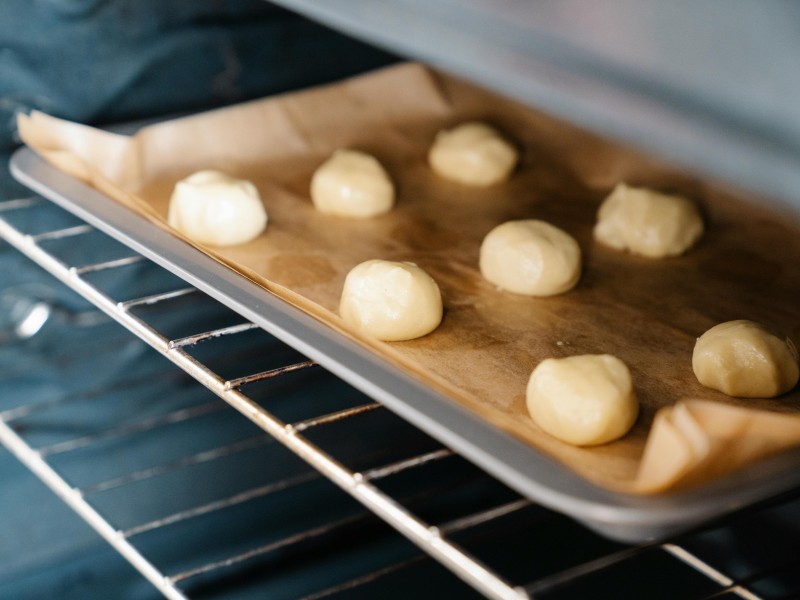
Silicon paper is a kind of paper with silicone on it. This coating makes the paper smooth and non-stick. People use silicon paper a lot in baking and food packaging. It is also used in electronics and cosmetics. The global market for silicon paper keeps growing. Experts think it will reach about $500 million by 2028.
Key Takeaways
- Silicon paper has a silicone coating. This makes it non-stick and heat resistant. It is great for baking and food packaging.
- There are different kinds of silicon paper. Some are food-grade, and some are for industry. Each type is made for certain uses and safety rules.
- Silicon paper can handle very high heat. It works up to 230°C (446°F). This makes it good for many ways of cooking, like baking and roasting.
- Using silicon paper helps stop food from sticking. It also keeps food fresh. It makes cleaning up faster and cuts down on food waste.
- Picking the right silicon paper is important. Think about the silicone type and base weight. This helps you get the best results for what you need.
Silicon paper overview
Definition of silicon paper
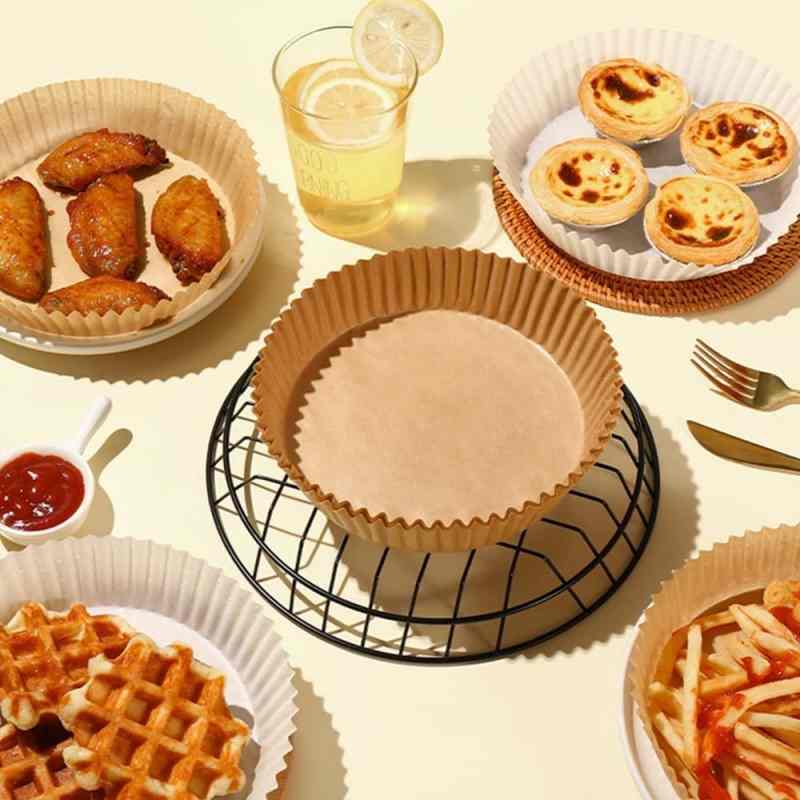
Silicone paper is a type of paper coated with a thin layer of silicone. This silicone layer gives the paper a smooth and shiny finish. The silicone layer prevents grease and water from penetrating and also prevents food and other items from sticking. Silicone paper is used in many jobs because it is heat-resistant and does not easily stick together.
Silicone paper is different from other non-stick papers. It’s made by coating a layer of safe silicone oil onto cellulose fiber paper. This allows the paper to effectively repel grease, water, and food residue. Other non-stick papers, such as regular baking paper, do not have this silicone oil layer. They reduce stickiness by pressing and altering the fiber structure, but their oil-repellent effect is not as good as silicone-coated paper.
The main features of silicon paper are:
- Non-stick: Stops things from sticking and cuts down on waste.
- Heat resistant: Works well in hot places.
- Durable: Stays strong even in tough conditions.
- Versatile: Used in many areas like food and electronics.
Types of silicon paper
There are different types of silicon paper for different uses. The main types depend on the coating and what they are used for.
People usually split silicon paper into two big groups. These are industrial silicon paper and food-grade silicone coated parchment paper. Each one is made for a special job.
| Feature | Industrial Silicone Paper | Food-Grade Silicone Coated Parchment Paper |
|---|---|---|
| Primary Use | Used in factories for release liners | Used in kitchens for baking, steaming, and showing food |
| Safety Standards | Not made for food; used for other things | Safe for food and follows FDA and EU rules |
| Chemical Resistance | Very good against chemicals for factories | Safe for food and heat |
| Environmental Considerations | Usually not eco-friendly | Made from forests that are managed well |
Industrial silicon paper is best for factories and packaging. It is used as a liner for labels, glue, and electronics. This type does not need to be safe for food. Food-grade silicone coated parchment paper, like Sure Paper, is safe for touching food. It follows strict rules and comes from good sources. It is great for baking, roasting, steaming, and keeping food apart.
Silicon paper benefits
Non-Stick Surface Properties
Silicone paper is renowned for its superior non-stick properties. This helps bakers and chefs easily remove food from baking trays and pans. One study showed that its non-stick effect remains significant even after multiple uses. Sticky foods such as caramel, cheese, or dough won’t stick to the paper. Cleaning is quicker, and there’s less food waste.
The table below shows how well different papers stop sticking:
| Type of Paper | Non-Stick Performance |
|---|---|
| Silicone Paper | Best non-stick surface, works well for sticky foods. |
| Wax Paper | Okay non-stick, may leave stuff behind when heated. |
| Parchment Paper | Not as good at stopping food from sticking as silicone. |
High temperature resistance
Many people use silicone paper because of its heat resistance. Most silicone paper can withstand temperatures up to 230°C (446°F). This makes it suitable for baking, roasting, and air frying. At such temperatures, the silicone coating will not melt or crack. Chefs and food makers rely on its perfect performance in high-temperature ovens.
Reliable oil resistance
Silicon paper also stops oil and grease from getting through. Tests show it works well in Hercules sizing and contact angle checks. These tests prove the paper blocks oil and keeps food from getting soggy. Scanning Electron Microscopy pictures show the silicone coating is even, which helps with oil resistance.
This oil resistance keeps food fresh and makes packaging cleaner. It also helps food prep by stopping sticking and messes.
Meets food safety requirements
Food safety is paramount for anyone using silicone paper sheets in the kitchen. Food-grade silicone paper sheets meet stringent regulations in the US and Europe and are certified by the FDA, LFGB, and ISO 22000. These sheets also comply with FDA 21 CFR 177.2600 and EU Regulation (EC) No 1935/2004.
Manufacturers test for migration, heavy metals, and color staying. They give a Declaration of Compliance to show the paper is safe for touching food. This helps users feel sure about the safety and quality of silicon paper.
Uses of silicon paper
Baking and cooking applications
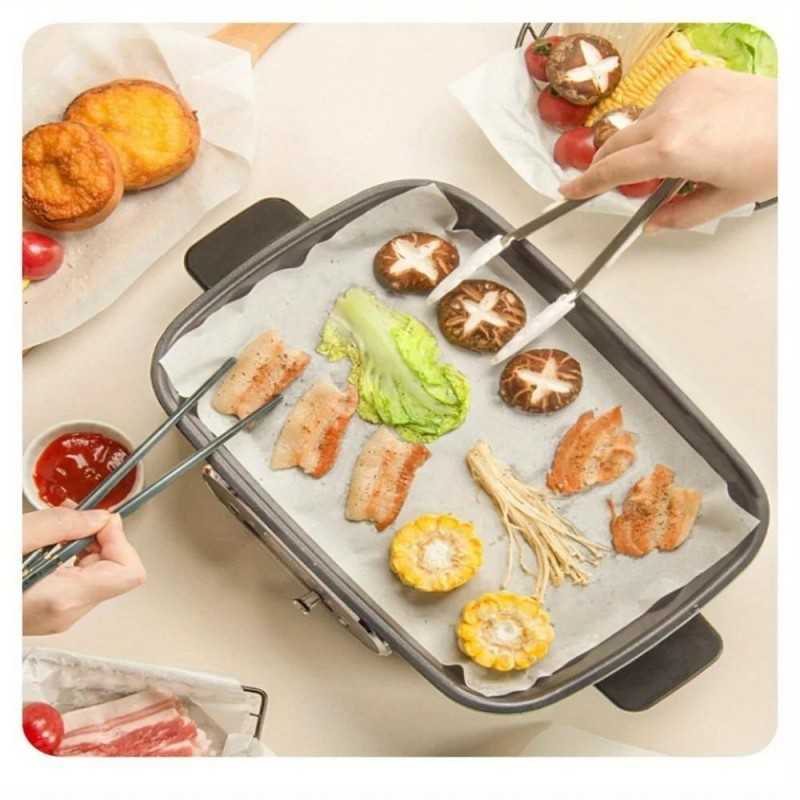
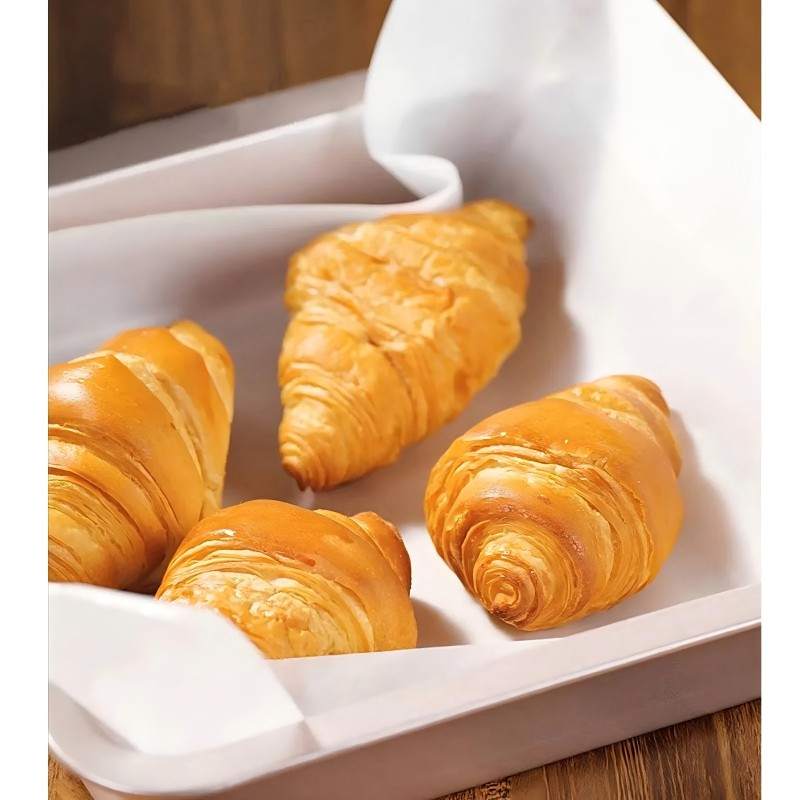
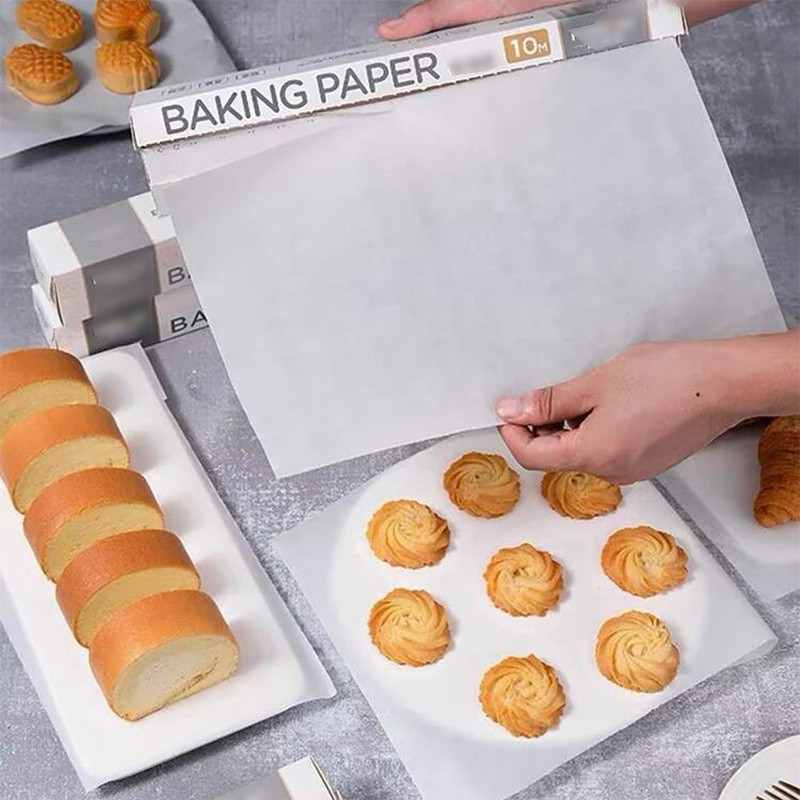
In baking, the most common use of silicone paper is lining baking pans. Whether baking cookies, cake bases, or making macarons and cream puffs, simply cut a piece of silicone paper and place it at the bottom. No additional grease is needed for easy unmolding, resulting in a clean, evenly colored finished product. The baking pan also remains clean, saving you the hassle of washing.
In cooking, silicone paper shines even brighter. Wrapping fish, chicken, or vegetables in it, sealing the edges, and then placing them in the oven or steamer creates classic “paper-wrapped dishes.” This method locks in the moisture and flavor of the ingredients, ensures even heating, and results in tender, juicy dishes where seasonings are fully absorbed. When storing food in the refrigerator, using silicone paper to separate hamburger patties, dumplings, or pastries prevents them from sticking together and makes them easy to access. Whether for everyday meal preparation or elaborate cooking, silicone paper makes the process easier and the results more satisfying.
Industrial and packaging uses
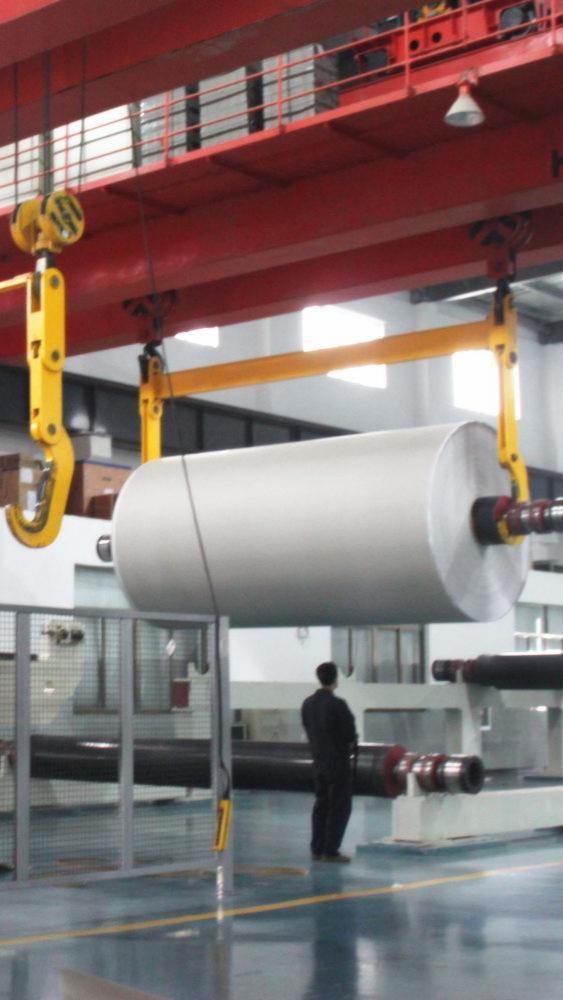
Silicone paper is used in many processes in factories. It serves as release paper for hot pressing and demolding, and as an insulator for electronic components, protecting them from high temperatures and chemicals. Printing companies also use silicone paper because it is resistant to adhesives and solvents, keeping labels and stickers clean and residue-free before use.
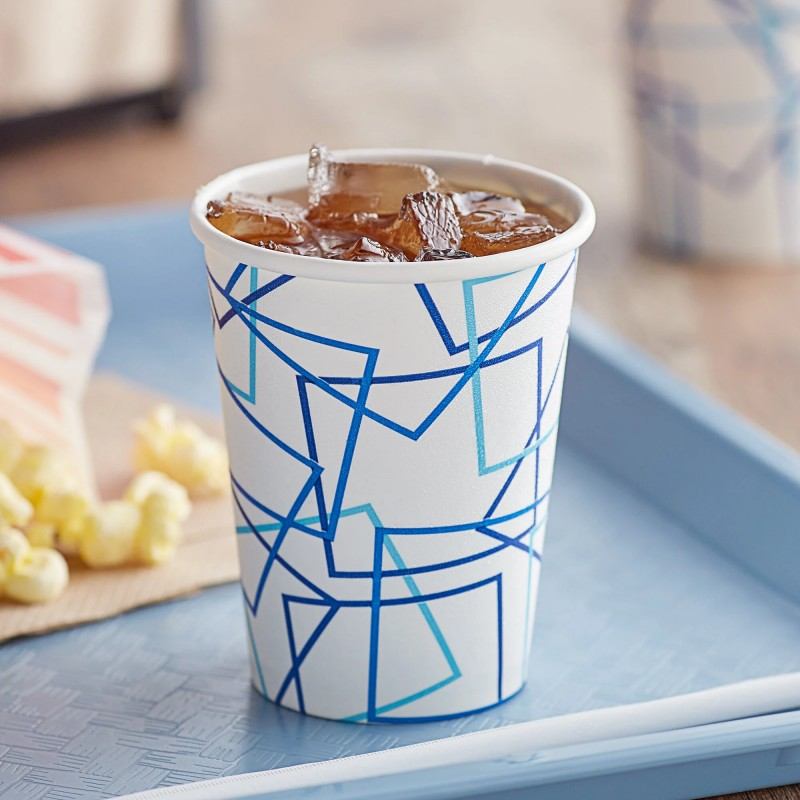
In terms of packaging, silicone paper is mostly used in the food industry as a separate separator for products such as candy, pastries, and frozen meat patties, preventing them from sticking together and making them easy to peel off. In the fast food industry, it is often used to line trays, providing oil resistance, non-stick properties, and a certain degree of breathability.
Tips for using silicon paper
Practical usage tips
Picking the right silicon paper helps you do a better job. It is important for baking, packaging, or factory work. You should think about a few things before you choose. The table below shows what to look for:
| Selection Factor | Impact on Coating Process | Ideal Use Cases | Common Issues if Mismatched |
|---|---|---|---|
| Silicone Type | Decides how easy things come off and stick | High-temp seals, medical adhesives, industrial tapes | Leftover bits, peeling, uneven release |
| Base Weight | Changes how strong the paper is and how it moves | Heavy-duty rolls, fast machines, packaging | Paper tears, jams, bad cutting |
| Caliper | Affects how smooth and thick the coating is | Tiny electronics, thin-film jobs | Streaks, glue does not spread right |
| Grammage | Changes how much the paper soaks up and how tough it is | Labels, tapes, short-term cover films | Paper bends, silicone leaks, weak paper |
You should also keep the following points in mind: Before using or storing the paper, check the humidity and temperature of the room. Ask if the paper has a special coating to enhance peel or adhesion. If you need the paper for food or medical use, ensure it is safe. Purchase from reputable companies to ensure you get paper suitable for your work. Store the paper in a cool, dry place to maintain its good performance.
Tip: For baking, pick food-grade silicon paper with a safe heat range and safety labels. For factories, ask about special sizes and coatings.
Safety and limitations
Silicon paper is good for many jobs, but it has limits. Most types can take heat up to 230°C (446°F). If the oven or machine gets hotter, the paper can burn or smoke. Not all silicon paper breaks down in compost, especially if it has extra layers. Some kinds may need to be cut to fit pans or machines.
- Do not use silicon paper over 230°C (446°F).
- Check if the paper can be composted or recycled before throwing it away.
- Keep the paper away from fire or hot things.
- Use the right kind for food or factory work to stop problems.
Always read the label and follow what the supplier says. This keeps food safe and makes sure the paper works well.
FAQ
What is the difference between silicon paper and parchment paper?
Silicon paper has a silicone layer. This makes it non-stick and heat resistant. Parchment paper does not always have this layer. Bakers choose silicon paper for better non-stick results.
Can silicon paper go in the oven?
Yes, silicon paper can be used in ovens. Most kinds can handle up to 230°C (446°F). Always check the package for the exact heat limit.
Is silicon paper safe for food?
Food-grade silicon paper follows strict safety rules like FDA and EU standards. Makers test it to make sure it is safe for food. People use it for baking, roasting, and steaming.
How can people use silicon paper in cooking?
- Put it on baking trays for cookies or bread.
- Wrap food for roasting or steaming.
- Use it as a liner in air fryers.
- Separate layers of food for storage.
Can silicon paper be recycled or composted?
| Type of Silicon Paper | Disposal Method |
|---|---|
| Unbleached, compostable | Compost or recycle |
| Bleached or coated | Check local guidelines |
People should read the label to see if their silicon paper is good for the environment.