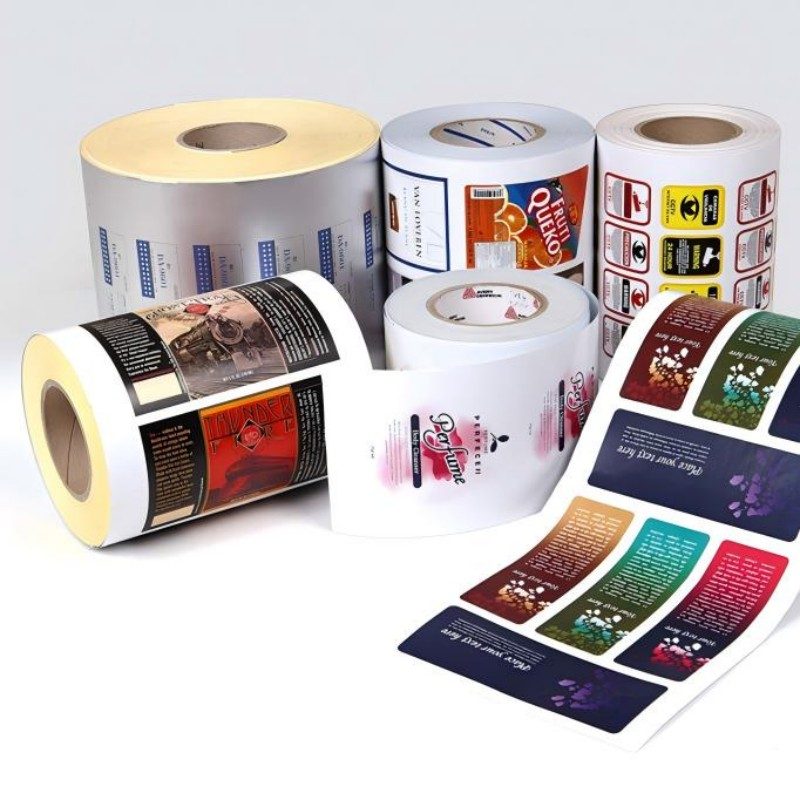
A release liner keeps sticky surfaces clean and safe until use. People find release liners in things like stickers, medical tools, and packages. These liners help sticky parts work only when needed. This makes using them easy and exact.
- Release liners keep sterile items safe from germs during storage and moving.
- They lower the chance of infections and problems in hospitals.
- In packaging and electronics, they make products work better and safer.
Key Takeaways
- Release liners keep sticky surfaces clean and safe until you use them. They help adhesives work better and last longer. They make it easy to peel off sticky parts. This helps products work well and stops waste or mistakes.
- Release liners give strong support when you handle, ship, or process things. They stop damage and keep products in good shape.
- Silicone, paper, and films are used for different needs. These materials help in medical, packaging, and label industries. They give special protection and good performance.
- Picking the right release liner makes products better. It also helps the environment and meets safety rules. This helps companies follow industry standards.
What is a release liner?
Definition and materials
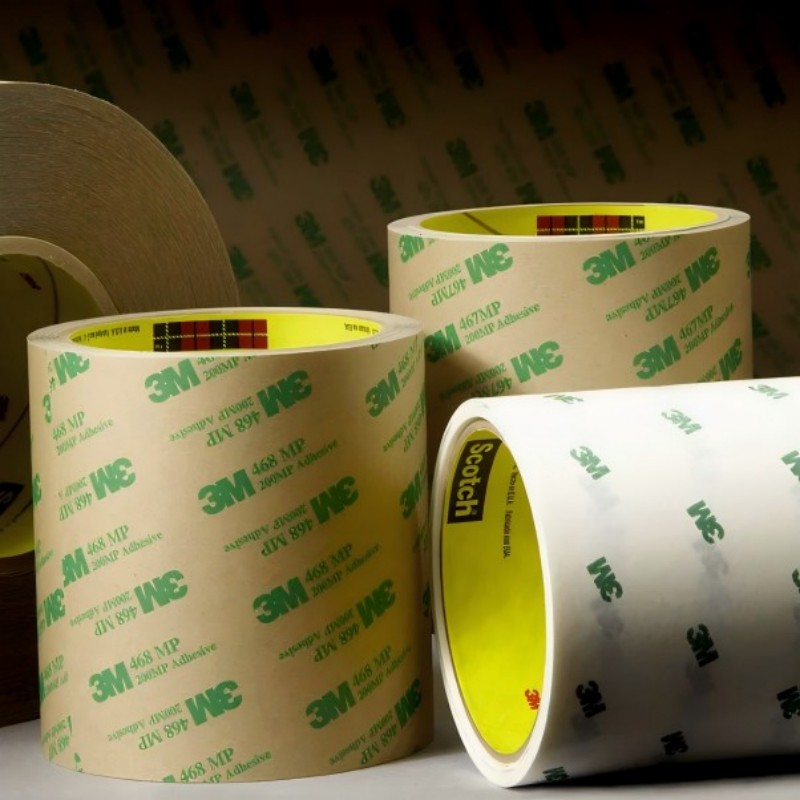
Release liner is a thin sheet used to cover the adhesive portion of a label, which is peeled off only when needed. Industry standards define release liner as a substrate with a special coating (usually silicone) to protect the adhesive side. This release liner is the bottom layer of pressure-sensitive labels, facilitating easy peeling. Release liner is widely used in labels, stickers, medical devices, and packaging.
There are many kinds of release liner materials. These materials must not react with other things, let water through, or break easily. The most common materials for release liners are:
- Silicone materials are the most popular and will make up about 63.4% of the money earned in 2025.
- Non-silicone materials like PE-coated, fluoropolymer-coated, and wax-coated liners are becoming more popular.
- Paper substrates are used in over 45% of the market because they are cheap and can be used in many ways.
Release liners can be made from glassine paper or clay-coated Kraft paper. These types help labels stick well and peel off without a mess. The material chosen for a release liner depends on what the product needs and the industry it is used in.
Note: A good release liner keeps the sticky part smooth, which helps it stick better at first and makes the product work well.
How release liners work
Release liners form a barrier between the adhesive portion and other objects, preventing the adhesive portion from sticking to other objects prematurely. Release liners protect the adhesive portion from dust, water, and other damage, ensuring it remains secure and usable.
Release liners have a special coating, such as silicone, that makes the adhesive portion easy to peel off. Some release liners have different peel strengths on each side, meaning one side is easier to peel than the other. The force required to peel the adhesive portion depends on the surface energy of the release liner.
Main functions of release liners
Adhesive protection
Release liner acts like a protective shield for adhesives, covering the sticky side of items such as labels and tapes. This release liner protects the sticky surface from dust and water. Keeping the sticky surface clean results in better adhesion and a longer lifespan. Release liner also prevents premature bonding, keeping the product intact and reducing waste.
Release liner helps prevent items from getting dirty, reducing the risk of sticky surface failure and ensuring the product performs as intended. The table below shows how release liner helps products achieve better adhesion than without it:
| Measurable Factor | With Release Liners | Without Release Liners |
|---|---|---|
| Peel Force Consistency | Improved consistency | Inconsistent performance |
| Contamination Levels | Reduced to below 30 ng/cm² | Higher risk of contamination |
| Adhesion Integrity | Enhanced integrity | Potential adhesive failure |
| Process Consistency | Better consistency across production | Variability in application |
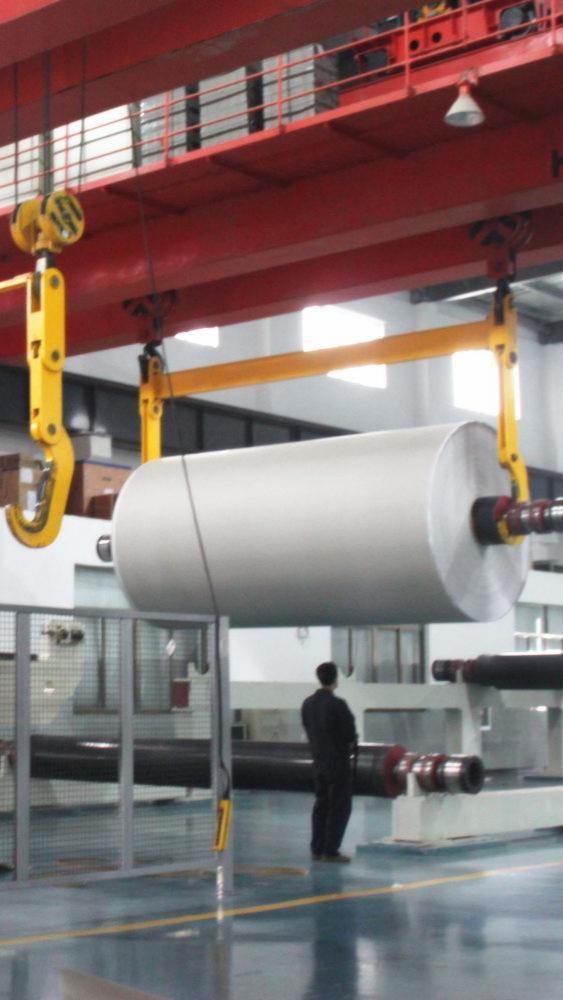
Sure Paper’s silicone release paper uses strong pulp and a smooth surface. These features help keep sticky parts strong and clean. The liner can handle heat and chemicals, so it protects the sticky part during storage and use.
Adjusting the peeling force
A release liner lets users peel off the backing with the right force. The force can be changed for different products. Some labels need to peel off easily, while others need to stick tighter.
- Release liners let you control how easy or hard it is to peel.
- They stop silicone from moving to the sticky part or printing surface.
- The peeling stays the same across rolls and batches.
- Special release chemistry fits different needs.
- Release liners work well in processes like unwinding and cutting, so there are fewer mistakes.
These features help people use products neatly and correctly. In places where things must be very clean, special liners lower the risk of dirt. Sure Paper’s silicone release paper lets you change the peeling force, so it works for many jobs.
Protect and support the sticky parts
A release liner gives support when winding, cutting, and shipping. It keeps the sticky part safe from harm during these steps. PET release liners are strong and do not tear easily. This strength helps the liner stay whole during moving and handling.
- Release liners can handle stress from winding and shipping.
- They keep their shape in different temperatures and humidity.
- The liner does not curl, shrink, or grow.
- Printing and cutting are more accurate.
Sure Paper’s silicone release paper is strong and does not tear. It resists chemicals, water, and static. The smooth surface lets sticky parts come off easily without mess. Its flexibility helps products fit many surfaces. It works well in hot or cold places and with chemicals.
Note: A good release liner protects and supports the sticky part. It helps the product work well from start to finish.
Release liner applications
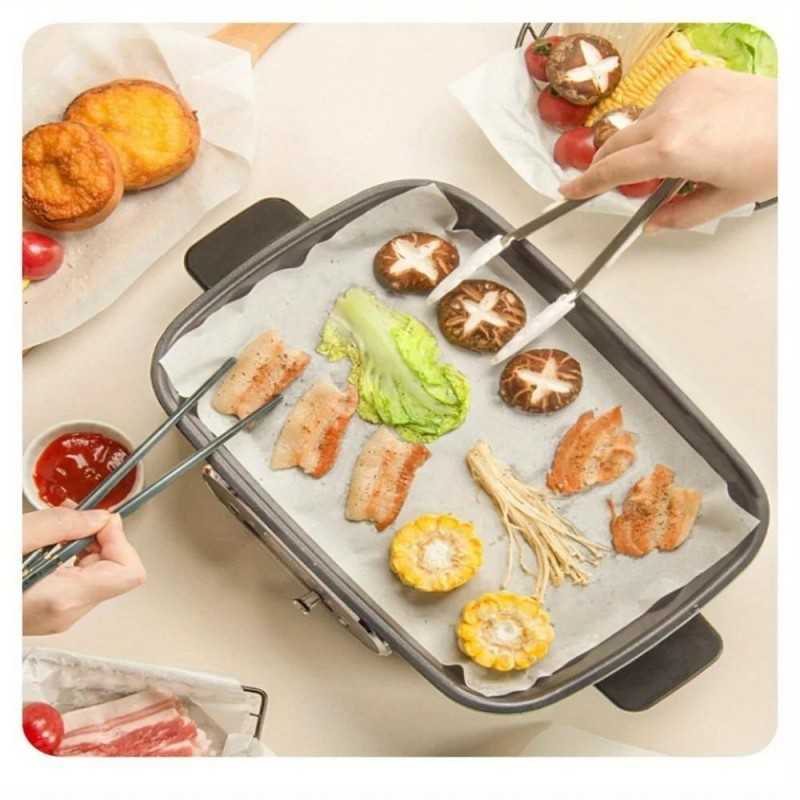
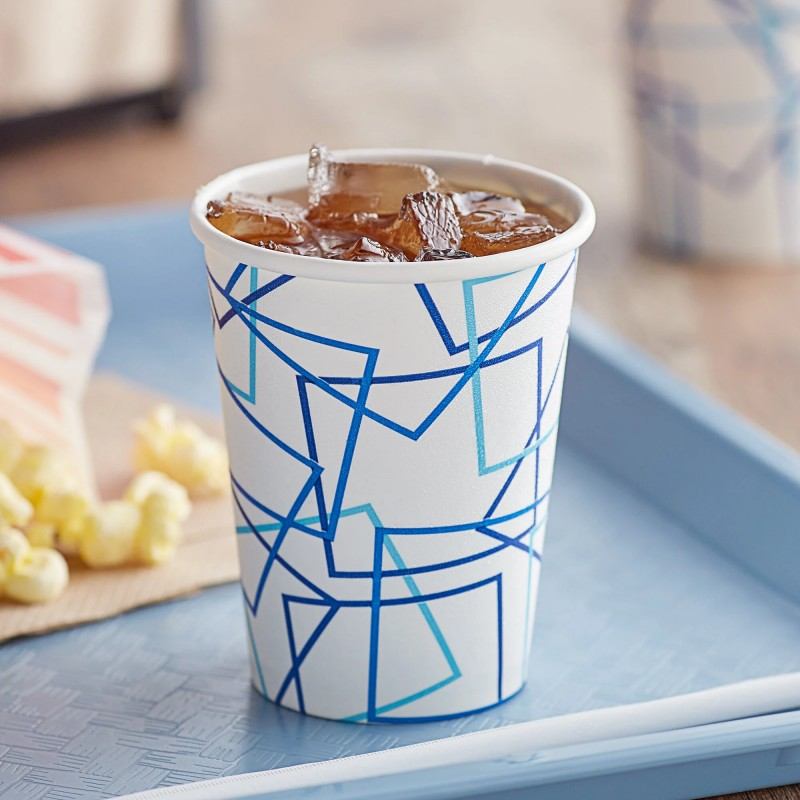
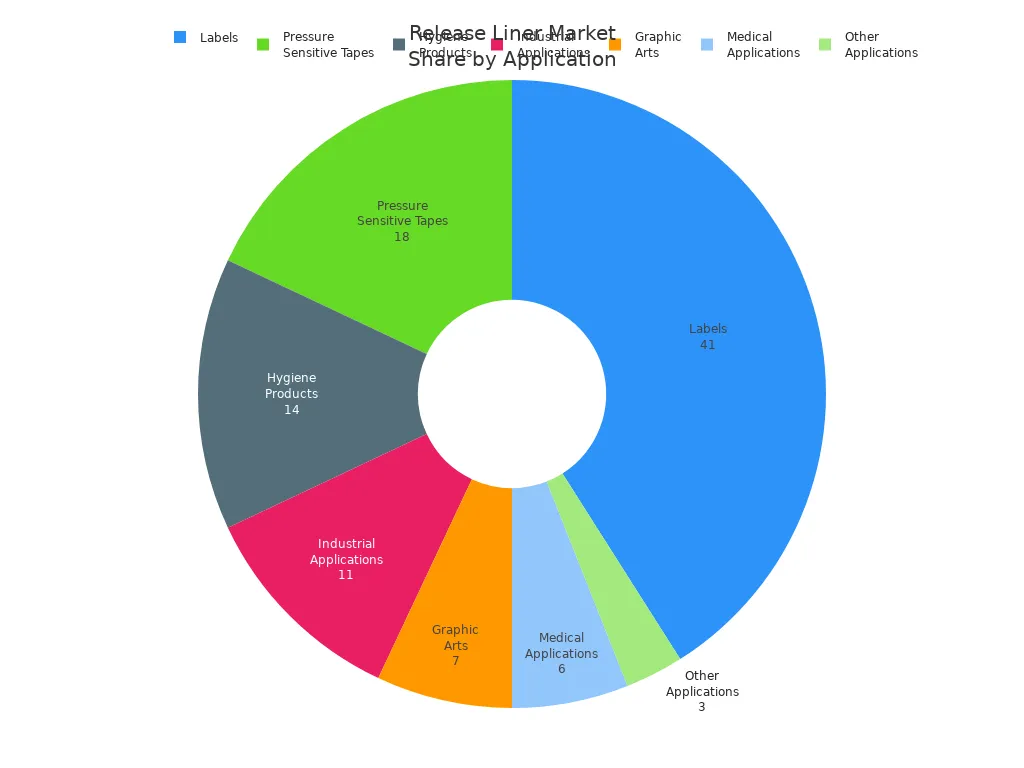
Release lines are crucial in many industries. They protect adhesives, enhance product performance, and contribute to environmental protection. Shure Paper manufactures a variety of release lines, including cellophane, coated kraft paper (CCK), and custom products. These release lines are widely used in food packaging, labels, tapes, and medical supplies.
Used for food packaging and baking
In the food packaging industry, release liner plays multiple crucial roles. It not only effectively ensures the hygiene, safety, and freshness of food, helping to extend shelf life by blocking external factors such as moisture and oxygen, but also provides convenience in practical operation, making the packaging process smoother and more efficient.
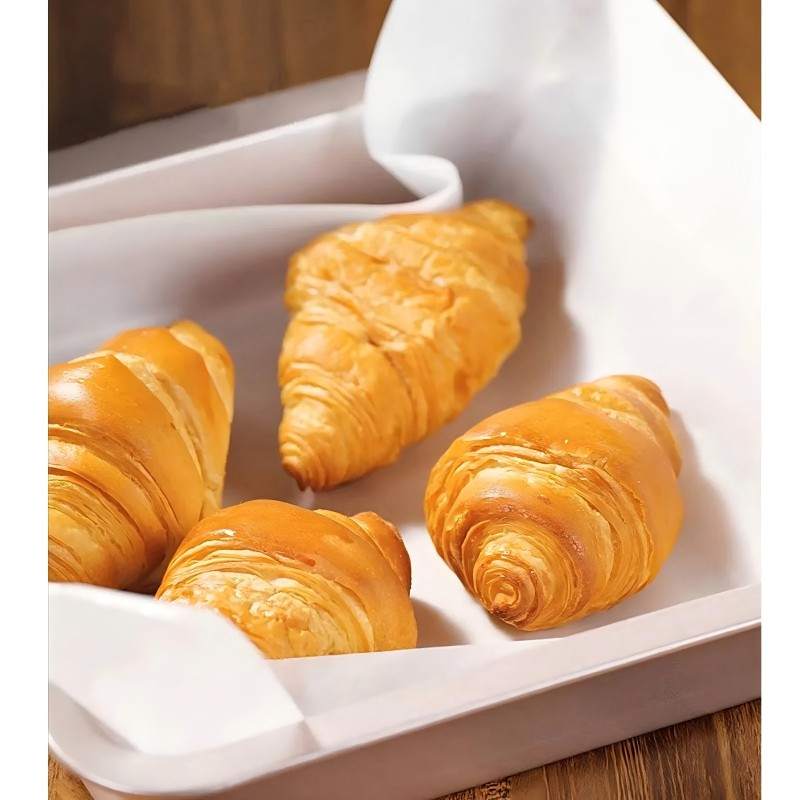
In baking applications, the heat resistance of materials is particularly critical. Silicone-coated release paper possesses excellent high-temperature resistance, withstanding temperatures up to 230°C. It remains structurally stable during baking, is not easily deformed, and does not release harmful substances. Simultaneously, it effectively prevents dough, syrup, or grease from sticking to the mold or baking tray surface, ensuring the integrity of the finished product and simplifying the cleaning process.
The core role in labels and stickers
In the production and use of labels and stickers, release liner plays an indispensable role as a carrier. It typically serves as the backing paper for pressure-sensitive adhesive labels, providing stable support for the adhesive layer and ensuring the label remains flat and intact during die-cutting, waste removal, printing, and storage. It also facilitates high-speed peeling by automated labeling equipment. During use, the release liner, with its controllable release force, allows the label to separate cleanly and smoothly from the backing paper, accurately adhering to various product surfaces. This improves labeling efficiency and avoids problems such as adhesive residue or label deformation.
Used in medical and hygiene products
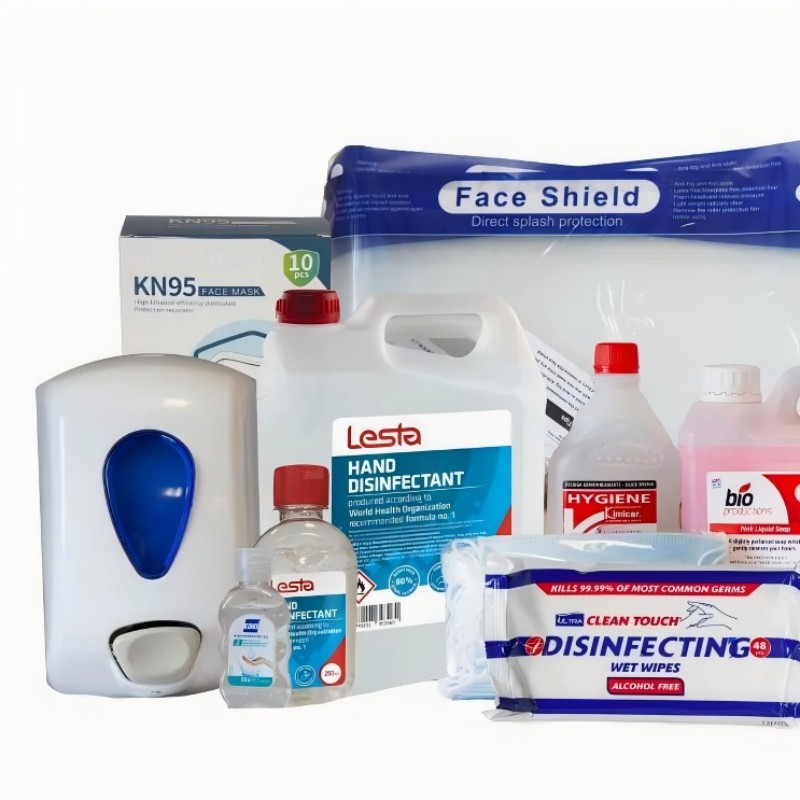
In the medical and hygiene product field, release liners are widely used in wound dressings, medical tapes, sanitary napkins, diapers, and other products. As a protective carrier for the adhesive layer, it effectively isolates contaminants before use, ensuring product sterility and stable adhesion. With precisely controlled release force, the release paper ensures it doesn’t detach during transportation and storage while allowing for easy and clean peeling, facilitating application. The material uses medical-grade substrate and a safe silicone coating, ensuring no residue and no irritation, guaranteeing safe use.
FAQ
What is a release liner used for?
A release liner keeps sticky parts safe until you use them. It helps adhesives stay clean and ready in things like labels, tapes, and medical tools.
How does a release liner help in packaging?
A release liner stops sticky parts from sticking too early. It keeps items safe when they are shipped or stored. Companies use them to make packaging neat and simple.
Can release liners be recycled?
Many release liners are made with materials that can be recycled. Some companies make acid-free and biodegradable kinds. Always look at your local recycling rules before throwing them away.
What makes Sure Paper’s silicone release paper special?
Sure Paper’s silicone release paper uses strong pulp and a smooth top. It stands up to heat and chemicals. You can get custom types for food, medical, or industrial jobs.