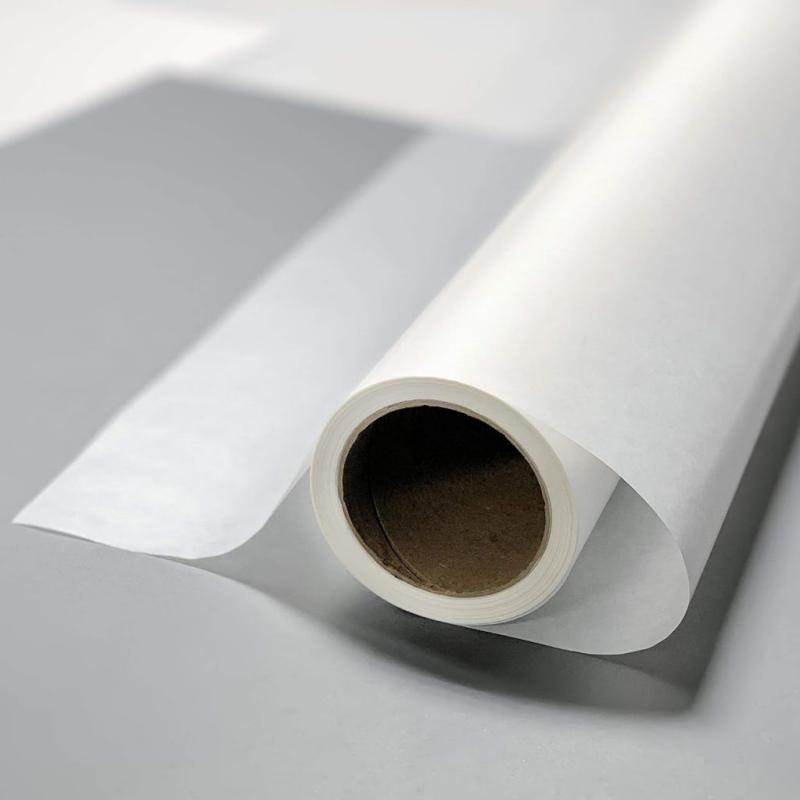
Glassine paper is designed to protect sensitive products while maintaining their appearance, making it ideal for packaging, food wrapping, and archival use. It provides a smooth, grease-resistant, and moisture-resistant barrier that prevents sticking, contamination, and surface damage.
If you’ve ever seen translucent liners in premium food packaging or protective sheets used for artwork and documents, that’s glassine at work. Today, it’s widely used across industries and is becoming a preferred eco-friendly alternative to plastic-based materials.
Key Takeaways
- Glassine paper is primarily used to protect, preserve, and present products while offering a sustainable alternative to plastic-based materials
- Its dense, smooth surface provides natural resistance to grease, moisture, and air—no additional coatings required
- Food-grade glassine meets FDA and EU 10/2011 standards for direct contact with baked goods, cheese, and candy
- Acid-free archival glassine protects art, photos, and documents from yellowing and deterioration for decades
- Sure Paper offers customizable glassine papers in multiple weights, colors, and finishes for all industrial and commercial applications
What Is Glassine Paper?
Definition and Core Characteristics
Glassine paper is a specialty paper with a unique smooth, glossy, and translucent finish. Unlike regular paper, it is naturally resistant to grease, moisture, and air due to its dense fiber structure. It is also pH neutral and acid-free, making it safe for long-term contact with delicate items.
The table below shows how glassine stands out from other specialty papers:
| Characteristic | Glassine Paper | Wax Paper | Parchment Paper | Plastic Film |
|---|---|---|---|---|
| Smooth & Glossy | Yes | Yes | No | Yes |
| Translucent | Yes | Partial | No | Yes |
| Grease Resistant | Yes | Yes (with wax) | Partial | Yes |
| Moisture Resistant | Yes | Yes | Yes | Yes |
| Air Resistant | Yes | No | No | Yes |
| Acid-Free & pH Neutral | Yes | No | No | No |
| Recyclable | Yes | No | No | No |
| Biodegradable | Yes | No | No | No |
How Glassine Paper Is Made
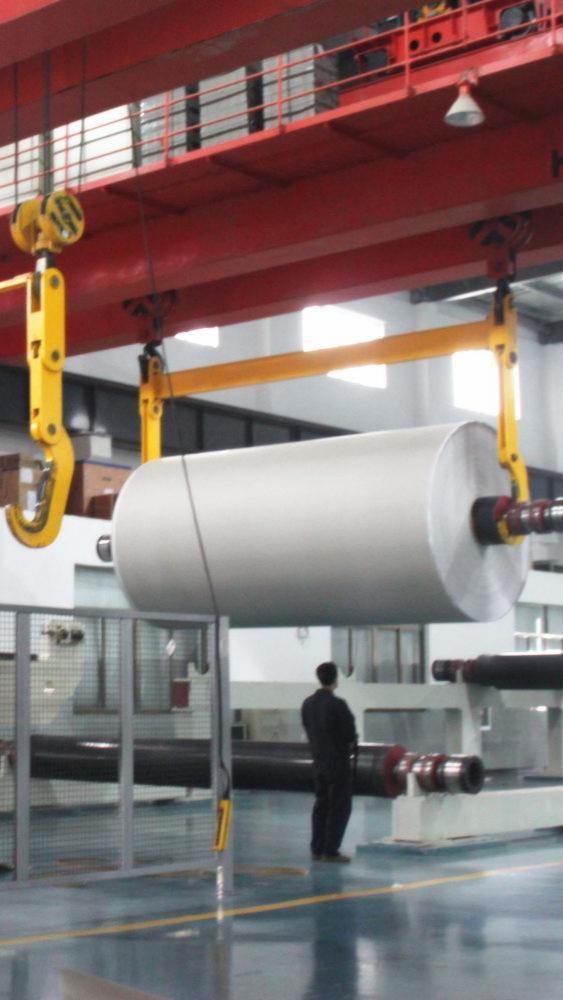
Glassine paper starts with pure, high-quality wood pulp. The pulp is refined to create long, strong fibers, then formed into a sheet and dried. The critical step that makes glassine unique is supercalendering:
- The paper is passed through a series of heated steel rollers at extremely high pressure
- This compresses the fibers into a dense, uniform sheet with a smooth, glossy surface
- The process aligns the fibers so tightly that they naturally block grease, moisture, and air without any additional coatings or chemicals
Key Properties of Glassine Paper
Smooth, Glossy Finish
The supercalendering process gives glassine its signature silky-smooth texture and high-gloss appearance. This makes it ideal for printing—ink sits on the surface rather than being absorbed, resulting in sharp, vibrant colors and crisp text. The translucent finish also allows designers to create layered packaging effects that showcase products beautifully.
Natural Grease and Moisture Resistance
Unlike waxed paper or parchment paper, glassine’s resistance to grease and moisture comes from its dense fiber structure, not from added coatings. This means it will not stick to food, leave residue, or transfer tastes or odors. It also makes glassine much more eco-friendly than coated alternatives.
Archival Quality
Acid-free and pH neutral glassine will not cause yellowing, fading, or chemical damage to items it touches. This makes it the gold standard for protecting valuable art, photographs, documents, and collectibles for long-term storage.
Customizable Options
Glassine paper is available in a wide range of weights and finishes to suit different applications:
- 30–40gsm (Lightweight): Ideal for food wrapping, interleaving, and envelope liners
- 40–50gsm (Medium Weight): Perfect for general packaging, bags, and labels
- 50–70gsm (Heavy-Duty): Suitable for industrial use, art conservation, and heavy product protection
Sure Paper also offers custom printed glassine, colored glassine, and anti-static glassine for electronics packaging.
Eco-Friendly Benefits
Glassine paper is widely recognized as a more sustainable packaging option compared to plastic-based materials:
- Recyclable: Can be recycled with paper waste in many regions, depending on local recycling facilities
- Biodegradable: Breaks down naturally under proper composting conditions, typically within weeks to months
- FSC-certified options available: Made from responsibly sourced wood pulp
- Plastic- and wax-free: Produced without synthetic coatings, making it a cleaner alternative for packaging
This makes glassine an excellent choice for brands looking to reduce plastic use and improve their environmental footprint. The table below compares the environmental impact of glassine to other common packaging materials:
| Material | Recyclable | Biodegradable | Carbon Footprint |
|---|---|---|---|
| Glassine Paper | Yes | Yes | Very Low |
| Wax Paper | No | No | Medium |
| Parchment Paper | No | Partial | Medium |
| Plastic Film | No | No | Very High |
Main Purposes and Applications of Glassine Paper
Food Packaging and Wrapping
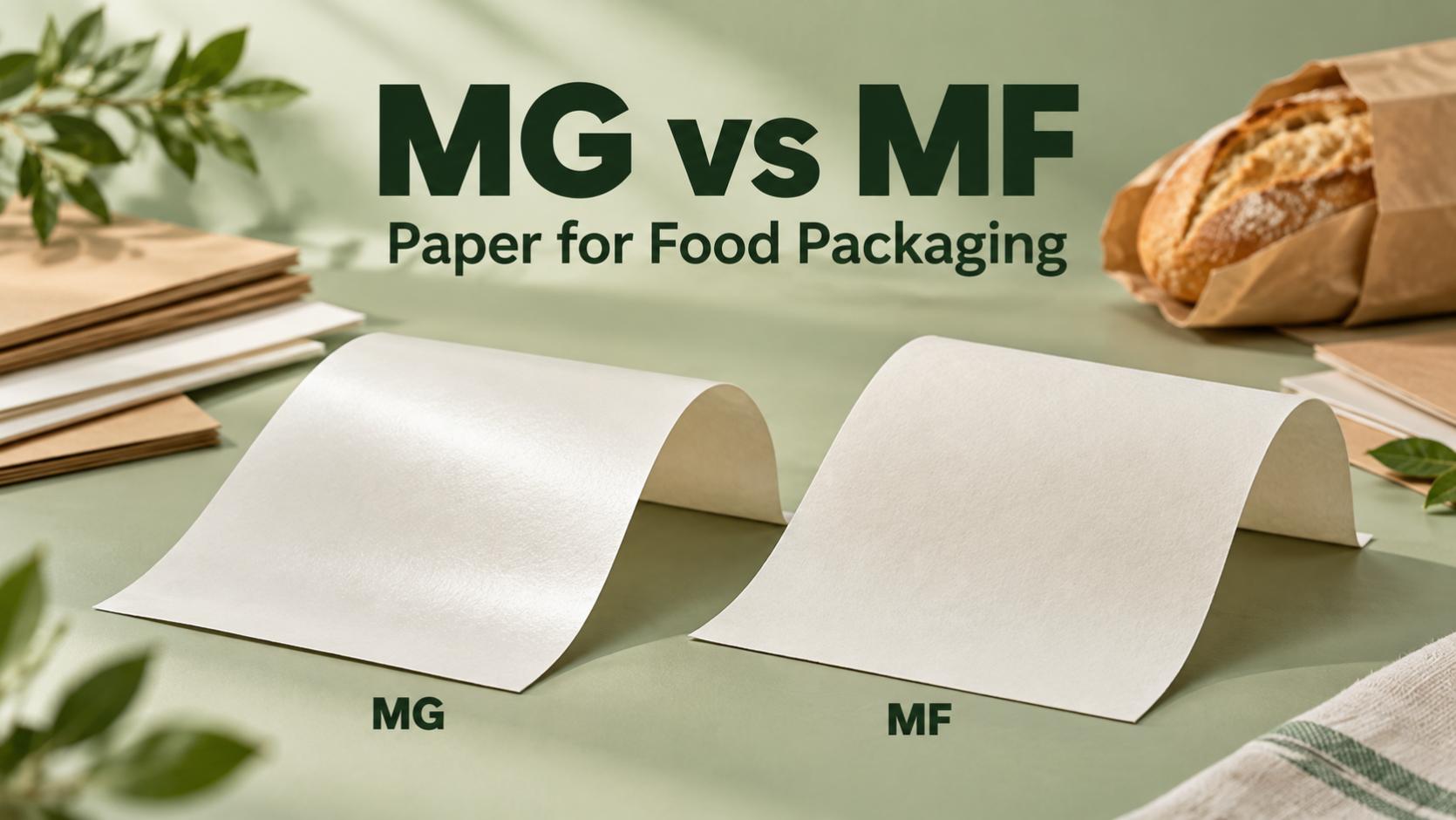
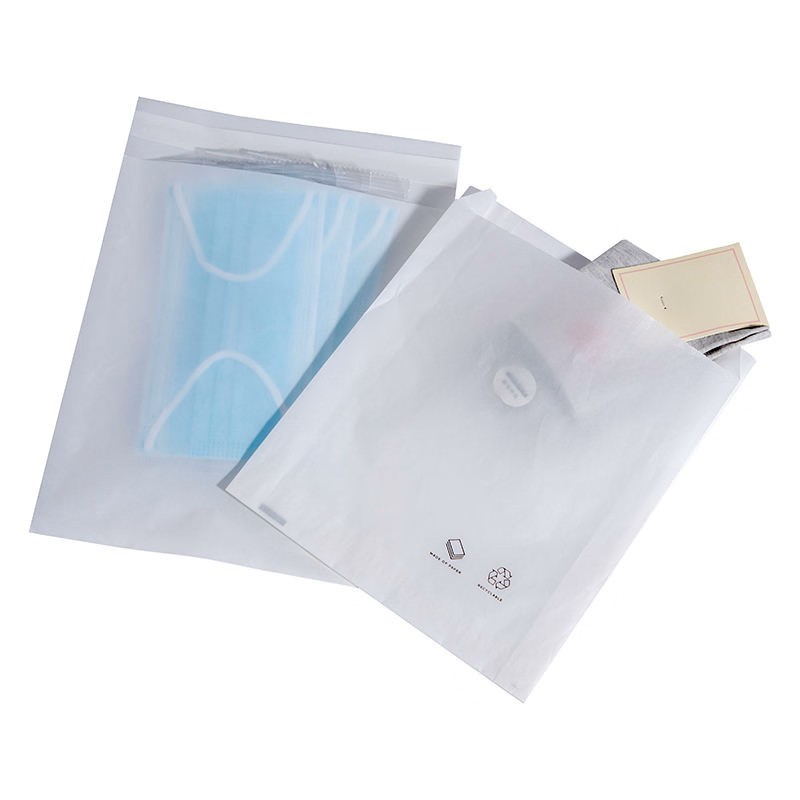
Glassine is the preferred choice for food packaging because it is safe, grease-resistant, and allows customers to see the product inside. Common uses include:
- Wrapping baked goods, cookies, pastries, and bread
- Packaging cheese, candy, chocolate, and snacks
- Lining food boxes and containers
- Separating layers of frozen food
Sure Paper food-grade glassine meets all global food safety standards, including FDA and EU 10/2011, ensuring it is safe for direct contact with all types of food.
Art Conservation and Archival Storage
Museums, archives, and collectors rely on glassine paper to protect valuable items from damage:
- Interleaving between paintings, drawings, and prints to prevent scratching
- Storing photographs, negatives, and slides
- Protecting stamps, coins, and other collectibles
- Making acid-free envelopes and folders for document storage
Its acid-free and pH neutral properties ensure that items will not yellow or deteriorate over time, even after decades of storage.
Industrial and Medical Applications
Glassine paper’s unique properties make it essential in many industrial and medical fields:
- Medical: Packaging pills, patches, and wound dressings; lining surgical instruments
- Electronics: Protecting sensitive components from static, dust, and moisture
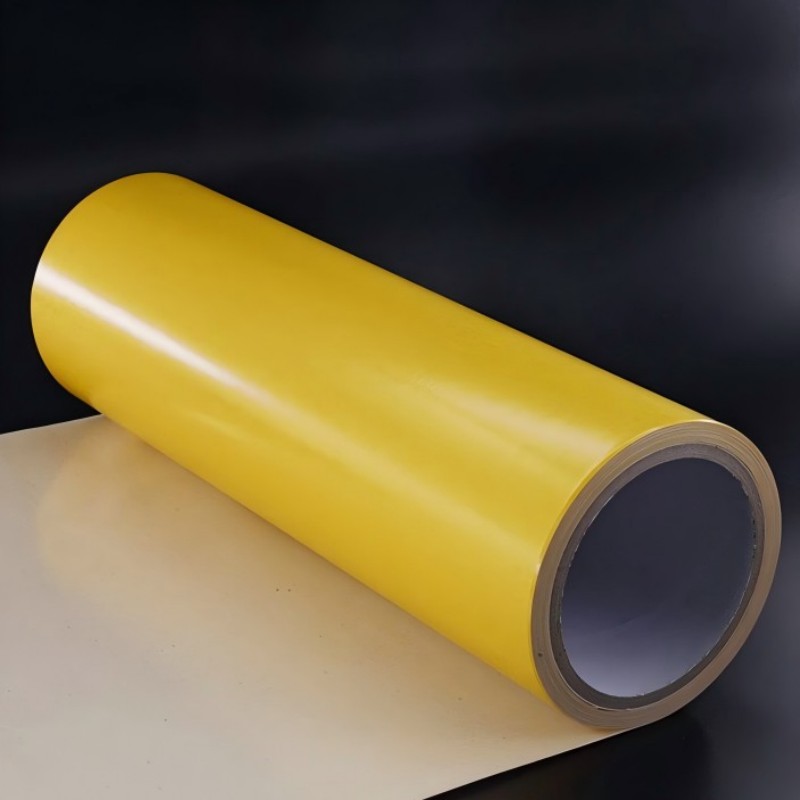
- Adhesives: Serving as a release liner for tapes, stickers, and labels
- Textiles: Protecting fabrics during shipping and storage
General Packaging and Product Protection
Glassine is widely used for general packaging because it is durable, attractive, and eco-friendly:
- Packaging cosmetics, skincare products, and candles
- Protecting jewelry, accessories, and small gifts
- Lining boxes and envelopes to prevent scratches
- Creating custom bags and wrappers for retail products
Conclusion
Glassine paper is one of the most versatile and sustainable materials available today. Its unique combination of natural grease resistance, archival quality, and eco-friendliness makes it ideal for a wide range of applications across almost every industry.
Whether you’re looking to reduce your business’s environmental impact, improve your product packaging, or protect valuable items, glassine paper offers a reliable and cost-effective solution. For the highest quality glassine paper, choose Sure Paper. Our products are made to the highest standards, and we offer custom sizes, weights, and printing options to meet your exact needs.
FAQ
What makes glassine paper different from wax paper?
Glassine paper does not have any wax coating. Its grease resistance comes from its dense fiber structure, which makes it recyclable and biodegradable. Wax paper has a wax coating that prevents recycling and can leave a residue on food.
Is glassine paper safe for food contact?
Yes. Sure Paper food-grade glassine meets FDA and EU 10/2011 standards for direct food contact. It does not transfer tastes, odors, or chemicals to food.
Why do museums and collectors use glassine paper?
Museums use glassine because it is acid-free and pH neutral. It will not cause yellowing, fading, or chemical damage to art, photos, or documents, even after long-term storage.
Can you print on glassine paper?
Yes. Glassine paper’s smooth surface is excellent for both offset and digital printing. It produces sharp, vibrant colors, making it perfect for branded packaging and labels.
What is the difference between glassine paper and vellum?
While both are translucent, glassine is much smoother, thinner, and more resistant to grease and moisture. Vellum is thicker and more opaque, and it is typically used for invitations, overlays, and stationery rather than packaging.