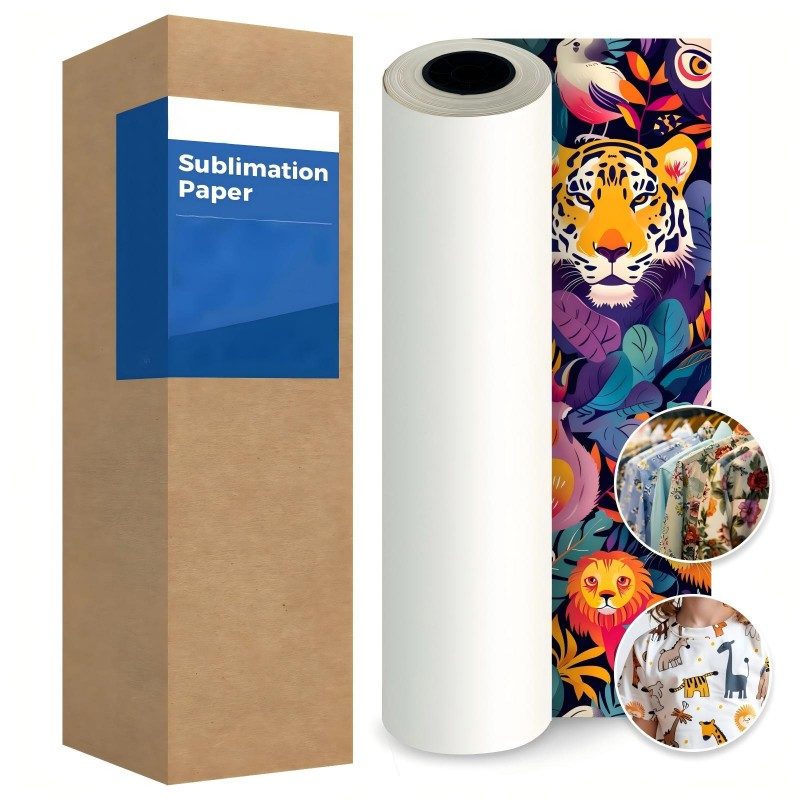
If you’ve ever owned a custom t-shirt with a bright, smooth design that feels like part of the fabric (not a stiff, peeling layer on top), it was almost certainly made with sublimation. Unlike iron-on transfers that sit on the surface, sublimation ink actually bonds with the material at the molecular level, creating designs that never crack, fade, or peel.
In this complete beginner’s guide, we’ll explain exactly what sublimation transfer sheets are, how they work, step-by-step instructions for using them, and what materials they work best on. Whether you’re a hobbyist making gifts or starting a small custom printing business, this guide will help you get professional results every time.
Key Takeaways
- Sublimation transfer sheets use heat to turn dye into gas, bonding it directly with polyester or coated surfaces for permanent, high-quality prints
- They deliver vibrant colors, smooth gradients, and a soft feel with no cracking, peeling, or fading over time
- Best results are achieved on 100% polyester or polymer-coated materials; cotton and natural fibers are not suitable
- The process requires specific equipment, including a sublimation printer, ink, and a heat press
- Proper technique—such as correct temperature, pressure, and pre-pressing—is essential for consistent results
- Sublimation is ideal for custom apparel, drinkware, home décor, and on-demand production
- While highly durable and cost-effective for small runs, it is limited to light-colored materials and requires single-use transfer sheets
Understanding Sublimation Transfer Sheets
Definition and Purpose
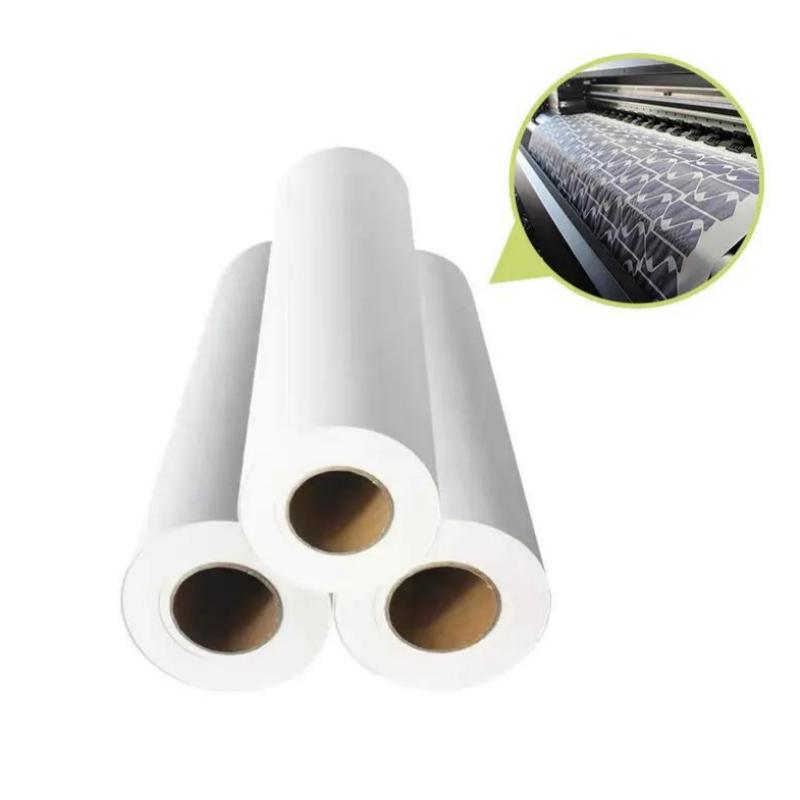
A sublimation transfer sheet is a specially coated paper used to transfer designs onto materials through heat and pressure. It acts as a carrier, moving the printed image from your printer to the final product with high precision.
When heated, the dye on the paper turns directly into gas and bonds with the surface of polyester or polymer-coated materials. Instead of sitting on top like traditional prints, the design becomes part of the material itself.
Sublimation is widely used in custom printing because it delivers:
- Ultra-vibrant, true-to-life colors
- Smooth gradients and sharp details
- A soft, seamless feel with no raised edges
- Long-lasting results that won’t crack, fade, or peel
- Fast and efficient production for small to medium runs
Key Features and Composition
High-quality sublimation transfer sheets have a 3-layer construction that ensures optimal performance:
- Top Coating Layer: Absorbs sublimation ink and releases it evenly when heated
- Base Paper Layer: Provides structural stability and prevents tearing
- Back Anti-Curl Layer: Keeps the sheet flat during high-temperature pressing
Sure Paper uses advanced coating technology to create industry-leading sublimation papers:
- Quick Dry Sublimation Paper: Dries instantly to prevent smudging, ideal for high-volume production
- Tacky Sublimation Paper: Light adhesive backing stops paper shifting and eliminates ghosting (faint duplicate images) on stretchy fabrics
- High Release Sublimation Paper: Transfers over 98% of ink for maximum color vibrancy and minimal waste
How Do Sublimation Transfer Sheets Work?
The Science Behind Sublimation
Sublimation is the process where a solid turns directly into a gas without becoming liquid first. This unique property is what makes sublimation printing so durable and different from traditional methods.
Here’s what happens during the transfer process:
- You print your design onto a sublimation transfer sheet using sublimation ink
- The printed sheet is placed face-down onto a polyester or coated surface
- A heat press applies consistent heat (around 400°F / 200°C) and pressure
- The solid dye instantly turns into gas
- The heat opens the pores of the material, allowing the gas to penetrate and bond with the fibers
- As the material cools, the dye turns back into a solid and becomes permanently embedded
The result is a design that doesn’t sit on the surface, but becomes part of the material itself—so it won’t crack, peel, or wash away over time.
Step-by-Step Guide to Using Sublimation Transfer Sheets
Follow these simple steps for perfect results every time:
- Prepare your design: Print your image in reverse (mirror image) on the sublimation transfer sheet using high-quality print settings
- Prep your item: Use a lint roller to remove all dust, hair, and lint from your substrate
- Pre-press: Press your item for 5–10 seconds to remove moisture and wrinkles
- Position the transfer: Place the printed sheet face-down on your item and secure with heat-resistant tape
- Press: Apply medium pressure at 400°F for 45–60 seconds (60–90 seconds for hard goods like mugs)
- Peel hot: Remove the transfer sheet immediately while it is still hot
- Cool: Let the item cool completely before handling or washing
Pro Tip: Always test your settings on a scrap piece of the same material first. Different brands of paper and substrates may require slight adjustments.
What Can You Use Sublimation Transfer Sheets On?
Compatible Materials
Sublimation transfer sheets work best on polyester fabrics or polymer-coated surfaces. In general, the higher the polyester content, the brighter, sharper, and more durable the final design will be.
Here’s how different materials perform:
| Material Type | Polyester Content | Result Quality |
|---|---|---|
| 100% Polyester | 100% | Excellent (bright, permanent) |
| Polyester Blend | 50–99% | Good (slightly less vibrant) |
| Polymer-Coated Hard Goods | N/A | Excellent |
| Cotton / Natural Fibers | 0% | Poor (fades quickly after washing) |
Important: Sublimation does not work well on cotton or untreated natural fibers because the dye cannot bond with the material.
Common Applications
Sublimation transfer sheets are widely used to create high-quality custom products across different industries, including:
- Apparel: T-shirts, hoodies, sportswear, jerseys
- Drinkware: Mugs, tumblers, water bottles, koozies
- Home décor: Pillow covers, wall art, mousepads, coasters
- Accessories: Phone cases, keychains, tote bags, hats
Benefits and Limitations of Sublimation Transfer Sheets
Why Choose Sublimation Transfer Sheets? (Key Advantages)
Sublimation is one of the most popular methods for custom printing because it delivers long-lasting, high-quality results with minimal setup. Here are the key advantages:
| Advantage | Description |
|---|---|
| Unmatched Durability | Designs never peel, crack, or fade, even after hundreds of washes |
| Superior Print Quality | Sharp details, seamless gradients, and unlimited color options |
| Soft Feel | No raised layer—designs feel like part of the fabric |
| Eco-Friendly | Uses less water than screen printing and produces minimal waste |
| Cost-Effective | No setup fees, making it ideal for small orders and one-off designs |
| Fast Turnaround | Print and press items in minutes, perfect for on-demand production |
Limitations
While sublimation offers many benefits, it also has some important limitations to consider before choosing this method:
| Limitation | Description |
|---|---|
| Material Restrictions | Only works on polyester or polymer-coated surfaces |
| Limited to Light Colors | Sublimation ink is translucent and does not show on dark materials |
| Requires Specialized Equipment | Needs a sublimation printer, ink, and heat press |
| Single-Use Transfer Sheets | Each sheet can only be used once |
| Color Matching Challenges | Exact color accuracy can vary depending on material and conditions |
Conclusion
Sublimation transfer sheets have revolutionized the custom printing industry. They allow anyone to create professional-quality, permanent designs on a wide range of products with minimal equipment and training. Whether you’re making personalized gifts for friends and family or building a custom printing business, sublimation transfer sheets are the most versatile and cost-effective way to create beautiful, long-lasting products.
While sublimation does have some limitations, it offers unmatched durability and print quality compared to other transfer methods. For the best results, use high-quality sublimation paper, follow the recommended heat and pressure settings, and always test your designs before full production. High-performance options like Sure Paper sublimation paper rolls are designed for consistent ink release and reliable results, especially in continuous or large-scale printing.
FAQ
What is the main use of a sublimation transfer sheet?
Sublimation transfer sheets are used to print custom designs onto polyester and polymer-coated items. They allow the ink to bond with the material at the molecular level, creating permanent, vibrant designs that never peel or fade.
Can you use sublimation transfer sheets on cotton?
No. Sublimation ink only bonds with polyester fibers. Designs printed on cotton will fade and wash out after just a few uses. For cotton items, you will need to use a different printing method like DTG (direct-to-garment) or heat transfer vinyl.
What equipment do you need for sublimation printing?
You will need four basic things: a sublimation printer, sublimation ink, sublimation transfer sheets, and a heat press. You will also need design software to create your images.
How can you avoid ghosting or smudging during transfer?
To prevent ghosting (faint duplicate images), use tacky sublimation paper for stretchy fabrics, secure the transfer sheet with heat-resistant tape, and peel the sheet immediately after pressing while it is still hot.
Does sublimation printing work on dark colors?
No. Sublimation ink is translucent, so it will not show up on dark backgrounds. Designs look best on white or very light-colored items.
Can you reuse sublimation transfer sheets?
No. Sublimation transfer sheets can only be used once. After pressing, almost all of the ink has been transferred to the substrate, and the paper will not produce a usable image a second time.