The biggest difference between coated vs uncoated cupstock is how their surfaces are treated. Coated cupstock is better for holding liquids and hot drinks, while uncoated cupstock is good for dry items. When choosing between coated and uncoated options, factors such as appearance, functionality, cost, and environmental impact are all crucial. The table below outlines the main considerations when selecting coated vs uncoated paper for packaging:
| Factor | Coated Cupstock | Uncoated Cupstock |
|---|---|---|
| Contents | Liquids | Dry goods |
| Printing Quality | Detailed graphics | Simple designs |
| Sustainability | Water-based coating | Maximum recyclability |
What Is Coated Cupstock?
Coated cupstock is a special kind of cupstock. It is made for packaging that needs to hold drinks or hot liquids. To make coated cupstock, manufacturers start with cupstock paper. This paper comes from new wood pulp or a mix of wood pulp and recycled fibers. They put a coating, usually polyethylene, on the paper’s surface. This step turns the paper into coated cupstock. Now, it can be used to make cups that do not let water or heat through. Coated cupstock is great for printing bright pictures and logos. This helps companies show off their brands. The smooth coating also makes it easy to shape into many cup sizes and styles.
Key Features and Advantages of Coated Cupstock
Coated cupstock has many good features and benefits:
- The coating keeps liquids from soaking into the cupstock. This makes it perfect for drinks.
- It can handle hot and cold temperatures. So, it works for both hot and cold drinks.
- The smooth surface lets you print clear pictures and bright colors. This helps brands get noticed.
- The paper used for coated cupstock is safe for food.
- You can shape coated cupstock into many cup designs with machines.
- Some coatings use water-based barriers. These are better for the environment.
Tip: Coated cupstock comes in many thicknesses and weights. Brands can pick the best one for their packaging.
Common Uses for Coated Cupstock
Many industries use coated cupstock. Making coated cupstock takes several steps:
- The base paper gets a PE plastic film to make it waterproof.
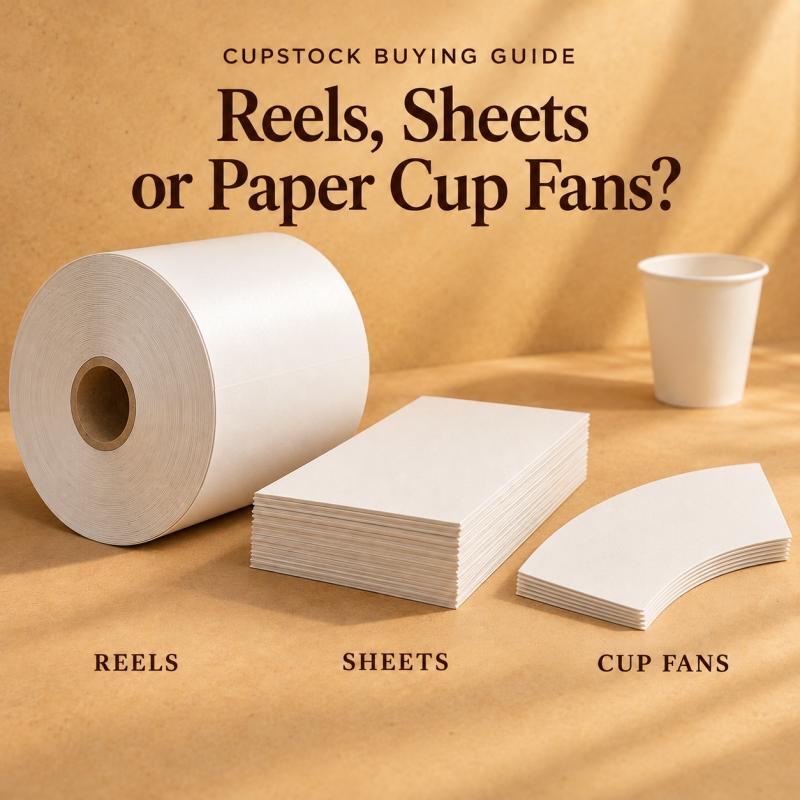
- The coated paper is cut into rectangles with a slitting machine.
- Designs are printed on the coated cupstock with special printers.
- The printed paper is cut into fan shapes using a die-cutting machine.
- The fan-shaped pieces are made into cups with a forming machine.
People use coated cupstock for many things:
- Coffee cups for hot drinks
- Cold drink cups for sodas and juices
- Soup bowls that need to keep out moisture
- Ice cream cups that stop leaks
- Food containers for takeout meals
Here is a table that shows how coated cupstock is used:
| Application | Why Use Coated Cupstock? |
|---|---|
| Coffee cups | Keeps out heat and moisture |
| Ice cream cups | Stops leaks and sogginess |
| Soup bowls | Holds hot liquids safely |
| Cold drink cups | Keeps the cup strong |
| Food containers | Protects food and shows branding |
Coated cupstock is the best choice for packaging that holds liquids, stands up to heat, and shows off detailed designs.
What Is Uncoated Cupstock?
Uncoated cupstock is a good choice for packing dry goods. It is made from wood pulp and has no plastic or wax on it. This makes the paper feel rougher and not shiny like coated cupstock. Uncoated cupstock soaks up water more, so it does not block dampness well. Many companies pick uncoated cupstock because it costs less and is better for the planet. Uncoated paper is easy to recycle and breaks down in nature. This makes uncoated cupstock a smart pick for brands that care about the earth.
Key Features and Advantages of Uncoated Cupstock
Uncoated cupstock has many good points for packaging:
- Uncoated cupstock uses wood pulp that grows back, so it can break down and be recycled.
- No coating means it costs less to make, so it is cheaper.
- Uncoated cupstock is strong enough for dry goods and keeps them safe.
- It is light, so shipping costs less and saves money.
- You can write or stamp on uncoated paper, which helps with labels.
- Uncoated cupstock is good for the earth and attracts green-minded buyers.
- It keeps its shape with dry foods, so there are fewer spills.
Note: Uncoated cupstock is not good for hot drinks or liquids. It leaks and gets wet more than coated cupstock.
Typical Uses for Uncoated Cupstock
Uncoated cupstock is used in lots of packaging. Companies use it for things that do not need to stay dry inside. Some common uses are:
- Paper cups for dry snacks or cold drinks
- Paper bowls for salads or other dry foods
- Lunch boxes made from uncoated cupstock for sandwiches and baked treats
- Hamburger boxes using uncoated paper for fast food
The table below shows how uncoated cupstock is used:
| Product | Why Use Uncoated Cupstock? |
|---|---|
| Paper cups | Cheaper for dry snacks |
| Paper bowls | Light and easy to recycle |
| Lunch boxes | Good for eco-friendly brands |
| Hamburger boxes | Simple to print and label |
Uncoated cupstock gives brands more choices, saves money, and helps the planet. Companies pick uncoated paper for dry goods and when they want to lower their impact on the environment.
Coated vs Uncoated Cupstock Comparison
Print Quality and Finish
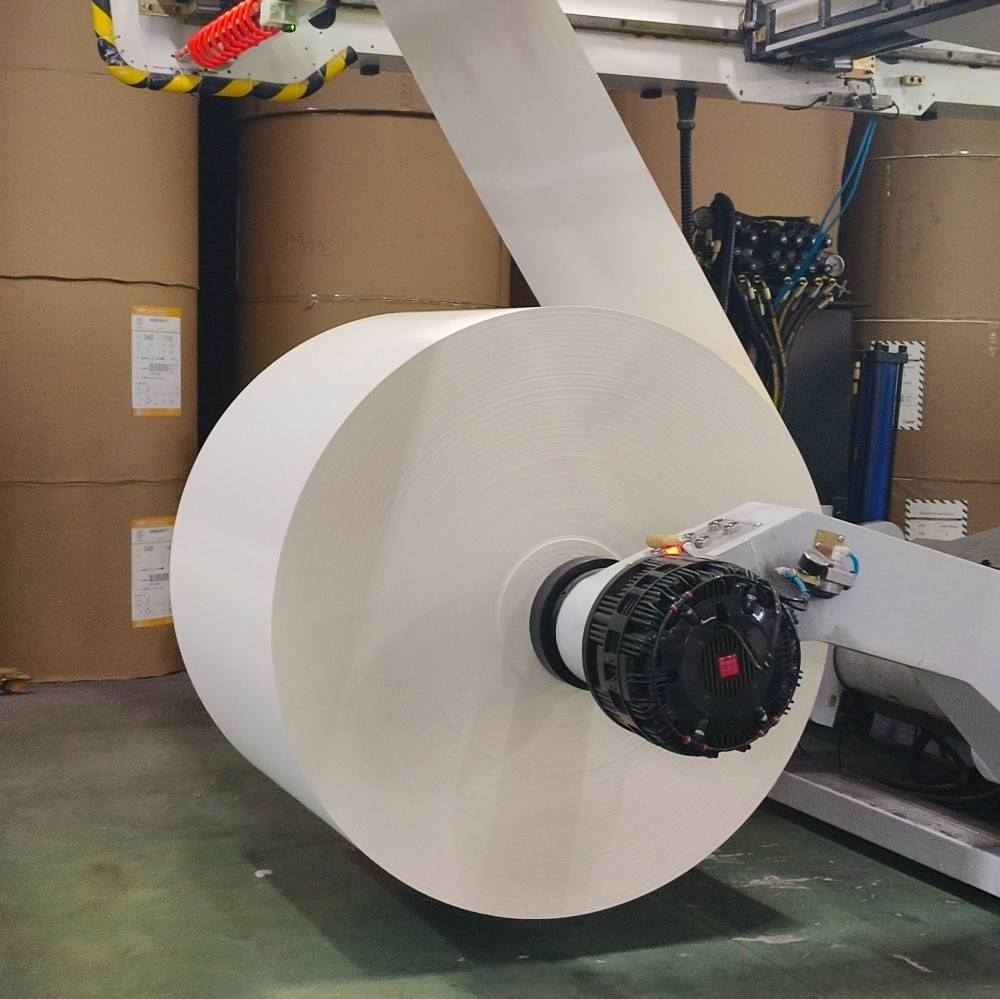
The coated vs uncoated choice starts with print quality. Coated cupstock lets brands show clear pictures and sharp graphics. Its smooth surface helps colors look bright and logos stand out. This makes coated cupstock great for packaging that needs to catch attention. Uncoated cupstock looks more natural. Its rough surface soaks up ink, so images look softer and colors are not as bright. Companies use uncoated paper for simple designs or when they want a natural style. Printing is easier on coated cupstock. Uncoated cupstock works best for lots of text or simple branding.
Tip: If you need clear pictures and detailed art, coated cupstock is best. Uncoated cupstock is good for brands that want a rustic or eco-friendly look.
Durability and Moisture Resistance
Durability and moisture resistance are important when picking cupstock. Coated cupstock is strong and holds liquids well. The coating, like PE or PLA, stops water from soaking in. This keeps cups strong and stops leaks, even with hot drinks. Uncoated cupstock does not have this layer. It soaks up water and grease, so it is not as strong. Uncoated paper is good for dry goods but not for drinks.
- Coated cupstock keeps out water. It stays strong when holding drinks.
- Uncoated cupstock does not keep out water. It cannot hold drinks and gets weak.
Coated and uncoated cupstock work differently. Coated cupstock is best for packaging that needs to stay dry and strong.
Cost Considerations and Overall Value Assessment
Cost matters for every project. Coated paper costs more because it needs extra steps and materials. Brands pay more for coated cupstock, but they get better printing and stronger cups. Uncoated paper costs less. Companies pick uncoated cupstock for big orders or when saving money is important. Uncoated cupstock is a good deal for simple packaging and lots of text.
- Coated paper costs more. It is good for projects that need nice printing and special packaging.
- Uncoated paper costs less. It works for big orders and when saving money matters.
- You need to balance quality and cost. Better materials make cups stronger but cost more.
Choosing coated or uncoated cupstock affects your budget. Brands must decide if they need clear pictures and strong cups or want to save money.
Environmental Impact and Sustainability
Sustainability is important in packaging. Coated cupstock uses coatings that can make recycling harder. Some coated cupstock uses water-based layers, which are better for the earth. Uncoated cupstock is easy to recycle and breaks down in nature. Brands pick uncoated cupstock to help the planet and make recycling easier. Both coated and uncoated cupstock can be safe for food.
Coated and uncoated cupstock are different for the environment. Uncoated cupstock is best for brands that care about the earth. Coated cupstock is good for projects that need strong cups and nice printing.
Practical Application Examples of Coated and Uncoated Cupstock
Dry and Breathable Packaging for Snacks and Dry Goods:
Uncoated cupstock is good for dry food packaging. Many suppliers make uncoated cupstock for snack boxes and trays. This material lets air move through, so baked goods stay crisp. Wholesale buyers pick uncoated cupstock for crackers, cookies, or bread. The rough feel of uncoated cupstock is liked by brands that want eco-friendly packaging.
Coffee Shop Applications and Disposable Solutions:
A coffee shop can use coated cupstock to show off its brand. One shop printed bright colors and clear pictures on coated cupstock. This made the shop stand out from others. Coated cupstock stops water and heat, so it works well for hot drinks. Many buyers want a supplier who can make custom coated cupstock for coffee shops.
Ice Cream and Frozen Dessert Packaging:
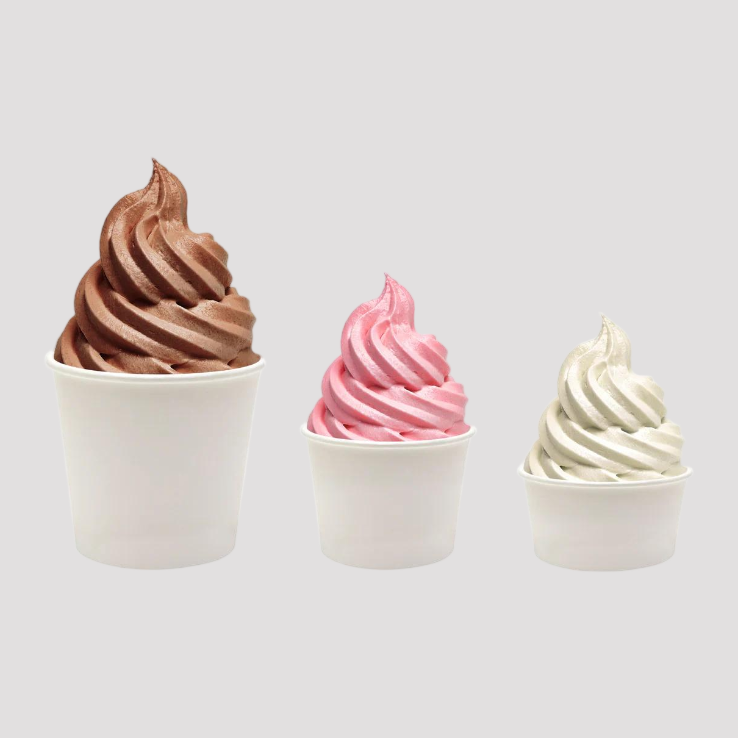
Ice cream shops need packaging that stops leaks and holds cold food. Coated cupstock blocks water and keeps ice cream fresh. Shops order special sizes from trusted makers for different needs. Coated cupstock keeps cups strong and stops them from getting soggy. It also helps shops use bright colors for their brand.
Bakery Packaging for Fresh Baked Goods:
Bakeries often use uncoated cupstock for trays and cups. Uncoated cupstock follows strict food safety rules and helps with green packaging.
Soup Bowls for Hot and Liquid Foods:
Soup bowls need coated cupstock for safe and strong packaging. Important things are:
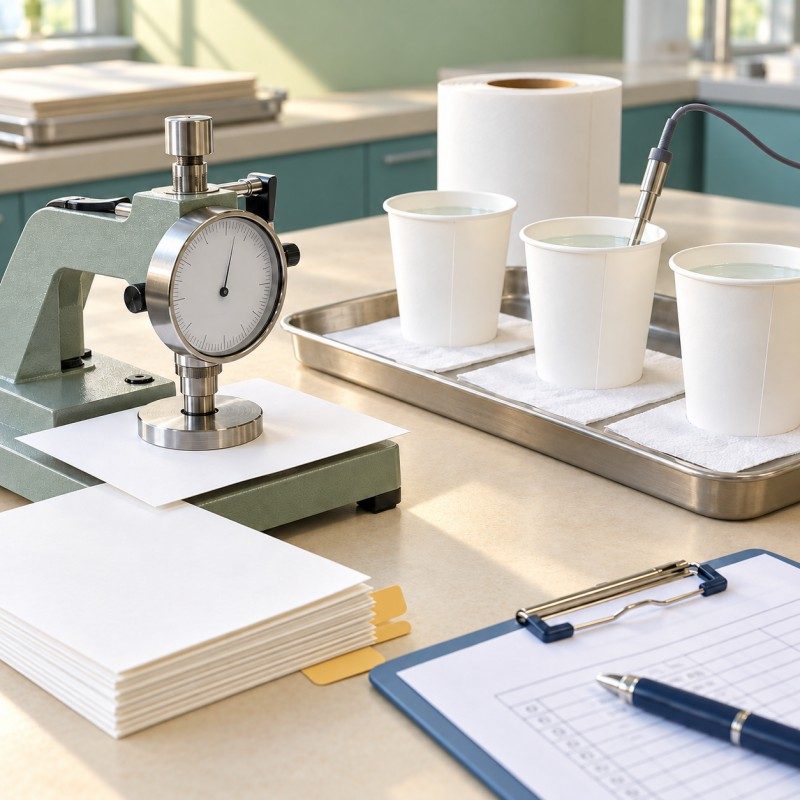
- Caliper (Thickness): Helps cups form right.
- Stiffness: Keeps shape with hot soup.
- Moisture Content: Stops cracks during making.
- Poly Coating: Makes cups strong.
Makers give custom coated cupstock for soup bowls in the food industry.
Eco-Focused and Sustainable Brand Packaging:
Brands that care about the earth pick uncoated cupstock for packaging. Uncoated cupstock breaks down fast and is easy to recycle. Many green companies work with suppliers to get uncoated cupstock for dry food and drinks. This helps brands reach their earth-friendly goals and get customers who care about the planet.
Choosing the Right Cupstock
Picking the right cupstock depends on many things. Every project is different, so buyers think about quality, branding, price, and being eco-friendly. Choosing coated or uncoated cupstock changes how it works, looks, and costs.
Project Type and Application
Different projects need different cupstock features. Good material keeps cups strong and stops leaks. Thicker cupstock makes cups stronger and keeps drinks hot. Printability lets you add special designs for events. Being eco-friendly is important for some buyers. Price matters for big orders. The table below shows what to look for when picking cupstock:
| Criteria | Importance | Benefits | Common Applications |
|---|---|---|---|
| Material Quality | Ensures durability and functionality | Resists moisture, leakage | Food service, catering |
| Thickness | Affects strength and insulation | Improves heat retention | Hot beverages, soups |
| Printability | Enhances branding and marketing | Custom designs available | Promotions, launches |
| Sustainability | Eco-friendly consumer preference | Aligns with green goals | Biodegradable cups |
| Cost | Budgeting and pricing strategy | Competitive pricing | Mass production, bulk sales |
Branding and Visual Goals
Branding helps you pick coated or uncoated cupstock. Coated paper shows bright colors and clear pictures, which is good for ads. Uncoated paper feels rough and is easy to read. Many brands use coated cupstock for bold designs. Some brands like uncoated cupstock for a simple, natural look and to save money.
- Coated cupstock is best for big logos and bright art.
- Uncoated cupstock is good for brands that want a plain style.
- What you want your cup to look like helps you choose.
Tip: Brands should pick cupstock that matches their style to get noticed.
Budget and Sustainability
Budget and being green are important when picking cupstock. Buyers do not just pick thick paper by weight. They use Taber stiffness to find lighter cupstock that is still strong. A smooth surface means less waste when printing. It is better to have steady quality than just a low price. The table below shows what matters most:
| Key Factors | Description |
|---|---|
| Surface Quality | Smooth paper means less waste and better printing |
| Consistent Production | Steady quality is worth more than just a cheap price |
Buyers look at the total cost, not just the paper price. They check how well the cupstock works for each job. Eco-friendly choices bring in customers who care about the planet.
Note: Picking the right cupstock means thinking about your project, brand, budget, and the earth. Brands get the best results when they match cupstock to their needs.
Quick Reference Table
Cupstock is important for food and drink packaging. You need to pick coated or uncoated cupstock based on what your project needs. The table below shows the main differences and best uses for each kind. This quick guide helps buyers choose wisely.
| Feature | Coated Cupstock | Uncoated Cupstock |
|---|---|---|
| Surface | Smooth, glossy | Rough, matte |
| Print Quality | High-resolution, vibrant colors | Soft, muted tones |
| Moisture Resistance | Excellent (up to 99% barrier) | Low (absorbs moisture) |
| Durability | Strong for hot/cold liquids | Best for dry goods |
| Cost | Higher (20-30% more expensive) | Lower (budget-friendly) |
| Sustainability | Recyclable with water-based coat | Fully recyclable, biodegradable |
| Common Uses | Coffee cups, soup bowls, ice cream | Snack boxes, bakery trays, lunch boxes |
| Branding Potential | Ideal for detailed logos | Suits simple, natural designs |
Tip: If you want bright pictures and cups that do not leak, pick coated cupstock. If you care about the earth and saving money, uncoated cupstock is a good choice.
Best Uses at a Glance:
- Coated cupstock works well for hot drinks, cold drinks, liquid foods, and fancy branding.
- Uncoated cupstock is best for dry snacks, bakery foods, green projects, and big orders.
Cupstock choice affects how safe your product is, how it looks, and how green it is. Buyers can use this table to find the cupstock that fits their project. Picking the right cupstock makes packaging strong and helps your brand.
Coated cupstock keeps water out and shows bright colors. It works well for hot drinks and foods with liquid. Uncoated cupstock is good for dry foods and brands that care about the earth. Experts say to check how strong the paper is, how thick the coating is, and if it is safe for food. People often forget to look at COBB values and how much heat the cup can take. Buyers should think about what drink they want to pack, how hot or cold it is, and how it will be stored. Every project needs careful thinking to pick the best packaging.
| Selection Factor | Description |
|---|---|
| Base Paper Quality | Makes cups stiff and strong |
| PE Coating Thickness | Helps keep water out |
| Printability | Lets brands show their designs |
FAQ
What is the main difference between coated and uncoated cupstock?
Coated cupstock has a layer that keeps out water. Uncoated cupstock does not have this layer. Coated cupstock is best for drinks. Uncoated cupstock works well for dry foods.
Can coated cupstock be recycled?
Some coated cupstock uses water-based coatings. These coatings make recycling easier. Polyethylene-coated cupstock needs special recycling places. Always check your local rules to see what is allowed.
Which cupstock is more eco-friendly?
Uncoated cupstock breaks down quickly and recycles well. Coated cupstock with water-based coatings is also good for the earth. Brands should look for certifications like FSC or FDA to be sure.
Does print quality differ between coated and uncoated cupstock?
Coated cupstock shows bright and clear pictures. Uncoated cupstock makes softer colors. Brands use coated cupstock for detailed art. Uncoated cupstock is picked for a simple look.
What industries use cupstock the most?
Food service and bakery businesses use cupstock a lot. Coffee shops and ice cream stores need cupstock for safe packaging. Fast-food chains also use cupstock for their products.