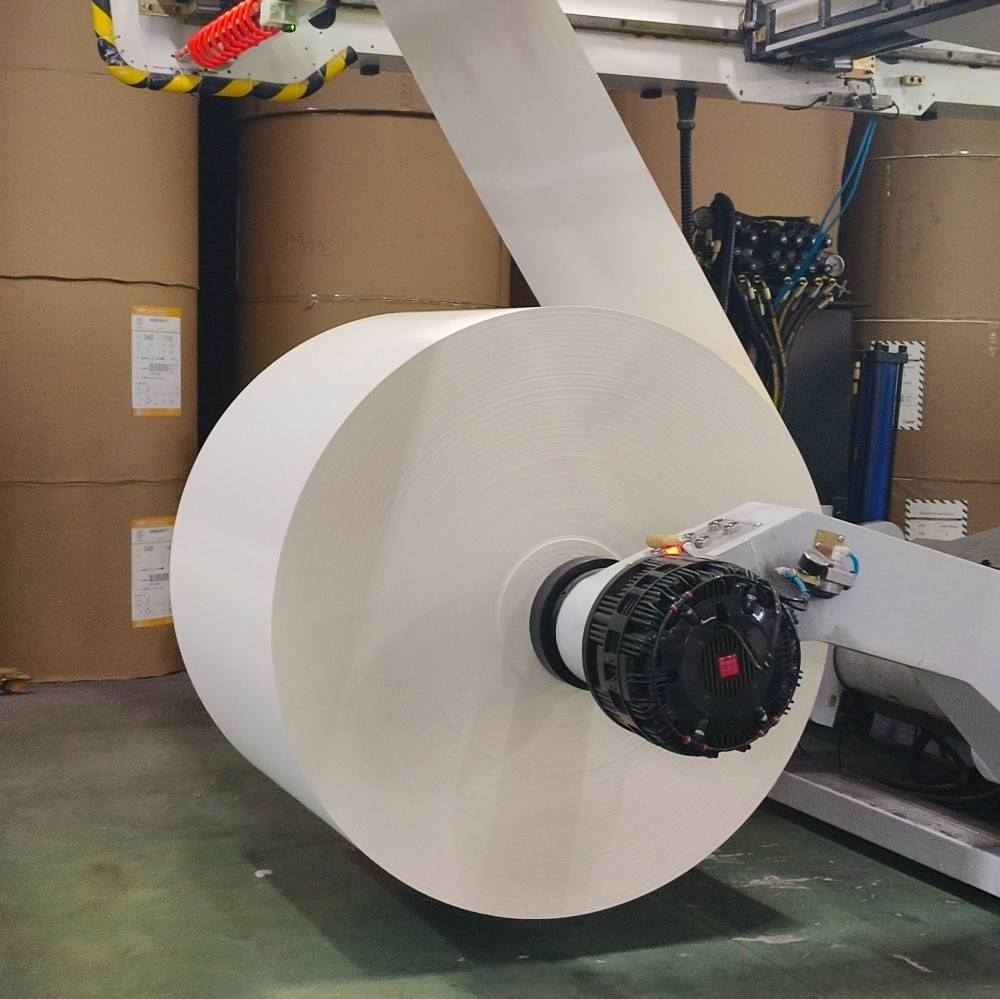
Yes, but not all paper food packaging is equally biodegradable. Pure uncoated paper breaks down naturally in 1-3 months, but paper packaging with plastic (PE), wax or silicone coatings can take years to decompose or may not biodegrade at all.
Biodegradability depends on the paper type, any coatings or additives, and the disposal environment. This guide explains exactly when paper food packaging is biodegradable, what affects decomposition, and how to choose the most sustainable options.
Key Takeaways
- Pure uncoated paper food packaging is fully biodegradable and compostable
- Plastic (PE), wax and silicone coatings prevent or significantly slow down biodegradation
- Food-contaminated paper is difficult to recycle but can be composted if uncoated
- Look for BPI or OK Compost certifications to verify genuine compostability
- Most “compostable” paper packaging requires industrial composting facilities to break down properly
What Affects the Biodegradability of Paper Food Packaging
Type of Paper Base
Different paper substrates have different biodegradation rates:
| Type of Paper | Biodegradability Characteristics | Compostable? |
|---|---|---|
| Greaseproof Paper (uncoated) | Breaks down in 2-4 weeks | Yes |
| Kraft Paper | Breaks down in 1-3 months | Yes |
| Food Paperboard | Breaks down in 2-5 months | Yes |
| Parchment Paper (silicone-coated) | Silicone coating does not biodegrade | No |
| Wax-coated Paper | Wax slows decomposition significantly | No |
Additives and Coatings
Coatings are the biggest factor affecting biodegradability:
- Water-based coatings: Biodegradable and compostable
- Protein/lipid-based coatings: Slow decomposition but remain compostable
- PE (plastic) coatings: Do not biodegrade; make packaging non-recyclable and non-compostable
- Silicone coatings: Extremely resistant to microbial degradation
Food Contamination
Food residue makes paper packaging difficult to recycle because the grease and oil contaminate the paper fibers. However, uncoated food-contaminated paper is perfectly safe for composting, as the food waste provides nutrients for the microbes that break down the paper.
How Paper Food Packaging Biodegrades
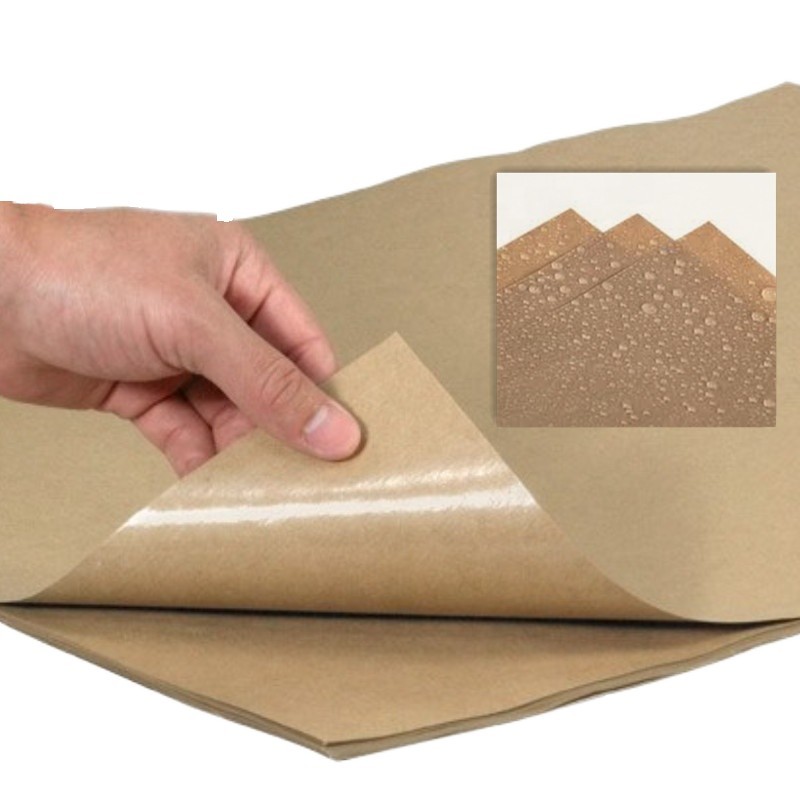
Natural Degradation Process
Biodegradation is carried out by microorganisms such as bacteria, fungi and actinomycetes. These microbes feed on the cellulose fibers in paper, breaking them down into carbon dioxide, water and organic matter.
The speed of decomposition depends on environmental conditions:
- Moisture: Essential for microbial activity
- Oxygen: Required for aerobic decomposition (anaerobic decomposition in landfills produces methane)
- Temperature: Higher temperatures accelerate microbial growth
Typical Decomposition Times
| Material | Industrial Compost | Home Compost | Landfill |
|---|---|---|---|
| Uncoated Paper | 2–8 weeks | 1–3 months | 1–5 years |
| Paperboard | 1–3 months | 3–6 months | 5–10 years |
| Bagasse Paper | 1–3 months | 2–6 months | 2–5 years |
| PE-coated Paper | Not compostable (PE layer not biodegradable) | Not compostable | 20–100+ years (plastic residue persists) |
Important: Paper packaging in landfills decomposes extremely slowly or not at all due to the lack of oxygen and moisture.
Composting Requirements
Most certified compostable paper packaging requires industrial composting conditions (58-70°C, constant moisture and aeration) to break down within 180 days as required by standards. Home compost piles usually do not reach these temperatures, so decomposition will take much longer.
Recycling vs Biodegradation
Recycling and biodegradation are two different end-of-life options for paper packaging:
- Recycling: Turns used paper into new paper products, saving trees and energy. Best for clean, uncoated paper.
- Biodegradation/Composting: Breaks down paper into soil amendment. Best for food-contaminated or coated paper that cannot be recycled.
Neither option is universally better. The most sustainable choice depends on the type of packaging and local waste management infrastructure.
How to Choose Truly Biodegradable Paper Packaging
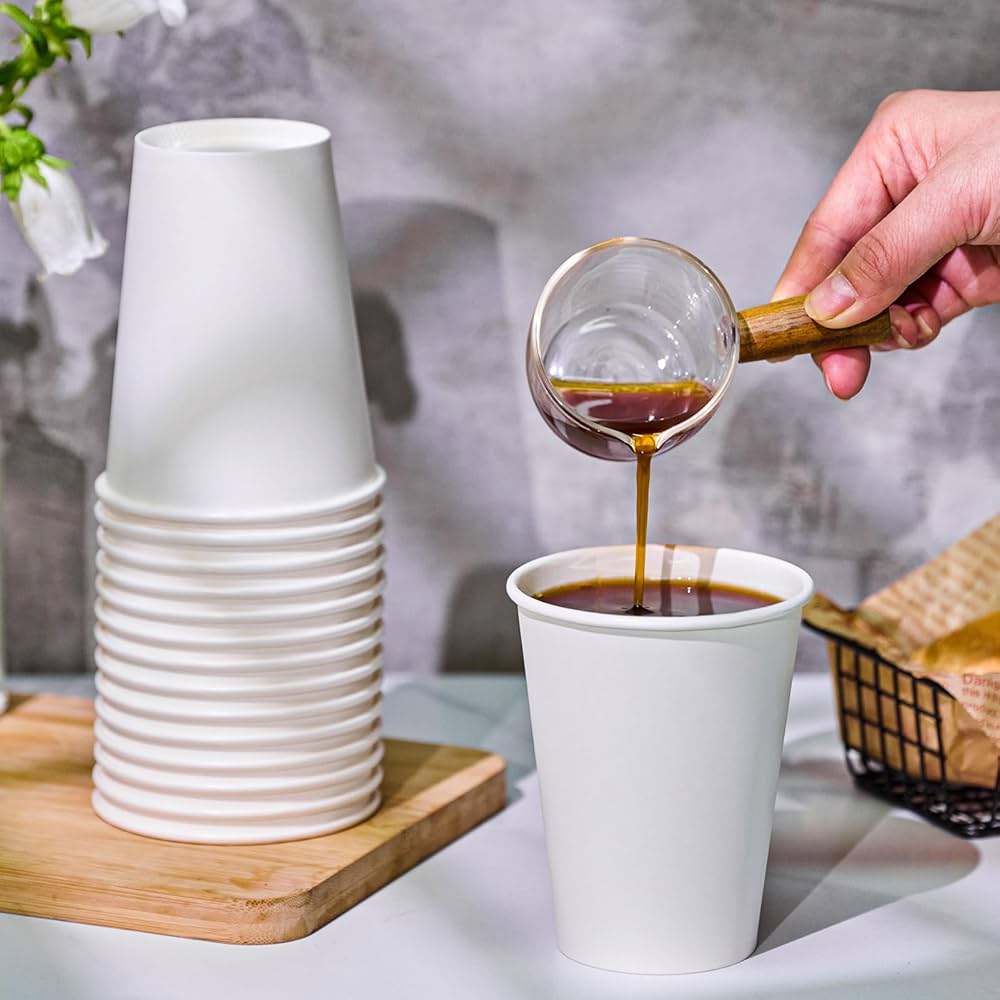
Look for these third-party certifications to ensure your paper packaging is genuinely compostable:
- BPI (Biodegradable Products Institute): North American standard for industrial compostability
- OK Compost INDUSTRIAL: European standard for industrial composting
- OK Compost HOME: Certified to break down in home compost conditions
- ASTM D6400 / EN 13432: International standards for compostable materials
Conclusion
Paper food packaging can be biodegradable when it uses uncoated paper or certified compostable coatings. However, coatings such as PE, wax and silicone can significantly reduce or prevent biodegradation, making material selection critical for sustainable packaging.
As a food packaging base paper supplier, Sure Paper provides stable, food-grade paper solutions for compostable and recyclable packaging applications, supporting converters and packaging manufacturers with consistent quality and long-term supply stability.
FAQ
What does biodegradable mean for food packaging?
Biodegradable means the material can be broken down by microorganisms into natural substances (carbon dioxide, water and biomass) without leaving harmful residues.
Can all paper food packaging go in compost bins?
No. Only uncoated paper and paper certified as compostable should be composted. Paper with plastic, wax or silicone coatings will not break down and will contaminate the compost.
Is paper packaging better than plastic for the environment?
In most cases, yes. Paper is made from renewable resources and breaks down much faster than plastic. However, plastic-coated paper is not significantly better than pure plastic.
Why is greasy paper not recyclable?
Grease and oil contaminate the paper fibers, making them unsuitable for recycling. However, greasy uncoated paper can be safely composted.
What is the difference between biodegradable and compostable?
All compostable materials are biodegradable, but biodegradable materials do not always meet composting standards. Compostable materials must break down within a defined timeframe under specific composting conditions and leave no harmful residue, producing safe, nutrient-rich compost.