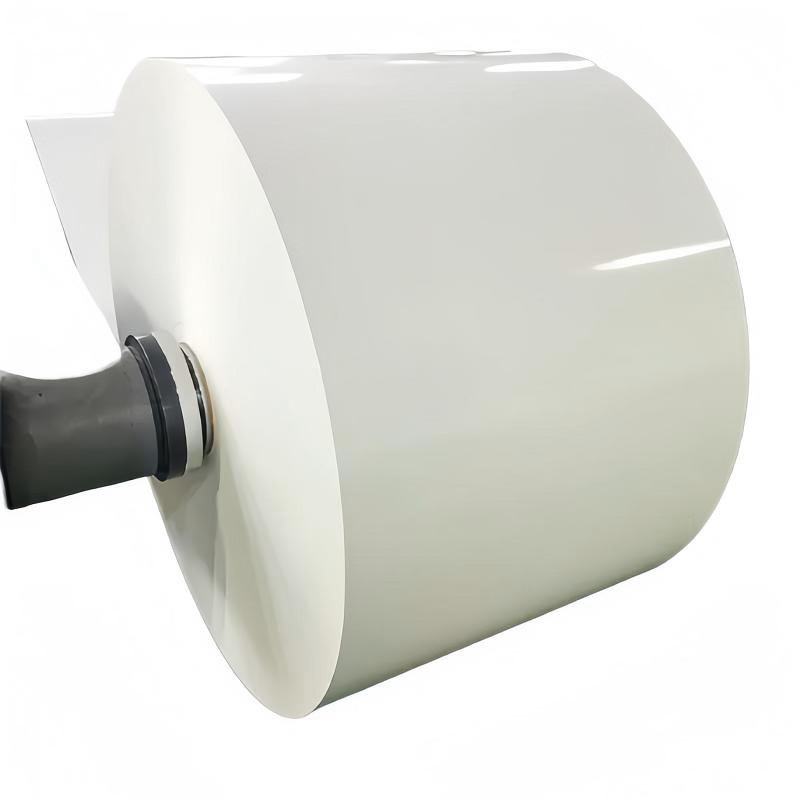
Paper cups rely on specialized barrier coatings to stay structurally sound, leak-proof, and safe for food contact. The most common lining materials include polyethylene (PE), polylactic acid (PLA), wax, and water-based dispersions — each creates a protective layer that repels water and grease, making cups suitable for hot drinks, cold beverages, and food packaging.
As brands increasingly prioritize eco-friendly packaging, sustainable coating options like PLA and water-based barriers have grown rapidly in market share. Leading suppliers like Sure Paper offer a full range of coated cupstock solutions to balance performance, safety, and environmental impact.
Key Takeaways
- Paper cups are coated with barrier materials like polyethylene (PE), PLA, and water-based resins to prevent leaks and maintain structural strength.
- Eco-friendly coatings like PLA and water-based barriers reduce environmental harm and support compostable or recyclable packaging goals.
- PE-coated cups deliver excellent durability and leak protection, but are difficult to recycle in standard paper recycling streams.
- Water-based coated cups are fully compatible with paper recycling and offer a plastic-free, low-waste packaging solution.
- Understanding each coating’s performance and environmental impact helps brands select the best cup for their use case and sustainability targets.
- Reputable suppliers like Sure Paper offer a full portfolio of coated cupstock papers, with FSC/PEFC certified materials and customizable specifications.
Common Types of Coatings on Cupstock Paper
Every coating is designed to create a liquid and grease barrier, but they differ widely in material source, performance, recyclability, and cost.
Polyethylene (PE) Coating
PE is the most widely used paper cup coating, making up roughly 58% of the global market. It forms a strong, flexible plastic barrier that fully prevents liquid seepage.
- Core properties: Excellent moisture resistance, reliable heat sealing, chemical stability, and consistent performance for both hot and cold drinks.
- Temperature tolerance: Handles hot beverages up to 90–95°C safely.
- Coating thickness: 20–25 microns for hot drink cups, 15–18 microns for cold drink cups.
- Pros: Low cost, proven performance, strong heat seal, works for nearly all beverage applications.
- Cons: Made from fossil fuels, not compatible with standard paper recycling; less than 2% of PE-coated cups are recycled globally.
PE-coated cupstock is the industry standard for fast food chains, coffee shops, and high-volume disposable packaging.
PLA Coating
PLA (polylactic acid) is a plant-based bioplastic made from renewable resources like corn starch or sugarcane. It is the most popular compostable coating option, accounting for around 24% of the global market.
- Core properties: Compostable under industrial conditions, reliable moisture and grease resistance, comparable performance to PE for most beverage uses.
- Temperature tolerance: Handles hot drinks up to 90–95°C.
- Pros: Reduces fossil fuel reliance, breaks down fully in industrial composting facilities, supports brand sustainability claims.
- Cons: Higher cost than PE; requires industrial composting infrastructure to break down; not compatible with standard paper recycling.
PLA-coated cups are the top choice for eco-focused brands and markets with composting access.
Water-Based Coating
Water-based barrier coatings are a fast-growing plastic-free alternative. They use water-based resins, natural additives, and surfactants to create a moisture-resistant layer, with no plastic components.
- Core properties: 100% plastic-free, fully compatible with standard paper recycling, food-safe, and PFAS-free formulations are widely available.
- Temperature tolerance: Handles liquids up to 90–100°C, with good grease resistance for short-term use.
- Pros: Enables paper cup recycling, reduces plastic waste, aligns with single-use plastic bans, low environmental impact.
- Cons: Higher cost than PE; barrier performance is slightly less durable for extended holding times.
Water-based coated cupstock is the most sustainable recyclable option, and is increasingly required by markets with plastic reduction regulations.
Wax Coating
Wax coating is one of the oldest paper cup barrier solutions, typically using paraffin wax, soy wax, or beeswax.
- Core properties: Basic water resistance, low cost, works well for cold items.
- Best for: Cold drinks, ice cream cups, and single-use cold food containers.
- Pros: Low cost, natural wax options are biodegradable.
- Cons: Melts at high temperatures, unsuitable for hot drinks; not compatible with paper recycling; less durable than modern coatings.
Today, wax coatings make up only a small share of the market, mostly used for niche cold food packaging.
Full Coating Comparison
| Criteria | PE Coating | PLA Coating | Water-Based Coating | Wax Coating |
|---|---|---|---|---|
| Market Share | ~58% | ~24% | ~8% | ~3% |
| Heat Tolerance | 90–95°C | 90–95°C | 90–100°C | Not for hot use |
| Moisture Resistance | Excellent | Excellent | Good | Moderate |
| Compostable | No | Yes (industrial) | Yes | Yes (natural wax) |
| Recyclable in paper stream | No | Limited | Yes | No |
| Relative Cost | Lowest | Higher | +15–25% vs PE | Low |
| Best For | High-volume hot/cold drinks | Eco-focused brands | Recyclable packaging goals | Cold food/ice cream |
Why Cupstock Paper Needs a Coating
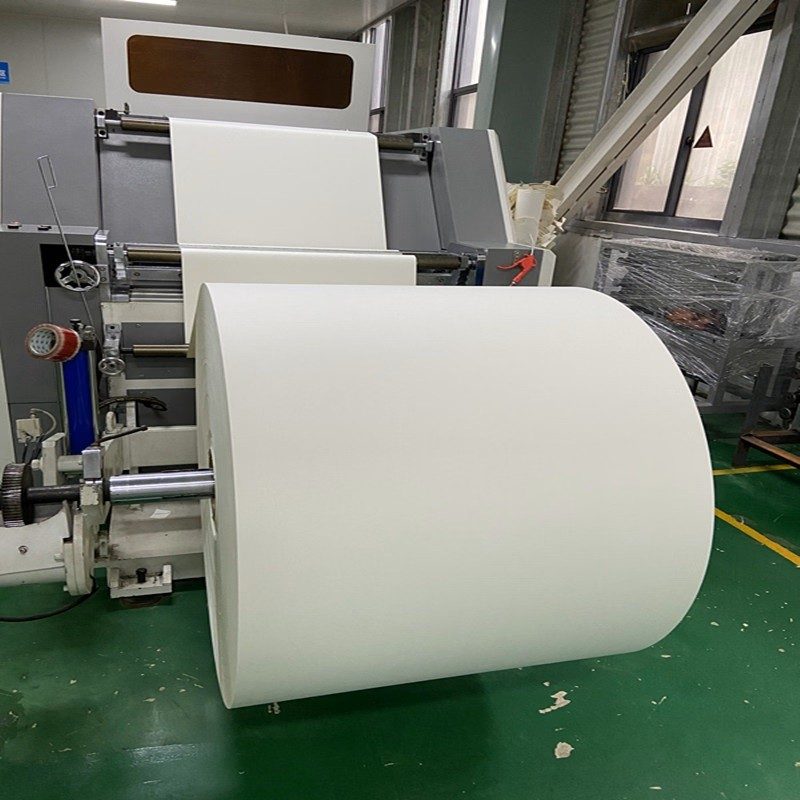
Uncoated paper absorbs liquid quickly, so coatings are essential for three core functions:
Prevent liquid leakage
The barrier layer stops water, coffee, juice, or grease from soaking into the paperboard. Without a coating, cups would become soggy and fall apart within minutes. Hot drinks require single-sided coating, while cold drinks often use double-sided coating to resist condensation.
Improve heat and grease resistance
Coatings protect the paper structure from high temperatures and oily foods. This allows cups to hold hot coffee, soup, and fried foods without losing strength or leaching materials.
Maintain cup strength and durability
The coating reinforces the paperboard, helping cups keep their shape when filled, stacked, or handled. It also enables reliable heat sealing during cup manufacturing, for consistent leak-proof performance.
Choosing the Right Coated Cupstock Paper
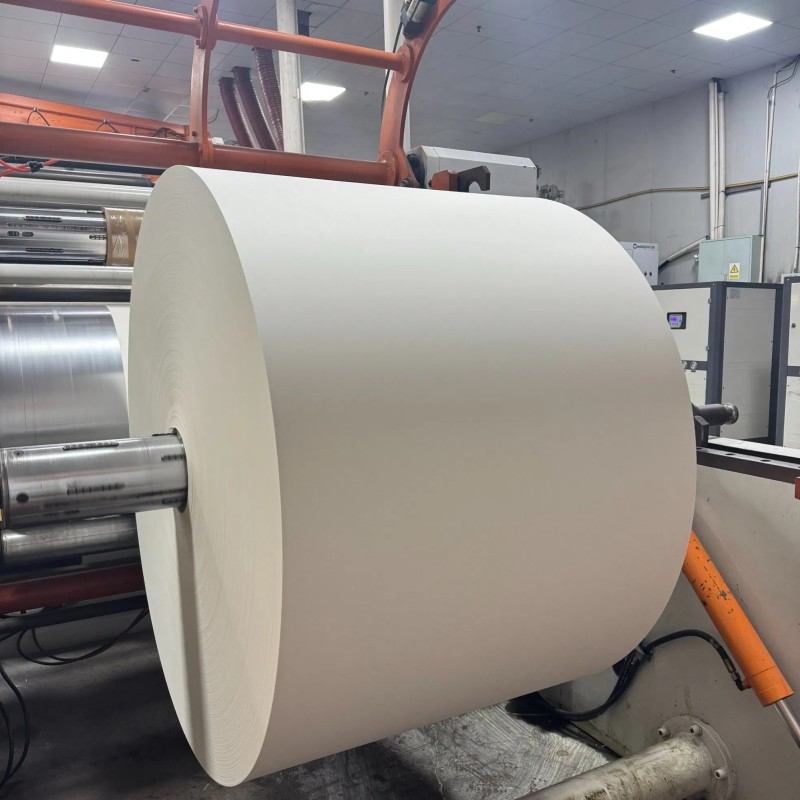
How to Choose the Right Coating
The best coating depends on your use case, sustainability goals, and local waste infrastructure:
- High-volume, cost-first operations: PE coating is the most reliable and affordable choice for general hot and cold drinks.
- Eco-focused brands with compost access: PLA coating delivers compostable packaging with performance matching PE.
- Recyclability is a top priority: Water-based coating enables standard paper recycling and supports plastic-free packaging claims.
- Cold food / ice cream only: Wax coating is a low-cost option for cold-only applications.
Always confirm local waste and recycling capabilities before selecting a coating, to ensure your packaging can be properly disposed of in your market.
How Coatings Affect Recyclability & Compostability
The coating type is the single biggest factor in whether a paper cup can be recycled or composted.
- PE-coated cups: The plastic lining bonds tightly to the paper fiber, so standard paper recycling facilities cannot separate them. Only ~1–2% of paper cups are recycled globally, with the highest rates (4–5%) in regions with specialized cup recycling programs.
- PLA-coated cups: Cannot be recycled in standard paper streams, but break down fully in industrial composting facilities. They require high heat and moisture to decompose, and will not break down in home compost or landfills quickly.
- Water-based coated cups: Fully compatible with standard paper recycling, as the water-based barrier breaks down during the pulping process. This makes them the most recyclable paper cup option currently available.
Sure Paper’s Coated Cupstock Product Range
As a professional cupstock paper supplier, Sure Paper offers a complete portfolio of coated and uncoated cup base papers to match every application and sustainability goal. You can explore the full product line on the official cupstock paper page.
Available cupstock options include:
- PE-coated cupstock: Industry-standard moisture barrier for hot and cold beverage cups, with single or double-sided coating options.
- PLA-coated cupstock: Compostable plant-based coating for eco-friendly disposable cups.
- Water-based coated cupstock: Plastic-free, fully recyclable barrier coating for sustainable packaging.
- Clay-coated cupstock: Smooth, bright surface for high-quality printing and brand graphics.
- Uncoated cupstock: Stiff base paper for dry packaging or secondary converting.
- Bamboo cupstock: Renewable, strong natural fiber alternative to wood pulp, available with PE or PLA coating.
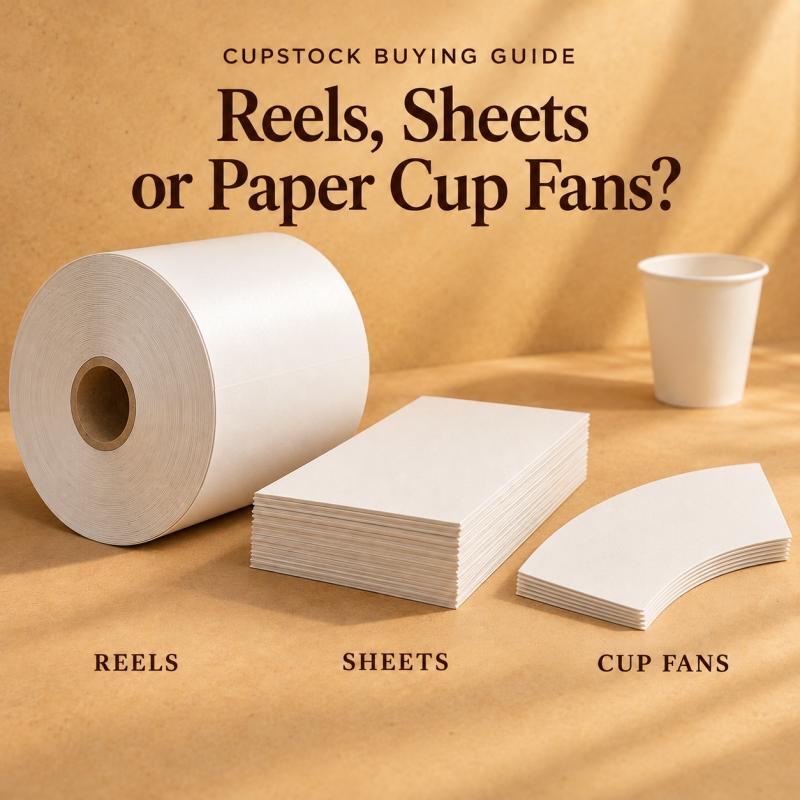
- Pre-cut paper cup fans: Die-cut, printed semi-finished parts ready for high-speed cup forming.
All cupstock materials use 100% FSC® and PEFC™ certified virgin wood pulp, with weights ranging from 150–320 gsm to match cold drink cups, hot beverage cups, soup bowls, and food containers. Customization for thickness, coating weight, size, and packaging is available for every order.
Conclusion
Paper cups rely on barrier coatings to deliver the leak-proof, heat-resistant performance people expect. While PE has been the industry standard for decades, PLA and water-based coatings are fast-growing alternatives that help brands reduce plastic waste and meet sustainability targets.
If you’re sourcing cupstock for your packaging project, working with an experienced supplier ensures you get the right coating, weight, and certification for your needs. You can learn more about full range of coated and sustainable cupstock solutions on the Sure Paper cupstock page, and request samples to test performance for your specific application.
FAQ
What are paper cups usually coated with?
Most paper cups are coated with a thin layer of polyethylene (PE) plastic to create a leak-proof barrier. Growing numbers of eco-friendly cups use PLA (plant-based plastic) or water-based barrier coatings instead.
Why is recycling paper cups so challenging?
Most paper cups have a plastic lining that bonds tightly to the paper fiber. Standard paper recycling facilities cannot separate the plastic from the paper, so most cups end up in landfills. New water-based coatings solve this problem by being fully compatible with paper recycling.
Do all paper cups have plastic coating?
No. Wax-coated cups, water-based coated cups, and some uncoated specialty cups contain no plastic. However, the vast majority of disposable hot drink cups use a PE plastic lining.
Can paper cups go in regular recycling bins?
In most communities, no. Standard curbside recycling programs do not accept plastic-lined paper cups. Water-based coated cups can go in standard paper recycling, but always check your local program rules first.
What is the most eco-friendly paper cup coating?
For recyclability, water-based coatings are the most sustainable option. For compostable packaging, PLA is the leading choice. Both are far more environmentally friendly than traditional PE coating.