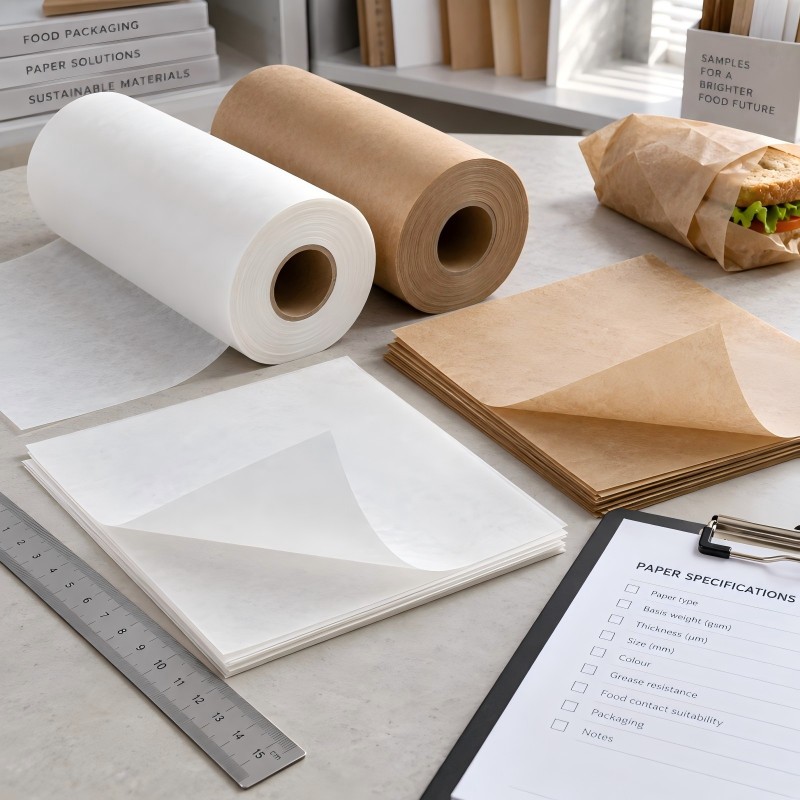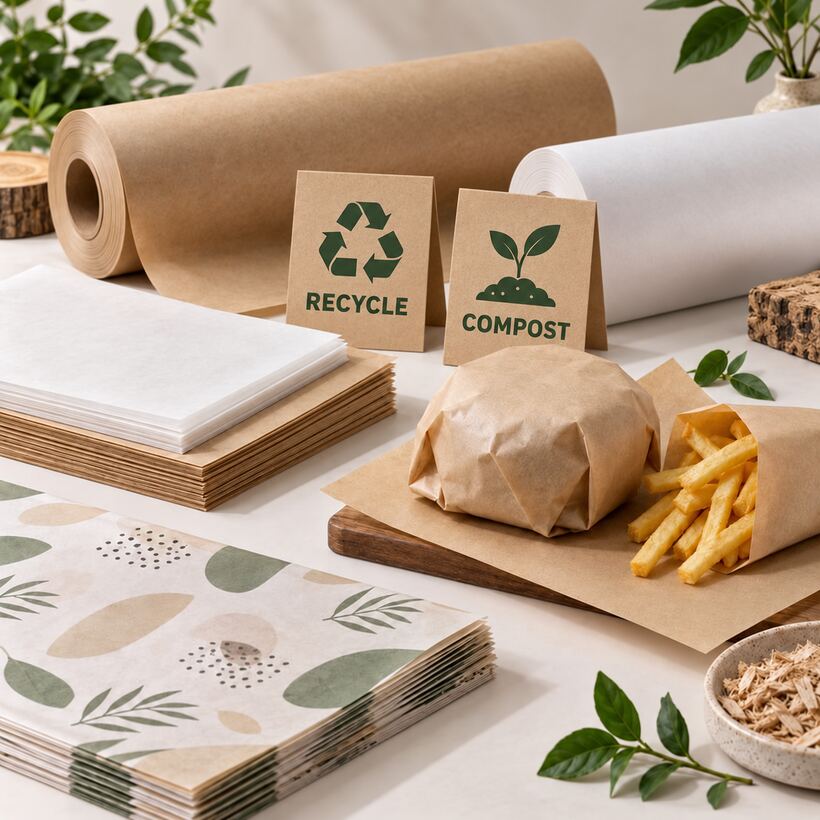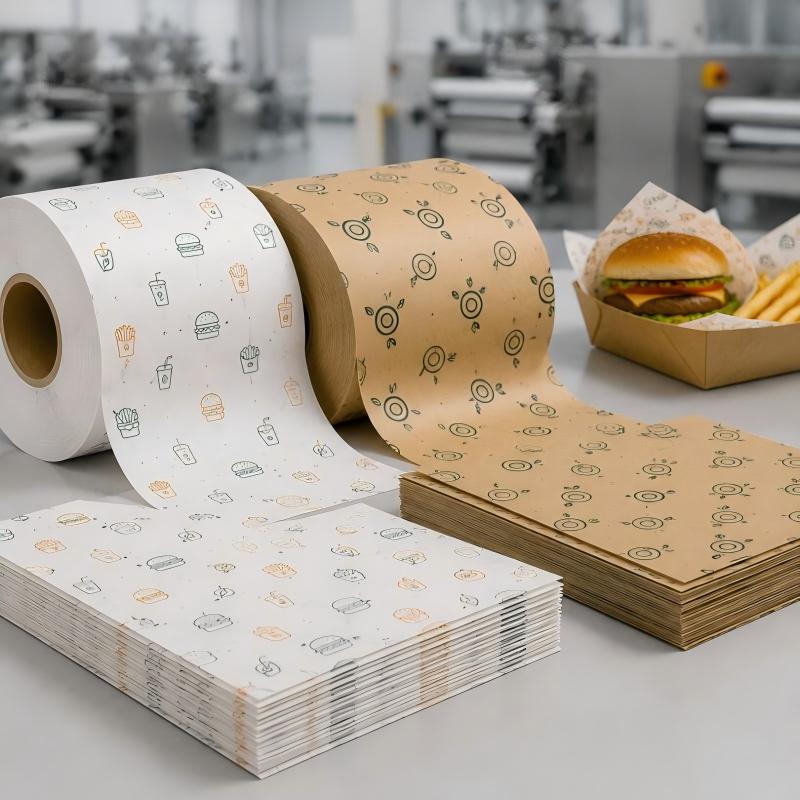
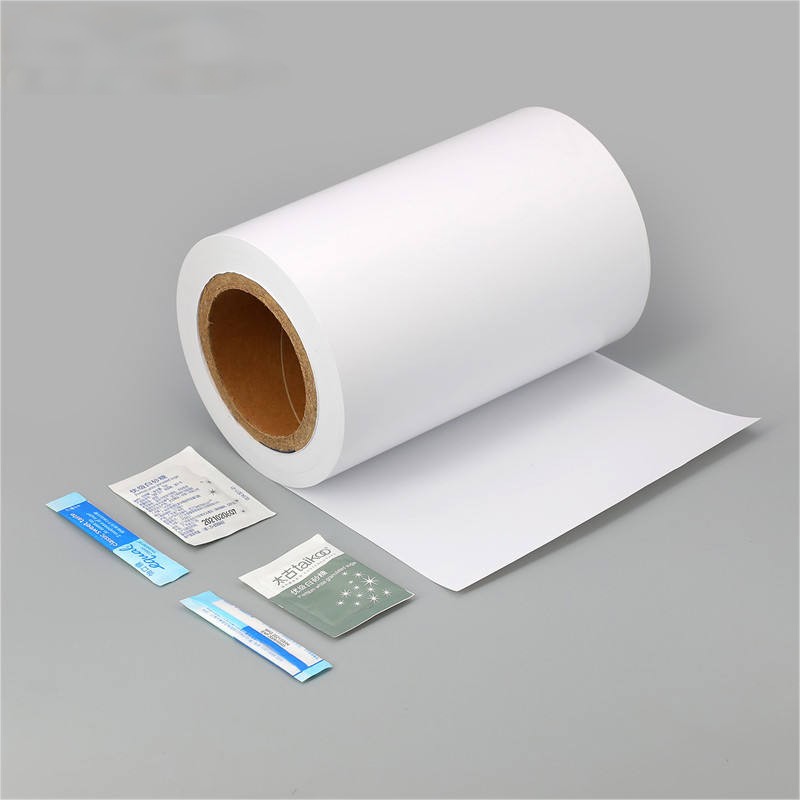
PE coated board is a rigid paperboard laminated with a thin layer of polyethylene (PE) on one or both sides. The plastic coating creates a waterproof, grease-resistant, and tear-resistant barrier, making the material widely used for food service and industrial packaging. It protects contents from moisture, oil and physical damage, and is approved for direct food contact when produced to regulatory standards.
As a professional packaging material manufacturer, Sure Paper breaks down everything you need to know about PE coated board below, from material properties to selection guidance.
Key Takeaways
- PE coated board features a polyethylene barrier layer that delivers reliable waterproof and greaseproof performance
- Coating weight ranges from 10 to 30 GSM; thicker coatings provide stronger protection for heavy-duty use
- Food-grade PE coated board meets strict global safety standards and is safe for direct contact with food
- Key selection factors include coating weight, single vs. double-sided coating, and base board thickness
- Working with a certified supplier ensures consistent quality, food safety compliance and reliable performance
Understanding PE Coated Board
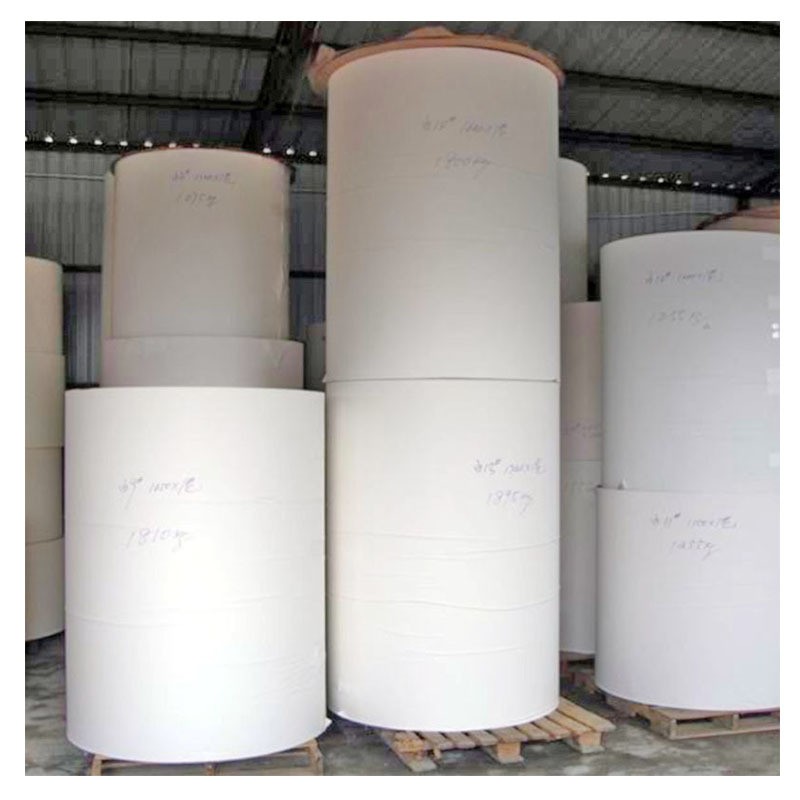
What Does PE Coating Mean?
PE stands for polyethylene, a thermoplastic polymer derived from petroleum. When extruded and bonded onto paperboard, it forms an impermeable shield that blocks water, oil and grease, turning standard paperboard into high-performance packaging material.
There are two primary types of polyethylene used for coating:
| Type | Characteristics | Common Applications |
|---|---|---|
| LDPE (Low-Density Polyethylene) | Low melting point, highly flexible, excellent moisture resistance, heat-sealable | Disposable food containers, cold drink cups, food wrapping paper |
| HDPE (High-Density Polyethylene) | Higher melting point, stiffer, superior barrier performance, chemical resistant | Industrial packaging, heavy-duty containers, chemical-resistant applications |
Most food-grade PE coated board uses LDPE for its flexibility and reliable sealing properties. HDPE is reserved for industrial applications that demand extra strength and chemical resistance.
How PE Coated Board Is Made
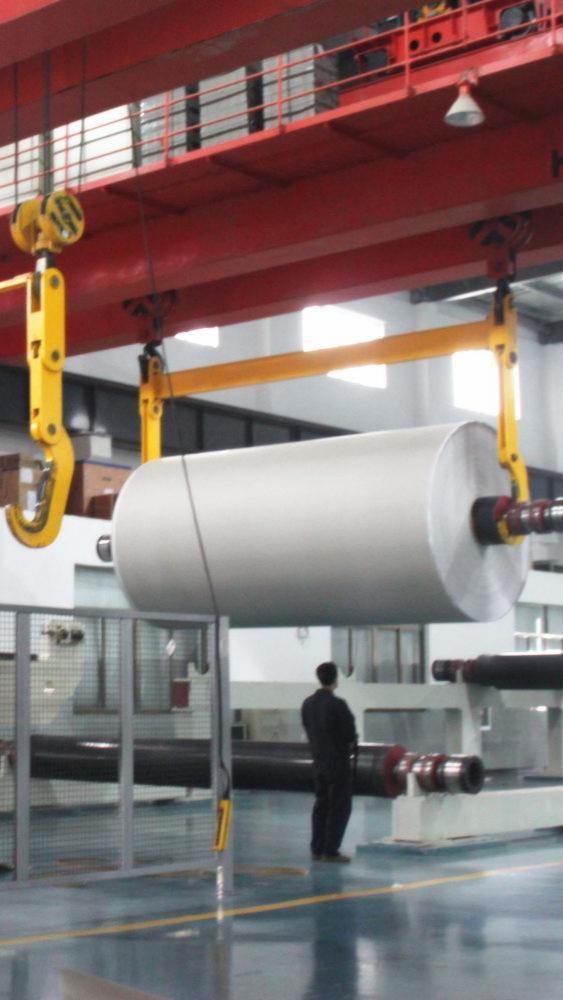
Production begins with a paperboard substrate, such as kraft board or food-grade paperboard. A thin layer of polyethylene (PE) is then applied to one or both sides of the board through a high-speed extrusion coating process. The coating weight is carefully controlled to provide the required level of moisture, grease, and heat-sealing performance for different packaging applications.
Depending on the application, PE coating weights typically range from 10 to 25 GSM. Lighter coatings are commonly used for wrappers and disposable tableware, while heavier coatings provide enhanced barrier protection for beverage cups, frozen food packaging, and industrial applications.
The finished board combines the strength of paperboard with the protective properties of polyethylene, offering excellent water resistance, grease resistance, durability, and heat-sealing capability. These characteristics make PE coated board a popular choice for food packaging, takeaway containers, bakery products, and other hygiene-sensitive applications.
Key Properties of PE Coated Board
Water Resistance
The PE layer forms a continuous waterproof barrier that prevents liquid from seeping into the paperboard fibers. This preserves product freshness during storage and transit, and is especially valuable for seafood, frozen food and chilled meat packaging. It also protects industrial goods from humidity and water damage during shipping.
Grease Resistance
Polyethylene repels oils and fats, preventing grease from soaking through packaging and leaving stains. This keeps packaging clean and presentable, and is a core reason PE coated board is the standard for fried food, baked goods and oily takeout items.
Heat-Sealing Performance
The PE coating melts when heated, allowing the board to be quickly and tightly sealed on standard packaging machinery. Heat sealing creates an airtight closure that locks in freshness, eliminates the need for extra adhesives, and supports high-speed automated packaging lines.
Strength & Durability
The PE coating reinforces the base paperboard, improving tear and puncture resistance. The board retains its structural integrity even when bent, folded or exposed to moderate moisture, making it suitable for protecting heavy or sharp-edged products during transport.
Common Applications of PE Coated Board
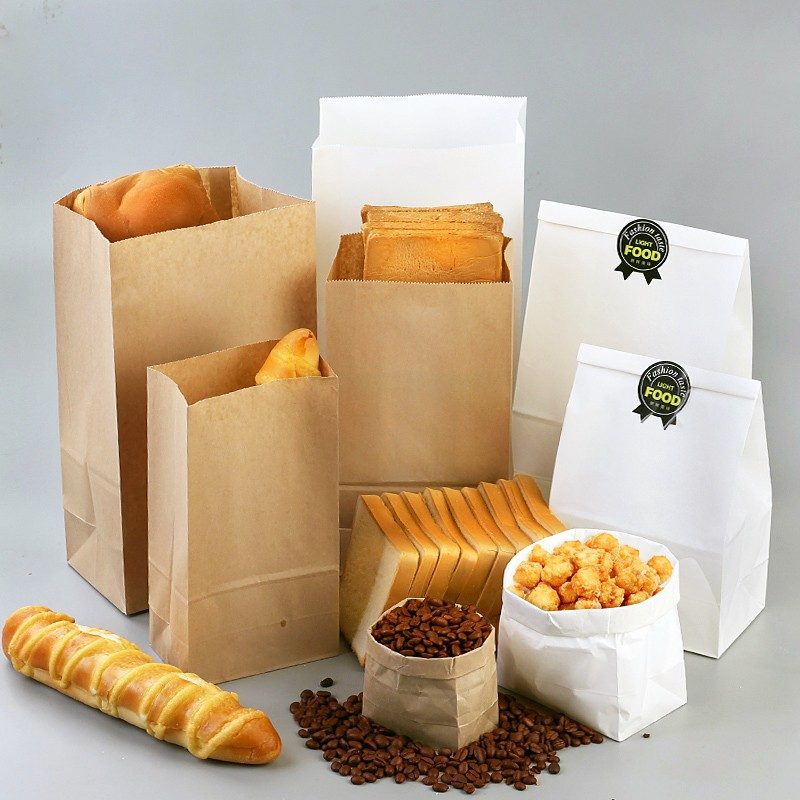
Food Packaging
PE coated board is the most widely used material for takeout and ready-to-eat food packaging. It keeps food fresh, prevents leaks, and maintains structural integrity during delivery.
Common uses include:
- Fast food packaging (fries, burgers, fried chicken, takeout meals)
- Bakery and pastry boxes and liners
- Frozen food packaging
- Microwaveable food containers
- Roast chicken and deli takeout containers
Paper Cups & Food Containers
Single-use paper cups, bowls and meal containers are almost always made from PE coated board. The PE lining prevents liquid leakage and keeps hands dry. It is the standard choice for coffee shops, restaurants and food service businesses.
Note on recyclability: Traditional PE coated paper cups and board can be challenging to recycle, as the PE film bonds tightly to paper fibers and requires specialized separation equipment. This reduces fiber recovery rates and increases waste compared to uncoated paper. New recycling technologies are emerging to address this challenge, and many suppliers are working to improve end-of-life outcomes.
Industrial & Commercial Packaging
Beyond food service, PE coated board is used for heavy-duty industrial applications:
- Moisture-resistant liners for shipping cartons
- Vapor barriers for construction and building materials
- Water-resistant mailing envelopes and shipping containers
- Protective wrapping for metal parts and humidity-sensitive goods
How to Choose the Right PE Coated Board
Coating Weight & Thickness
Select coating weight based on your product’s moisture and grease exposure:
- Light use (bakery, dry snacks): 10–12 GSM single-sided coating
- General food packaging (takeout boxes, sandwiches): 12–15 GSM single-sided coating
- High-moisture items (meat, seafood, frozen food): 18–20 GSM double-sided coating
- Industrial heavy-duty use: 20+ GSM coating with heavy base board
Always verify that the PE layer bonds evenly and securely to the board, with no peeling or defects. For food applications, confirm the material meets FDA and EU food contact standards.
Single-Sided vs. Double-Sided Coating
- Single-sided PE coated board: PE is applied to only one side. It is the most common choice for food boxes, bakery trays and wrappers where only the inside needs barrier protection.
- Double-sided PE coated board: PE coats both sides for full moisture and grease resistance. It is recommended for meat, seafood and frozen food packaging, as well as products exposed to condensation or high humidity.
Choosing a Reliable Supplier
Work with suppliers that hold recognized quality and food safety certifications:
| Selection Criteria | Description |
|---|---|
| Quality Certifications | ISO 9001 for quality management, FSSC 22000 for food safety systems |
| Regulatory Compliance | Meets FDA, EU and local food contact safety requirements |
| Sustainability | Uses responsibly sourced raw materials and offers eco-friendly options |
Sure Paper meets all of these standards, with a full range of PE coated board products, consistent quality control and custom specification support for businesses of all sizes.
Conclusion
PE coated board is a versatile, cost-effective and reliable packaging material that combines the rigidity of paperboard with the barrier performance of polyethylene. Its waterproof, greaseproof and heat-sealable properties make it the industry standard for food service packaging, and it also delivers strong value for industrial and shipping applications.
As an experienced PE coated board manufacturer, Sure Paper produces high-quality, food-safe coated board in a full range of weights and coating specifications. Our products meet international safety standards, deliver consistent performance, and can be customized to match your exact packaging requirements.
FAQ
What makes PE coated board different from regular paperboard?
PE coated board has a thin polyethylene barrier layer bonded to the surface that blocks water, oil and grease. Regular uncoated paperboard has no such protection and will absorb liquids quickly. PE coated board is far more suitable for food packaging and moisture-sensitive products.
Is PE coated board safe for food contact?
Yes, food-grade PE coated board is manufactured to strict food safety standards and tested for both direct and indirect food contact. It is widely used across the global food service industry to keep food fresh and prevent leaks.
Can you recycle PE coated board?
Recycling PE coated board requires specialized equipment to separate the PE film from the paper fibers. Not all recycling facilities have this capability. Always check your local recycling guidelines before disposal. New recycling technologies are improving recovery rates year over year.
Where is PE coated board most commonly used?
The largest applications include fast food wrappers, paper cups, bakery liners, meat and seafood packaging, and industrial moisture barriers. It is used anywhere products need protection from water, oil or humidity.
How does PE coated board compare to PLA coated board?
PLA is a plant-based, compostable alternative used for eco-friendly food packaging, but it costs more and has weaker heat and grease resistance than PE. PE coated board is more cost-effective, more durable, and compatible with nearly all standard packaging machinery. It remains the most widely used choice for most food and industrial packaging applications.