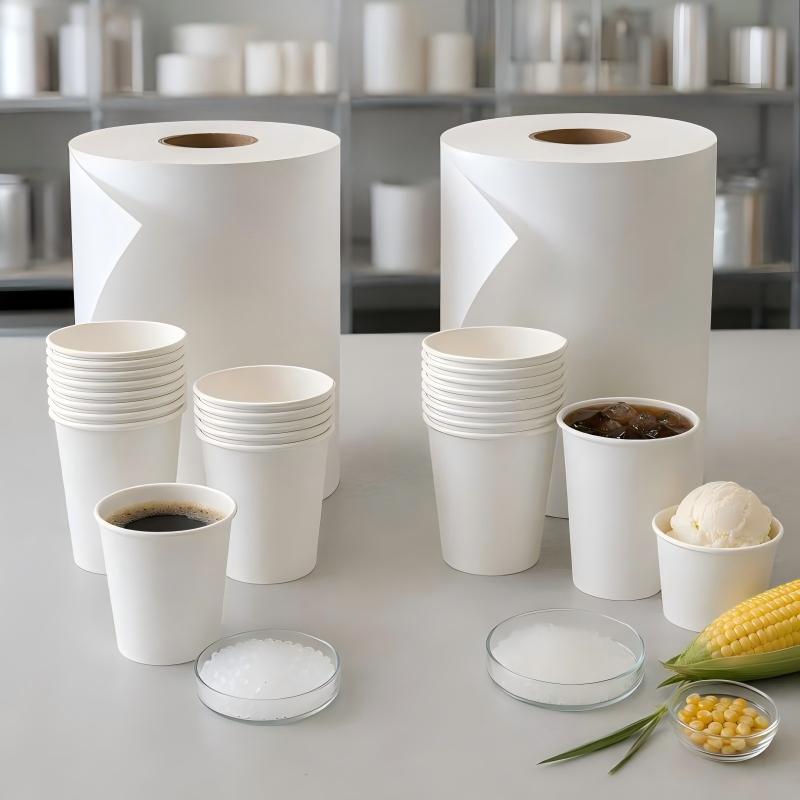
PE coated cupstock and PLA coated cupstock are the two dominant barrier materials for disposable paper cups. The core difference lies in the coating: PE uses a petroleum-based plastic layer for low-cost, high-performance liquid protection, while PLA uses a plant-based, industrially compostable bioplastic to support sustainability goals.
For paper cup manufacturers and foodservice brands, choosing between PE and PLA depends on budget, product use case, end-of-life infrastructure, and brand sustainability targets. Both deliver reliable leak resistance and print quality, but they differ sharply in heat tolerance, shelf life, and environmental impact. Below, we break down a full side-by-side comparison, ideal use cases, and a clear decision framework.
Key Takeaways
- PE coated cupstock remains the industry standard for high-volume cup production due to its excellent liquid barrier, heat resistance, long shelf life, and lower cost.
- PLA coated cupstock offers a more sustainable alternative with plant-based materials and industrial compostability, making it suitable for eco-focused packaging programs.
- PE provides better performance for hot beverages, while PLA is better suited for cold drinks, ice cream, and moderate-temperature applications.
- Both coatings deliver reliable print quality and food safety compliance, but differ significantly in end-of-life options, cost, and environmental impact.
- Choosing between PE and PLA depends on application needs, sustainability goals, budget, and the availability of recycling or composting infrastructure.
Understanding PE and PLA Coated Cupstock
PE Coated Cupstock
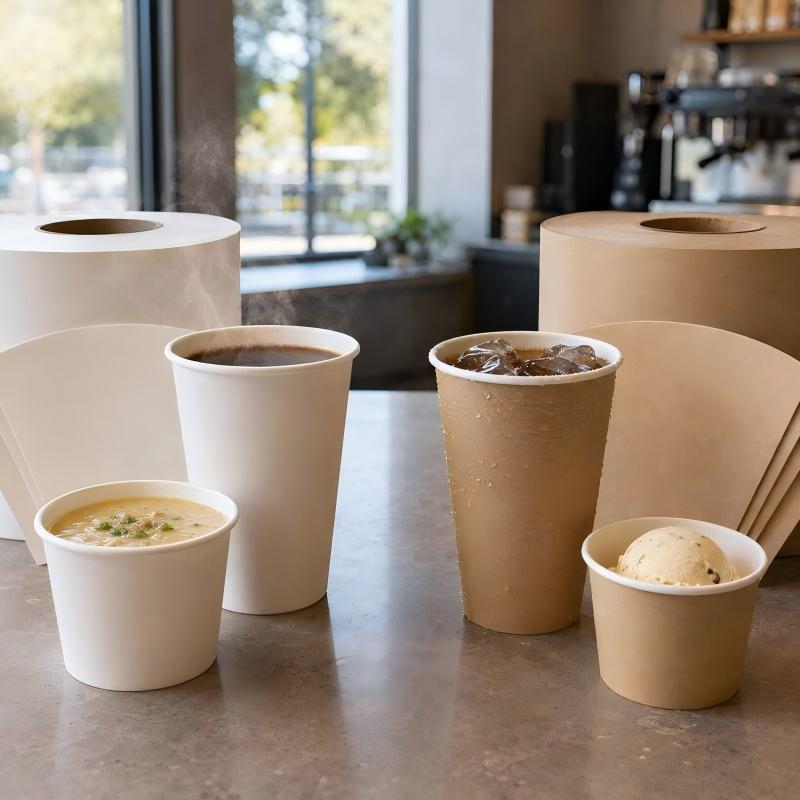
The industry standard for decades, PE cupstock is lined with a thin layer of polyethylene — a common petroleum-derived plastic. The coating forms an impermeable barrier that stops liquid from soaking into the paper base, making cups suitable for both hot and cold beverages. It is the most widely used format for high-volume disposable cup production.
PLA Coated Cupstock
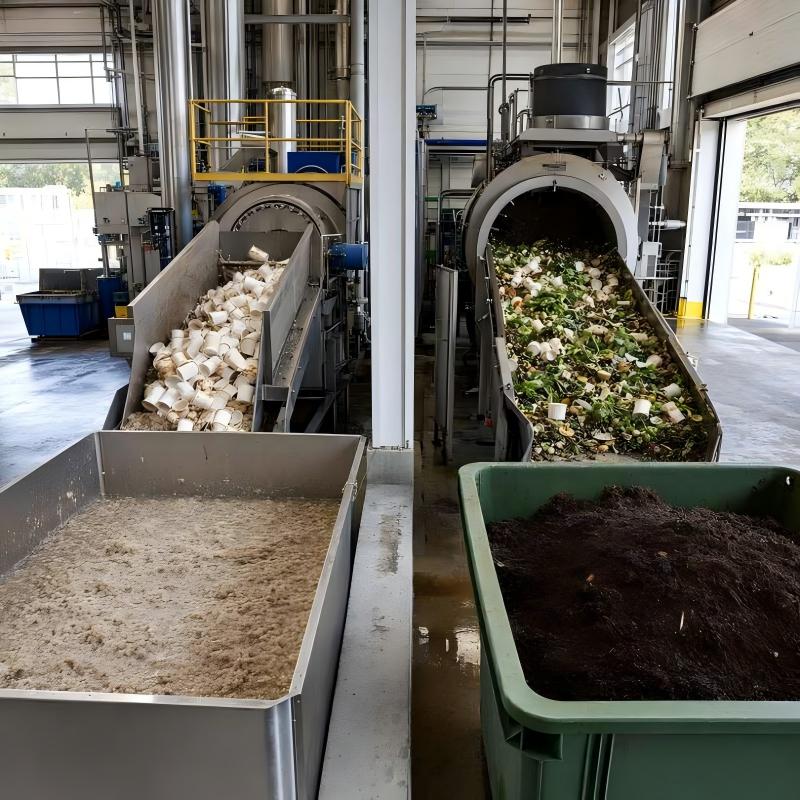
A sustainable alternative coated with polylactic acid (PLA), a bio-based material produced from renewable plant sources such as corn starch and sugarcane. PLA coating provides good liquid barrier performance for beverage and food packaging applications and is designed to break down under industrial composting conditions. It is a preferred choice for brands seeking to reduce plastic use and develop compostable packaging solutions.
Side-by-Side Comparison: PE vs. PLA Coated Cupstock
The table below summarizes the key differences across all critical purchasing criteria:
| Category | PE Coated Cupstock | PLA Coated Cupstock |
|---|---|---|
| Coating Material | Petroleum-based polyethylene (plastic) | Plant-based polylactic acid (bioplastic) |
| Liquid Barrier Performance | Excellent | Excellent |
| Heat Resistance | Up to 95°C; suitable for boiling hot drinks | Up to ~65°C; softens at high temperatures |
| Shelf Life | Up to 24 months under cool, dry storage | ~6 months; sensitive to heat and humidity |
| Structural Stiffness | High; maintains shape reliably | Comparable to PE at moderate temperatures |
| Print Quality | Excellent; smooth surface for sharp, vibrant graphics | Excellent; smooth surface for detailed branding |
| End-of-Life | Difficult to recycle in standard systems; not compostable | Industrially compostable (EN13432/BPI certified); not suitable for home compost |
| Carbon Footprint | Higher; relies on fossil fuel feedstocks | Lower; made from renewable plant materials |
| Typical Cost | Lower; mature, low-cost production | 20–40% price premium for bioplastic coating |
| Best For | High-volume hot/cold beverage cups, cost-sensitive operations | Eco-focused brands, cold/warm drinks, compostable packaging programs |
Performance & Durability
Both coatings provide strong, reliable liquid barriers that prevent leaks and paper softening for standard beverage use. The biggest performance gap is heat resistance and shelf stability.
- PE coating withstands temperatures up to 95°C, making it suitable for piping hot coffee, tea, and soup. It retains its structure and barrier integrity even at high serving temperatures, and has a long shelf life of up to 24 months when stored properly.
- PLA coating softens at temperatures above approximately 65°C, making it less ideal for very hot beverages. It performs best for cold drinks, iced beverages, ice cream, and moderately warm drinks. PLA also has a shorter shelf life of roughly 6 months, as the bioplastic degrades gradually when exposed to heat and humidity, requiring tighter inventory management.
In terms of stiffness and machine runability, both materials work well with standard cup forming equipment when properly calibrated. Both also deliver equivalent print quality, with smooth surfaces that support sharp, vibrant custom branding.
Environmental Impact & End-of-Life
The environmental profile is the primary reason brands switch from PE to PLA coated cupstock, and the difference is significant:
- PE coated cups: The polyethylene plastic layer makes standard paper recycling difficult, as the plastic must be separated from paper fiber. Only an estimated 35% of PE coated paper cups were recycled in 2022, with projections of 40% recycling rates by 2025. Most PE coated cups end up in landfills, where the plastic coating does not biodegrade and persists for decades, contributing to long-term plastic pollution.
- PLA coated cups: Made from renewable plant feedstocks, PLA has a lower fossil fuel carbon footprint than PE. When certified to BPI or EN13432 standards, PLA coated cups break down fully in industrial composting facilities under controlled high-heat conditions. However, they do not decompose in home compost piles, and they are still classified as plastic under many regulatory frameworks.
Neither material is easily recycled in standard curbside paper recycling programs. PLA requires dedicated industrial composting infrastructure, while PE requires specialized paper cup recycling systems.
Cost Differences
Cost is a major consideration for high-volume manufacturing:
- PE coated cupstock is the lower-cost option. Decades of mature production and low-cost raw material inputs keep pricing low, making it the default choice for cost-sensitive high-volume operations.
- PLA coated cupstock typically carries a 20–40% price premium. The higher cost comes from more expensive bioplastic raw materials, specialized coating processes, and third-party compostability certification. For brands, this premium is often justified by stronger eco-branding and alignment with sustainability targets.
Food Safety & Regulatory Compliance
Both PE and PLA coated cupstock are approved for food contact when manufactured to global standards. Common required certifications include:
- FDA 21 CFR 176.170 (U.S. standard for food contact paper and board)
- EU Regulation 1935/2004 + EU 10/2011 (EU food contact framework, with specific requirements for PLA coatings)
- GB 4806.8-2022 (China national standard for food contact paper and board)
- PFAS-free declaration
- Third-party chemical migration test reports
An important regulatory note: Under the EU Single-Use Plastics Directive (SUPD), both PE and PLA linings are classified as plastic. This means both are subject to the same mandatory marking, extended producer responsibility (EPR) requirements, and single-use plastic restrictions, despite PLA being plant-based.
Ideal Use Cases for Each Coating Type
When to Choose PE Coated Cupstock
PE coated cupstock is the most practical choice for most standard beverage applications. Choose PE coated cupstock if:
- You serve very hot beverages (coffee, tea, hot soup)
- You need long shelf life for stored inventory
- You are running high-volume, cost-sensitive operations
- Local composting infrastructure is limited in your market
- You need proven, reliable performance across all use cases
Common applications: Disposable coffee cups, cold drink cups, soup cups, concession stand cups, vending machine cups.
When to Choose PLA Coated Cupstock
PLA coated cupstock is the preferred choice for brands prioritizing sustainability. Choose PLA coated cupstock if:
- Your brand has formal compostability or plastic reduction goals
- You primarily serve cold, iced, or moderately warm beverages
- Local industrial composting infrastructure is available to your customers
- You are willing to pay a premium for eco-friendly branding
- Your products are intended for zero-waste or compostable events
Common applications: Cold brew coffee cups, iced drink cups, ice cream cups, eco-friendly event packaging, zero-waste foodservice programs.
Sure Paper’s Compostable PLA Coated Cupstock Paper is a widely used option for brands making the switch, featuring FSC-certified virgin pulp, food-safe construction, and full compostability certification.
FAQ
What is the main difference between PE and PLA coated cupstock?
PE coated cupstock uses a plastic layer. PLA coated cupstock uses a plant-based layer. Both stop leaks. Many businesses choose PLA for businesses because it supports green goals.
Can PLA coated cupstock be composted at home?
PLA coated cupstock needs industrial composting. Home compost piles do not get hot enough. For businesses, companies should check local composting options before choosing PLA.
Is PE coated cupstock safe for hot drinks?
Yes. PE coated cupstock reliably withstands temperatures up to 95°C, making it safe and suitable for hot coffee, tea, and other hot beverages.
Does coating type affect print quality?
Is PLA considered plastic under packaging regulations?
Yes. Under most global regulatory frameworks including the EU SUPD, PLA is classified as a bioplastic and is subject to the same plastic labeling and EPR requirements as petroleum-based plastics.
Final Thoughts
There is no universal “better” choice between PE and PLA coated cupstock — the right material depends on your priorities. PE coated cupstock delivers unbeatable cost, heat resistance, and shelf life for high-volume, everyday beverage use, and remains the industry workhorse for most operations.
PLA coated cupstock delivers a stronger sustainability profile and compostable end-of-life for eco-focused brands, at a higher cost and with lower heat tolerance. For brands with clear sustainability targets and access to composting infrastructure, it is a forward-thinking choice that aligns with growing consumer demand for eco-friendly packaging.