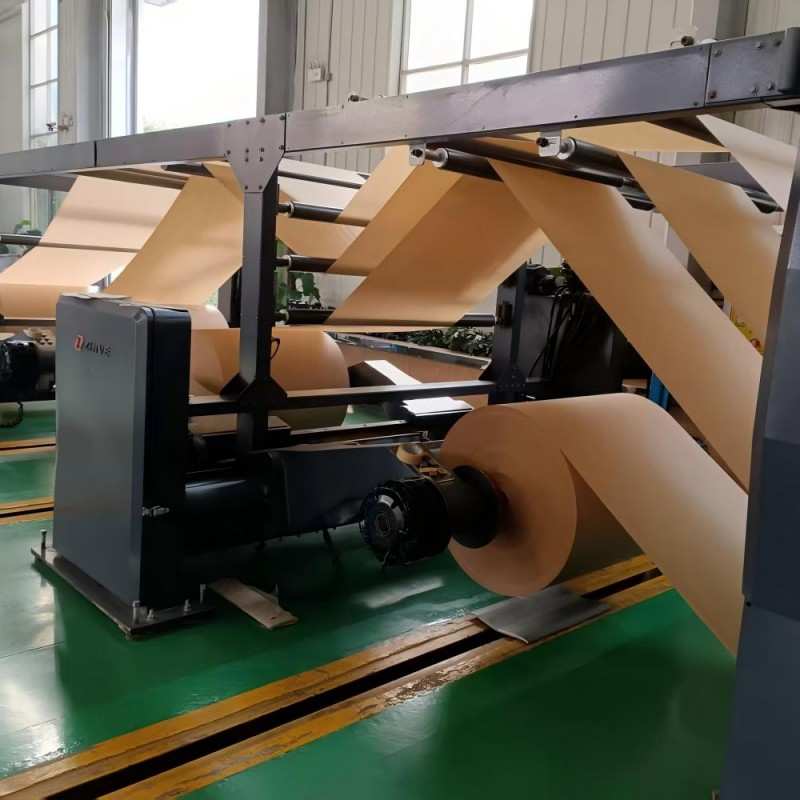
Yes, greaseproof paper is an excellent, practical choice for wrapping sandwiches. It creates a grease-resistant, moisture-blocking barrier that keeps bread from turning soggy and prevents oils and sauces from leaking onto hands, bags or containers. This makes it ideal for packed lunches, takeout, picnics and on-the-go meals.
Key Takeaways
- Greaseproof paper prevents soggy bread by blocking excess moisture and grease from sandwich fillings.
- It forms a physical food-safe barrier against external contaminants, keeping sandwiches fresh and clean during transport.
- Match paper weight to your filling: lighter 30–35gsm paper works for dry sandwiches; thicker 40–50gsm paper is best for greasy, saucy options.
- No tape or string is required for standard wrapping methods, making it fast and convenient for food service.
- Uncoated pure wood pulp greaseproof paper is biodegradable and can be composted or recycled when not heavily soiled with oil.
Benefits of Using Greaseproof Paper for Sandwiches
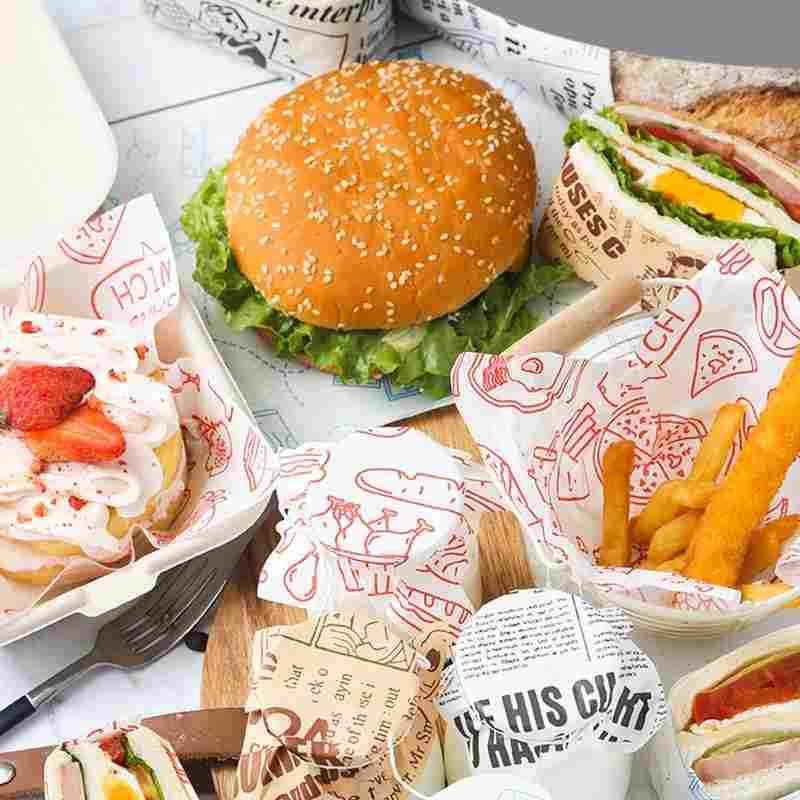
Prevents Sogginess & Preserves Freshness
Unlike airtight plastic wrap, greaseproof paper allows gentle air circulation while blocking liquid transfer between the bread and filling. This stops bread from becoming mushy and preserves the texture of both crisp vegetables and moist fillings. The paper does not alter food taste or odor, keeping sandwich flavors intact.
Reliable Grease Barrier
High-quality greaseproof paper is engineered to repel oil and fatty sauces. It prevents grease from seeping through to the outside of the packaging, keeping hands, bags and surfaces clean. This makes it the standard choice for oily sandwiches, breakfast melts and burger-style items.
Food-Safe Physical Protection
Food-grade greaseproof paper creates a clean physical layer that shields sandwiches from external dust and contaminants during transport and handling. Sure Paper greaseproof paper is made from 100% virgin wood pulp with no PE plastic coating required for grease resistance, and meets food contact safety standards in the US, EU and China.
Eco-Friendly Packaging
Pure, uncoated greaseproof paper is a far more sustainable alternative to single-use plastic wrap. When not heavily saturated with oil, it can be recycled or home composted, reducing landfill waste compared to plastic packaging.
Choosing the Right Greaseproof Paper for Your Sandwich
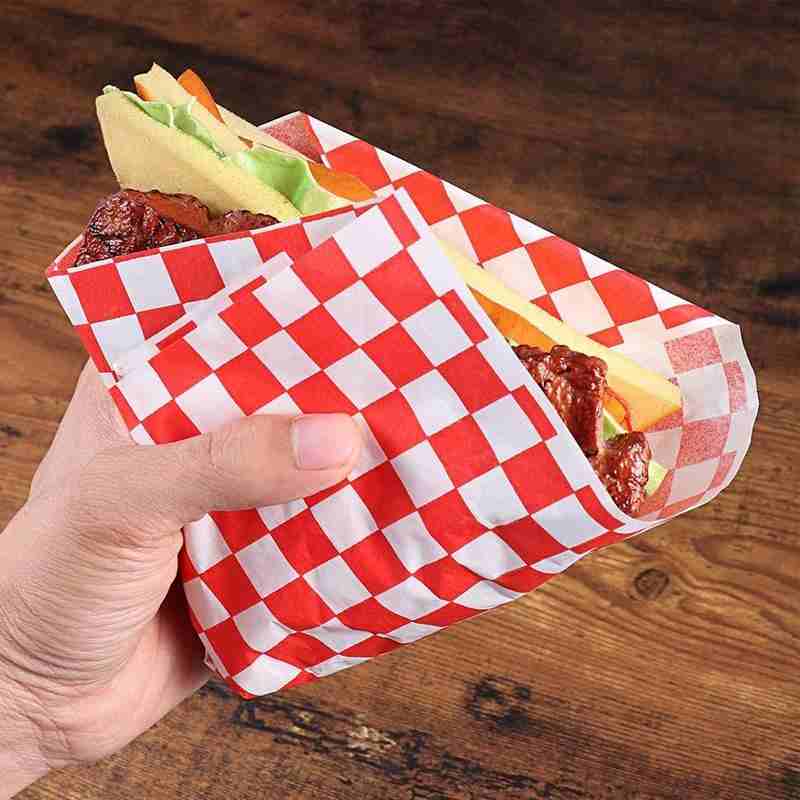
Different sandwich fillings require different paper weights and grease resistance levels. Sure Paper offers customizable basis weights from 30–50gsm and grease resistance ratings from Kit 3 to Kit 12 to match every use case:
- Light 30–35gsm: Best for dry cold sandwiches, subs and simple deli fillings with minimal oil or sauce.
- Medium 35–40gsm: Suitable for paninis, wraps and standard sandwiches with moderate grease content.
- Heavy 40–50gsm: Recommended for greasy breakfast sandwiches, melts, quesadillas and burgers with high oil release.
A standard 12″ × 12″ sheet of sandwich wrapping paper fits most regular-sized sandwiches. Larger or stuffed sandwiches may require bigger sheets, while custom sizes are available for commercial food service and takeaway packaging.
How to Wrap a Sandwich in Greaseproof Paper
Method 1: Classic Sealed Fold (No Tape Needed)
This method creates a tight, leak-resistant wrap ideal for takeout and picnics. Use a 12″ × 12″ sheet of greaseproof paper.
- Place the paper flat on a clean surface, and set the sandwich in the center.
- Bring the top and bottom long edges of the paper together above the sandwich, aligning the edges evenly.
- Fold the joined edge down in ½-inch increments, creasing firmly each time, until the fold sits flush against the top of the sandwich.
- Flatten the open ends on either side of the sandwich. Fold each end inward in a triangular pleat, creasing sharply.
- Tuck the triangular flap underneath the sandwich. Repeat on the opposite side to secure fully.
Method 2: Quick No-Tape Fold (For Lunchboxes)
This faster method works well for packed lunches where a fully airtight seal is not required. Use a 10″ × 15″ sheet.
- Center the sandwich on the paper in portrait orientation.
- Bring the two short ends together above the sandwich, and fold down in 1-inch increments until flush with the sandwich.
- Press the side flaps flat on each end. Tuck one flap under the sandwich and nest the other flap into the crease to hold it in place.
Tip: For extra messy or saucy sandwiches, use a heavier weight paper and make sure all edges are fully folded and tucked to prevent leaks.
Conclusion
Greaseproof paper is a highly effective, safe and eco-friendly option for wrapping sandwiches. It outperforms plastic wrap at preventing soggy bread and blocking grease, and works for everything from simple cold sandwiches to greasy melts and burgers. Choosing the right weight paper for your filling ensures the best leak protection and freshness.
Sure Paper’s premium greaseproof paper delivers reliable food-safe performance, customizable weights and sizes, and optional custom printing — making it a top choice for both home use and commercial food service operations.
FAQ
Can greaseproof paper go in the microwave?
Yes, food-grade greaseproof paper is safe for short microwave reheating. It will not melt or release harmful chemicals when warmed. It is not intended for long, high-temperature oven baking.
Is greaseproof paper safe for food contact?
Yes, when manufactured to food safety standards. Sure Paper greaseproof paper is made from 100% virgin wood pulp, meets FDA, EU and CN food contact regulations, and contains no PE coating or harmful additives.
Does greaseproof paper keep sandwiches fresh?
Yes. It blocks excess moisture and grease from softening the bread, and forms a physical barrier against external contaminants. For best results, store wrapped sandwiches in a cool, dry place and consume within the recommended food safety time window.
Can greaseproof paper be recycled or composted?
Lightly used, uncoated greaseproof paper that is not heavily saturated with oil can be recycled or home composted. Paper heavily soiled with grease or sauces should be discarded with general waste to avoid contaminating recycling batches.