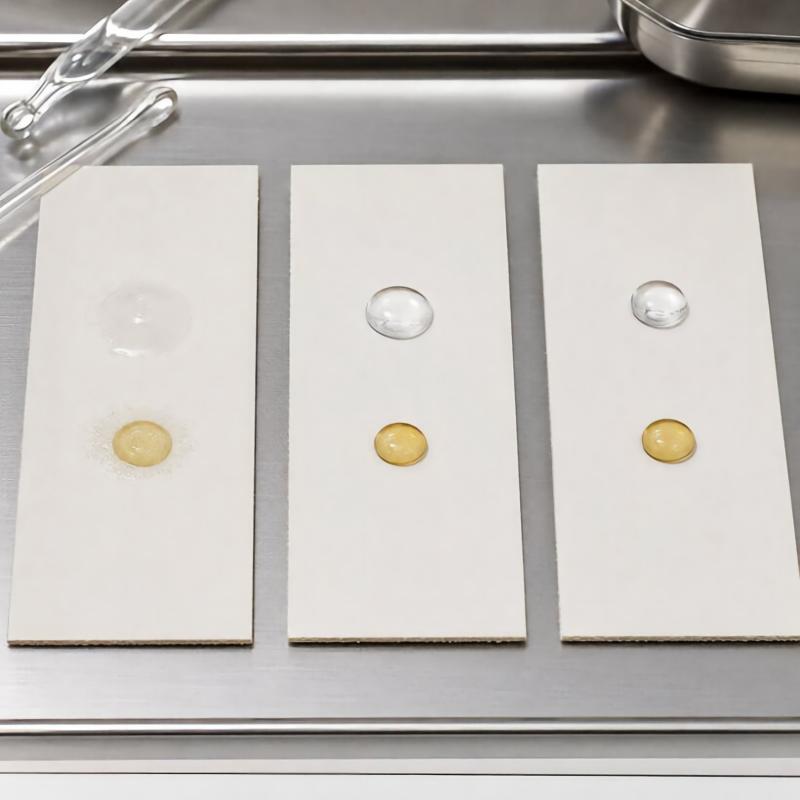
Polyethylene (PE) coating weight — measured as the grams of polyethylene applied per square meter of paper surface — is a key specification that determines the barrier performance, heat seal strength, durability, and material efficiency of coated paper packaging.
Selecting the right PE coating weight helps prevent common packaging failures such as moisture penetration, grease bleed-through, and seal defects, while avoiding excessive resin usage that increases cost and environmental impact.
Key Takeaways
- PE coating weight directly controls moisture and grease barrier performance, heat seal strength, and overall packaging durability.
- Lighter coating weights reduce material costs and improve recyclability, but only offer basic barrier protection for short-term use.
- Heavier, thicker PE layers deliver reliable grease resistance and moisture protection for frozen food and liquid packaging.
- Proper coating weight creates consistent, strong heat seals that prevent seam leaks on high-speed packaging lines.
- Matching coating weight to actual application needs optimizes performance, reduces waste, and lowers total cost of ownership.
Understanding PE Coating Weight
What Is PE Coating GSM?
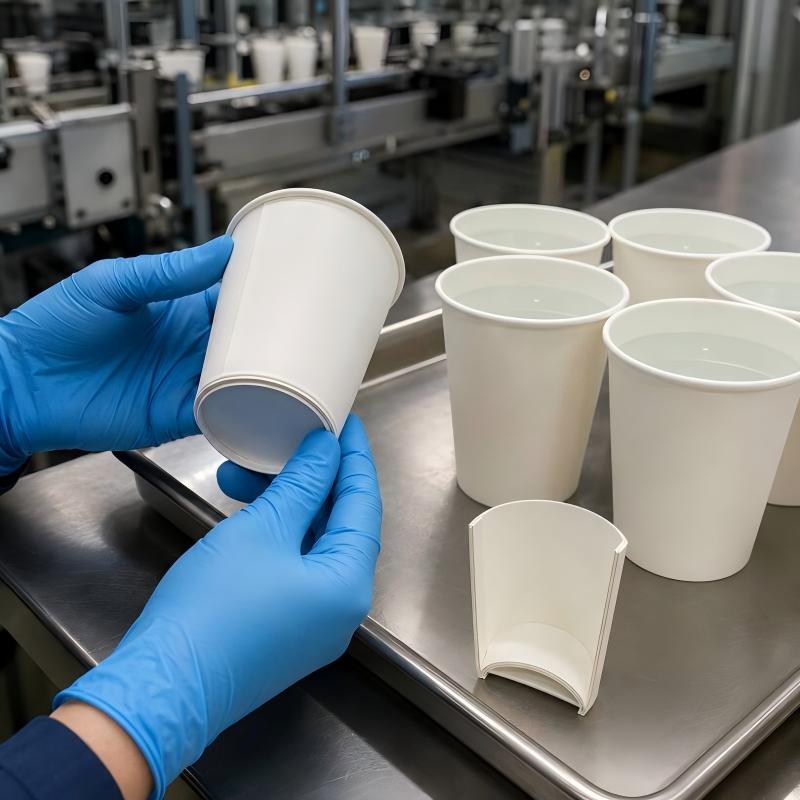
PE coating weight refers to the mass of extruded polyethylene applied per square meter of paper substrate. It is different from the base paper grammage, which refers to the weight of the paper material itself.
- Base paper GSM: Determines the structural properties of the paper, including stiffness, tensile strength, and overall board support.
- PE coating GSM: Determines key packaging properties such as moisture barrier performance, grease resistance, heat sealability, and liquid protection.
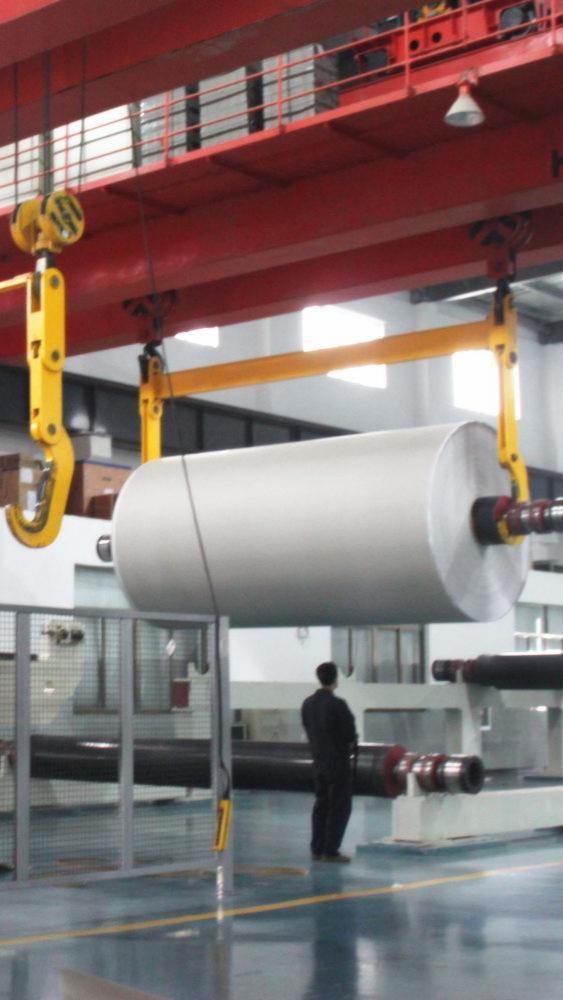
During extrusion coating or extrusion lamination, molten polyethylene is applied onto a moving paper web. The final coating weight is controlled by factors such as extruder output rate, coating speed, and production settings.
Insufficient PE coating weight may leave exposed areas around paper fiber irregularities, increasing the risk of pinholes, liquid penetration, and reduced barrier performance. Excessive coating weight increases resin consumption, material costs, and may affect packaging flexibility, foldability, and recyclability.
Common PE Coating Weight Ranges
| Coating Category | Typical GSM Range | Core Performance Profile |
|---|---|---|
| Lightweight coating | 10 – 15 GSM | Basic moisture resistance, high flexibility, low cost |
| Medium coating | 15 – 25 GSM | Balanced barrier and seal strength for general food use |
| Heavyweight coating | 25 – 40 GSM | Superior grease and water resistance for harsh conditions |
Packaging can be single-side PE coated (one side polymer) or double-side PE coated (polymer on both faces), depending on whether both inner and outer surfaces need barrier protection.
Key Performance Factors Influenced by PE Coating Weight
Moisture & Grease Barrier Performance
PE coating weight plays a key role in determining the barrier performance of paper packaging. A properly applied polyethylene layer creates a continuous protective barrier that helps prevent moisture, vapor, and grease penetration.
- Higher coating weights generally improve moisture resistance by reducing water vapor transmission through the paper substrate, helping protect dry products and maintain packaging performance in humid or cold-chain environments.
- Increased PE coverage enhances grease resistance, making heavier coatings suitable for high-fat food applications such as fried foods, meat products, and oily snacks where oil migration must be controlled.
- Adequate coating weight helps minimize pinhole risks by providing more complete coverage over natural variations in paper fiber surfaces.
| Application Type | Recommended Coating Level | Primary Benefit |
|---|---|---|
| Short-term dry food packaging | Lightweight PE coating | Provides basic moisture protection while maintaining flexibility |
| Greasy or oily food packaging | Heavyweight PE coating | Improves grease resistance and prevents oil penetration |
Heat Seal Strength & Seal Integrity
PE coating weight directly affects heat sealing performance by influencing the amount of polyethylene available for bonding between packaging surfaces.
- Higher coating weights improve resin flow during sealing, helping fill minor surface irregularities and create stronger, more consistent seals.
- Stable seal strength reduces leakage and package failures, improving reliability on high-speed packaging lines and reducing production waste.
- For sensitive applications such as sterile medical packaging, consistent PE coating performance supports package integrity during transportation and storage.
Physical Durability & Formability
The thickness of the PE layer also affects the mechanical performance and converting behavior of coated paper packaging.
- Heavier PE coatings provide additional protection against tearing, puncture, and liquid penetration during handling and distribution.
- Excessive coating weight can increase board stiffness, which may affect folding, creasing, and high-speed carton converting performance.
- The optimal coating level balances durability with processability, ensuring the packaging performs well throughout manufacturing and use.
Cost & Environmental Impact
Selecting the right PE coating weight helps manufacturers balance packaging performance, material efficiency, and sustainability goals.
- Higher coating weights increase polyethylene consumption and material costs due to greater resin usage per square meter of paperboard.
- Lower coating weights reduce plastic content and may improve repulpability depending on local recycling infrastructure and processing technology.
- Optimized coating weight selection avoids unnecessary material use while maintaining the required barrier, sealing, and durability performance.
How to Choose the Right PE Coating Weight
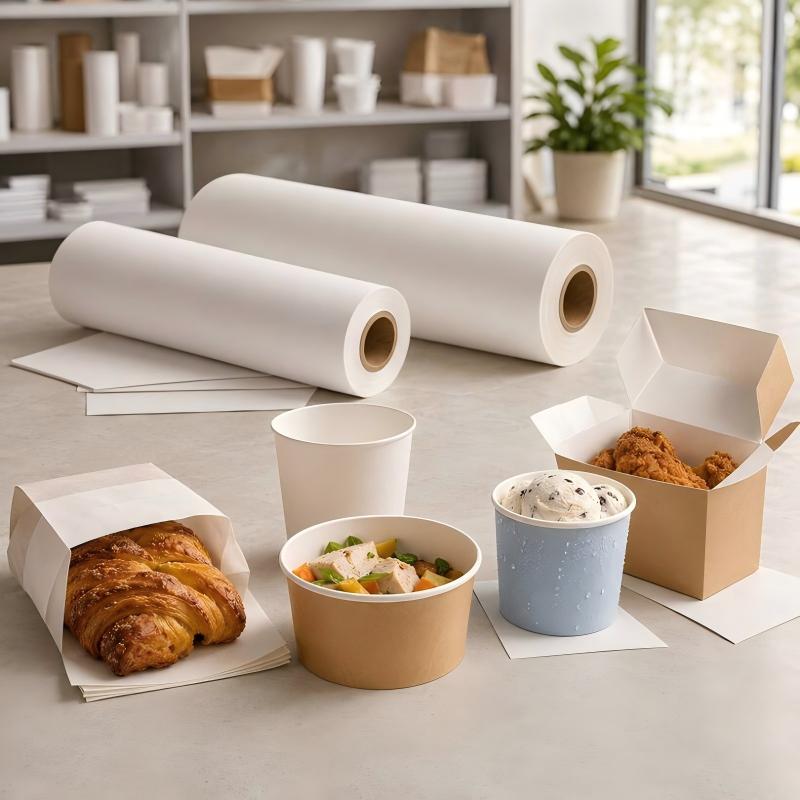
Select coating weight based on your product’s barrier requirements, shelf life and operating conditions.
Lightweight Single PE Coating (10–15 GSM)
Best for short-term, low-barrier needs:
- Dry snack foods, bakery items and fast food wrappers
- Basic takeout boxes and paper food trays
- Secondary outer packaging with no direct liquid contact
This option offers the lowest cost, highest flexibility and best recyclability.
Medium Single PE Coating (15–25 GSM)
The most common general-purpose specification:
- Standard paper cups, bowls and food containers
- Ready-to-eat meal boxes and takeout packaging
- General medical packaging and industrial wraps
It balances reliable barrier performance with reasonable cost, suitable for most room-temperature food applications.
Heavyweight / Double PE Coating (25–40 GSM)
Required for demanding, high-moisture or high-fat conditions:
- Frozen food boxes and ice cream containers
- Cold beverage cups and liquid food packaging
- Greasy fried food and oily takeout items
- Medical sterile packaging requiring absolute seal integrity
Double-sided PE coating protects both the inside product and the outside board from condensation, making it standard for frozen and cold chain applications.
Conclusion
PE coating weight is one of the most impactful specifications for paper packaging performance. There is no universal “best” weight — the optimal choice depends on your product’s barrier needs, shelf life requirements and cost targets.
Lighter coatings work well for dry, short-use items and offer better sustainability and lower cost. Heavier coatings are necessary for frozen, greasy or liquid products where leak prevention and product protection are non-negotiable. Partnering with an experienced paper products manufacturer helps you select and customize the right PE coating weight for your packaging needs, balancing barrier performance, production efficiency, and material cost.
FAQ
What is PE coated paper used for in food packaging?
PE coated paper creates a liquid-resistant barrier on paperboard, making it suitable for food containers, paper cups, takeout boxes, frozen food packaging and fast food wrappers. The PE layer prevents moisture and grease from soaking through the paper, while also enabling heat-sealed closures.
Does a thicker PE coating always mean better performance?
Not always. While heavier coatings improve barrier performance, excessive thickness can make board too stiff for folding, increase cost unnecessarily, and add plastic content that harms recyclability. The best coating weight is the minimum amount that reliably meets your product’s barrier requirements.
What is the difference between single PE and double PE coated paper?
Single PE coated paper has polyethylene on only one side, and is used for dry food and general takeout packaging. Double PE coated paper has polymer on both sides, which protects the outer board from condensation and is required for frozen food, cold beverages and high-moisture applications.
Can PE coated paper be recycled?
PE coated paper requires specialized recycling facilities that can separate the polyethylene layer from the paper fibers. It is not accepted in all standard curbside recycling programs, but lighter coating weights are generally easier to repulp and process than heavyweight coatings.
What is the minimum order for custom PE coating weights?
Custom coating specifications typically have minimum order volumes to justify extrusion line setup. Many suppliers offer standard coating weights with lower MOQs, and custom weight options for larger production runs.