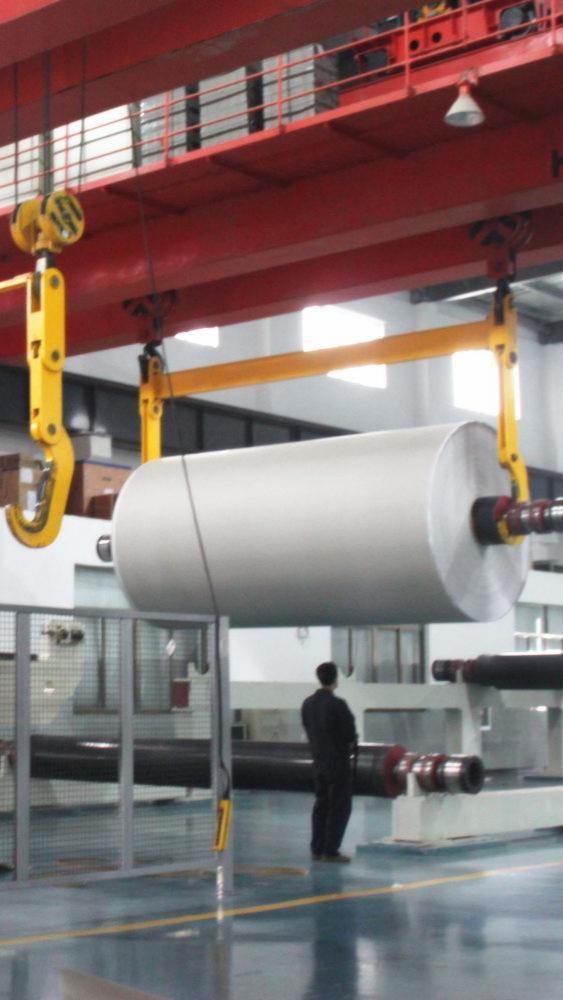

Store cupstock paper in a clean, dry, stable environment, protect its packaging, and let wrapped material reach the production-room temperature before opening. These steps help preserve feeding, printing and cup-forming performance from delivery to the first production run.
This guide covers reels, sheets and cup fans, including PE-coated cupstock. Use it alongside the storage and handling instructions for your specific grade: coating systems, pack sizes and converting conditions can require different limits.
Why Storage Affects Cup Quality
Paperboard responds to moisture in the surrounding air. Changes in moisture can affect flatness and dimensions, making feeding or registration less consistent. Mechanical damage creates a different problem: crushed reel ends, distorted cores or damaged blanks can interrupt an otherwise well-adjusted line.
Storage controls reduce these risks, but they do not replace incoming inspection or finished-cup testing. A flat sheet is not proof of good sealing, and a quality defect does not automatically establish a food-contact compliance failure.
Keep the Storage Area Stable and Protected
Ask the supplier for the recommended temperature and relative-humidity range for the supplied grade. Monitor actual conditions and investigate excursions, especially near loading doors, outside walls and sources of heat or water. Avoid direct sunlight, leaks and air outlets blowing onto the stock.
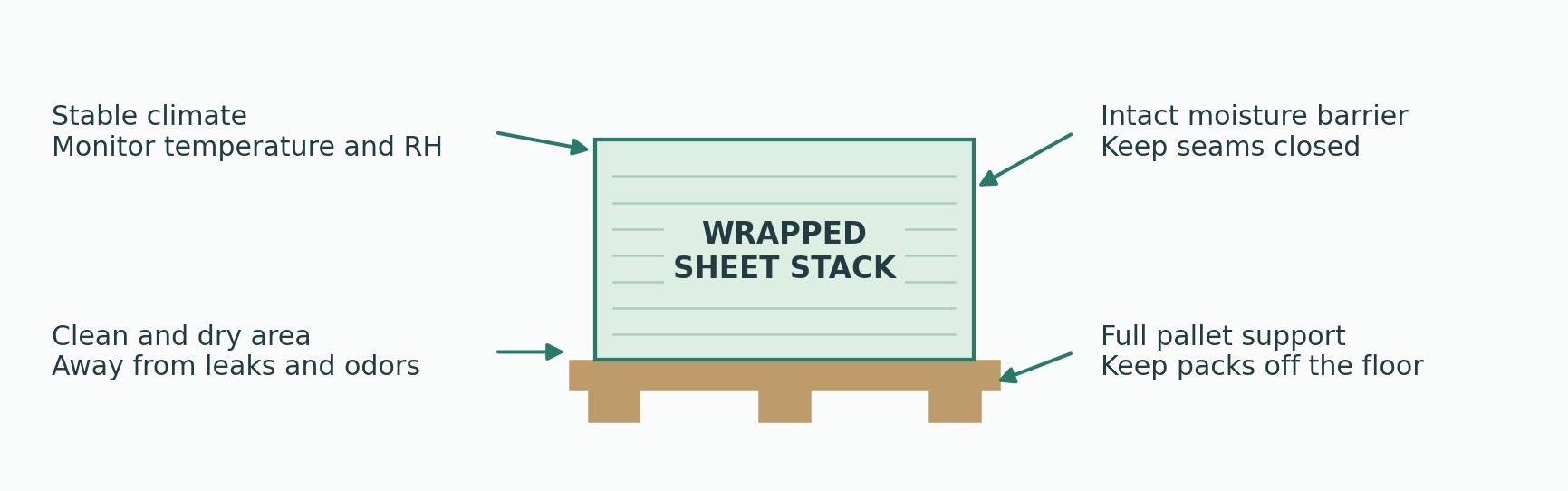
Figure 1. Protective storage for sheet packs. Reel orientation and support must follow the supplier’s instructions.
Keep stock separate from chemicals, strong odors, dust and spill risks. Leave access for inspection and handling. A pallet helps separate sheet packs from the floor, but cannot protect them from flooding or a leaking roof.
Protect Packaging and Match Support to the Format
At receipt, check the wrapping, pallet, reel ends and core before moving material into storage. Photograph water marks, punctures or impact damage, record the batch identification, and report concerns promptly. Keep suspect stock identifiable while the quality team decides what to do.
| Format | Storage and handling priorities |
| Reels | Follow the supplier’s specified orientation, support and stacking limits. Prevent movement, deformation and damage to reel ends or cores. |
| Sheets | Keep packs flat and fully supported on clean, sound pallets or shelves. Avoid overhang and uneven loads. |
| Cup fans | Keep blanks flat in protective packs. Prevent crushed rims, bent corners and distortion of the sealing areas. |
Move Stock Without Damaging It
Use trained operators and equipment suitable for the load and format. Check load capacity and handling instructions before lifting. Do not drag packs or allow forks, clamps or straps to damage the material. Open wrapping carefully so knives do not score the coated surface.
There is no universal rule that every reel must lie flat or stand upright. The approved arrangement depends on reel dimensions, packaging, supports and the handling system. Do not improvise stacking or securing methods. [3]
Acclimate Before Removing the Moisture Barrier
When cool material enters a warmer production area, opening it too early can expose the board to condensation. Move stock in advance and retain the moisture-proof wrapping until the material reaches the surrounding temperature. Unwrap close to use. [1]
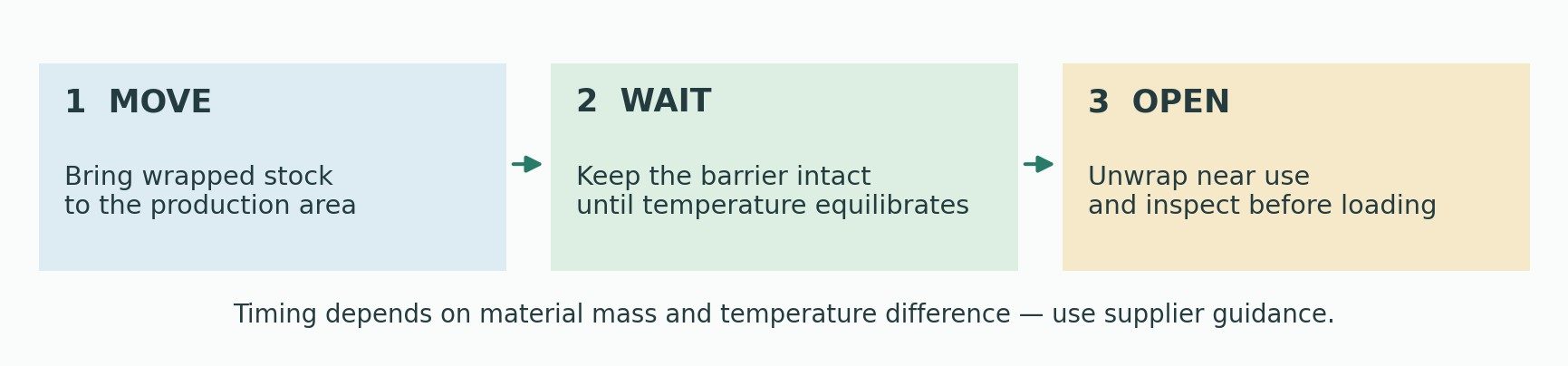
Figure 2. Keep the moisture barrier intact during temperature acclimation.
Do not use a fixed “few hours” rule. The required time depends on the temperature difference and the mass of the reel or pallet; large loads may need days. Agree a suitable schedule with the supplier. A warm outer surface alone may not represent the center of a large load. [1]
Inspect Stock Before Loading the Line
Check the material against its approved specification and reference sample. Record the reel or pack number so any issue can be traced through the trial and subsequent production.
| Check | What to look for | Initial action |
| Cleanliness | Visible mold, unusual odor, water exposure or suspected contamination | Isolate the stock and request a quality assessment before use. |
| Shape and edges | Curl, wavy edges, crushed ends or distorted blanks | Hold affected material; assess the extent and potential feeding impact. |
| Coating and surface | Cracks, delamination, scratches or abnormal surface appearance | Review with the supplier and test the relevant barrier or sealing function. |
| Reel condition | Core damage, sticking layers or abnormal unwinding | Stop and investigate before continuing to feed the material. |
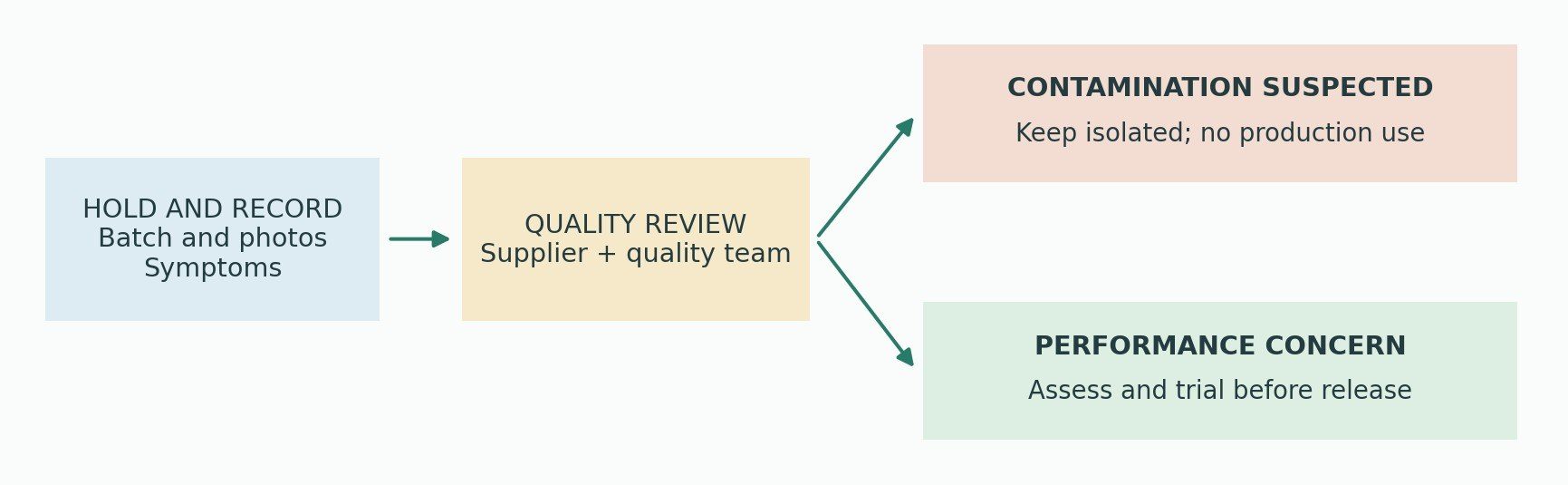
Figure 3. Hold abnormal material for assessment rather than automatically accepting or rejecting every defect.
Use Measurements and Trials to Resolve Uncertainty
If moisture measurement is needed, use a method suitable for the grade and coating. A handheld meter can support screening, but readings need an appropriate calibration and interpretation. A simple bend check may reveal visible cracking; it does not establish coating adhesion or overall fitness for use.
For a material or storage concern, agree a controlled trial with the quality team. Check feeding, forming, side seams and bottom seals, then assess finished cups under their intended filling and holding conditions. Release stock only when the agreed criteria are met; record any corrective action or rejection.
For a practical trial checklist, read How to Test Cupstock Samples Before Placing a Bulk Order.
Manage Opened Stock and Storage Time
After a run, protect unused material promptly with suitable moisture-barrier wrapping. Close exposed ends and seams, maintain edge protection, and return the pack to its designated storage position. Avoid placing tape or packaging adhesives directly on surfaces that will become part of the cup.
Keep the original grade and batch identification. Add the opening date, remaining quantity and any inspection or hold status. Use first-in, first-out rotation for comparable approved stock, while giving priority to any supplier-defined use-by or retest dates. Recheck opened material before its next run.
Confirm Shelf Life for the Exact Grade
There is no single storage life for all cupstock. Ask the supplier for the recommended period, the date from which it is counted, and the conditions attached to it. Coating, surface treatment, original wrapping and storage history can all affect the recommendation. Stock age still matters even when storage conditions are controlled.
If the recommended period is exceeded, request a documented reassessment before production. Appearance alone cannot confirm retained printing, sealing or barrier performance.
Frequently Asked Questions
Must the warehouse stay at 23 degrees Celsius and 50 percent RH
Do not treat those figures as a universal warehouse specification. ISO 187 addresses atmospheres for conditioning and testing paper and board samples. Routine storage limits should come from the supplier’s guidance for the supplied material. Laboratory specimen conditioning and acclimating a wrapped production reel serve different purposes. [2]
Can cupstock with wavy edges still be used
Possibly, but hold it for assessment first. Check the storage history, severity and feeding performance. Agree any recovery procedure and trial with the supplier and quality team. Suspected contamination requires separate investigation and should not be cleared by a successful machine trial alone.
Should cold reels be opened to warm up faster
Keep the moisture barrier intact during temperature acclimation. Opening cold stock in warmer air can expose it to condensation. Plan the transfer early enough to allow the supplier-recommended waiting period. [1]
Discuss Your Cupstock Requirements With Sure Paper
Share your cup application, coating specification, supply format, expected storage period and warehouse conditions. Sure Paper can help you review sourcing requirements and discuss the storage guidance and product documents needed before ordering.