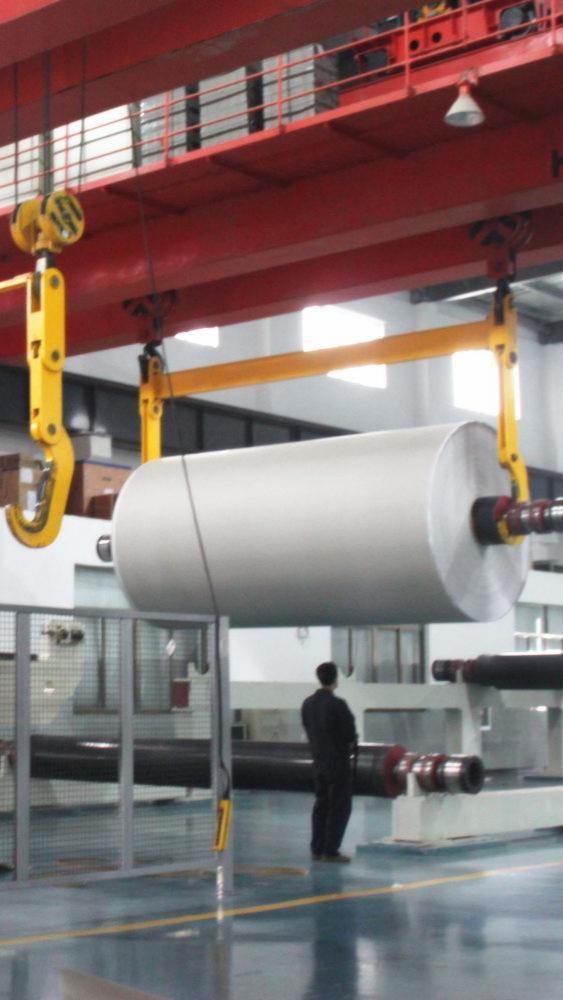
For Cup & Food Container Manufacturers
Cupstock Paper for Cup & Food Container Manufacturers
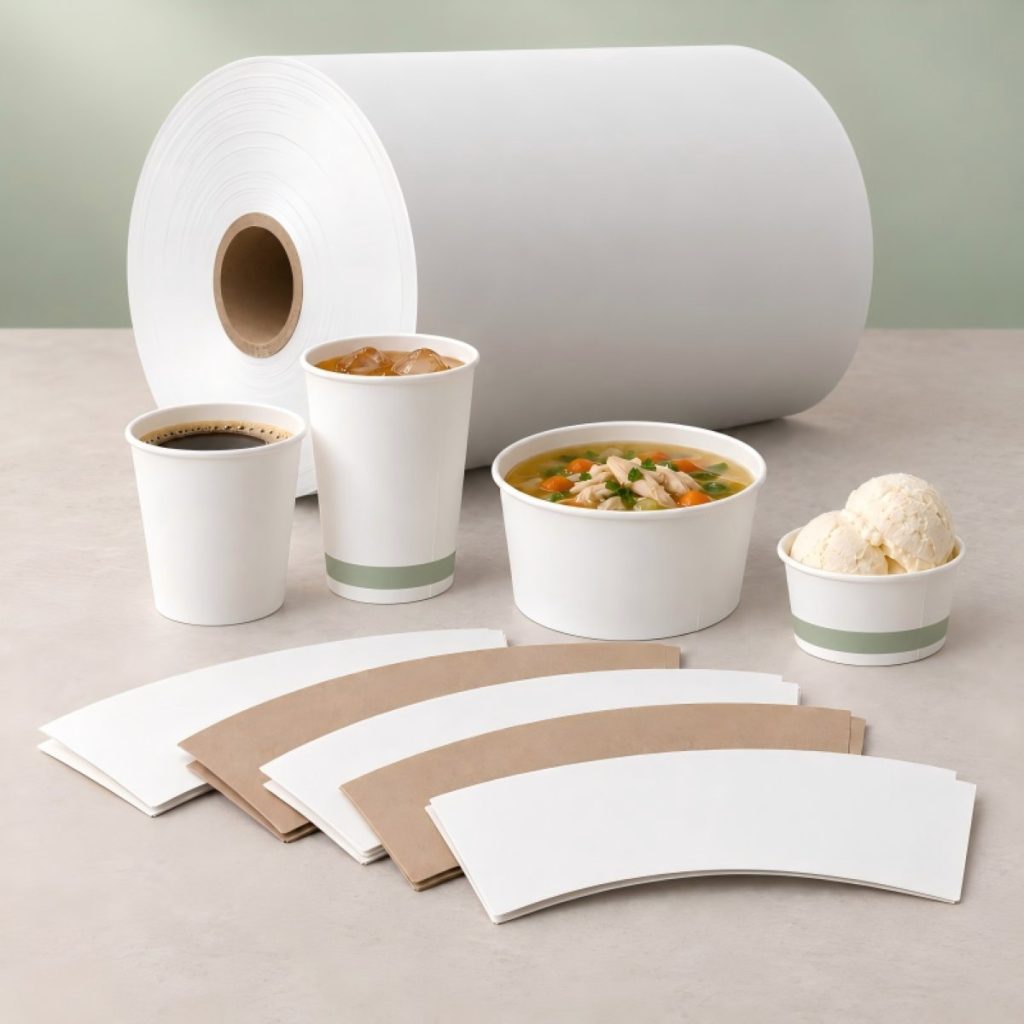
We supply uncoated and coated cupstock paper for paper cups, bowls and food containers, as well as printed cup fans and bottom rolls. Choose the paper weight, coating and dimensions to suit your production needs.
Not sure which paper to choose? Tell us what you make and we’ll help you select a suitable option.
- Custom Sizes & GSM
- PE, PLA & Water-Based Coatings
- Sample & machine-trial support
15+ years
Paper supply experience since 2011 — grade knowledge across mills
18
Finishing machines for slitting, cutting, laminating & custom supply formats
Multi-mill
Sourcing across APP, CHENMING, BOHUI & IP SUN grade options
≈8,000 t/mon
Standing stock across grades — continuity when availability changes
Production Solution
Paper Cup Production Problems? Start With the Issue
Buying the right GSM is only the beginning. Printing, die-cutting and cup forming can be affected by paper structure, coating, moisture, storage and machine settings. When problems occur, we trace them from the finished cup to identify process or material causes before recommending a heavier paper or different grade.
01
See the symptom
Start from how the finished cup behaves — leakage, softness, curl, cracking, unstable running or print issues.
02
Check process before changing paper
Machine parameters, storage and conditioning can also be the cause.
03
Review the material structure
Then look at GSM, bulk / caliper, MD/CD stiffness, moisture, coating structure and roll / sheet specification.
04
Change the smallest effective variable
Change one likely factor at a time — not GSM, coating and machine settings all at once.
05
Run a controlled machine trial
Validate on the real machine, real cup and real application — and record the results.
06
Lock the approved specification
Confirm the final grade / coating / format / tolerances, and use the approved standard for repeat orders.
Common Production Issues & Our Response Routes

Cup Leakage / Poor Sealing
Side seam opens, bottom leakage, wet marks or failure after holding.
What to check first
- Leak position: side seam, bottom or paper body
- Sealing temperature, pressure and dwell time
- Coating weight, uniformity and seal area
- Edge penetration / wicking and machine speed
Possible response route
- Review 1PE / 2PE and coating weight against the application
- Check whether the sealing window matches the coating structure
- Compare the current grade / TDS before changing GSM
- Run a controlled sample trial if a material change is justified
What to send us
- Defect photo / video
- Current paper + coating structure
- Cup size / bottom specification
- Machine model and line speed

Cup Feels Too Soft
Wall buckles, rim feels weak or the cup deforms after filling.
What to check first
- GSM together with bulk / caliper
- MD / CD stiffness
- Cup size and geometry
- Fill temperature, holding time and coating structure
Possible response route
- Compare grades by stiffness and structure — not GSM alone
- Review standard-bulk vs higher-bulk options for the target cup
- Optimize GSM only after the structure and cup geometry are understood
- Confirm the candidate on the customer’s forming line
What to send us
- Current grade / TDS
- Cup size or dieline
- Target application and fill condition
- Current sample if available

Curl / Edge Cracking
Fan or sheet curls, edges crack, or the finished cup becomes oval / unstable.
What to check first
- Paper moisture and conditioning
- Storage temperature / humidity
- MD / CD direction and coating balance
- Die / score condition and forming heat
Possible response route
- Review moisture profile and conditioning before production
- Check coating balance and grain-direction fit
- Review slit / edge quality and dimensional stability
- Trial an alternative base-paper structure only if required
What to send us
- Defect photo / video
- Storage conditions
- Roll / sheet information
- Current TDS or roll label
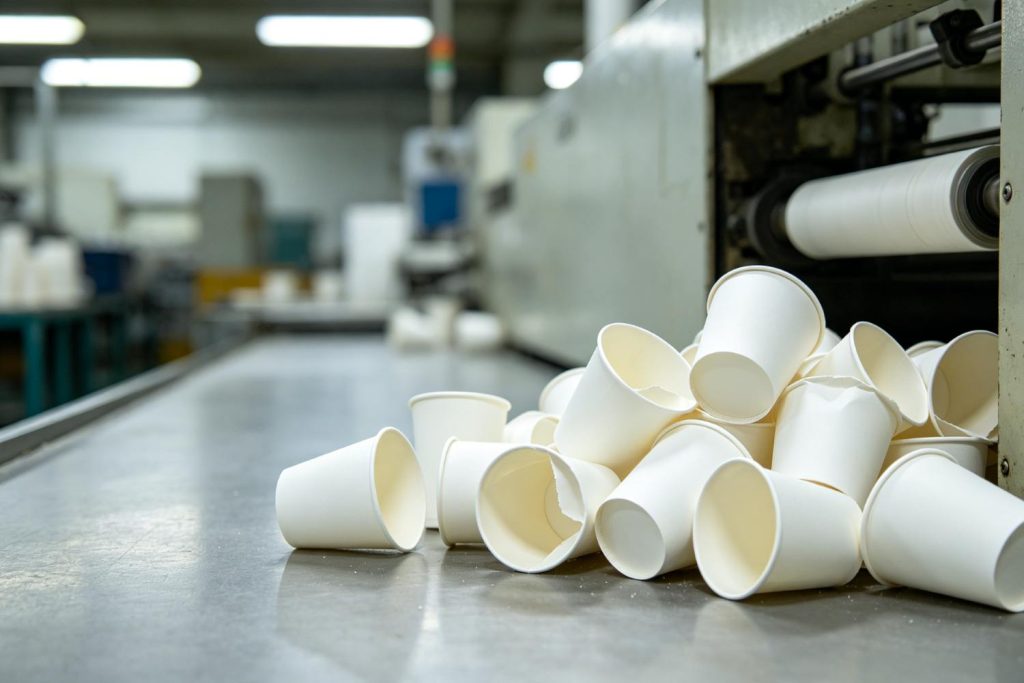
High Waste / Unstable Runnability
Misfeeding, frequent stops, unstable forming or higher-than-normal waste.
What to check first
- Roll flatness, width tolerance and winding
- Core / OD, edges, joints and reel condition
- Moisture / conditioning
- Printing, die-cutting and forming speed / settings
Possible response route
- Review the supply format and reel tolerances
- Check winding, slit quality and batch consistency
- Separate machine-setting effects from paper effects
- Run a targeted trial with one variable changed at a time
What to send us
- Roll label
- Machine model and speed
- Waste location / defect video
- Roll width, core and OD

Cold-Cup Softening / Condensation
The outside becomes wet, rigidity drops or the cup softens during holding.
What to check first
- 1PE vs 2PE / outer barrier structure
- Beverage and ice temperature
- Ambient humidity and holding time
- Base-paper stiffness and coating weight
Possible response route
- Consider an outer barrier / 2PE structure when the end-use requires it
- Review coating weight and base stiffness together
- Validate the structure using the real holding time and temperature
- Avoid changing GSM before confirming the condensation mechanism
What to send us
- Application and beverage type
- Target holding time
- Temperature / humidity conditions
- Current paper / coating structure

Printing / Ink Adhesion / Surface Issues
Ink rub-off, poor adhesion, uneven print or mottling.
What to check first
- Print surface smoothness and cleanliness
- PE treatment / corona / dyne level when applicable
- Ink-system compatibility
- Drying conditions and printing speed
Possible response route
- Review the required print surface before selecting the grade
- Check treated PE or coated print-surface options as applicable
- Verify coating uniformity and surface specification
- Test with the customer’s actual ink / printing process
What to send us
- Printing method
- Ink system and drying conditions
- Current grade / surface treatment
- Clear print-defect photos
The right paper is the paper that runs reliably on your line
Not every production issue requires a paper change. If the cause is machine settings or conditioning, we help address the process first. If the material is the cause, we identify whether to adjust coating, stiffness, bulk, moisture profile, reel specification or grade.
Bring Us the Failed Cup — Not Just the GSM
Send us any three of the following and we can start the review. Our technical team will come back with a response route — not a generic quotation.
Defect photos or video
Current TDS or roll label
Cup / bowl size or dieline
Machine make, model and speed
Paper + coating structure
End-use and holding conditions
Start here
Find the Right Material for Your Production
Whether you coat, print or form cups in-house, we can supply base paper, coated rolls and sheets, or ready-to-form cup fans and bottom rolls.
For In-House Coating
We supply white, kraft and bamboo cupstock for your coating line, with paper weight and roll dimensions selected to meet your requirements.
For Printing & Die-Cutting
We supply PE, PLA and water-based coated cupstock in rolls or sheets, cut to the dimensions required for your printing and die-cutting equipment.
For Cup Forming
We supply printed, die-cut cup fans and matching bottom rolls. Send us your cup size and design so we can confirm the specifications.
Decision roles
What Matters to Your Team
The same material can be evaluated differently by procurement, production, and QA. Aligning their requirements helps turn an approved specification into a consistent standard for every reorder.
Procurement / Owner
Price & Reliable Supply
Compare paper options, pricing and delivery terms to find a suitable source for your regular orders.
- Grade options from APP, Asia Symbol, BOHUI and IP SUN
- Clear quotations with MOQ, lead time and shipping terms
- Alternative grades for evaluation when your usual paper is unavailable
- Repeat orders supplied to the agreed specifications
Production / Converting
Will It Run on Our Line?
Choose paper that suits your equipment, with attention to feeding, printing, forming and sealing performance.
- Paper weight, thickness, stiffness and coating selected for your application
- Roll widths, sheet sizes and cup fans matched to your equipment requirements
- Samples for evaluation and machine trials before bulk orders
- Help investigating leakage, curl, edge cracking and production waste
QA / Compliance
Consistent Quality & Documentation
Review the material specifications, inspection data and supporting documents needed for your product and destination market.
- Grade-specific TDS and batch inspection data where available
- Food-contact documents for the selected paper, coating and intended use
- FSC / PEFC and PFAS-related documentation where applicable
- Roll labels and batch numbers for shipment traceability
Align Procurement, Production & QA — In One Specification
Send us these six fields and we’ll come back with one brief that addresses cost, runnability and compliance — not three separate conversations.
Monthly volume target
Current unit cost or cost ceiling
Machine model and line speed
Current defect or compliance gap
Required certifications
Target delivery date/first shipment window
Paper for Cups, Bowls & Food Containers
We help you choose suitable paper and coatings based on what your container will hold and how it will be used.
Hot Drink Cups
Coated cupstock for coffee and tea cups, selected for liquid resistance, reliable sealing and cup rigidity when holding hot drinks.
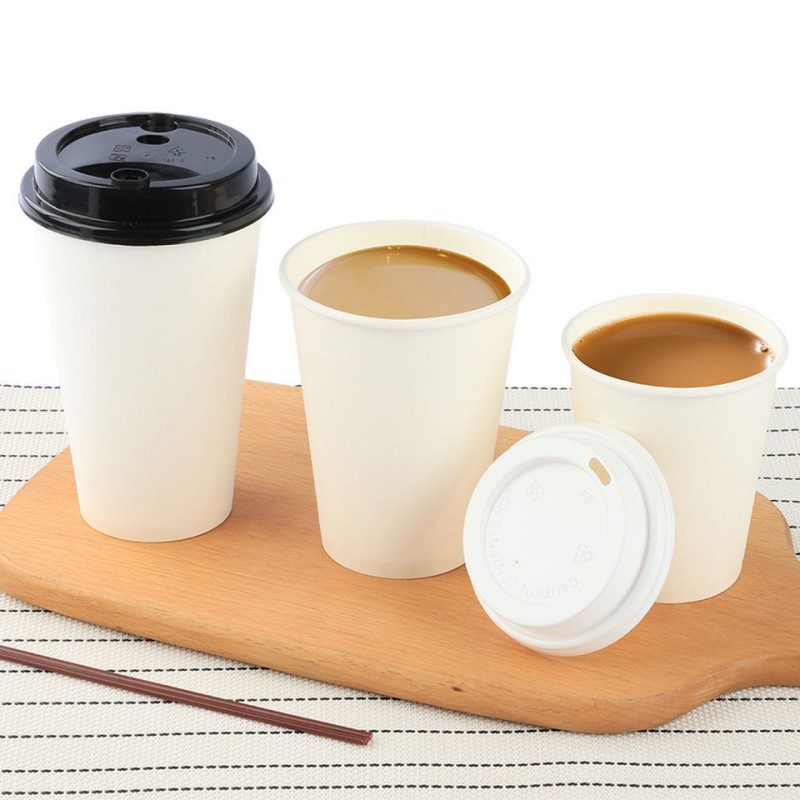
Cold Drink Cups
Coated cupstock for cold and iced drinks, with protection against liquid inside the cup and condensation on the outside.

Ice Cream / Dessert Cups
Coated cupstock for ice cream and dessert packaging. Paper and coating selection depends on whether the product is served immediately, refrigerated or frozen.
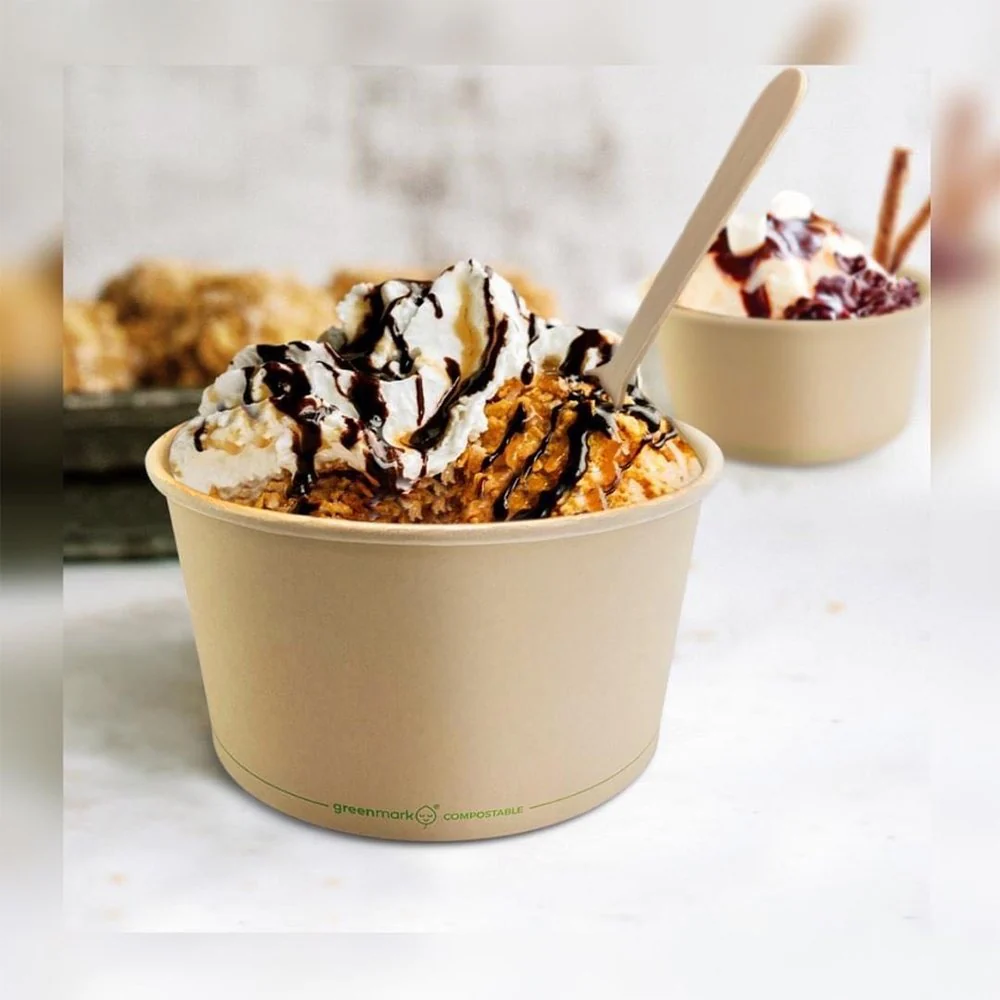
Soup Bowls & Food Containers
Coated cupstock and kraft board for soup bowls and takeaway containers, selected to handle hot, oily or moist foods for the intended holding time.

Cupstock Paper Options
Choose from different paper types, coatings and supply formats to suit your cups, bowls and food containers. Contact us to confirm the available specifications for your selected option.
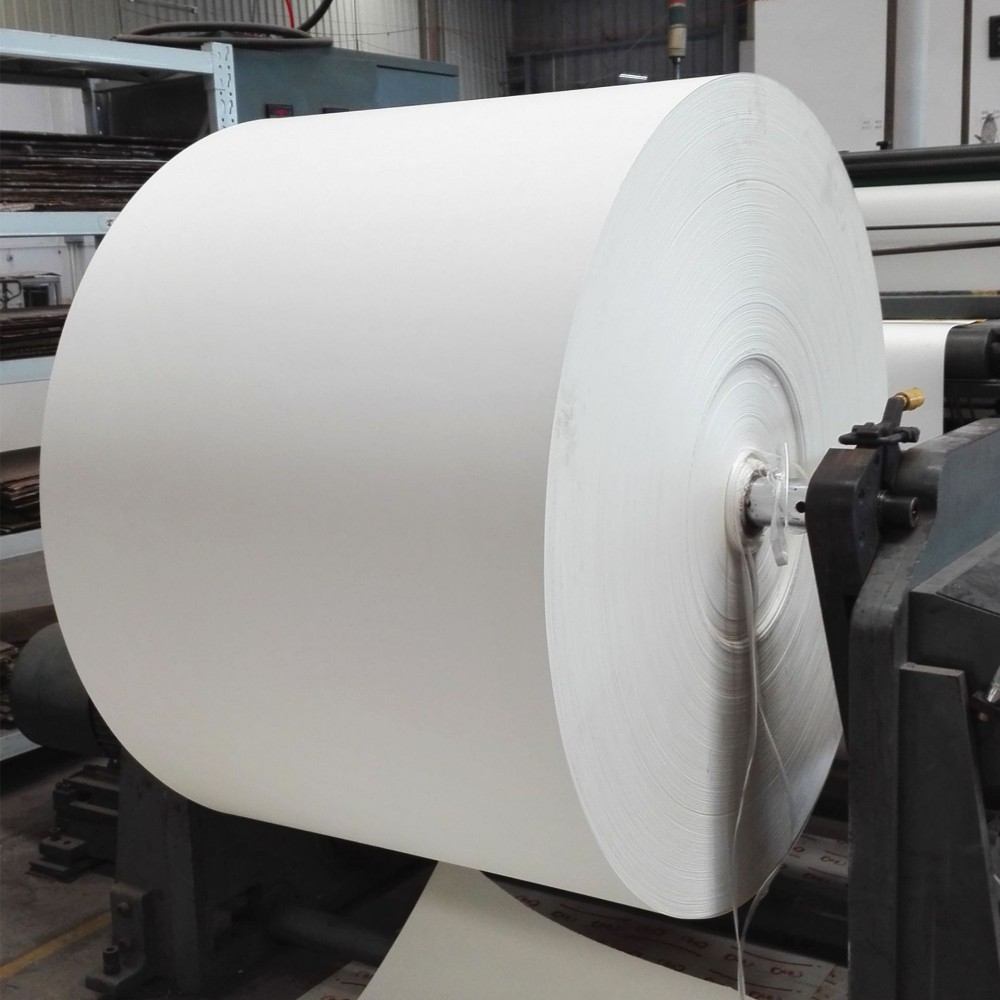
White Uncoated Cupstock
150–320 GSM · for in-house / flexible coating routes
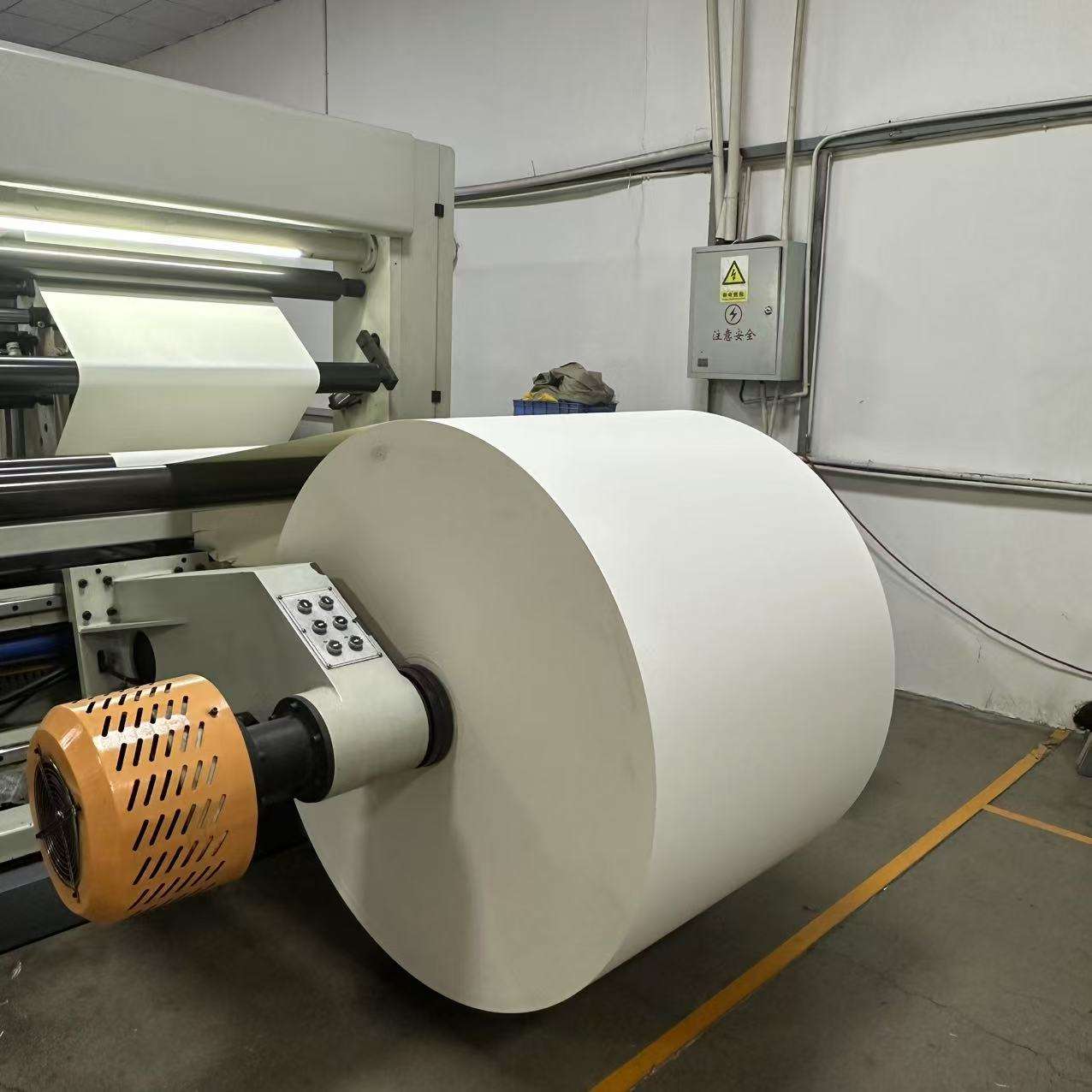
White Clay Coated Cupstock
170–320 GSM · higher print-surface requirement
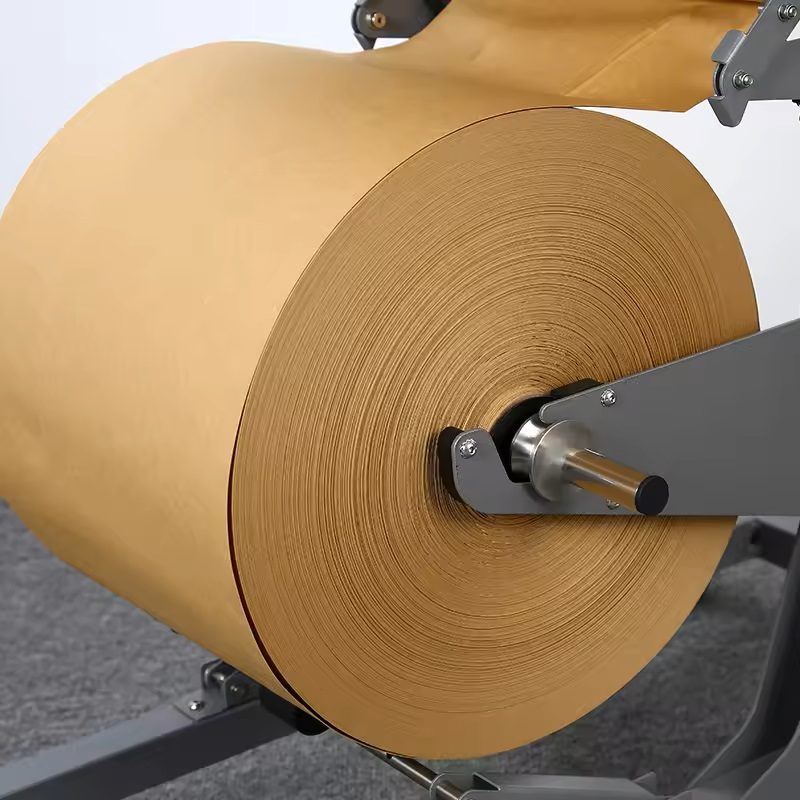
Brown Kraft Cupstock
210–320 GSM · natural-look cups & containers
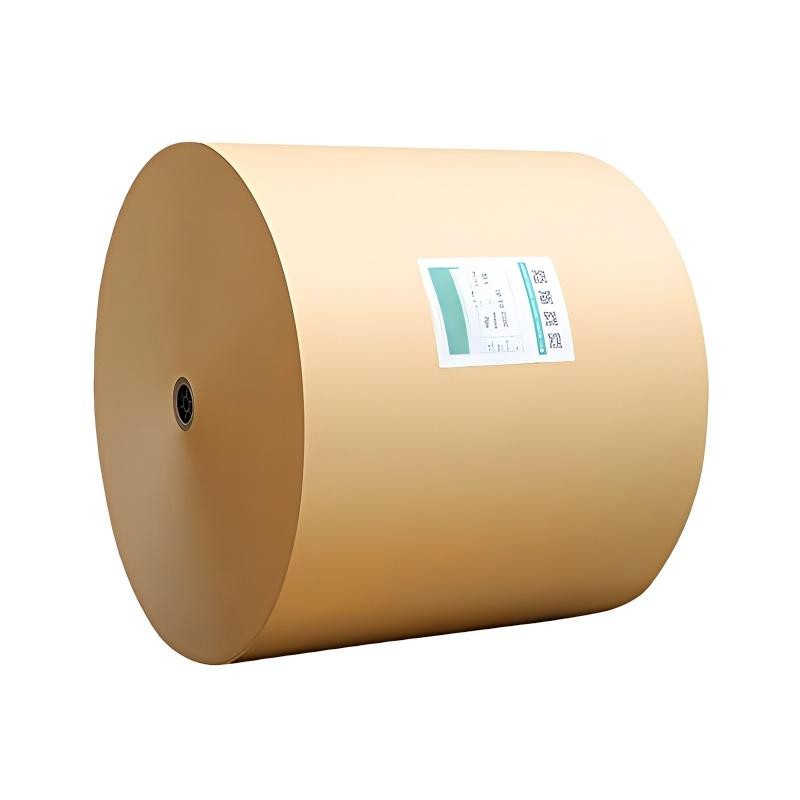
Bamboo Cupstock
150–350 GSM · alternative-fibre / natural positioning
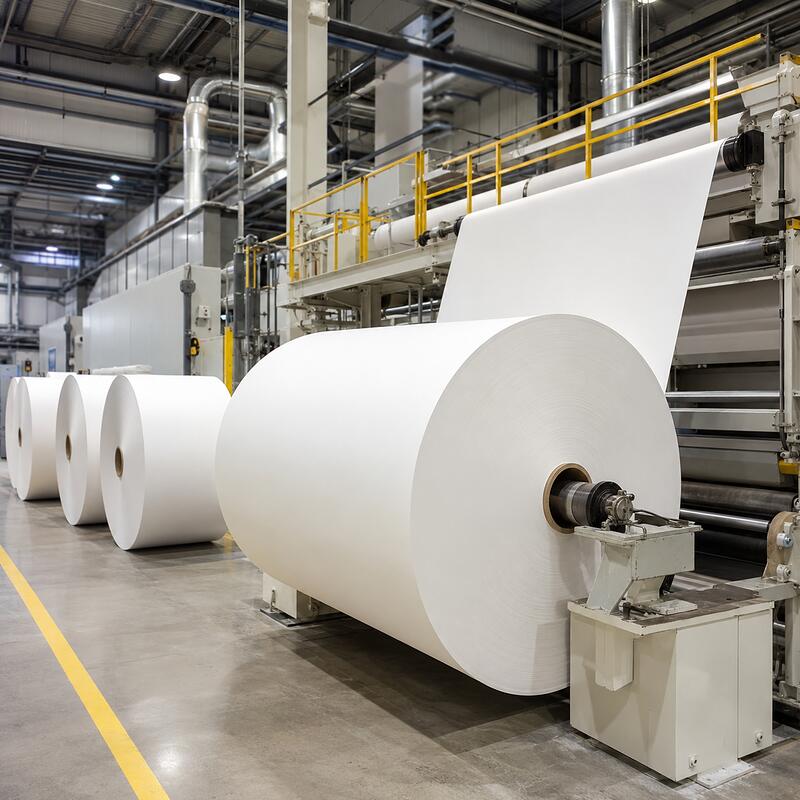
PE Coating
12–20 GSM/side · mainstream liquid / grease barrier + heat seal
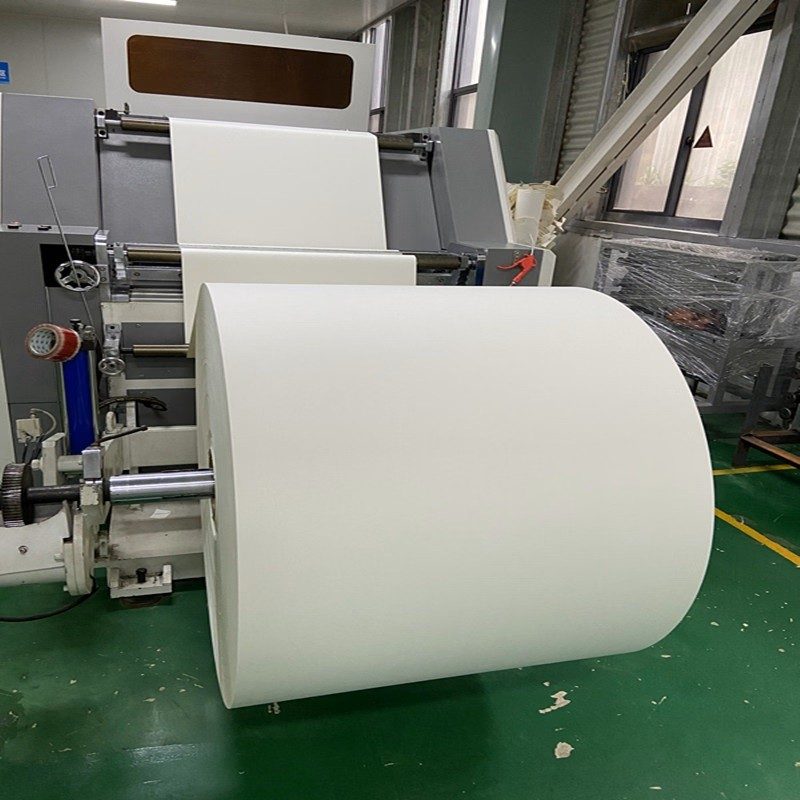
PLA Coating
15–45 GSM/side · bio-based barrier route; claims by exact certificate / market
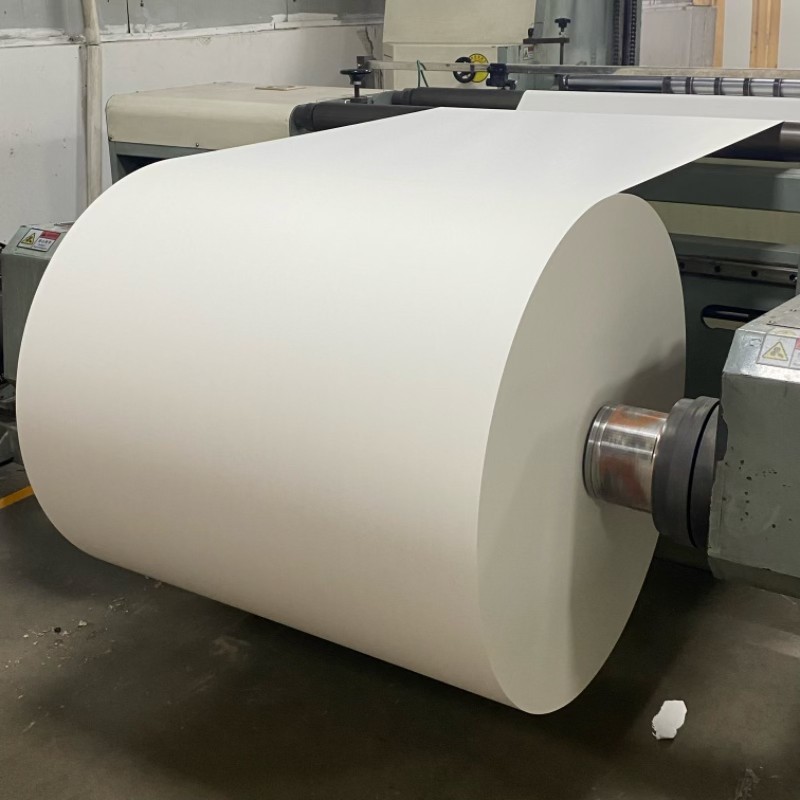
Water-Based Coating
Alternative dispersion barrier; recovery claims by exact grade / market
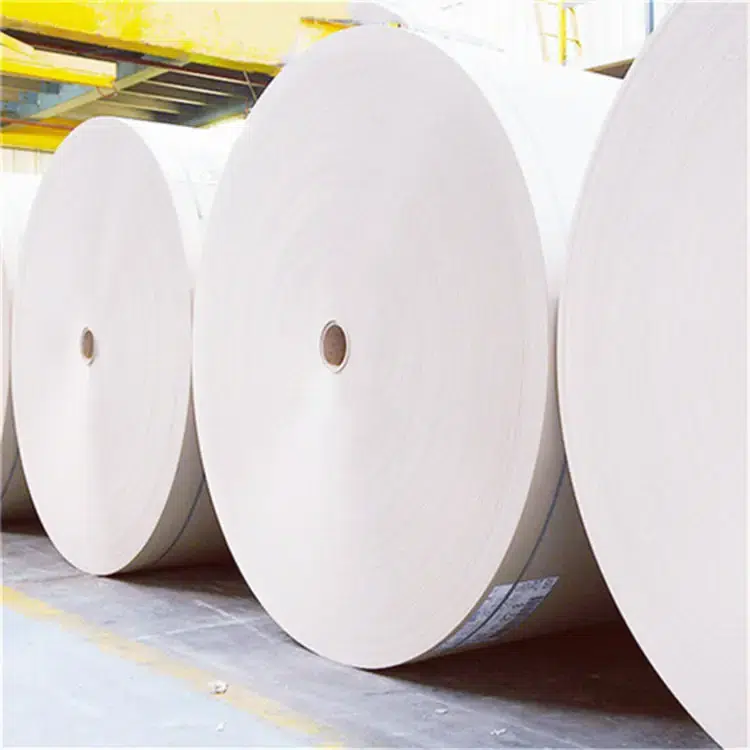
Jumbo / Slit Roll
For coating, printing & converting customers
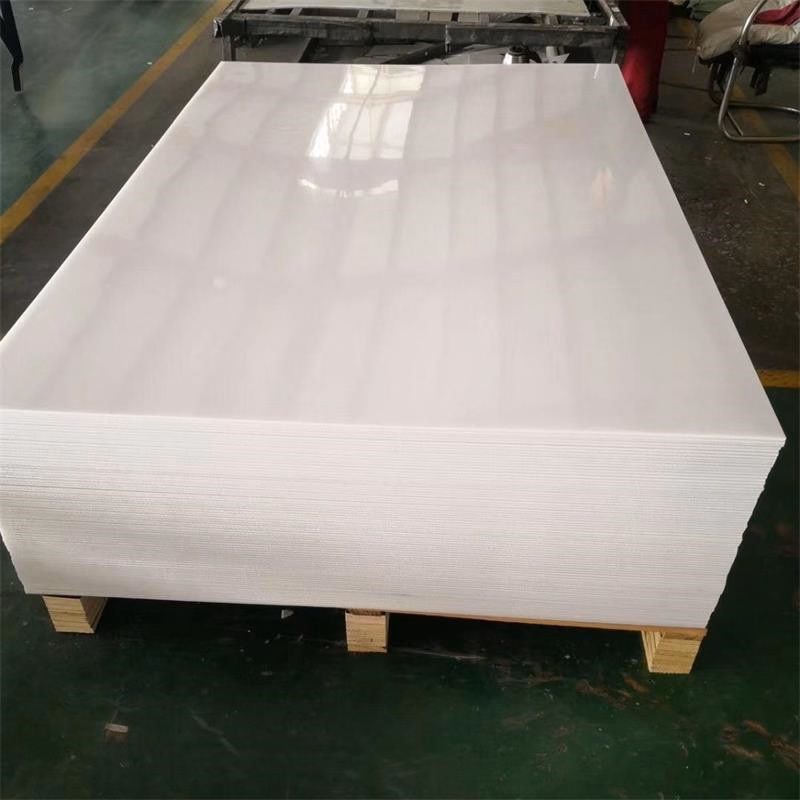
Sheet
For printing, die-cutting & sheet-fed processes
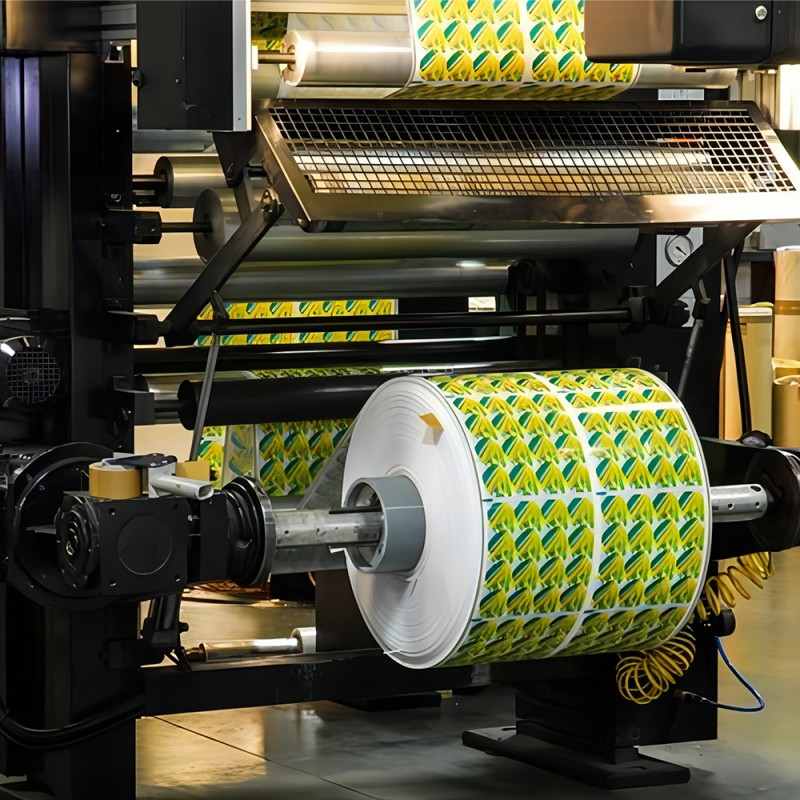
Printed Cup Fan
170–320 GSM · pre-printed, pre-cut body blanks for cup forming
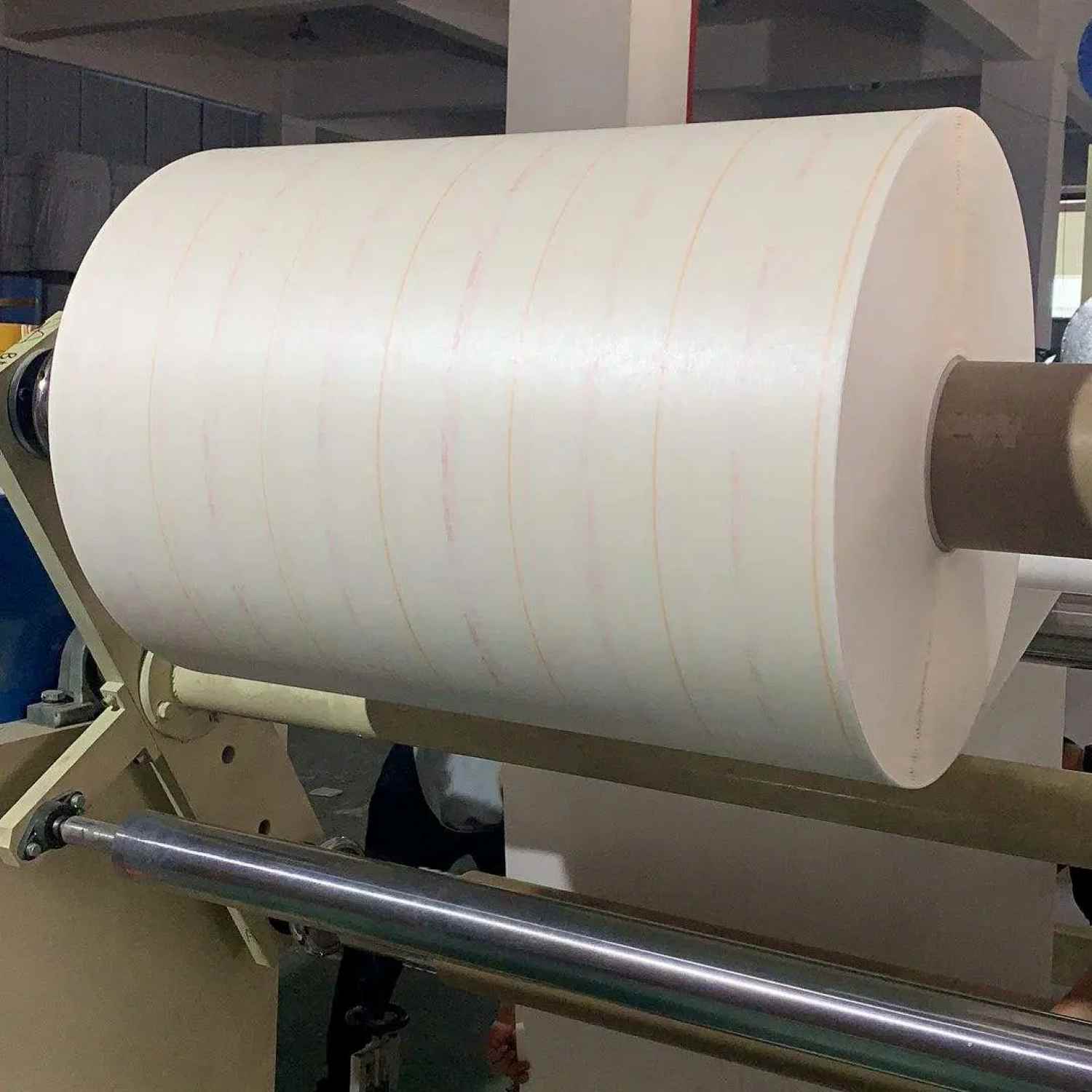
Bottom Roll
Cup bottom forming — separate supply item, matched to your cup size
Material Decision Table
| Material | Best for | Main value | Must confirm |
|---|---|---|---|
| White uncoated cupstock | In-house coating | Coating flexibility | Bulk · stiffness · Cobb |
| Clay coated cupstock | High print quality | Smooth coated print surface | Print side · coating compatibility |
| Kraft cupstock | Natural-look cups | Kraft appearance | Strength · food contact |
| Bamboo cupstock | Alternative-fibre programs | Distinct fibre / visual positioning | Grade · strength · certification |
| PE coated cupstock | Mainstream cups / bowls | Reliable barrier + sealing | PE GSM · 1PE / 2PE |
| PLA coated cupstock | Selected bio-based projects | Bio-based barrier | Certification + end-of-life route |
| Water-based coated cupstock | Alternative barrier projects | Different fibre-recovery route | Grade + recyclability evidence |
| Cup fans / bottom rolls | Direct cup forming | Less downstream converting | Dieline + machine + sealing |
Need help matching a current grade? Send us your current TDS, mill / grade or sample — Request Technical Matching. Whether you currently run APP, BOHUI, SUN PAPER, ASIA SYMBOL, FIVE STAR, YIBIN or another grade, we start from your existing specification.
Same GSM, Different Cup Performance
Two mills can both sell "230 GSM cupstock" and produce completely different cups. Understanding why is the fastest way to avoid a bad substitution.
| Parameter | What it actually tells you |
|---|---|
| GSM | Basis weight only. It cannot by itself represent stiffness, thickness or forming performance — same GSM from two mills is not the same cup. |
| Bulk / caliper | At the same GSM, higher bulk generally gives more caliper (A thicker sheet). Final performance still depends on fiber, MD/CD stiffness, moisture, coating and cup geometry — bulk 1.7 is not automatically better than 1.4 or 1.5. |
| MD/CD stiffness | Directionality affects cup body strength, forming, printing and converting. A single “good stiffness” claim is not A specification. |
| Moisture / Cobb | Drives dimensional stability, coating behavior, forming and edge behavior. Leakage is rarely explained by the base paper alone. |
Go deeper: Why GSM alone is not a cupstock specification — a full technical guide to bulk, caliper and stiffness targets.
Same GSM, Different Cup — Send Us Yours
Basis weight is the only number the two rolls share. Send your current TDS plus one symptom, and we’ll show the structural differences before you trial a substitute.
Current TDS or roll label
The cup that's failing
Machine make, model and speed
Current GSM and bulk target
Defect symptom
Cup size or dieline
Quality Control & Shipment Protection
We check paper specifications, record batch information and arrange protective packing to support consistent quality and safe delivery.
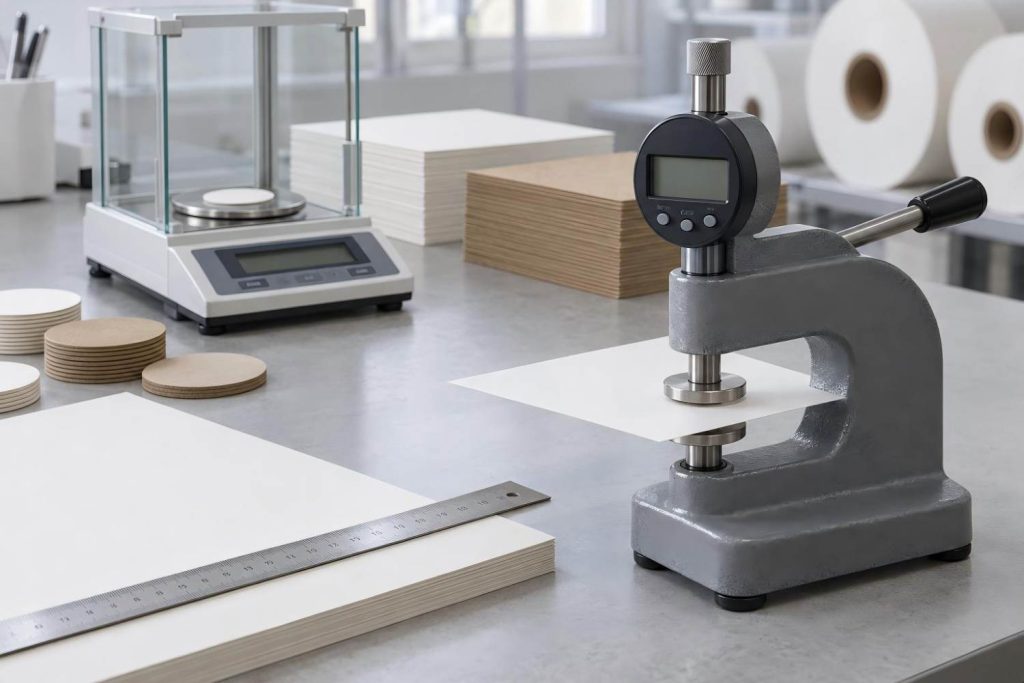
Paper Specification Checks
We check GSM, thickness and dimensions against the agreed specifications before shipment.
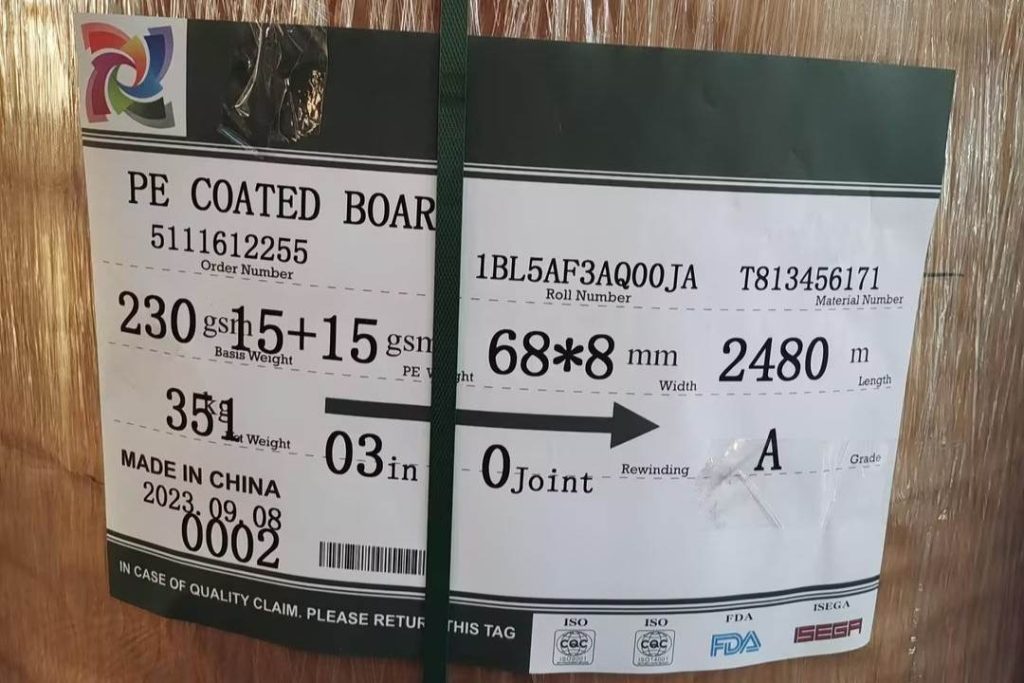
Batch Identification & Traceability
Roll labels and batch records help us identify the supplied material and follow up on any quality questions.
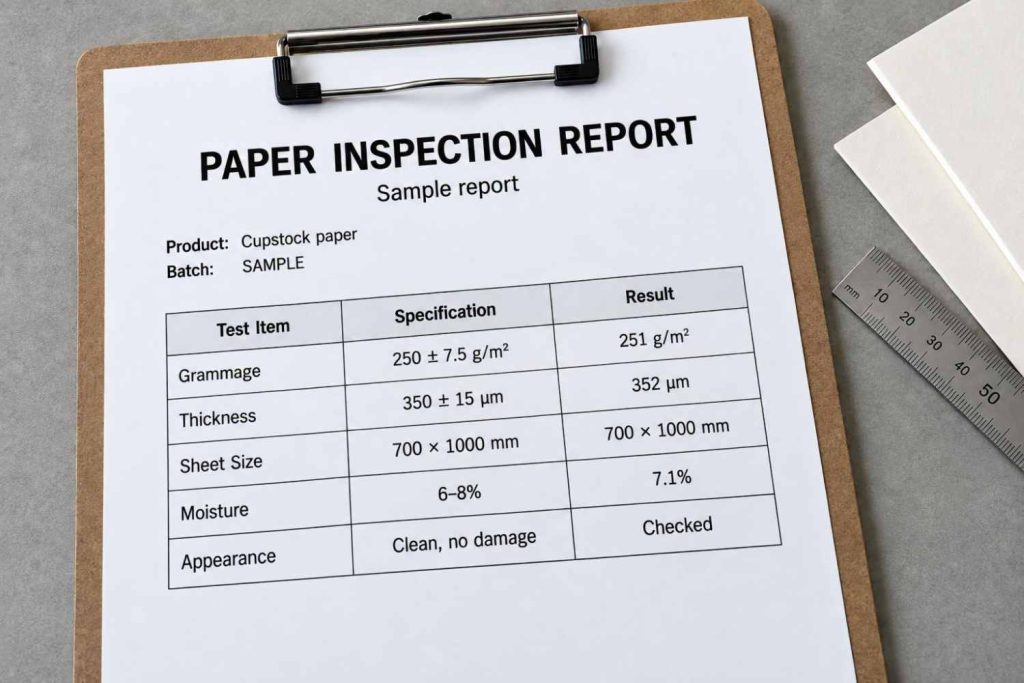
Inspection Reports
Batch inspection reports document the checks carried out and the results for your order.
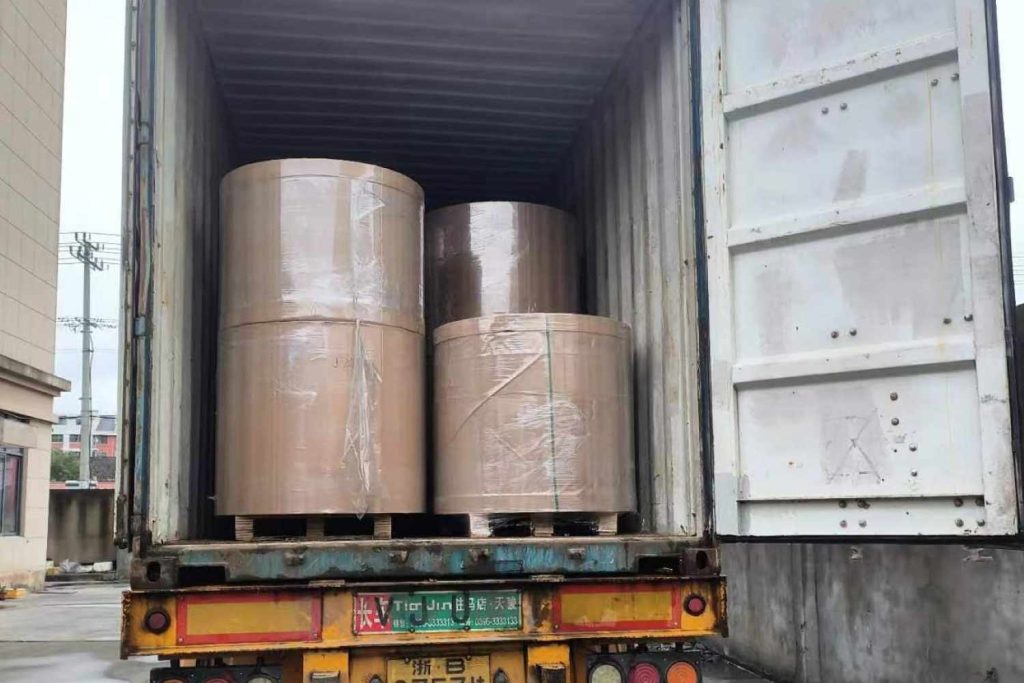
Protective Packing & Loading
We arrange moisture protection, edge protection and suitable loading methods according to the paper format and shipment requirements.
Documents Available by Grade
Documents are provided per grade and order — claims always tied to the exact grade, certificate scope and destination market.
Cupstock for In-House Coating Operations
COA / Inspection Data where applicable
Food-Contact Documents by exact grade / application
FSC / PEFC where applicable
PFAS-Related Documentation where applicable
Batch Traceability / Label Information
Qualification workflow
How to Order
Tell us your requirements. We’ll recommend suitable paper, provide a quotation and arrange samples for evaluation before you confirm your order.
Share Your Requirements
Tell us what you make, the paper specifications you need and your order quantity. You can also send your current TDS or a sample for reference.
Review Our Offer & Samples
We recommend suitable options, quote the price and arrange samples for you to check the paper and coating.
Test on Your Equipment
For a new paper grade, test it on your production line to check forming, sealing and finished cup quality. Share your feedback so we can review any adjustments.
Confirm Your Order
Confirm the paper specifications, quantity, packing and delivery terms. We then arrange production and shipment according to the agreed order.
Commercial Terms
MOQ
5 MT per GSM / size; total order normally FCL.
Samples
Free A4 samples; sample rolls may be charged. Dispatch time to be confirmed.
Lead Time
Confirmed according to mill, grade, coating and current production schedule.
Formats
Rolls / sheets / cup fans / bottom rolls according to project.
5 MT MOQ, Free A4 Samples, Start With Six Fields
Six fields are enough for a real quote and a sample dispatch plan. Send these and we’ll come back with grade options, indicative pricing and sample timing — not a generic reply.
Finished product
Monthly volume
Current GSM or current grade
Target coating
Reel width or sheet size
Target delivery date
Go deeper
Related Technical Guides
Practical guides for deeper technical questions, material selection, production considerations, and common challenges — with clear, useful information to support your decisions.
Selection
How to Choose Cupstock Paper for Paper Cup Manufacturing
Full buying guide: bulk, GSM, stiffness and cup-production requirements.
Troubleshooting
Common Quality Problems in PE Coated Paper Production
Coating adhesion, pinholes, thickness variation and production controls.
Material Types
Different Types & Applications of Cupstock Paper
Uncoated, coated and alternative cupstock routes by application.
Barrier
PE Coated Cupstock vs PLA Coated Cupstock
The two main barrier routes compared side by side.
Print Surface
Clay Coated Cupstock
Product-level information for higher print-surface requirements.
Alternative Fiber
Bamboo Paper Cupstock
The bamboo-fiber route for cups and bowls — with forming validation built in.
FAQ
Cupstock Sourcing — the 5 Questions That Matter
Clear answers to key questions on grade matching, bulk selection, supply scope, required inputs, and documentation.
Can you match the cupstock grade we currently use?
Yes — grade matching is the standard starting point. Send your current mill / grade, TDS or a sample. We compare GSM, bulk, caliper, stiffness, Cobb, coating structure and reel dimensions against available grades, then qualify the candidate through material samples and a machine trial. Same GSM does not mean same structure or same cup performance, so substitution is confirmed only after your converting and forming approval.
How should we choose between bulk 1.4, 1.5 and 1.7?
Bulk describes thickness per unit basis weight. At the same GSM, higher bulk generally gives a thicker sheet profile, which can improve cup body feel. But the final decision must also include MD/CD stiffness, cup geometry, coating structure and converting behavior. Higher bulk is not automatically better — the right value depends on the cup design, stiffness target and your forming line.
Can you supply both base paper and PE / PLA / water-based coated cupstock?
Yes. Base paper routes include white uncoated cupstock, white clay coated cupstock, brown kraft cupstock and bamboo cupstock. Barrier routes include PE, PLA and water-based coatings. Supply formats include jumbo / slit rolls, sheets, printed cup fans and bottom rolls — so you can buy at the converting stage that matches what your factory does in-house.
What information do you need before recommending a cupstock grade?
The most useful starting set is: finished product (hot cup, cold cup, bowl, container), current mill / grade or TDS, base GSM and bulk target, coating type (PE / PLA / water-based / base paper), 1S or 2S coating, reel width or sheet size, core ID and OD, machine model and running speed, monthly volume, and any current production problem such as leakage, curl, edge cracking, softness or waste.
What documents can you provide for food-contact and certified paper grades?
Documents are provided per grade and order: technical data sheets (TDS), COA / inspection data where applicable, food-contact documents matched to the exact grade, coating and application, FSC / PEFC documentation where applicable, PFAS-related documentation where applicable, and batch traceability / label information. Environmental and certification claims are always tied to the specific grade, certificate scope and destination market.
Request Cupstock Recommendation & Quote
This form is built for cup, bowl and food-container factories — not a generic contact box. The more of these fields you can fill, the faster and more accurate the recommendation.
- Current mill / grade is the most valuable field — it is the fastest matching entry point.
- Commercial terms — MOQ 5 MT per GSM / size (normally FCL); free A4 samples, sample rolls may be charged; lead time confirmed per mill, grade, coating and schedule.