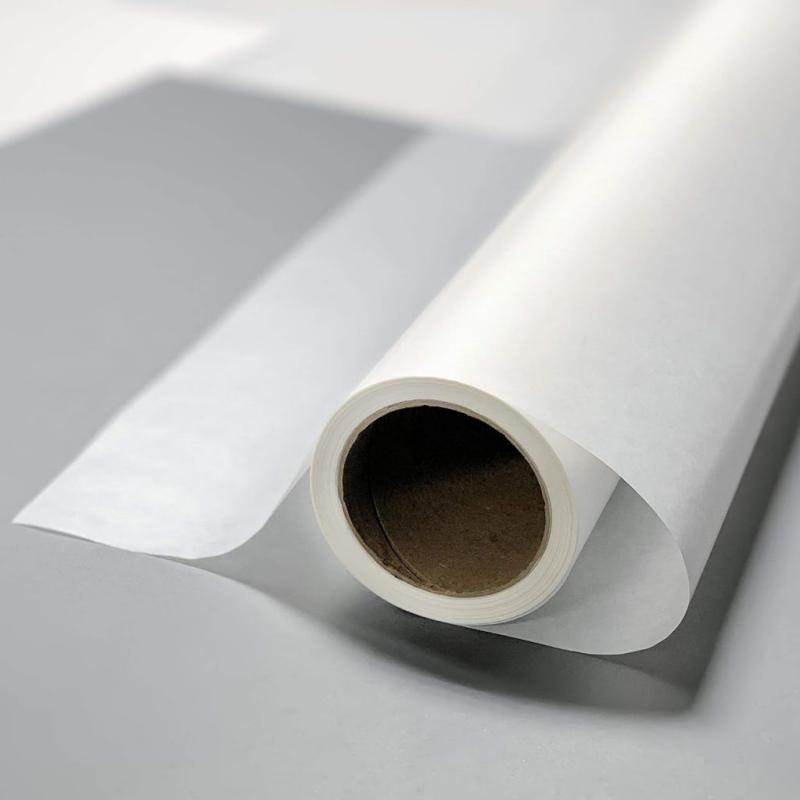
Yes, uncoated glassine paper is biodegradable and compostable. Made from dense wood pulp fibers without plastic laminations or synthetic coatings, it can naturally break down in both home and industrial composting environments, making it a widely used alternative to single-use plastic packaging.
With growing demand for sustainable packaging, glassine paper is increasingly used for food packaging, bakery products, cosmetics, and retail applications. Its smooth surface, grease resistance, and recyclable paper structure make it a practical option for brands looking to reduce plastic waste while maintaining product protection.
Key Takeaways
- Uncoated glassine paper is 100% biodegradable and compostable
- It breaks down in 2-6 weeks in industrial compost and 2-4 months in home compost
- Glassine paper is recyclable, but coated or silicone-lined versions are not
- It is grease-resistant and food-safe, making it ideal for packaging baked goods, candies and snacks
- Always check local recycling and composting rules before disposal
Why Is Glassine Paper Biodegradable?
Natural Wood Pulp Composition
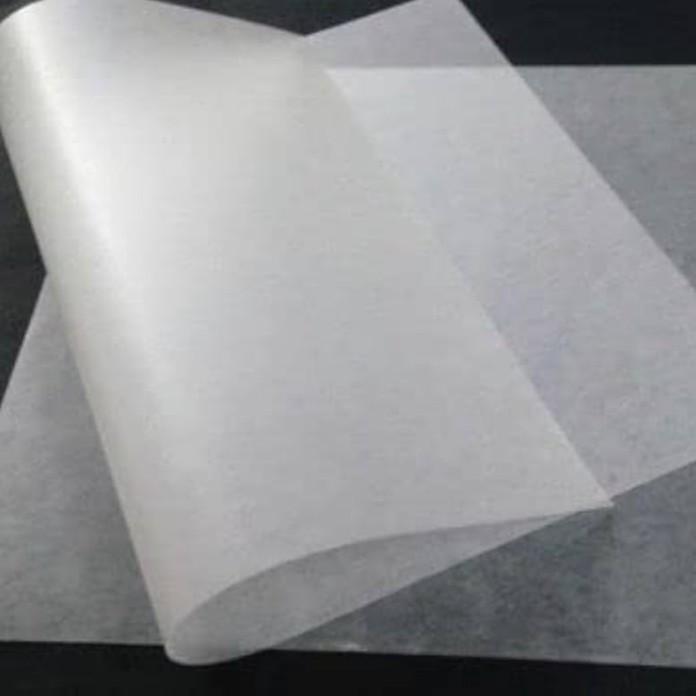
Glassine paper is made from 100% pure cellulose wood pulp. During manufacturing, the pulp is beaten and super-calendared (pressed through heated rollers) to create a smooth, glossy, translucent surface.
Unlike plastic packaging, which is made from petroleum-based polymers, cellulose is a natural organic material that microorganisms can break down. Glassine paper contains no plastic coatings, synthetic dyes or chemical additives, which means it decomposes completely without leaving toxic residues.
💡 Technical Note: Glassine paper is grease-resistant and water-resistant due to its dense fiber structure, not plastic coatings. It is slightly hygroscopic, meaning it absorbs moisture from the air, which helps microorganisms break down the fibers over time.
Decomposition Timeframe
The exact time it takes for glassine paper to decompose depends on the environment:
- Industrial composting: 2-6 weeks (high temperature and controlled conditions)
- Home composting: 2-4 months (depending on temperature, moisture and pile activity)
- Landfill: 2-6 months (slower due to lack of oxygen and microorganisms)
This is significantly faster than plastic packaging, which can take hundreds of years to decompose and never fully breaks down into natural materials.
Can Glassine Paper Be Composted or Recycled?
Composting Glassine Paper
Uncoated glassine paper is safe for both home and industrial composting:
- Home compost: Tear glassine paper into small pieces to speed up decomposition. Mix it with food scraps and yard waste to maintain a balanced carbon-to-nitrogen ratio.
- Industrial compost: Most commercial compost facilities accept uncoated glassine paper. Look for products with official compostability certifications for guaranteed acceptance.
Here are some common compostability certification forms:
| Certification | Region | Standard |
|---|---|---|
| BPI | USA | ASTM D6400 |
| OK Compost INDUSTRIAL | EU | EN 13432 |
| AS5810 | Australia | Home compostability standard |
Recycling Glassine Paper
Uncoated glassine paper is fully recyclable and can be placed in most curbside paper recycling bins. However, there is one important exception:
- Uncoated glassine: ✅ Recyclable
- Single-sided silicone-coated glassine: ❌ Not recyclable in most areas
- Double-sided silicone-coated glassine: ❌ Not recyclable
Silicone coatings prevent the paper fibers from separating during the recycling process, contaminating entire batches of recycled paper. Always check the product label before recycling.
💡 Pro Tip: Glassine paper that is heavily soiled with food grease should be composted instead of recycled, as grease can contaminate paper recycling.
Glassine Paper vs Plastic Packaging
Glassine paper offers significant environmental advantages over single-use plastic packaging:
| Aspect | Uncoated Glassine Paper | Single-Use Plastic |
|---|---|---|
| Biodegradability | Fully biodegradable in months | Does not biodegrade, persists for centuries |
| Compostability | Yes | No |
| Recyclability | Yes | Only 9% of plastic is recycled globally |
| Toxicity | No harmful chemicals | Can leach microplastics and toxic additives |
| Carbon Footprint | Lower than plastic for single-use applications | Higher long-term environmental impact |
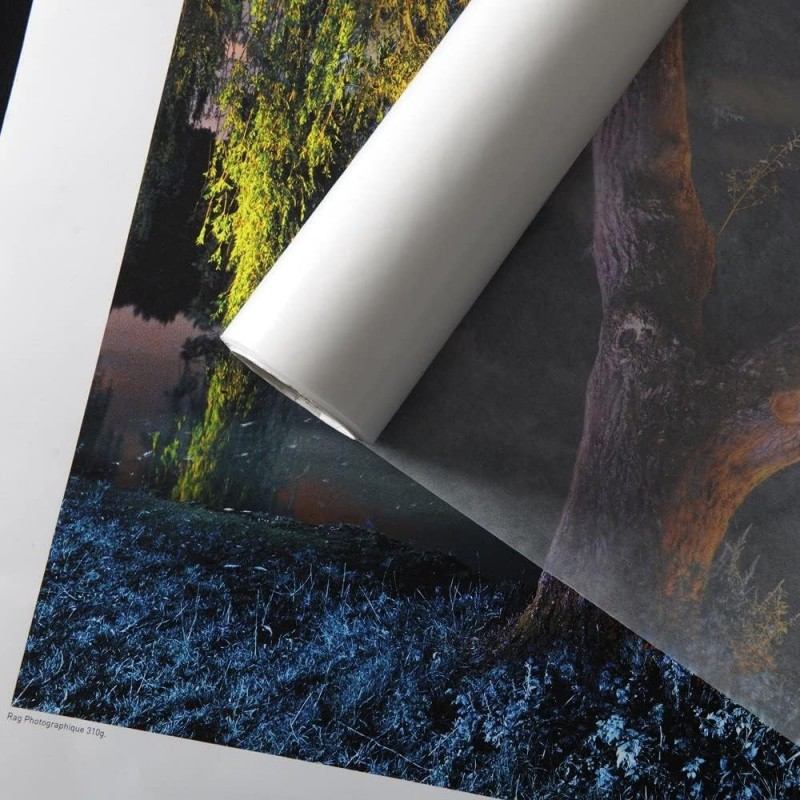
In addition to its environmental benefits, glassine paper is also lightweight, translucent and printable, making it a versatile choice for brands looking to reduce their plastic footprint.
Best Practices for Disposing of Glassine Paper
Proper Disposal and Composting Tips
Follow these tips to ensure your glassine paper is disposed of in the most eco-friendly way possible:
- Compost first: If you have access to a compost bin, composting is the most sustainable option for clean glassine paper.
- Recycle clean paper: Clean, uncoated glassine paper should be recycled with other paper products.
- Avoid contamination: Keep glassine paper separate from plastic and other non-recyclable materials.
- Check local rules: Recycling and composting guidelines vary by location, so always check with your local waste management provider.
Common Mistakes to Avoid
- ❌ Do not recycle coated or silicone-lined glassine paper
- ❌ Do not compost glassine paper that is heavily contaminated with oil or food waste
- ❌ Do not throw glassine paper in the trash if it can be composted or recycled
Conclusion
Uncoated glassine paper is a truly biodegradable and eco-friendly packaging material. It offers a sustainable alternative to single-use plastic without sacrificing functionality or performance.
For high-quality, FSC-certified uncoated glassine paper, trust Sure Paper. Our food-grade glassine is made from sustainable wood pulp, free of plastic coatings and dyes, and fully compostable and recyclable. Contact us today to learn more about our eco-friendly packaging solutions.
FAQ
Is glassine paper safe for food contact?
Yes, uncoated glassine paper is FDA and EU approved for direct food contact. It is widely used for packaging baked goods, candies, snacks and other food products.
Can I compost glassine paper with food on it?
Small amounts of food residue are fine for composting. However, glassine paper that is heavily soaked in oil or grease should be thrown in the trash, as it can attract pests and disrupt the composting process.
What is the difference between glassine paper and wax paper?
Wax paper is coated with paraffin wax, which makes it non-recyclable and non-compostable. Glassine paper has no wax or plastic coatings, making it fully biodegradable and recyclable.
Is glassine paper waterproof?
Glassine paper is water-resistant and grease-resistant, but not fully waterproof. It will eventually absorb liquid if exposed for extended periods of time.