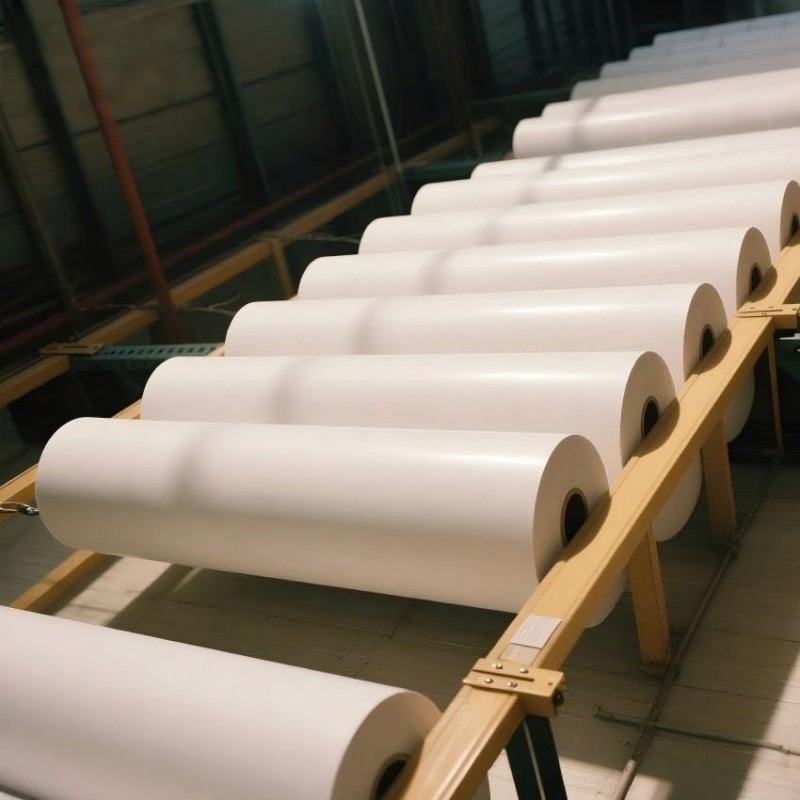
In most cases, wax paper is the safer choice for everyday food storage. Unlike plastic wrap, food-grade wax paper does not leach hormone-disrupting or potentially harmful chemicals into food, even when wrapping fatty ingredients. Made from pure wood pulp coated with food-safe wax, products like Sure Paper wax wrapping paper comply with strict global food contact standards, making them a low-risk, eco-friendly alternative for most cold and room-temperature food storage needs.
Key Takeaways
- Wax paper eliminates the risk of plastic chemical leaching, making it a safer pick for fatty foods like cheese and cold cuts.
- Plastic wrap carries low but measurable chemical migration risks when used with hot or high-fat foods, even when labeled food-safe.
- Wax paper is biodegradable and compostable, creating far less persistent waste than single-use plastic wrap.
- Always choose food-grade, PFAS-free wax paper to ensure both food safety and lower environmental impact.
- Neither material is designed for high-heat use; wax paper should never go in ovens or microwaves.
Wax Paper vs Plastic Wrap: Health and Food Safety Comparison
Chemical Leaching Risks
All food contact materials must meet strict regulatory standards, but the two products have very different chemical risk profiles.
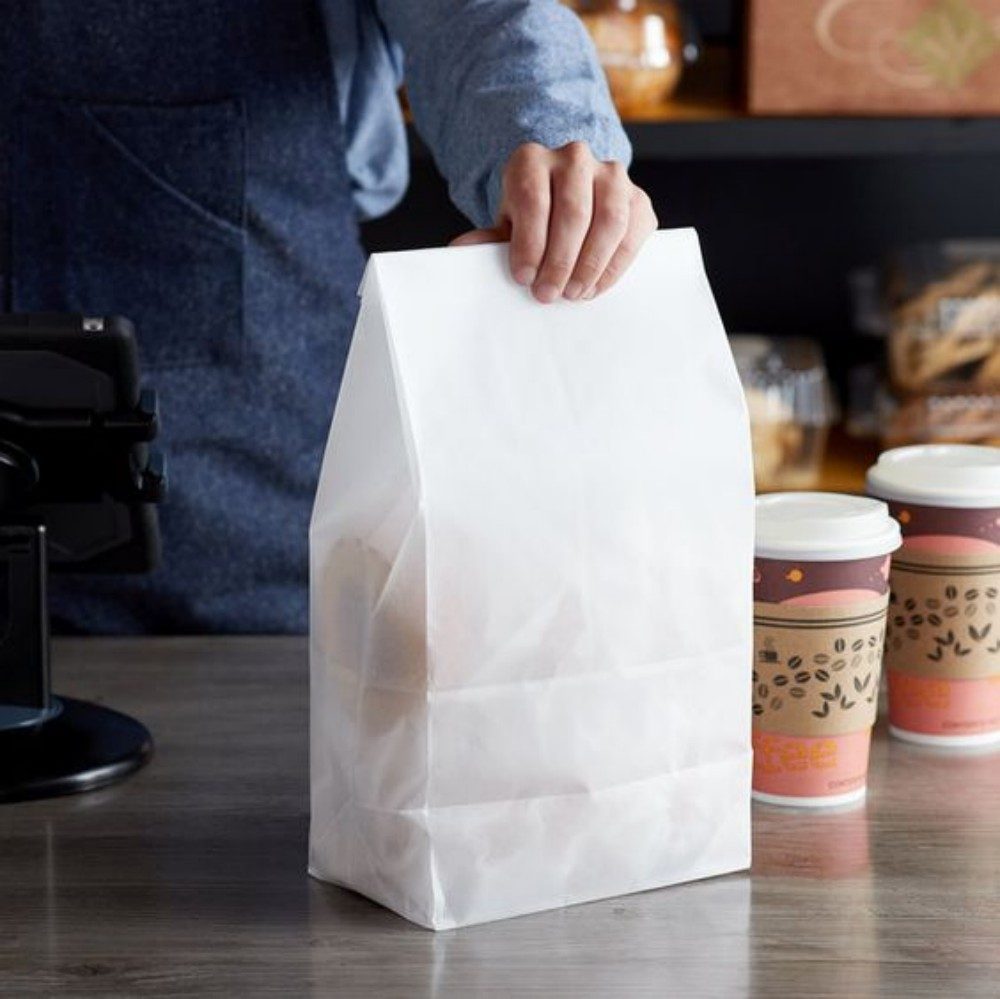
Food-grade wax paper is constructed from natural wood pulp coated with paraffin, soybean or beeswax. It contains no plasticizers, BPA, phthalates or vinyl compounds, so there is no risk of harmful chemicals transferring into food under normal storage conditions.
Plastic wrap is manufactured from plastic films formulated with softening agents. While food-grade plastic wrap meets regulatory safety limits for normal use, studies show that chemicals including DEHA and phthalates can migrate into food at higher rates when exposed to heat, oily or fatty ingredients such as cheese, meat and cooked dishes. Long-term cumulative exposure to these compounds is associated with potential endocrine and developmental health concerns.
Approved Usage Scenarios
Match your wrap to the food type for the safest results:
| Food Type | Best With Wax Paper | Best With Plastic Wrap |
|---|---|---|
| Sandwiches | ✓ — prevents sticking and locks in freshness | Not recommended for long contact |
| Baked goods & cookies | ✓ — blocks moisture and grease | Optional for short-term storage |
| Cheese & cold cuts | ✓ — allows gentle airflow, no chemical leaching | Use only for very short periods |
| Fresh fruits & vegetables | ✓ — slows wilting and leakage | Suitable for short-term fridge storage |
| Hot/warm food | ✗ — wax may melt | ✗ — high heat increases chemical migration |
Note: Wax paper is for cold and room-temperature storage only. Never use it in ovens, microwaves or with steaming hot food, as high heat can melt the wax coating.
Environmental Impact of Wax Paper and Plastic Wrap
Biodegradability & Compostability
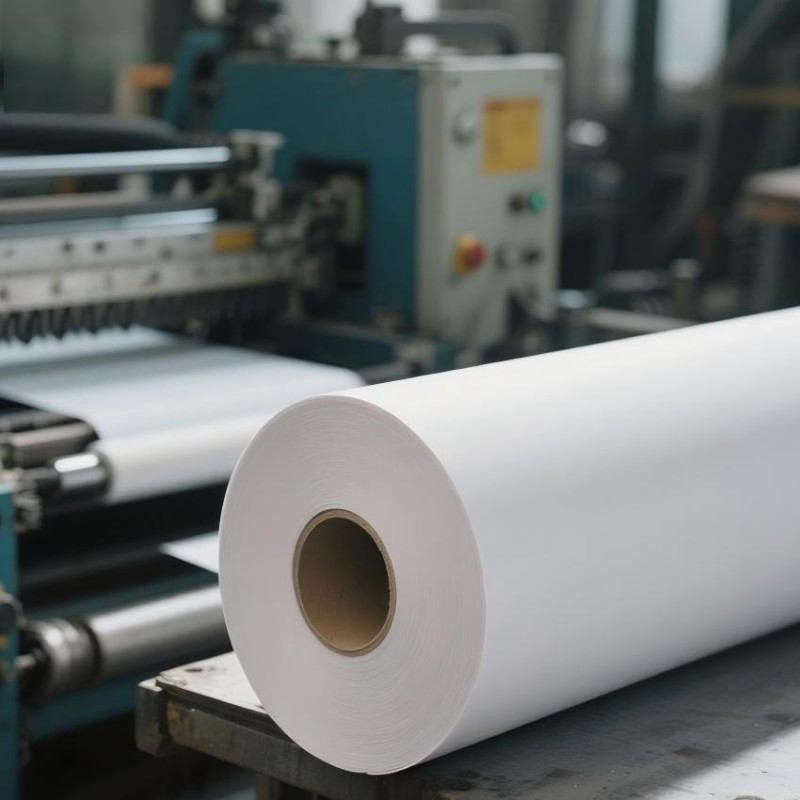
Wax paper breaks down naturally in most environments. Plant-based wax coatings (soybean wax, beeswax) will fully biodegrade in industrial composting facilities within 90 days, and degrade gradually in home compost and natural environments. Standard paraffin wax paper also breaks down far faster than plastic, though it may take longer in home compost setups.
Plastic wrap is made from petroleum-based plastic film. It does not biodegrade, and can persist in landfills and marine environments for hundreds of years.
| Disposal Environment | Wax Paper Breakdown | Plastic Wrap Breakdown |
|---|---|---|
| Industrial composting | >90% within 90 days for plant-based wax versions | <5% over 2+ years |
| Home composting | Slower partial breakdown over several months | Effectively non-biodegradable |
| Marine environment | 50–70% breakdown within 6 months | <5% over 2+ years; harms marine life |
Waste & Disposal Challenges
Most curbside recycling programs do not accept plastic wrap, as the thin film jams sorting machinery. It is also rarely economically recycled, and incineration or landfill disposal releases persistent pollutants.
Wax paper is also not accepted in standard paper recycling, as the wax coating contaminates paper pulp. However, it is widely compostable, and breaks down naturally without leaving microplastic residue. For lowest environmental impact, choose certified compostable wax paper like Sure Paper’s plant-based wax options.
Safe Usage Guidelines for Wax Paper and Plastic Wrap
How to Use Wax Paper Safely
- Use to separate frozen foods, wrap sandwiches and line storage containers for baked goods.
- Store wax paper in a cool, dry cabinet away from direct heat sources.
- Avoid direct contact with extremely hot food and never use for oven or microwave cooking.
How to Reduce Risks With Plastic Wrap
If you use plastic wrap, follow these rules to minimize chemical exposure:
- Always let hot food cool completely before covering with plastic wrap.
- Do not let plastic wrap touch the surface of fatty or oily foods directly.
- Never microwave food covered in plastic wrap, even if labeled microwave-safe.
- Use glass or ceramic containers with lids as a reusable alternative.
How to Choose Quality Wax Paper
- Look for clear food contact certifications (FDA, EU food-grade, GB 4806).
- Prioritize PFAS-free and petroleum-free formulations.
- For maximum eco-benefit, choose plant-based wax coatings (soybean, beeswax).
For both home and commercial use, Sure Paper offers a full range of food-safe wax paper products including paraffin wax paper, waxed kraft paper, dry wax and wet wax options, with custom sizing and printing available for different food packaging needs.
Quick alternative note: Reusable beeswax wraps are another eco-friendly option. They are washable and reusable for up to a year, and have natural antimicrobial properties, but cost more upfront. Both wax paper and beeswax wraps are lower-impact choices than single-use plastic wrap.
Conclusion
For most everyday cold food storage, wax paper is the safer and more eco-friendly choice compared to plastic wrap. It eliminates the risk of plastic chemical leaching into food, and breaks down naturally without creating persistent plastic waste.
For the safest results, always choose certified food-grade, PFAS-free wax paper from reputable manufacturers like Sure Paper, and follow proper usage guidelines to get the longest life and best performance from your food wraps.
FAQ
What makes wax paper safer than plastic wrap?
Wax paper is made from natural wood pulp and food-grade wax, with no plasticizers, phthalates or BPA that can leach into food. Plastic wrap contains softening chemicals that can transfer into food, especially when heated or used with fatty ingredients.
Can wax paper go in the microwave or oven?
No. Never put wax paper in an oven or microwave. High heat will melt the wax coating, which can smoke, transfer flavor to food or create a fire risk. Use parchment paper or heat-safe glass containers for heating.
Is wax paper compostable and recyclable?
Most food-grade wax paper is biodegradable and suitable for industrial or home composting. It is generally not accepted in standard curbside paper recycling, as the wax coating contaminates paper pulp. Always check your local waste guidelines.
How does Sure Paper wax wrapping paper support eco-friendly use?
Sure Paper wax wrapping paper is made from virgin wood pulp and food-safe wax coatings. It breaks down naturally without leaving microplastic residue, and certified compostable versions help reduce landfill waste compared to single-use plastic wrap.