No, wax paper is not waterproof – it is water-resistant. The wax coating creates a temporary barrier that slows down water absorption, but it will eventually allow water to seep through over time.
Understanding the difference between waterproof and water-resistant is critical for choosing the right food packaging material. Wax paper is ideal for short-term food storage and wrapping, but not for applications requiring full water protection.
Key Takeaways
- No wax paper is fully waterproof – all types only provide temporary water resistance and will eventually allow water to seep through.
- Wet wax paper resists liquid water for 2-4 hours (best for high-moisture foods), while dry wax paper only blocks light condensation for 1-2 hours (best for dry foods).
- Wax paper’s water resistance depends on coating thickness, paper base quality, and environmental conditions (heat and humidity speed up water absorption).
- Never use wax paper in ovens or microwaves – the wax will melt, stick to food, and may pose a fire risk.
- For full waterproof protection or long-term storage, use freezer paper or plastic wrap instead; always choose FDA-approved, PFAS-free wax paper for food contact.
Waterproof vs Water-Resistant: What’s the Difference?
Waterproof
Waterproof materials completely block water from passing through, even when submerged for long periods. Examples include plastic wrap, aluminum foil and freezer paper. These materials provide a permanent barrier against moisture.
Water-Resistant
Water-resistant materials slow down water absorption but do not stop it completely. Water will eventually seep through if left in contact for extended periods. Wax paper falls into this category, making it suitable for short-term use only.
How Wax Paper Resists Water
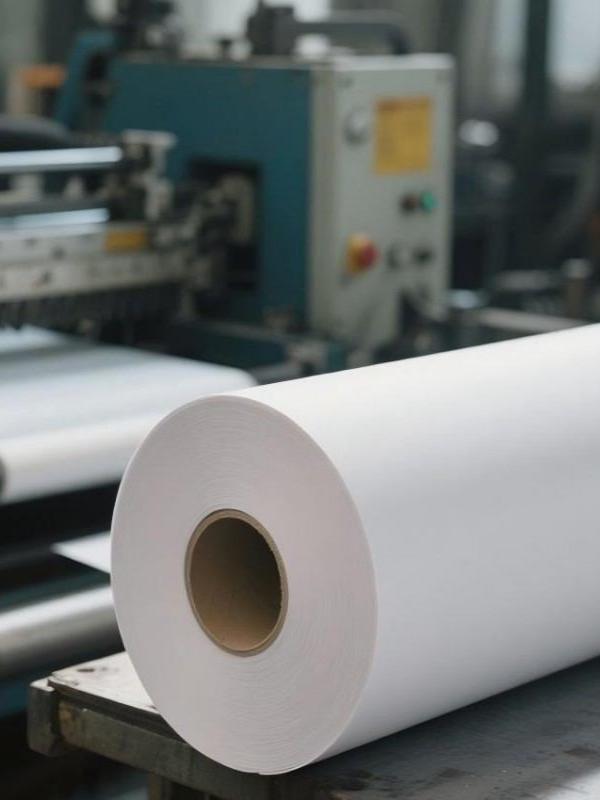
Wax paper is made by coating paper with a thin layer of food-grade wax. The wax fills the pores in the paper and creates a hydrophobic (water-repelling) surface. When water comes into contact with wax paper, it forms beads and rolls off instead of soaking in.
The wax coating also provides excellent grease resistance, making wax paper perfect for wrapping oily foods like sandwiches and pastries.
Factors Affecting Wax Paper Water Resistance
Coating Thickness and Quality
Thicker, more uniform wax coatings provide better water resistance. High-quality wax paper has an even coating that covers the entire surface without gaps or thin spots.
Paper Base Quality
Thicker, denser paper bases provide better structural support and improve overall water resistance. Lower quality paper may tear easily when wet, reducing its effectiveness.
Exposure Time and Conditions
Wax paper will resist water for 2-4 hours under normal conditions. After this time, water will begin to seep through. High humidity and warm temperatures will accelerate water absorption.
Types of Wax Paper
Wax paper comes in two main varieties, with significant differences in water resistance – this is the most important factor when choosing which one to use:
Dry Wax Paper (Lowest Water Resistance)
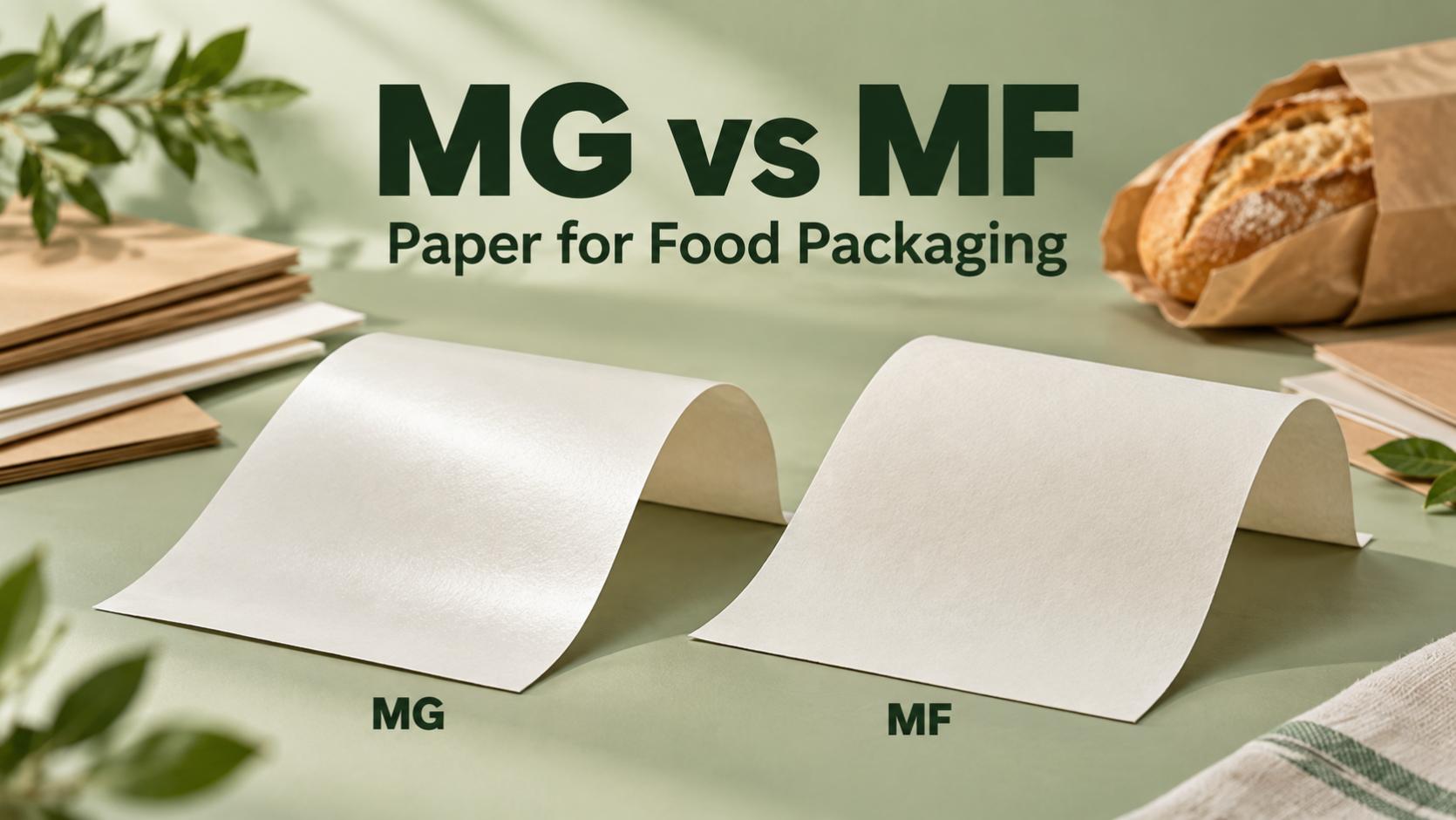
Dry wax paper has a thin wax coating that is fully absorbed into the paper fibers, leaving a dry, matte finish.
- Waterproof capability: Only resists light moisture and condensation for 1-2 hours. Will quickly soak through if exposed to liquid water.
- Best For: Dry foods that need minimal moisture protection – bread, cookies, pastries, sandwiches, and separating layers of baked goods.
- Not suitable for: Any food with high water content or liquid.
Wet Wax Paper (Highest Water Resistance)
Wet wax paper has a thicker, heavier wax coating that remains on the surface of the paper, giving it a shiny, slippery finish.
- Waterproof capability: Resists liquid water and high humidity for 2-4 hours. Provides much better moisture protection than dry wax paper, but still not fully waterproof.
- Best For: High-moisture foods – fresh fruits, vegetables, raw meats, cheese, and juicy sandwiches.
- Not suitable for: Long-term storage or submersion in water.
Sure Paper offers both dry and wet wax paper options with FDA-approved, PFAS-free coatings. All products are certified for direct food contact and meet global food safety standards.
Practical Uses of Wax Paper
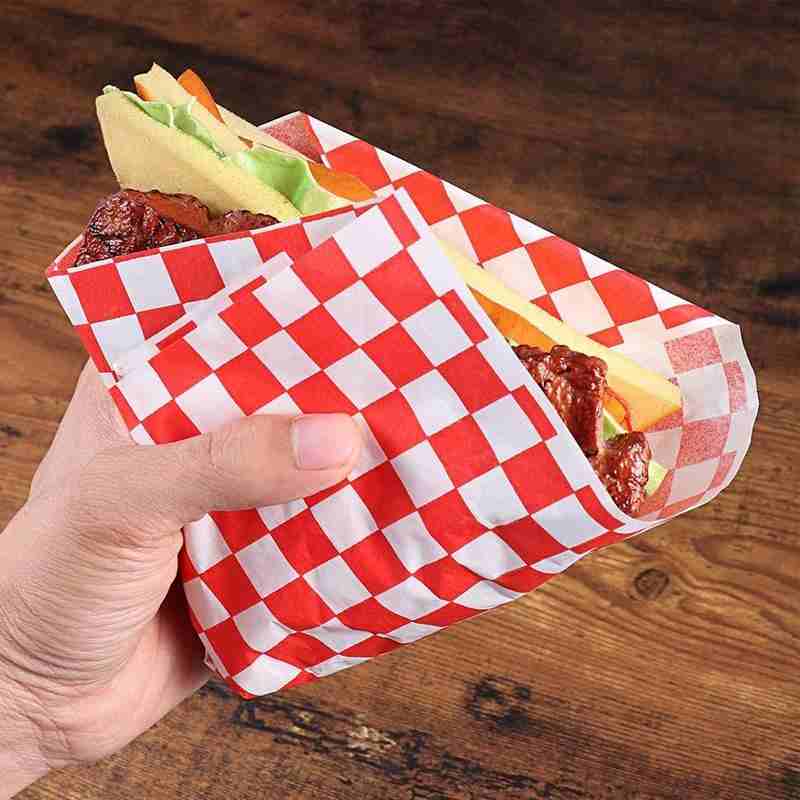
Best Uses for Wax Paper
Wax paper is most effective for:
- Wrapping sandwiches, burgers and deli meats
- Separating layers of baked goods to prevent sticking
- Lining storage containers for dry foods
- Covering bowls of food in the refrigerator
- Wrapping fruits and vegetables for short-term storage
💡 Pro Tip: Always let hot food cool completely before wrapping in wax paper. Hot food will melt the wax and cause it to stick to the food.
When Not to Use Wax Paper
❌ Never use wax paper in the oven or microwave – the wax will melt and may ignite
❌ Do not use for long-term freezer storage (use freezer paper instead)
❌ Do not use for wrapping very wet foods for more than 2 hours
❌ Do not use for cooking or heating food
Conclusion
Wax paper is a versatile and affordable food packaging material that provides good water resistance for short-term use. While it is not waterproof, it is perfect for wrapping sandwiches, pastries and other cold foods. Always choose food-safe wax paper from reputable manufacturers like Sure Paper for the best performance and safety.
FAQ
What makes wax paper water-resistant?
Wax paper is coated with a thin layer of food-grade wax that fills the pores in the paper. This creates a hydrophobic surface that repels water and slows down absorption.
Can I use wax paper for baking?
No, you should never use wax paper in the oven. The wax will melt at high temperatures, stick to your food and may release harmful fumes. Use parchment paper instead for baking.
Is wax paper better than plastic wrap?
Wax paper is more eco-friendly than plastic wrap and provides better grease resistance. However, plastic wrap is waterproof and provides a tighter seal for long-term storage.
Can I put wax paper in the freezer?
Wax paper can be used for short-term freezer storage (up to 1 week). For longer storage, use freezer paper, which has a thicker plastic coating that provides better moisture protection.
What is the difference between dry wax and wet wax paper?
Dry wax paper has a matte finish and is best for dry foods. Wet wax paper has a shiny finish and provides better water resistance for high-moisture foods.