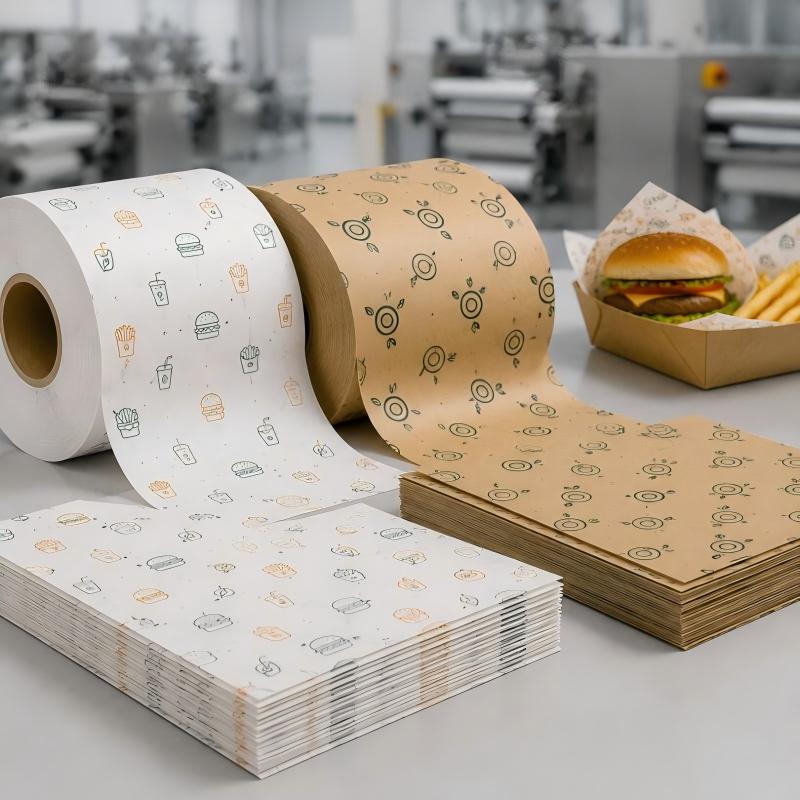
Yes. Greaseproof paper can be custom printed with logos, repeating patterns and brand colors when the paper grade, ink system and printing process are compatible. For food packaging, however, a successful project requires more than attractive artwork: buyers must also confirm the print side, food-contact conditions, basis weight, grease resistance, format, quantity and converting requirements.
This guide explains how custom printed greaseproof paper is produced and gives food packaging buyers a practical checklist for requesting samples and quotations.
Key Takeaways
- Flexographic printing is generally suitable for roll-fed paper and repeating designs, while offset printing may suit pre-cut sheets and more detailed artwork.
- Food-contact compliance must be assessed for the finished printed paper and its actual conditions of use—not for the ink alone.
- White and brown paper produce different color results, so artwork and color expectations should be confirmed before production.
- Buyers should specify GSM, KIT level, size, format, print colors, coverage, quantity and target market when requesting a quotation.
- A digital artwork proof, material sample and production press sample are different; buyers should agree in advance which approval stage is required.
What Is Custom Printed Greaseproof Paper?
Custom printed greaseproof paper is oil-resistant food wrapping paper printed with a company logo, brand pattern or other design. Traditional uncoated greaseproof paper obtains much of its oil resistance from a dense fiber structure rather than a plastic film, while the exact construction and treatment vary by grade.
It is commonly converted into:
- Burger, sandwich and wrap sheets
- Tray and food basket liners
- Bakery and pastry wrapping
- Takeaway and deli paper
- Interleaving or separation sheets
- Printed rolls for food packaging converters
The base paper specification should still be selected according to the food’s oil content, temperature, moisture and contact time. Printing improves brand presentation, but it does not replace the need to choose a suitable grease barrier.
Which Printing Method Is Best for Greaseproof Paper?
The appropriate process depends on the required format, artwork, order volume and the supplier’s actual equipment. Sure Paper currently supports flexographic and offset printing options for applicable greaseproof paper projects.
| Printing method | Typical format | Best suited for | Key buyer considerations |
|---|---|---|---|
| Flexographic | Rolls or repeated sheet designs | Medium to large production runs | Printing plate cost, repeat length, number of colors, unwind direction and registration tolerance |
| Offset | Pre-cut sheets | Detailed or multicolor sheet artwork | Sheet size, surface compatibility, ink system, drying and finished-paper compliance |
Important: Do not assume that digital printing automatically makes very small custom orders possible. Actual MOQ is determined by the paper specification, printing setup, converting and packing requirements.
Food-Contact Inks and Printing-Side Requirement
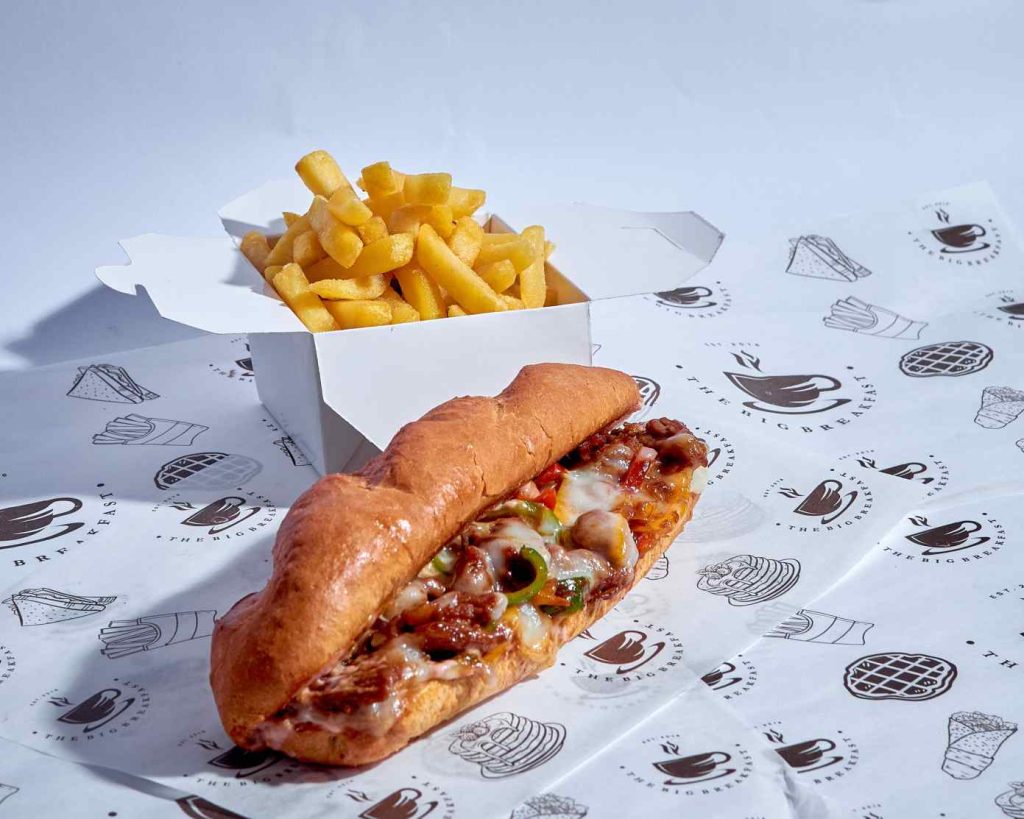
Food-contact compliance should be evaluated for the finished printed paper rather than the ink alone. Buyers should tell the supplier which food will be packed, whether the printed area may touch food, the contact time and temperature, and the destination market.
Where possible, artwork is normally placed on the non-food-contact side. Under EU Good Manufacturing Practice requirements, inks printed on the non-food-contact side must be formulated and applied so that substances do not transfer to food through the paper or by set-off at levels that breach applicable food-contact requirements. Buyers may therefore need supporting ink declarations, GMP information and migration or set-off evidence relevant to the final application. See Commission Regulation (EC) No 2023/2006.
Buyer note: Do not rely only on the phrase “food-grade ink.” Confirm the compliance of the finished printed article under the intended food, time and temperature conditions.
Will Printing Affect Grease Resistance?
Compatible inks and a controlled printing process should not significantly reduce the intended grease resistance of a suitable paper grade. Nevertheless, performance can be influenced by paper construction, ink chemistry, heavy print coverage, drying or curing conditions, friction and the subsequent converting process.
For demanding applications, buyers should consider confirming:
- KIT level before and, when appropriate, after printing
- Ink adhesion and rub or scuff resistance
- Ink set-off between stacked sheets or wound layers
- Odor and organoleptic performance
- Color consistency and registration
- An application test using the actual food, temperature and contact time
A higher KIT level indicates stronger performance in a standardized grease-resistance test, but it does not by itself confirm moisture resistance, heat resistance or suitability for every food.
Colors and Artwork Requirements
How the Paper Color Affects Printing
White greaseproof paper generally provides cleaner color contrast and more predictable reproduction. Brown greaseproof paper creates a natural appearance, but the base color can make inks look darker or more muted. Because greaseproof paper is relatively thin and may be translucent, the reverse side can also show some image-through.
Buyers comparing white and brown greaseproof paper should evaluate both packaging appearance and the required print contrast. A physical color proof is recommended when exact brand-color matching is important.
Recommended Artwork Files
| File format | Recommended use |
|---|---|
| AI / EPS | Preferred for vector logos, lines and repeating patterns |
| Press-ready PDF | Suitable when fonts, images and color settings are correctly embedded |
| JPG / JPEG | Use only for high-resolution raster images at the final print size |
| TIFF | Suitable for high-quality raster artwork when required by the printer |
Before production, confirm the printer’s artwork template and requirements for:
- Final dimensions and bleed
- CMYK or Pantone color references
- Outlined fonts and embedded images
- Image resolution at final size—normally 300 dpi for raster artwork
- Repeat length for roll printing
- Printing direction and unwind direction
- Registration tolerance and acceptable color variation
What Can Buyers Customize?
Custom printing should be specified together with the functional paper requirements. Sure Paper’s current greaseproof paper range includes the following general options; final availability should be confirmed for each project.
| Specification | General options |
|---|---|
| Base material | 100% virgin wood pulp greaseproof paper |
| Paper color | White or brown |
| Basis weight | 30–50 gsm |
| Grease resistance | KIT 3, 5, 7, 9 or 12, subject to grade and application confirmation |
| Format | Jumbo rolls or custom-size sheets |
| Printing | Flexographic or offset, depending on format and project |
| MOQ | Typically 5 tons per GSM and size; full-container order basis |
| Lead time | Normally about 25–30 days after receipt of deposit and final artwork approval |
| Samples | Material samples and custom printed samples are handled separately; plate or sample charges may apply |
Basis weight and grease resistance are different specifications. Choosing the right greaseproof paper GSM helps balance flexibility, strength and material cost, while the KIT level should be matched to the oil exposure and application test.
Roll or Sheet Formats
Printed Rolls
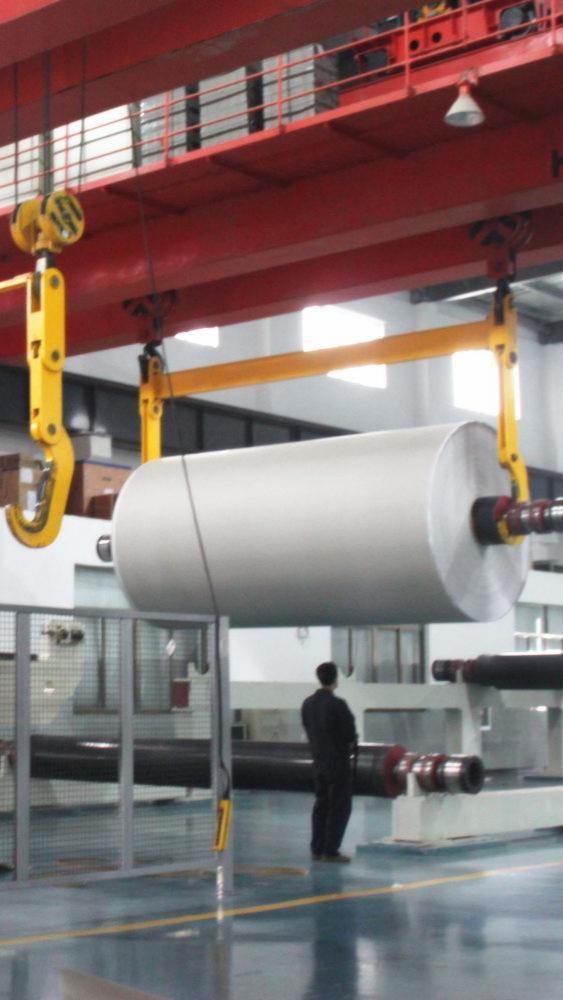
Rolls are generally selected by converters and high-volume food packaging operations. In addition to the paper and artwork, buyers should provide the roll width, core ID, maximum outer diameter or roll length, splice requirements, unwind direction and printing repeat length.
Pre-Cut Printed Sheets
Sheets are convenient for restaurants, bakeries, catering companies and distributors supplying ready-to-use food wraps or tray liners. Confirm the finished length and width, packing quantity per bundle or carton, acceptable dimensional tolerance and whether grain direction affects folding or machine feeding.
MOQ, Samples and Pricing Factors
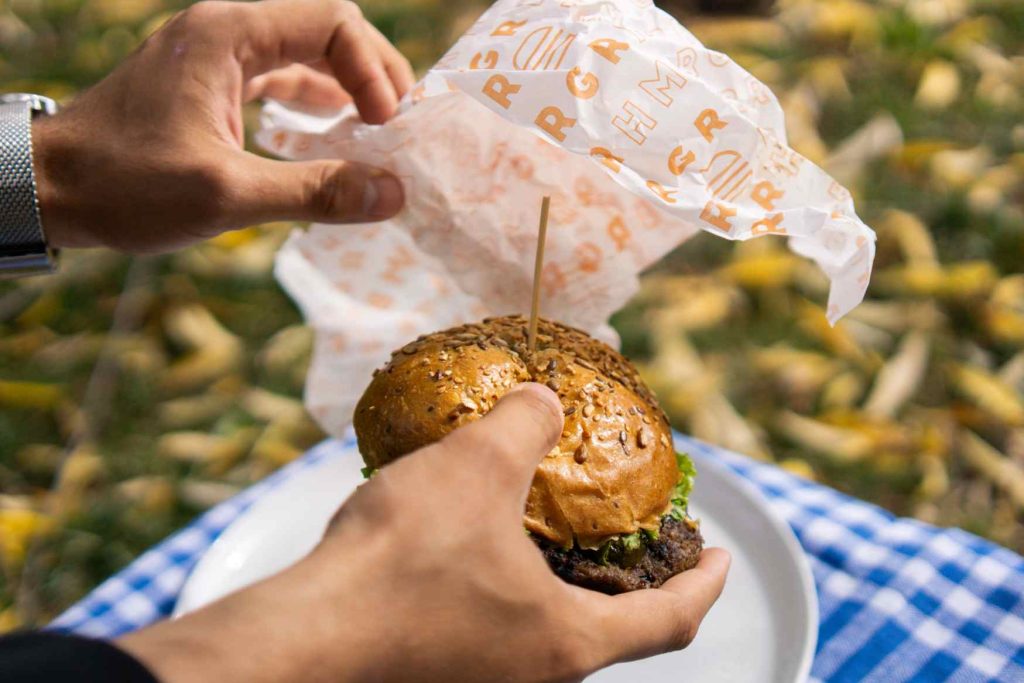
The final quotation is based on the complete construction and production setup rather than the printing price alone. Plates, paper and converting are normally prepared for a specific design, GSM and size, which is why custom printed paper usually requires a higher MOQ than stock unprinted sheets.
Pricing is influenced by:
- Order quantity per design, GSM and size
- White or brown base paper
- Required KIT level and any special treatment
- Printing process, number of colors and total ink coverage
- Plate quantity and artwork complexity
- Roll or sheet dimensions and converting requirements
- Packing, labels, palletization and certification requirements
- Destination port, Incoterm and shipping method
Before mass production, buyers may approve a digital artwork proof, an unprinted material sample or a physical press sample. These are not equivalent. A custom press sample may require plates and a separate sample-making charge, so the approval process should be agreed before the order is placed.
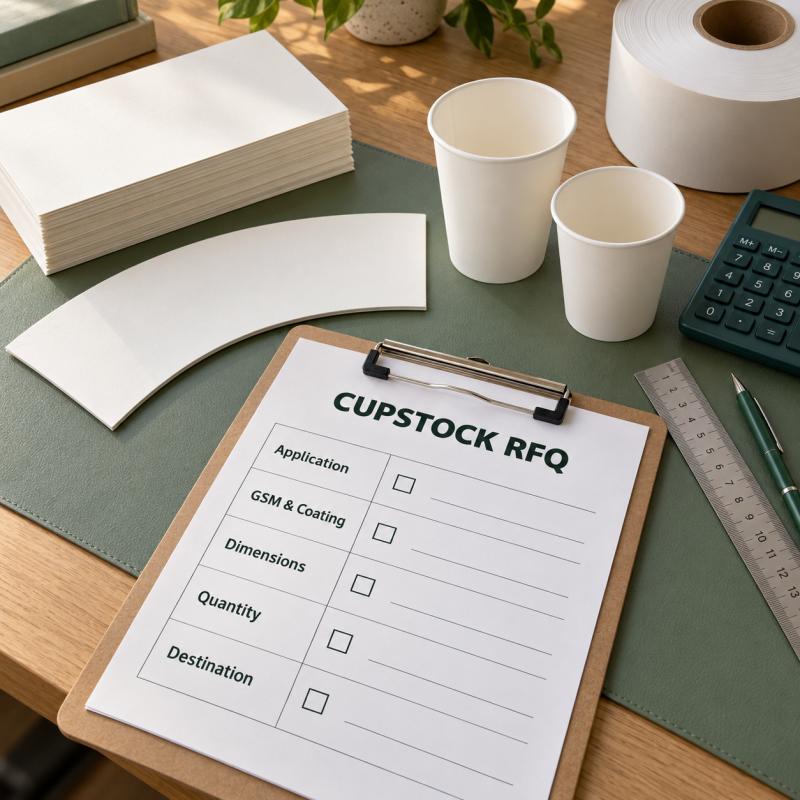
RFQ Checklist for Food Packaging Buyers
To receive an accurate recommendation and quotation, provide the following information:
1. Food application: burger, sandwich, pastry, fried food, tray liner or another use.
2. Food-contact conditions: food type, temperature, contact time and whether the printed surface may touch food.
3. Paper specification: white or brown, required GSM and target KIT level if known.
4. Finished format: roll or sheet, including all dimensions, tolerances, core ID, OD and unwind direction where applicable.
5. Printing details: artwork file, number of colors, Pantone references, print coverage and repeat length.
6. Order volume: quantity per design, GSM and size, plus expected repeat-order frequency.
7. Packing requirements: sheets per pack, rolls per pallet, carton labels and private-label requirements.
8. Compliance market: destination country and any FSC, food-contact, PFAS or migration documentation required.
9. Commercial details: destination port and preferred Incoterm, such as FOB or CIF.
FAQ
How Many Colors Can Be Printed on Greaseproof Paper?
The available number of colors depends on the printing equipment, paper format and artwork. Buyers should not assume unlimited CMYK printing; confirm the supplier’s maximum color capability and the cost of each additional plate.
Can Both White and Brown Greaseproof Paper Be Printed?
Yes. Both can be printed, but white paper usually gives stronger contrast and more predictable color reproduction. Brown paper creates a natural appearance but can change the visible ink color, so a physical proof may be advisable.
Which Side of Greaseproof Paper Should Be Printed?
The artwork is normally placed on the non-food-contact side where the package design allows. If the printed area may contact food, the intended construction and compliance documentation must be reviewed specifically for that use.
Does Printing Reduce the KIT Level?
Proper printing should not significantly reduce grease resistance, but ink chemistry, coverage, drying and converting can influence finished performance. For demanding uses, confirm the final printed-paper specification and conduct an application test.
Can I Order a Small Printed Trial?
A small digital mock-up is not the same as a production press sample. Physical custom samples may require printing plates and sample charges, and the bulk order will still be subject to the production MOQ.
What Is the Difference Between Printed Greaseproof Paper and Printed Wax Paper?
Greaseproof and wax paper use different barrier constructions and require different ink and heat considerations. For a detailed comparison, read the Sure Paper guide to greaseproof paper versus wax paper.
Conclusion
Greaseproof paper can be custom printed successfully, but buyers should evaluate the project as a complete food packaging specification. The right result depends on compatible paper and ink, suitable printing and converting processes, clearly prepared artwork, verified food-contact conditions and an MOQ that matches the production setup.
Planning a custom printed greaseproof paper project? Send Sure Paper your food application, paper color, GSM, KIT level, roll or sheet size, artwork, number of colors, estimated quantity and destination port. We will recommend a suitable specification and prepare a detailed quotation.