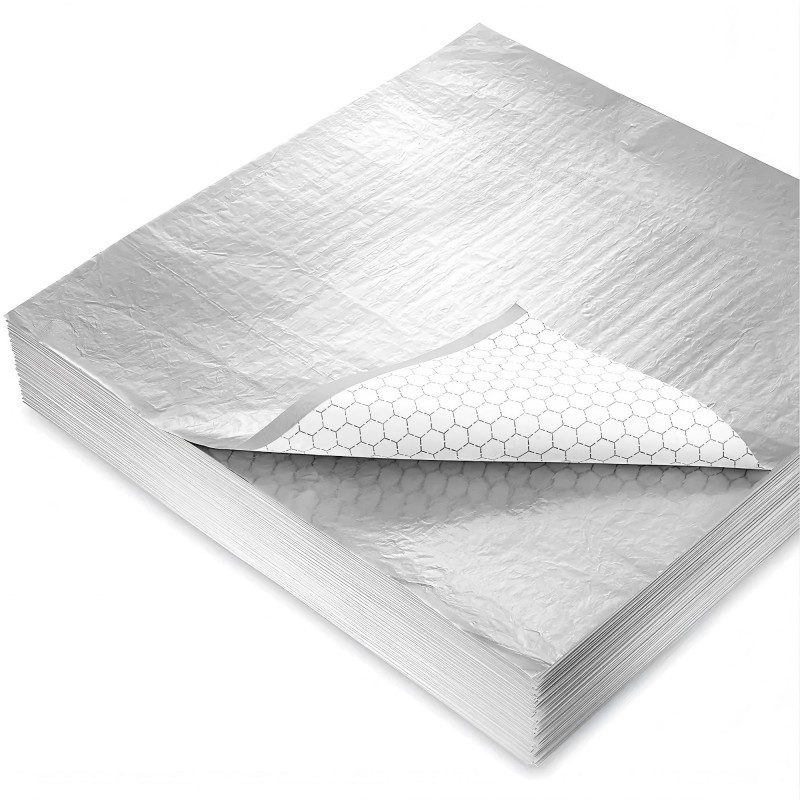
Wrapping food in food-grade aluminum foil is safe for most everyday uses when handled correctly, but it does carry limited risks under specific conditions. The two primary concerns are small amounts of aluminum leaching into highly acidic or salty foods, and bacterial growth from improper temperature storage. For standard short-term food wrapping and cooking, regulated food-grade foil falls well within global food safety limits. For frequent hot food packaging and commercial foodservice use, laminated foil wrappers from Sure Paper offer an extra layer of protection, reducing direct aluminum contact while improving heat retention and grease resistance.
Key Takeaways
- Food-grade aluminum foil complies with global FDA and EFSA safety standards, and is safe for wrapping most foods under normal use conditions.
- Avoid wrapping highly acidic, salty or wet foods in plain aluminum foil for long periods or at high heat, as these conditions increase aluminum leaching.
- Always let hot food cool slightly before wrapping, and store foil-wrapped food in the refrigerator within 2 hours to prevent bacterial growth.
- Laminated foil wrappers add a paper barrier between food and aluminum, reducing direct contact and making them a safer choice for commercial hot food service.
- For long-term storage of acidic or moist foods, glass, ceramic or food-grade plastic containers are more suitable alternatives.
When Is Aluminum Foil Safe for Food?
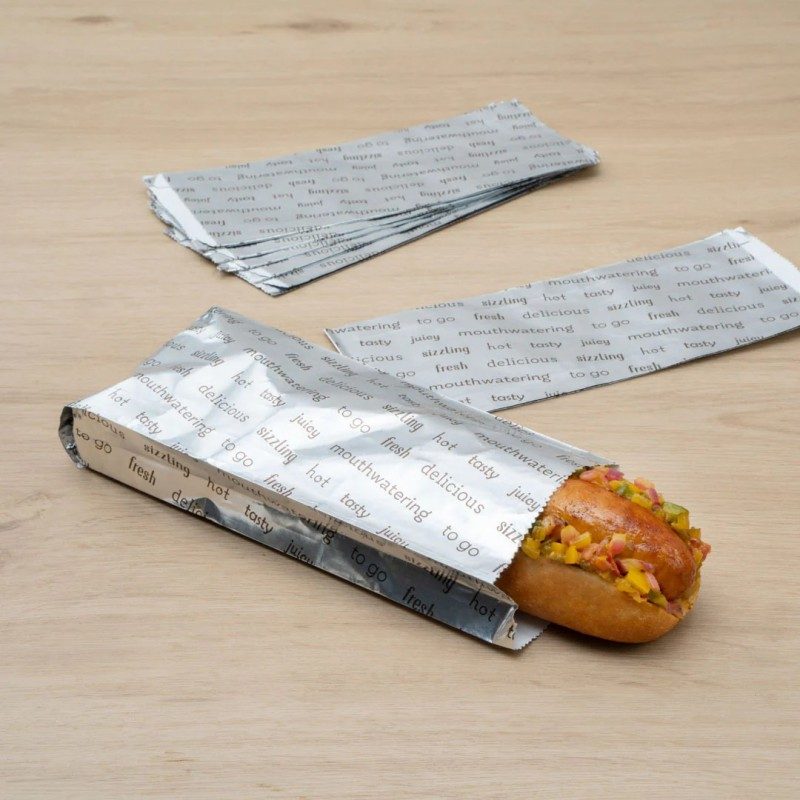
Food-Grade Foil Meets Global Regulatory Standards
Aluminum foil intended for food use is strictly regulated by major global food safety authorities to ensure it does not pose health risks under normal use.
- In the United States, the FDA regulates aluminum food contact materials under 21 CFR 177.1210, with substance-specific migration limits.
- In the European Union, the EFSA framework under EC No. 1935/2004 sets a general migration limit of less than 10 mg/dm² for food contact materials.
Genuine food-grade aluminum foil has low impurity levels, a uniform smooth surface and no harmful coatings. For typical short-term wrapping of neutral foods, the amount of aluminum that transfers into food is extremely small and well below safe intake limits set by health authorities.
Safe Everyday Uses
Aluminum foil works reliably for most common kitchen and food storage tasks:
- Wrapping neutral, low-moisture foods such as sandwiches, baked goods, cooked poultry and roasted vegetables
- Lining baking sheets for easier cleanup
- Covering oven dishes to retain moisture during cooking
- Freezer storage to prevent freezer burn
In all these scenarios, aluminum exposure is minimal and poses no measurable health risk for most people.
When Aluminum Foil Carries Increased Risk
Aluminum Leaching With Acidic & Salty Foods
Aluminum is a reactive metal. It can dissolve into food at higher rates when exposed to acidic ingredients, high salt content, high temperatures and long contact times.
The highest leaching levels occur in extreme cooking scenarios, not routine room-temperature wrapping. Research shows:
- Fruit juices heated in foil can show measurable aluminum increases
- Acidic vegetables such as rhubarb boiled in foil for extended periods have the highest recorded transfer rates
- Marinated, salted fish cooked in foil can have significantly higher aluminum content than un-wrapped cooking
For reference, these are all high-heat, long-contact scenarios. Short-term room-temperature wrapping of the same foods results in far lower aluminum transfer.
Current scientific consensus states that long-term high-level aluminum intake may place burden on bone and kidney health, but there is no conclusive evidence that normal dietary aluminum exposure from foil causes neurological conditions such as Alzheimer’s disease or autism. Daily use of food-grade foil contributes only a tiny fraction of total dietary aluminum intake.
| Food Type | Aluminum Leaching Risk | Recommendation |
|---|---|---|
| Tomatoes, citrus, vinegar marinades | High | Avoid direct contact for cooking or long storage |
| Brined or heavily salted foods | High | Use alternative packaging |
| Berries & tart fruits | Moderate | Only wrap for short periods |
| Breads, cooked meats, baked goods | Very low | Safe for regular wrapping |
Bacterial Growth From Improper Storage
Aluminum foil creates an airtight, low-oxygen seal when wrapped tightly. This barrier itself is not dangerous, but it can allow anaerobic bacteria to multiply if food is left in the temperature danger zone (4°C–60°C / 40°F–140°F) for too long.
A well-documented 1994 Texas botulism outbreak was linked to baked potatoes wrapped in foil and left at room temperature for multiple days. The foil created the anaerobic environment for Clostridium botulinum to grow, but the root cause was improper room-temperature storage — not the foil itself.
This risk is fully preventable by refrigerating foil-wrapped food within 2 hours of cooking, and consuming leftovers within 2 days.
Foods to Avoid Wrapping in Plain Aluminum Foil
Skip plain aluminum foil for long-term wrapping or cooking of these foods:
- Highly acidic foods: Tomatoes, citrus fruits, rhubarb, vinegar-based marinades and sauerkraut
- Heavily salted or brined foods: Pickled items, cured meats, brined seafood
- Wet, acidic prepared dishes: Tomato sauces, citrus-marinated meats, sour soups
For these items, use glass, ceramic or stainless steel containers for storage, or line foil with a layer of parchment paper to create a barrier.
Best Practices for Safe Aluminum Foil Use
- Always choose food-grade foil — never use industrial or non-food-grade aluminum foil for food wrapping.
- Cool hot food slightly before wrapping — sealing steaming-hot food traps moisture and increases both aluminum transfer and bacteria risk.
- Use a barrier for acidic foods — place a sheet of parchment paper between acidic food and foil to prevent direct contact.
- Refrigerate promptly — put foil-wrapped leftovers in the fridge within 2 hours, and eat within 2 days.
- Do not reuse foil that touched raw meat — to avoid cross-contamination.
- Use thicker foil for heavy or sharp foods — it resists punctures better and maintains a more reliable seal.
Laminated Foil Wrappers: A Safer Commercial Alternative
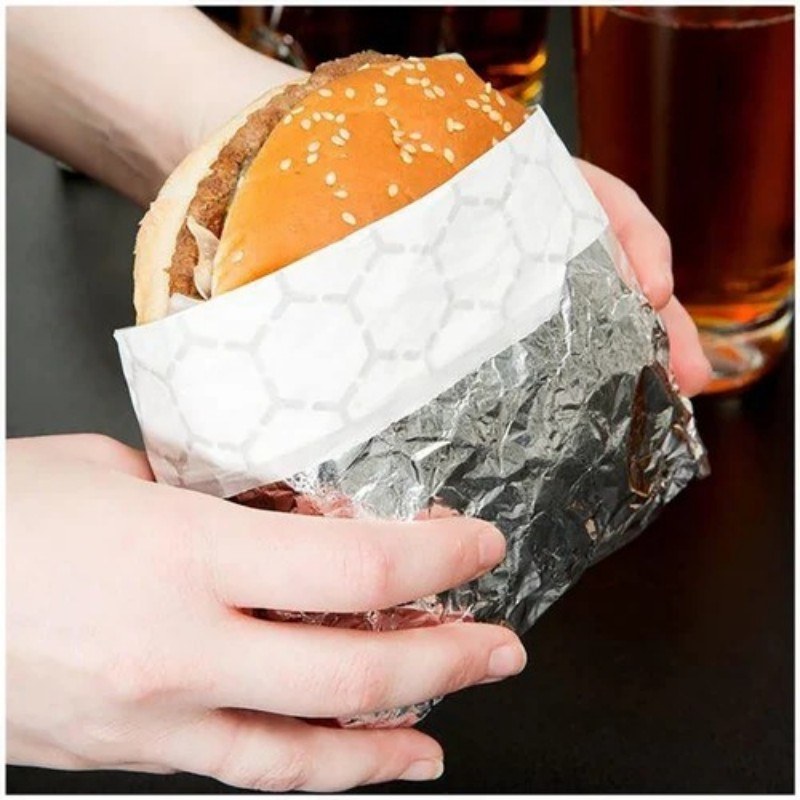
For restaurants, food trucks, takeout businesses and high-volume foodservice operations, laminated foil wrappers offer improved safety and performance compared to plain aluminum foil.
Sure Paper laminated foil wrappers combine a layer of aluminum foil with a food-safe paper inner layer. This design delivers key benefits:
- Reduced direct aluminum contact: Food touches the paper layer first, greatly lowering aluminum transfer, especially for warm and seasoned foods.
- Better heat retention: The layered structure keeps hot food warm longer than plain foil, ideal for takeout and delivery.
- Grease and moisture resistance: The paper barrier prevents grease from soaking through and keeps packaging clean to handle.
- Customizable branding: Wrappers can be printed with logos and product information for foodservice branding.
| Feature | Laminated Foil Wrappers | Plain Aluminum Foil |
|---|---|---|
| Direct food-to-aluminum contact | Minimized by paper barrier | Full direct contact |
| Heat retention for hot food | Excellent | Moderate |
| Grease and leak resistance | High | Low |
| Suitable for commercial takeout | Yes | Limited |
| Custom branding options | Available | Not available |
Conclusion
When used correctly with neutral foods and proper storage, food-grade aluminum foil is a safe and practical kitchen tool. The greatest risks come from extended high-heat contact with acidic or salty foods, and improper temperature storage that allows bacteria growth.
For home use, following basic safe handling guidelines is enough to minimize risk. For commercial foodservice and frequent hot food packaging, Sure Paper laminated foil wrappers provide an upgraded solution — reducing direct aluminum contact while improving heat retention and grease resistance for better food quality and customer experience.
FAQ
Is aluminum foil safe for wrapping all types of food?
It is safe for most neutral, low-acid foods for short-term use. Highly acidic, salty or very moist foods have higher aluminum leaching risk and are better stored in other containers, or wrapped with a parchment paper barrier. Laminated foil wrappers are a safer option for frequent hot food packaging.
Can aluminum foil cause health problems?
Normal everyday use of food-grade aluminum foil results in very low aluminum intake, well within global safety limits. Extremely high long-term aluminum exposure can affect bone and kidney health, but standard kitchen foil use does not contribute enough to cause harm for most people.
How long can food stay wrapped in aluminum foil?
For best safety and quality, refrigerate foil-wrapped cooked food and consume it within 2 days. Do not leave perishable food wrapped in foil at room temperature for more than 2 hours.
What is the benefit of laminated foil wrappers?
Laminated foil wrappers add a food-safe paper layer between the food and aluminum, reducing direct aluminum contact. They also retain heat better, resist grease leaks and are widely used by restaurants and food vendors for hot takeout items.
Are there safer alternatives to aluminum foil?
Yes. For acidic, moist or long-stored foods, glass containers, ceramic dishes, parchment paper and food-grade silicone mats are all stable, non-reactive alternatives that do not leach into food.