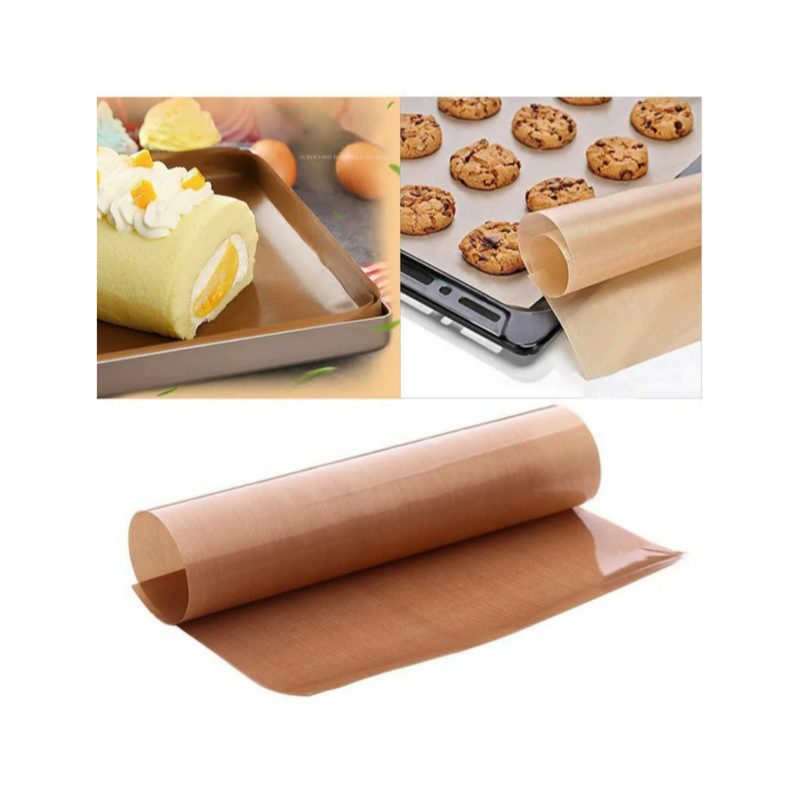
The vast majority of modern baking paper is coated with food-grade silicone, which provides non-stick properties and heat resistance. A small percentage of products still use quilon or PFAS-based coatings, but these are being phased out globally due to health and environmental concerns.
Baking paper is an essential kitchen tool that makes baking easier and cleanup faster. This guide explains the different types of coatings used on baking paper, their safety and environmental impact, and how to choose the safest option for your family.
Key Takeaways
- Silicone-coated baking paper is the safest and most popular option, with heat resistance up to 450°F (232°C)
- PFAS and quilon coatings pose significant health risks and are banned or restricted in many countries
- Unbleached baking paper is more eco-friendly than bleached paper
- Always look for labels that say “PFAS-free” and “silicone-coated”
- Reusable silicone baking mats are a great zero-waste alternative to disposable baking paper
Common Coatings Used on Baking Paper
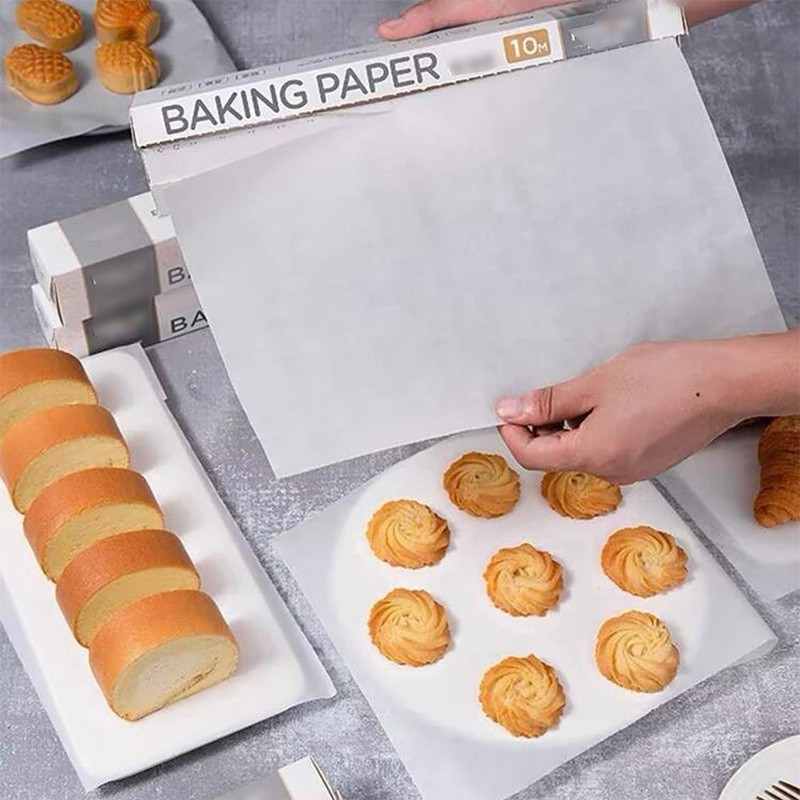
There are three main types of coatings used on commercial baking paper:
| Coating Type | Global Market Share | Status |
|---|---|---|
| Silicone-coated | 80% | Safe and widely recommended |
| Quilon-coated | 15% | Declining rapidly due to health concerns |
| PFAS-coated | 5% | Banned in many countries |
Silicone-Coated Baking Paper
Silicone is the industry standard coating for baking paper. It creates a smooth, non-stick surface that allows baked goods to release easily without the need for extra oil or butter.
Key benefits of silicone coating:
- Heat resistant up to 450°F (232°C)
- Does not react with food or alter flavors
- Grease and water resistant
- Safe for all types of baking and roasting
Most health authorities recommend using silicone-coated baking paper at temperatures below 425°F (218°C) for maximum safety. Avoid using it above 450°F, as this can cause the paper to break down.
Quilon-Coated Baking Paper
Quilon is a chromium-based coating that was once widely used for non-stick paper. It contains heavy metals that can be released when heated, posing health risks to both humans and the environment.
Due to these concerns, quilon usage is declining rapidly, and many manufacturers have already switched to silicone coatings.
PFAS-Coated Baking Paper
PFAS (per- and polyfluoroalkyl substances) are synthetic chemicals that were used to make paper non-stick and water-resistant. They are often called “forever chemicals” because they do not break down in the environment.
Exposure to PFAS has been linked to serious health problems including:
- Kidney and testicular cancer
- Hormone disruption
- Liver and thyroid damage
- Reproductive issues
- Weakened immune system
The FDA has banned PFAS in food packaging in the United States, and similar bans are in effect across Europe and many other countries.
Is Baking Paper Coating Safe?
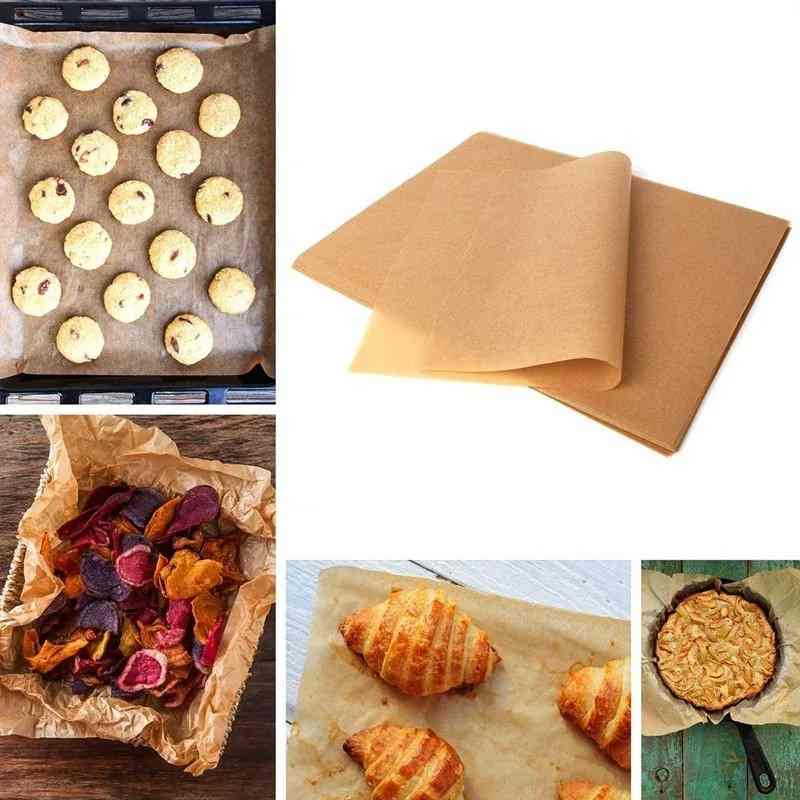
Safety of Silicone Coatings
Food-grade silicone is generally recognized as safe (GRAS) by the FDA and other global health authorities. It is inert and does not leach harmful chemicals into food under normal baking conditions.
A 2021 study by the Swiss Federal Office of Public Health found that heating silicone-coated baking paper can release small amounts of siloxanes, but these levels are well below the safety limits set by international health organizations.
Safety of PFAS and Quilon Coatings
PFAS and quilon coatings are not safe for food contact. PFAS accumulate in the body over time and can cause long-term health damage, while quilon can release toxic chromium compounds when heated.
Always avoid any baking paper that does not explicitly state it is “PFAS-free” and “silicone-coated.”
Environmental Impact of Baking Paper Coatings
| Coating Type | Biodegradability | Compostability | Environmental Risks |
|---|---|---|---|
| Silicone | Slow partial decomposition | Not home compostable | Minimal environmental impact |
| Quilon | Non-biodegradable | Not compostable | Releases heavy metals |
| PFAS | Non-biodegradable | Not compostable | Persistent environmental pollution |
Unbleached baking paper is significantly more eco-friendly than bleached paper. It is made without chlorine or harsh chemicals and breaks down faster in the environment. Look for products made from FSC-certified wood pulp or bagasse (sugarcane fiber) for the lowest environmental footprint.
How to Choose Safe Baking Paper
Follow these tips to select the safest and most eco-friendly baking paper:
- Choose silicone-coated only: Avoid any products with quilon or PFAS coatings
- Look for PFAS-free labels: Reputable brands will clearly state this on the packaging
- Pick unbleached paper: Brown unbleached paper is better for the environment
- Check heat resistance: Ensure the paper can handle the temperatures you bake at
- Avoid unnecessary additives: Look for products with no extra dyes or fragrances
💡 Pro Tip: If you want to reduce waste, invest in reusable silicone baking mats. They can be used hundreds of times and eliminate the need for disposable baking paper altogether.
Alternatives to Disposable Baking Paper
For a more sustainable kitchen, consider these reusable alternatives:
| Alternative | Best For | Pros | Cons |
|---|---|---|---|
| Silicone baking mats | Cookies, pastries | Reusable, non-stick | Softens cookie bottoms |
| Stainless steel bakeware | Roasting, baking | Durable, non-toxic | May require greasing |
| Ceramic baking dishes | Casseroles, breads | Even heating, non-reactive | Heavy |
| Glass bakeware | Cakes, casseroles | Transparent, easy to clean | Can break |
Conclusion
The coating used on baking paper plays an important role in both baking performance and food safety. Silicone-coated baking paper remains the most widely used option because of its reliable non-stick performance, heat resistance, and lower safety concerns compared to quilon or PFAS-based coatings. Choosing unbleached, PFAS-free baking paper can also help reduce environmental impact.
Sure Paper produces silicone-coated and unbleached baking paper for bakery, food service, and food packaging applications. Our baking paper is designed to provide stable non-stick performance while meeting modern food safety and sustainability requirements.
FAQ
What makes baking paper non-stick?
Most baking paper is coated with a thin layer of food-grade silicone, which creates a smooth, non-stick surface. This allows baked goods to release easily without sticking.
Can you compost silicone-coated baking paper?
Most silicone-coated baking paper is not suitable for home composting. The paper fiber will decompose, but the silicone coating breaks down very slowly and may leave residues. Only compost baking paper that is explicitly labeled “compostable.”
Is baking paper safe to use in the oven?
Yes, silicone-coated baking paper is safe for oven use up to 450°F (232°C). Always check the package label for the specific maximum temperature rating.
What is the difference between parchment paper and baking paper?
Parchment paper and baking paper are the same product. The terms are used interchangeably in most countries.
Is wax paper the same as baking paper?
No. Wax paper is coated with paraffin wax, which melts at low temperatures. It should never be used in the oven, as it will melt and can catch fire.