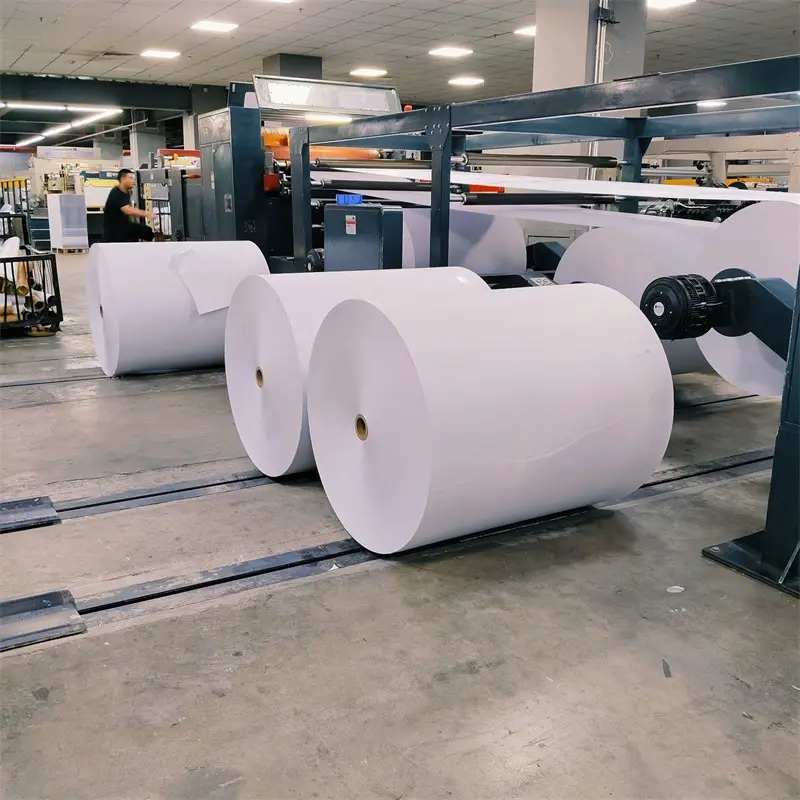
High-quality Bible paper is specially engineered to be exceptionally thin while still maintaining excellent opacity, strength, and durability. These unique properties allow publishers to produce compact books with hundreds or even thousands of pages that remain lightweight, readable, and durable enough for long-term use.
Unlike ordinary printing paper, Bible paper is designed to minimize show-through, resist tearing, and withstand frequent handling over many years. The quality of Bible paper is determined by factors such as opacity, fiber strength, smoothness, brightness, and acid-free performance.
Key Takeaways
- High-quality Bible paper is thin and lightweight (28–60 gsm) for compact, portable books
- Opacity is critical: 96%+ opacity eliminates show-through for distraction-free reading
- Durable cotton/flax fibers and acid-free construction ensure longevity of 200+ years
- Choose FSC® certified paper for environmental sustainability and ethical sourcing
- Test paper samples for smooth texture, minimal ghosting, and tear resistance before purchasing
- Sure Paper provides custom Bible paper solutions and fast sample delivery for publishers
Key Characteristics of High-Quality Bible Paper

Thinness and Lightweight Design
The defining feature of Bible paper is its exceptional thinness. Measured in grams per square meter (gsm), premium Bible paper typically ranges from 40–50 gsm, while economy options start at 28 gsm. This allows publishers to fit 1,500–2,000 pages into a book that fits easily in a pocket or purse.
| Type of Paper | Thickness (gsm) | Thickness (microns) |
|---|---|---|
| High-Quality Bible Paper | 40–50 | ~62 |
| Regular Book Paper | 80+ | ~120 |
Sure Paper offers Bible paper in the full 28–60 gsm range, enabling publishers to create books that balance portability and readability perfectly.
Opacity and Readability
Opacity – the ability to block light and prevent text from showing through the page – is the most important quality factor for Bible paper. High opacity eliminates “ghosting” and allows printing on both sides of the page without distraction.
Manufacturers add special fillers like titanium dioxide and calcium carbonate to improve opacity. Sure Paper’s Bible paper uses an advanced proprietary filler blend that achieves industry-leading opacity levels while maintaining thinness.
| Opacity (%) | Show-Through Level | Reading Experience |
|---|---|---|
| 96–100 | Minimal | Very clear, best choice |
| 90–95 | Low | Good, with very slight ghosting |
| Below 90 | Noticeable | Can distract readers |
Durability and Tear Resistance
Bible paper must withstand thousands of page turns over decades of use. Premium grades use strong natural fibers like cotton and flax blended with high-quality wood pulp to create paper that is both thin and tough.
The table below shows the differences between Bible paper and regular paper:
| Feature | High-Quality Bible Paper | Regular Office Paper |
|---|---|---|
| Tear Resistance | Excellent | Average to Poor |
| Page Turn Durability | 10,000+ turns | 1,000–2,000 turns |
| Water Resistance | Good | Poor |
| Anti-Curl Properties | Excellent | Poor |
Acid-Free and Archival Quality
True archival Bible paper is acid-free and lignin-free. Lignin is a natural component of wood that causes paper to turn yellow and become brittle over time. Acid-free paper has a neutral pH (7.0–8.5) and will not degrade for 200+ years when stored properly.
💡 Industry Standard: Archival-quality paper must meet ISO 9706 standards, ensuring it will last at least 100 years without significant degradation.
All Sure Paper Bible papers are FSC® certified (Forest Stewardship Council), meaning they come from responsibly managed forests that provide environmental, social, and economic benefits.
How to Identify Quality Bible Paper
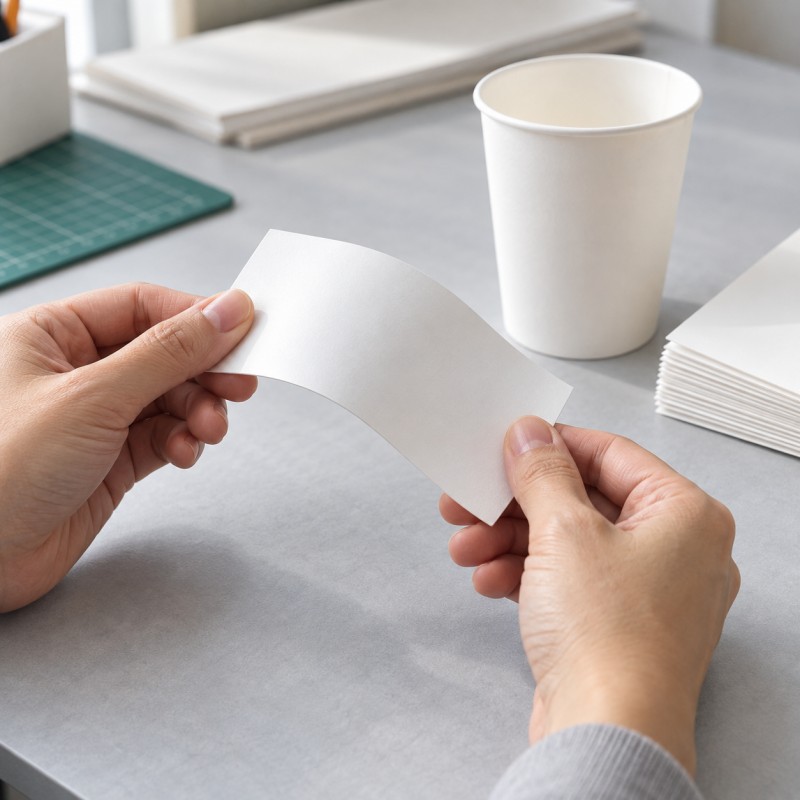
Visual and Texture Inspection
A simple visual and touch inspection can reveal a lot about paper quality.
- Hold the sheet up to light: Quality Bible paper should look uniform, with no visible fiber clumps, spots, or uneven areas
- Check color consistency across the entire sheet
- Feel the surface texture: It should be smooth and refined without feeling overly slick
- Inspect the edges and coating for roughness, dust, or surface defects
High-end Bible paper typically has a soft, refined feel that improves readability while maintaining excellent print performance.
Opacity and Show-Through Testing
Opacity is one of the most important indicators of Bible paper quality because extremely thin paper can easily allow text to show through from the reverse side.
To test opacity:
- Print bold text or dense content on both sides of a sample sheet
- Hold the page under bright light
- Check how much text is visible from the opposite side
For premium Bible printing, paper with opacity levels above 96% generally provides the best balance between readability and lightweight performance.
Durability and Flexibility Testing
Because Bible paper is designed for frequent handling over many years, durability testing is essential.
- Fold the paper repeatedly to check for cracking or tearing
- Test ink absorption to ensure there is no excessive bleed-through
- Bend and release the sheet to evaluate flexibility and curl resistance
- Check whether the paper remains flat after repeated handling
High-quality Bible paper should remain strong, flexible, and stable even after long-term use and repeated page turning.
Why Bible Paper Is Designed This Way
Improving Reading Comfort
Bible paper is engineered specifically for long reading sessions. The matte finish reduces glare, while the high contrast between the white paper and black ink makes text easy to read. Line matching – aligning text on both sides of the page – further reduces eye strain.
Supporting Long-Term Preservation
Bibles are often family heirlooms passed down through generations. That’s why Bible paper is built to last. The acid-free construction and strong fibers ensure that the book will remain in good condition for 100+ years, preserving important memories and traditions.
Conclusion
High-quality Bible paper balances three essential properties: thinness for portability, opacity for readability, and durability for long-term preservation. By choosing acid-free, FSC® certified paper with 96%+ opacity, you can create beautiful books that will be cherished for generations.
Sure Paper is a leading global supplier of premium Bible paper for publishers and printers. We offer a full range of weights and finishes, custom solutions, and fast sample delivery to help you find the perfect paper for your project.
To request free samples or speak with our technical team about your printing needs, contact Sure Paper today.
FAQ
What makes Bible paper different from regular paper?
Bible paper is much thinner and lighter than regular book paper, while still maintaining high opacity and tear resistance. This allows publishers to create compact books with thousands of pages that are easy to carry and read.
Can Bible paper handle ink without bleeding through?
Yes. High-quality Bible paper like Sure Paper uses special fiber blends and fillers that prevent ink bleed-through, allowing sharp, clear printing on both sides of the page.
Is Bible paper safe for long-term storage?
Yes. Acid-free and lignin-free Bible paper meets international archival standards and will last 200+ years when stored in a cool, dry place away from direct sunlight.
What is the best gsm for Bible paper?
- 28–35 gsm: Ultra-thin portable Bibles
- 40–45 gsm: Standard Bibles (1,000–2,000 pages)
- 50–60 gsm: Premium Bibles with full-color illustrations
Does Bible paper come in different finishes?
Yes. Bible paper is available in uncoated (natural matte finish) and machine-finished (smoother, brighter) options. Coated Bible paper is also available for books with color images.