
Bible paper is a specialty paper engineered to be exceptionally thin, strong, and highly opaque. These unique properties make it the standard for high-page-count books like Bibles, dictionaries, and reference works. It delivers uniform ink absorption for sharp, clear text, resists tearing with frequent use, and minimizes show-through so text is readable on both sides of every page.
As a professional specialty paper manufacturer, Sure Paper breaks down the core differences below, along with why publishers rely on bible paper for long-lasting, portable thick books.
Key Takeaways
- Bible paper is ultra-thin and lightweight, allowing over 1,000 pages to fit in a compact, portable book
- High opacity is its defining advantage — it blocks text from showing through the reverse side
- Long, strong fibers give it exceptional tear resistance despite its low weight
- A smooth, calendered surface produces sharp, clean print for comfortable reading
- Acid-free, lignin-free bible paper preserves text for decades or centuries with proper care
Core Differences: Bible Paper vs. Regular Book Paper
The most obvious difference is weight and thickness. Standard offset book paper typically ranges from 60–80 GSM, while bible paper weighs only 25–40 GSM — roughly half the weight. Despite being much thinner, it matches or exceeds regular paper in strength and print clarity.
| Metric | Bible Paper (30 GSM) | Standard Offset Paper (80 GSM) |
|---|---|---|
| Base Weight | 25–40 GSM | 60–80 GSM |
| Sheet Thickness | 40–65 micrometers | >75 micrometers |
| Typical Opacity | 96%+ | 85–92% |
| Spine Width for 1,200 pages | <40 mm | >75 mm |
| Weight Reduction | Up to 50–60% vs. standard paper | Baseline |
Key Unique Properties of Bible Paper
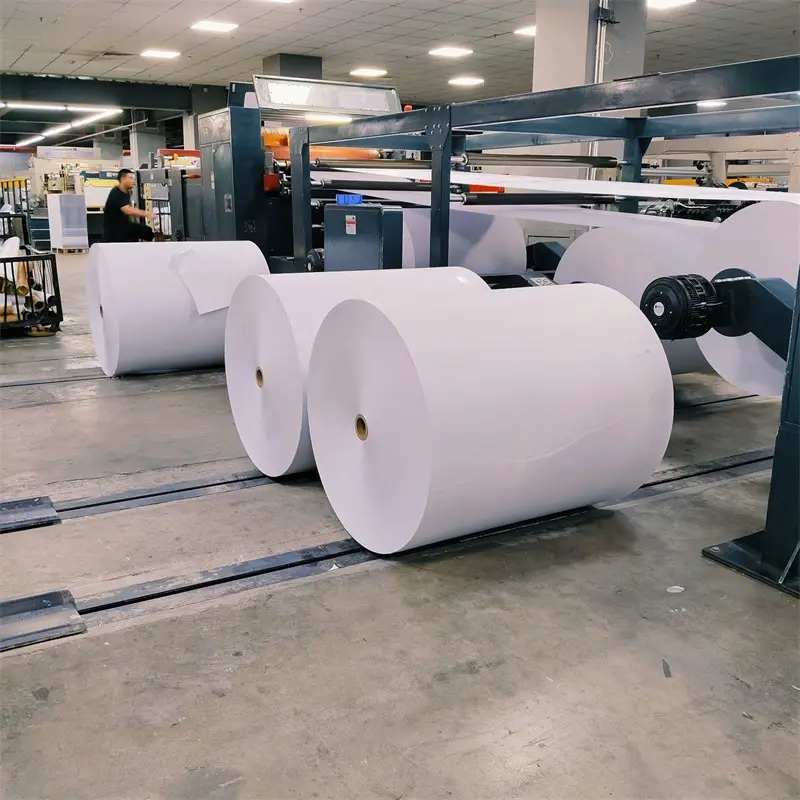
Thin Yet Strong Fiber Composition
Bible paper achieves its low weight without sacrificing durability through specialized fiber selection. Most grades use a blend of bleached chemical wood pulp (softwood for strength, hardwood for smoothness). Premium bible papers add cotton or linen/flax fibers for even greater tear resistance and flexibility.
| Component | Function | Common Materials |
|---|---|---|
| Pulp Fiber | Provides tensile strength and tear resistance | Chemical wood pulp, cotton, linen/flax |
| Mineral Fillers | Boost opacity and brightness | Titanium dioxide (TiO₂), calcium carbonate |
| Sizing Agents | Control ink absorption for sharp print | Starch, synthetic polymers |
Sure Paper uses advanced papermaking technology and premium fiber blends to produce bible paper that maintains high tear strength even at 28 GSM. Our formulation also delivers excellent water resistance and dimensional stability, so pages stay flat and readable long-term.
High Opacity & Minimal Show-Through
Opacity is the most critical performance feature of bible paper. Because it is printed on both sides for high-page-count books, even slight show-through would make text hard to read.
Manufacturers add mineral fillers like titanium dioxide to the pulp to block light transmission. This stops text from one side of the page from bleeding through to the other, even at very low sheet weights.
Smooth, Print-Ready Surface
Bible paper undergoes a calendering process — passing through polished rollers under pressure — to create a smooth, uniform matte surface. Some grades also receive a light coating of gelatin or starch to control ink absorption.
This smooth surface ensures even ink distribution, sharp character definition, and clean page turns. It prevents feathering and bleed, even with small font sizes common in compact Bibles.
Archival Durability & Flexibility
Despite its thinness, bible paper is built to last. High-quality grades are acid-free and lignin-free, which prevents yellowing, brittleness, and degradation over time. When stored properly at 45–55% relative humidity, archival bible paper can preserve text for well over 200 years.
Sure Paper’s bible paper meets strict archival standards and is also available in biodegradable and compostable formulations, balancing long-term performance with environmental responsibility.
Why Publishers Choose Bible Paper
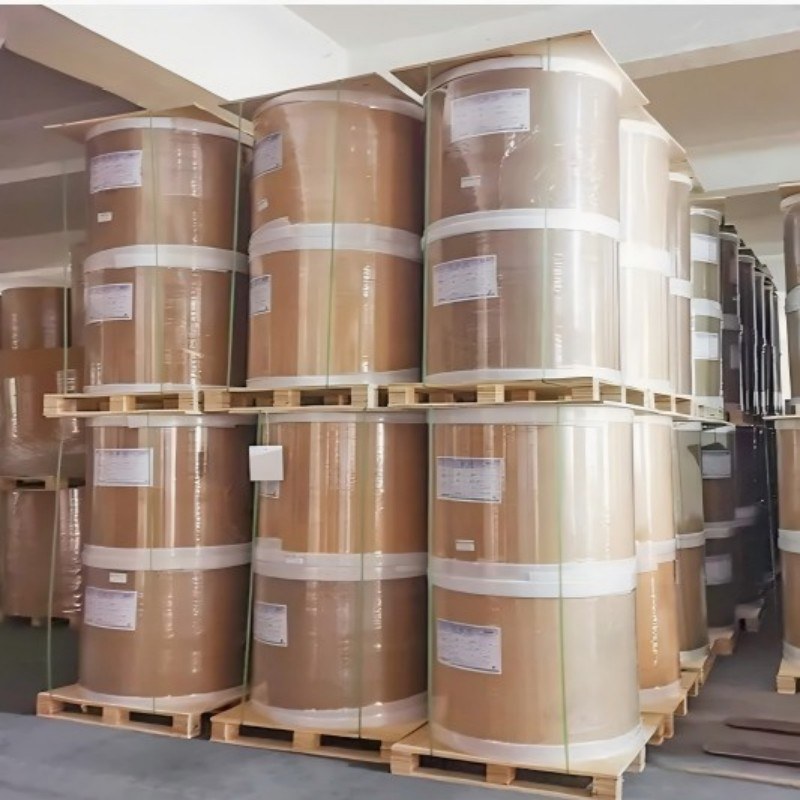
Reduces Book Thickness & Weight
The primary reason publishers use bible paper is to fit hundreds or thousands of pages into a manageable, portable book. A standard Bible with ~800,000 words would be thick and heavy if printed on regular book paper. With 30–35 GSM bible paper, the same content fits into a slim 35–40 mm spine that is easy to hold, carry, and travel with.
Improves Readability
High opacity and a smooth print surface create a more comfortable reading experience. Readers can focus on the text without distraction from show-through, and even small font sizes stay sharp and clear. Publishers target a pages-per-inch (PPI) rating of 800–1,600 to maximize page count while maintaining readability.
Enables Long-Term Preservation
For religious texts, reference books, and important printed works, longevity matters. Archival-grade bible paper protects content from yellowing and deterioration, so books remain readable for generations.
Quick Selection Guide
- 25–28 GSM: Ultra-thin grade for compact pocket Bibles and very high page counts
- 30–35 GSM: Standard all-purpose grade for most study and pew Bibles
- 35–40 GSM: Heavier grade for study Bibles with note-taking space, or frequently handled editions
Conclusion
Bible paper stands out from ordinary paper because it balances three hard-to-combine traits: ultra-thin lightweight construction, high opacity for clean double-sided reading, and exceptional tensile strength. This unique combination makes it irreplaceable for thick, portable books that need to last.
As an experienced specialty paper manufacturer, Sure Paper produces premium bible paper in a full range of GSM weights, finishes, and custom specifications. Our acid-free, high-opacity formulation is trusted by publishers worldwide for reliable print performance and long archival life. Contact our team today to request samples or a custom quote for your publishing project.
FAQ
What makes bible paper different from regular paper?
Bible paper is formulated to be much thinner, stronger, and more opaque than standard book paper. It uses specialty fibers and mineral fillers to deliver high performance at very low weights, so thick books stay compact and portable.
Why do publishers use bible paper for religious texts?
Religious books are very long and often used daily. Bible paper keeps them lightweight and easy to carry, while its durable, tear-resistant construction stands up to frequent use. Its archival properties also help preserve the text for long-term use.
How does bible paper stop ink from showing through?
Manufacturers blend mineral fillers like titanium dioxide into the pulp to block light transmission. This creates a highly opaque sheet that prevents show-through, even when printed on both sides with small text.
What GSM of bible paper should I choose?
Pick 25–28 GSM for ultra-compact pocket Bibles, 30–35 GSM for standard editions, and 35–40 GSM for heavy-use or note-taking study Bibles.
Can bible paper be used for books other than Bibles?
Absolutely. It is ideal for any thick, high-page-count book, including dictionaries, encyclopedias, reference works, and compact travel guides where portability is a priority.
Is bible paper eco-friendly?
Yes, many modern bible papers are made with responsibly sourced pulp and are biodegradable. Sure Paper offers eco-friendly formulations that meet sustainability standards without sacrificing performance.