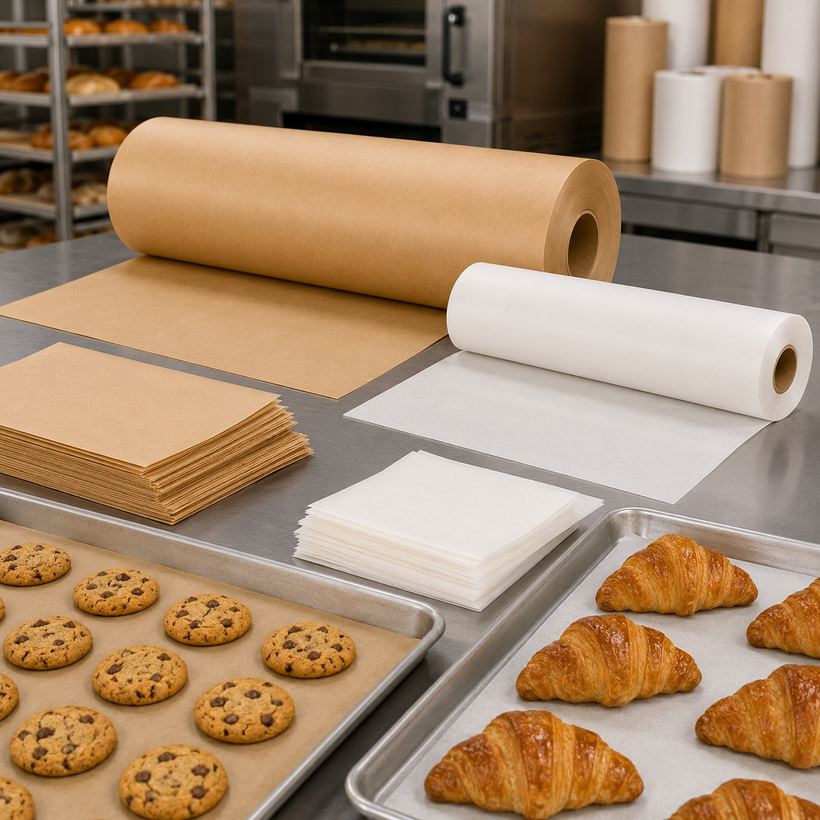
Unbleached, silicone-coated parchment paper is the best choice for most baking applications. It provides excellent non-stick performance, high heat resistance, and superior food safety compared to other types of baking paper.
Parchment paper eliminates the need for greasing pans, makes cleanup effortless, and ensures even baking. It is an essential tool for both home bakers and professional pastry chefs.
Key Takeaways
- Silicone-coated parchment paper is superior to Quilon-coated for safety and performance
- Unbleached parchment paper is safer and more eco-friendly than bleached alternatives
- Always choose FDA-approved and PFAS-free parchment paper for food safety
- Precut sheets save time and prevent curling, while rolls offer more flexibility
- Thicker parchment paper (30+ GSM) is more durable and can be reused multiple times
What Makes Parchment Paper Good for Baking?
Non-Stick Performance
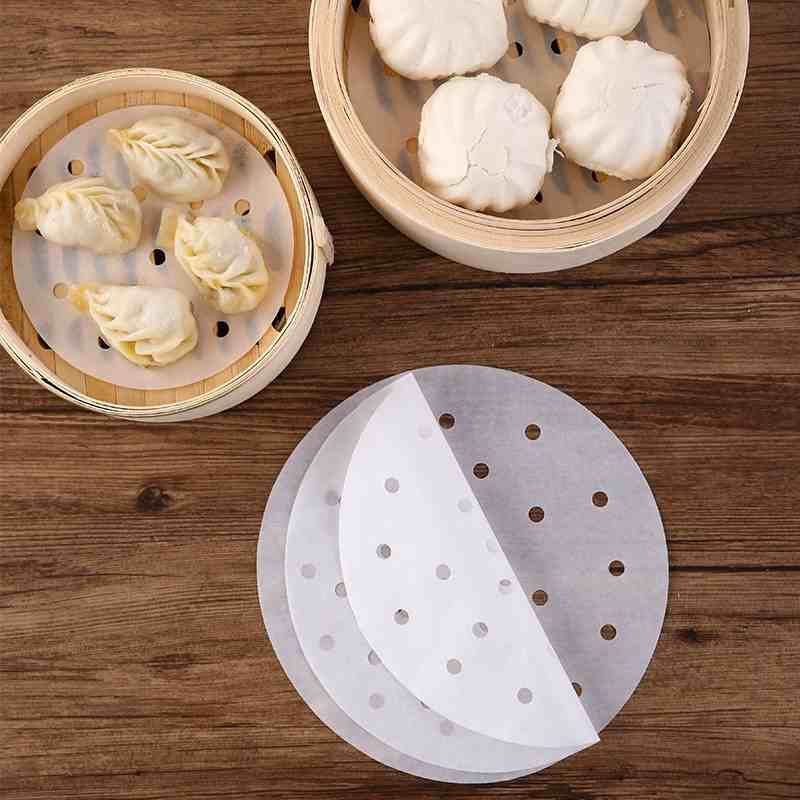
The primary benefit of parchment paper is its non-stick surface. Silicone-coated parchment paper creates a barrier between food and the pan, allowing cookies, bread and pastries to release easily without breaking. This eliminates the need for greasing and prevents food from sticking to the pan.
Heat Resistance
High-quality silicone-coated parchment paper can withstand temperatures up to 450°F (232°C). Some commercial-grade sheets are rated for up to 480°F (250°C) for short periods. This makes it suitable for most baking and roasting applications.
Food Safety
Parchment paper is regulated as a food contact material. The FDA has approved vegetable parchment paper for direct food contact. Always look for PFAS-free certification, as these chemicals have been linked to potential health risks.
Types of Parchment Paper
Silicone-Coated vs Quilon-Coated
The main difference between parchment papers is the type of non-stick coating used:
| Feature | Silicone-Coated | Quilon-Coated |
|---|---|---|
| Heat Resistance | Up to 450°F (232°C) | Up to 425°F (218°C) |
| Non-Stick Performance | Excellent | Good |
| Food Safety | Very safe | Generally safe but contains trace chromium |
| Reusability | Can be reused 2-4 times | Single-use only |
| Environmental Impact | Paper base is compostable | Not biodegradable |
Recommendation: Choose silicone-coated parchment paper for all baking needs. Quilon-coated paper is cheaper but less durable and less safe.
Unbleached vs Bleached Parchment Paper
Parchment paper is available in both bleached (white) and unbleached (brown) varieties:
| Aspect | Bleached Parchment | Unbleached Parchment |
|---|---|---|
| Color | Bright white | Natural brown |
| Processing | Uses chlorine-based bleaching | No bleaching chemicals |
| Environmental Impact | Higher | Lower |
| Health Concerns | Possible trace chemicals | None |
Recommendation: Unbleached parchment paper is the safer and more eco-friendly choice.
Which Type Is Best for Different Uses?
Best for Cookies and Pastries
Silicone-coated parchment paper is ideal for baking cookies, macarons and pastries. Its smooth surface ensures even baking and easy release. For delicate items like macarons, choose thicker parchment paper (30+ GSM) with anti-curl treatment.
Best for High-Temperature Baking
For recipes requiring temperatures above 425°F, use commercial-grade silicone-coated parchment paper rated for up to 480°F. Avoid using parchment paper for broiling or temperatures above 500°F, as it may burn.
Best for Commercial Bakeries
Commercial bakeries should use heavy-duty silicone-coated parchment paper. It is more durable, can be reused multiple times, and provides consistent results for large batches.
Best Eco-Friendly Option
The most eco-friendly choice is unbleached, PFAS-free silicone-coated parchment paper. Look for products with compostable certification and soy-based inks.
How to Choose the Right Parchment Paper
Precut Sheets vs Rolls
- Precut sheets: Save time, fit standard pans perfectly, and do not curl. Ideal for home bakers and quick baking sessions.
- Rolls: More flexible and economical for large or custom-sized pans. Better for commercial use and unusual baking projects.
Thickness (GSM)
- 18-25 GSM: Lightweight, single-use only. Good for basic baking.
- 30-40 GSM: Heavy-duty, can be reused 2-4 times. Best for most applications.
- 40+ GSM: Extra heavy-duty, for commercial use and high-temperature baking.
Important Features to Look For
- FDA and EU food safety certification
- PFAS-free
- Silicone coating (not Quilon)
- Anti-curl treatment
- Unbleached
- Precut sheets (optional)
Sure Paper offers a range of high-quality, unbleached silicone-coated parchment paper that meets all these criteria. Their products are FDA-approved, PFAS-free, and suitable for both home and commercial use.
Conclusion
Unbleached, silicone-coated parchment paper is the best choice for most baking applications. It is safe, durable, and provides excellent non-stick performance. Always choose FDA-approved and PFAS-free products for the best results.
FAQ
What is the difference between parchment paper and wax paper?
Parchment paper is coated with silicone and can withstand high heat. Wax paper is coated with wax and will melt in the oven. Never use wax paper for baking.
Can parchment paper be reused?
Yes, silicone-coated parchment paper can be reused 2-4 times for similar baking tasks. Do not reuse it if it becomes greasy, torn or discolored.
Is parchment paper better than aluminum foil?
Parchment paper is better for baking because it is non-stick and does not react with acidic foods. Aluminum foil is better for wrapping and roasting at very high temperatures.
Does parchment paper affect baking time?
No, parchment paper does not significantly affect baking time. It helps ensure even baking by preventing hot spots.
Can parchment paper go in the microwave?
Yes, parchment paper is generally safe to use in the microwave for short heating sessions (up to 2-3 minutes). It is ideal for covering food to prevent splatters or lining microwave-safe plates.