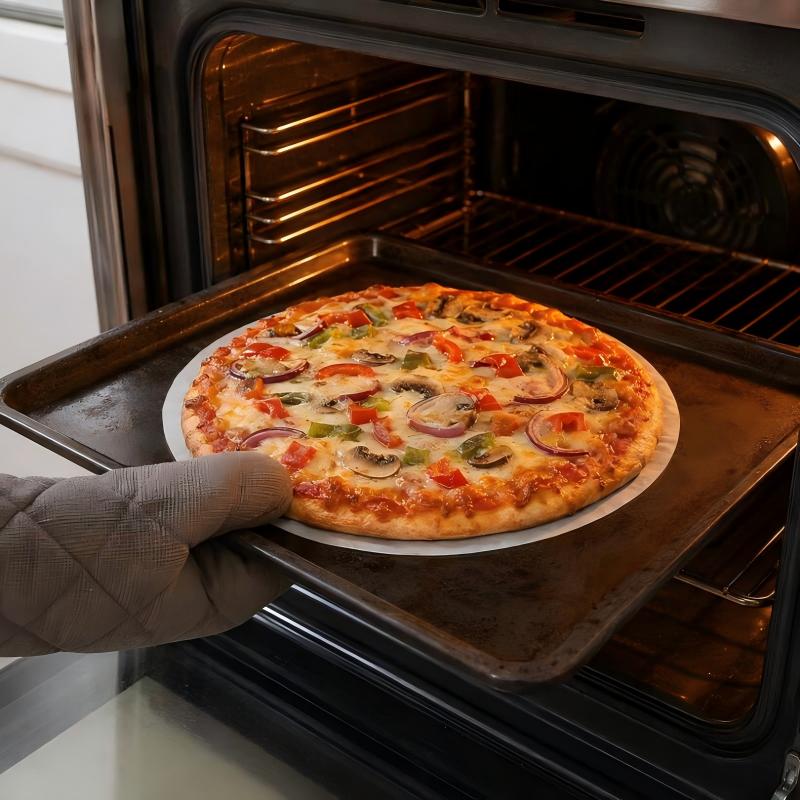
Yes, you can cook pizza on greaseproof paper. It prevents dough from sticking to baking trays and pizza stones, simplifies post-baking cleanup, and helps with easy transfer in and out of the oven. For home baking and casual pizza nights, it is a convenient, low-effort option that works well with most standard home oven temperatures.
Key Takeaways
- Greaseproof paper creates a non-stick barrier between pizza dough and baking surfaces, eliminating stuck-on mess and making cleanup fast.
- Its grease-resistant properties prevent oil from soaking through to the tray, helping the pizza base stay firmer and less soggy.
- Standard greaseproof paper is oven-safe up to around 220°C (428°F), and does not release harmful chemicals when used within its rated temperature range.
- For the crispiest crust, preheat your oven and baking surface fully, and remove the paper halfway through baking to let direct heat crisp the base.
- Uncoated, food-grade greaseproof paper is recyclable and compostable, making it a more eco-friendly kitchen choice than single-use plastic or foil alternatives.
Benefits of Using Greaseproof Paper for Pizza Baking
Non-Stick Performance and Easy Cleanup
The biggest advantage of greaseproof paper is its reliable non-stick surface. It keeps raw dough from adhering to trays, pizza stones or peels, so you do not have to scrape baked-on residue after cooking. For homemade pizza with soft, sticky dough, this removes one of the most common pain points of home baking.
Greaseproof paper also acts as a grease barrier, stopping oil and cheese drips from baking onto your bakeware. This cuts down on scrubbing and extends the life of your baking trays.
Simplified Pizza Transfer
Moving raw pizza from prep surface to hot oven is one of the trickiest parts of homemade pizza. Greaseproof paper acts as a disposable sling: you build the pizza directly on the paper, then lift the whole thing onto a preheated tray or stone without stretching or tearing the dough.
This is especially helpful for beginners, as it reduces the risk of misshapen pizzas or spilled toppings during transfer.
Food-Safe and Eco-Friendly
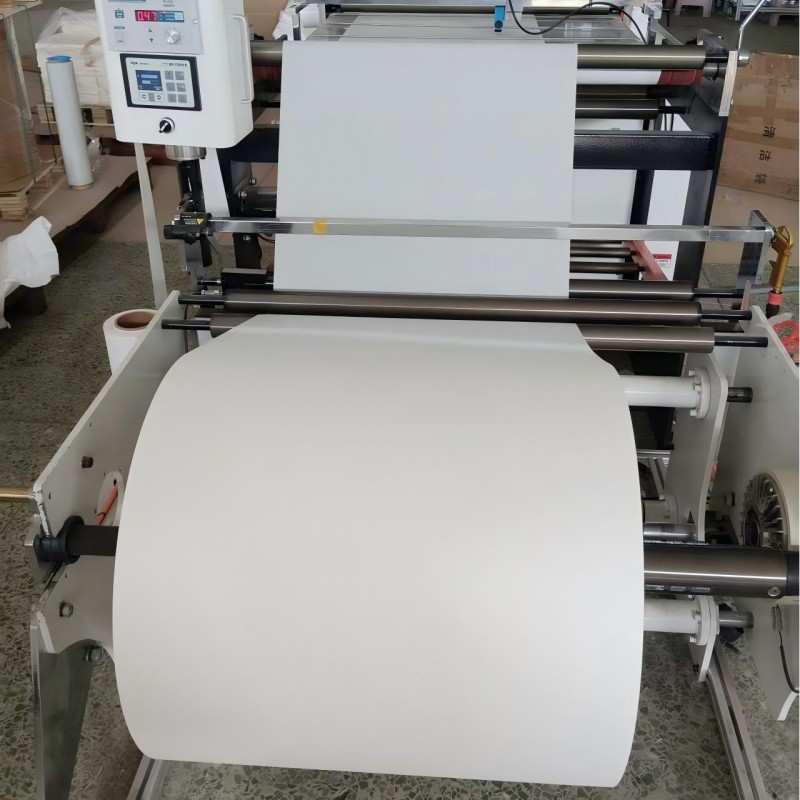
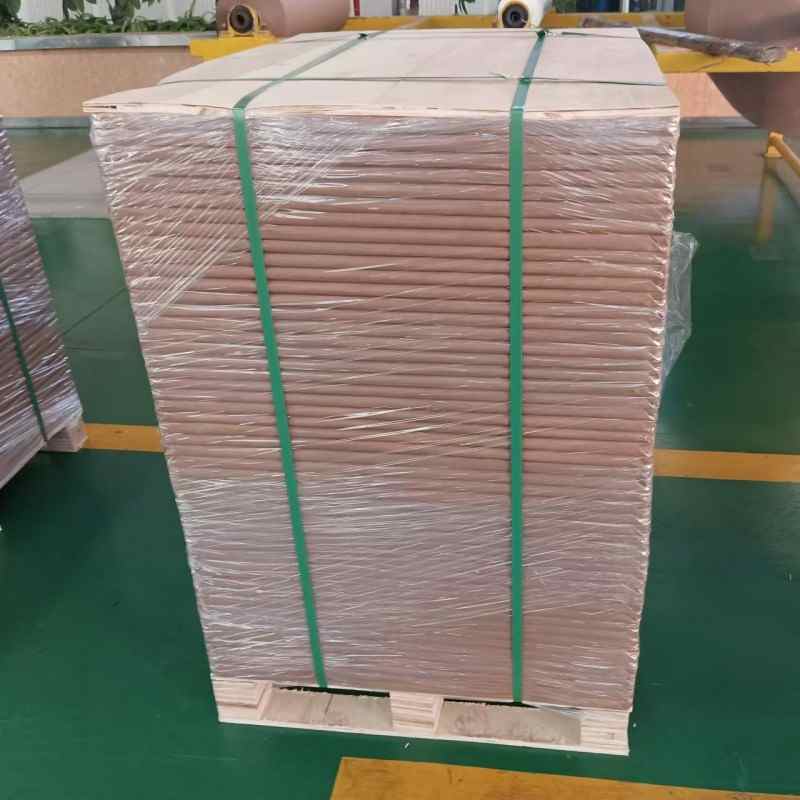
Leading greaseproof paper manufacturers produce high-quality food-grade greaseproof paper using 100% virgin wood pulp and plastic-free processing methods. These papers are designed to meet global food contact safety standards and offer recyclable or compostable options, providing a more sustainable alternative to aluminum foil and disposable plastic baking trays.
Safety and Performance Considerations for Greaseproof Paper
Heat Resistance Limits
Standard greaseproof paper is safe for oven use at temperatures up to 220–230°C (425–450°F). Within this range, it will not burn, smoke or transfer harmful substances to food.
- It is not suitable for use under direct heat sources such as broilers, grills or open flames, where intense top-down heat can cause charring.
- For baking temperatures above 230°C, parchment paper (silicone-coated baking paper) is a more appropriate choice, as it typically has a higher heat rating.
Food Safety Certifications
Reputable greaseproof paper products hold official food contact certifications to confirm they are safe for baking use. Common global standards include:
- EU 1935/2004: European Union food contact material regulation
- FDA 21 CFR 176.170: United States food contact paper standard
- GB 4806.8: China national food safety standard for paper packaging
Always use products certified for food contact to avoid exposure to unsafe additives or coatings.
Effect on Pizza Crust Texture
Greaseproof paper allows heat to pass through to the dough while blocking excess grease from soaking back into the base. This produces an evenly baked crust with good browning.
- For a softer, chewier crust, you can leave the paper in place for the full bake.
- For a crispier bottom crust, remove the paper 3–4 minutes into baking and finish cooking the pizza directly on the stone or tray.
Because the paper creates a thin barrier, it will not produce quite as crisp a base as baking directly on a preheated stone. Most home bakers find this tradeoff worthwhile for the convenience.
How to Bake Pizza With Greaseproof Paper
Step 1: Preheat Your Oven and Baking Surface
For the best crust texture, preheat your oven with a pizza stone or heavy baking tray inside for 30–40 minutes at your oven’s highest setting. A fully preheated surface is the most important factor for a crisp pizza base.
Step 2: Prep Your Pizza on the Paper
Cut a sheet of greaseproof paper slightly larger than your pizza. Place your stretched dough on the paper, then add sauce, cheese and toppings.
- Do not oversize the paper excessively — extra paper hanging over the edges can curl and burn in a hot oven.
- Avoid piling on too much sauce or wet toppings, as excess moisture will make the crust soggy regardless of paper use.
Step 3: Transfer and Bake
Slide the pizza and paper onto your preheated stone or tray. Bake for 3–4 minutes until the crust sets and firms up.
For extra crispness, carefully pull the paper out from under the pizza at this point, then continue baking for 5–6 more minutes until the crust is golden and cheese is bubbly.
Step 4: Remove and Serve
Once baked, slide the pizza onto a cutting board. Let it rest for 1–2 minutes before slicing. The used paper can be disposed of or recycled according to local guidelines.
Conclusion
Greaseproof paper is a safe, convenient option for cooking pizza at home, especially for beginners and casual pizza nights. It eliminates sticking, speeds up cleanup and simplifies transferring raw dough into a hot oven.
While it will not deliver the ultra-crisp base of direct stone baking, you can greatly improve crust texture by preheating thoroughly and removing the paper halfway through baking. For best results, always use food-certified greaseproof paper and stay within its rated temperature range.
FAQ
What temperature is greaseproof paper safe for pizza baking?
Standard food-grade greaseproof paper is oven-safe up to 220–230°C (425–450°F). It should not be used under broilers or near open flame, where extreme direct heat can cause charring.
Will greaseproof paper make my pizza base soggy?
It can if left in place for the full bake on a cool tray. For a crisp base, preheat your baking surface fully and remove the paper 3–4 minutes into baking to let direct heat crisp the bottom.
Can you use greaseproof paper on a pizza stone?
Yes. Build your pizza on the paper, then slide both the pizza and paper onto the preheated stone. For a crispier crust, pull the paper out once the dough has set, after 3–4 minutes of baking.
What is the difference between greaseproof paper and parchment paper for pizza?
Parchment paper has a silicone coating for better non-stick performance and higher heat resistance, making it better for very hot ovens. Greaseproof paper is grease-resistant and works well for standard-temperature pizza baking at a lower cost.
How do you stop pizza dough from sticking when transferring?
Build the pizza on a sheet of greaseproof paper for easy lifting. If using a pizza peel, sprinkle a light layer of flour or cornmeal on the peel under the paper for extra slip.