A useful cupstock paper request for quotation (RFQ) tells the supplier what you are making, which material you need, how it should be supplied, and where it will be delivered. Clear details reduce clarification emails and make quotations easier to compare.
Start with the information you already have. If a coating specification, reel dimension or paper grade is unknown, attach your current technical data sheet, cup drawing or sample details and ask the supplier to help confirm it. You do not need a full laboratory report to make an initial inquiry.
Start With the Application
Specify the cup or container type, capacity and construction, such as a single-wall hot cup or a cold drink cup. Include the intended contents, filling temperature and expected holding time. State any freezer, microwave or other special-use requirement so the supplier can assess a suitable grade rather than assume compatibility.
Separate Base Paper Weight From Coating Weight
| RFQ item | What to specify |
| Base paper | Target GSM before coating; preferred grade, color or fiber type if relevant. |
| Inner coating | Coating type and weight in g/m² on the food-contact side. |
| Outer coating | Coating type and weight in g/m², or state that no outer coating is needed. |
| Total and tolerances | Confirm total coated GSM separately. Give required tolerances or ask the supplier to state its available tolerances. |
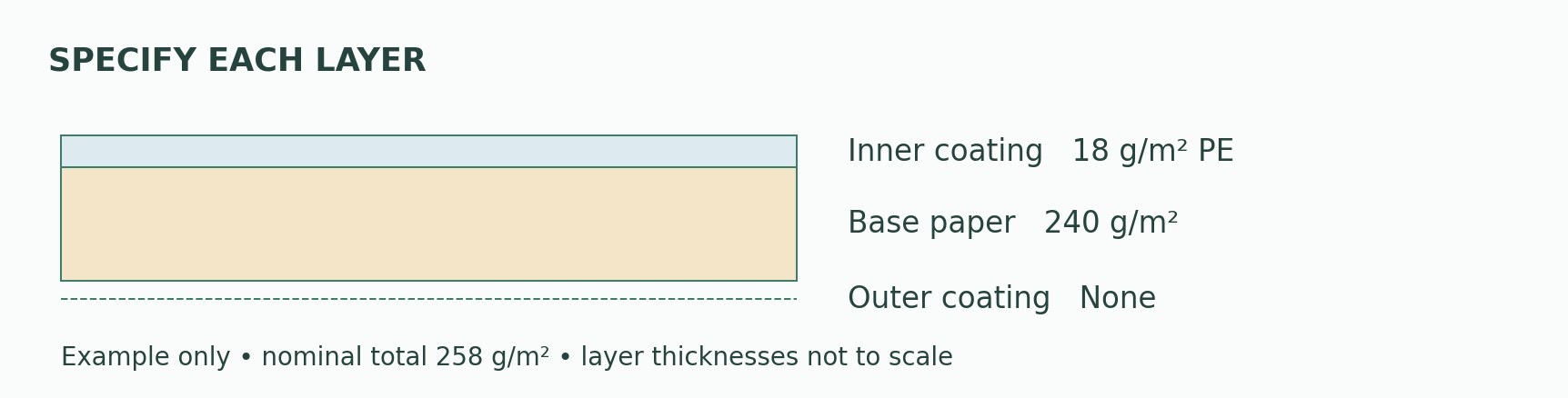
Figure 1. A clear specification separates the base paper from each coating layer.
For example: 240 g/m² base paper + 18 g/m² inner PE, with no outer PE, gives a nominal total of 258 g/m². This illustrates how to write the specification; it is not a recommended construction for every cup.
PE, PLA and water-based coatings vary in sealing and barrier performance. Ask for a grade suited to your actual application. Do not assume a safe-use temperature or finished-cup performance from the coating name alone.
Specify the Supply Format and Dimensions
Reels, sheets and cup fans need different dimensional details. Use millimeters consistently, identify required tolerances and attach a drawing where the shape or orientation matters.
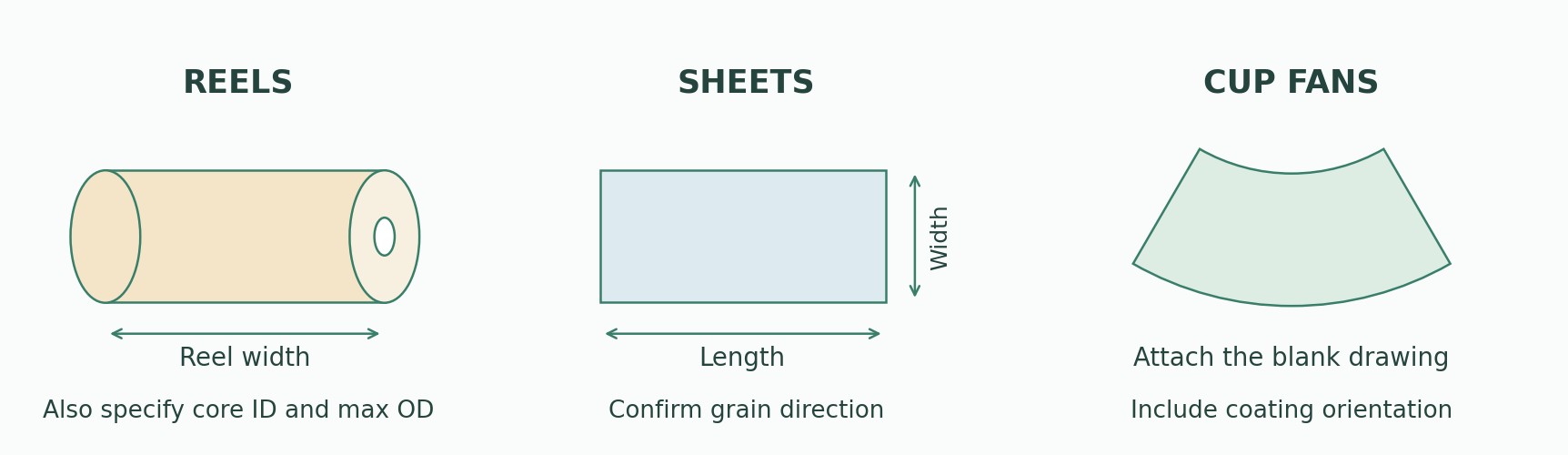
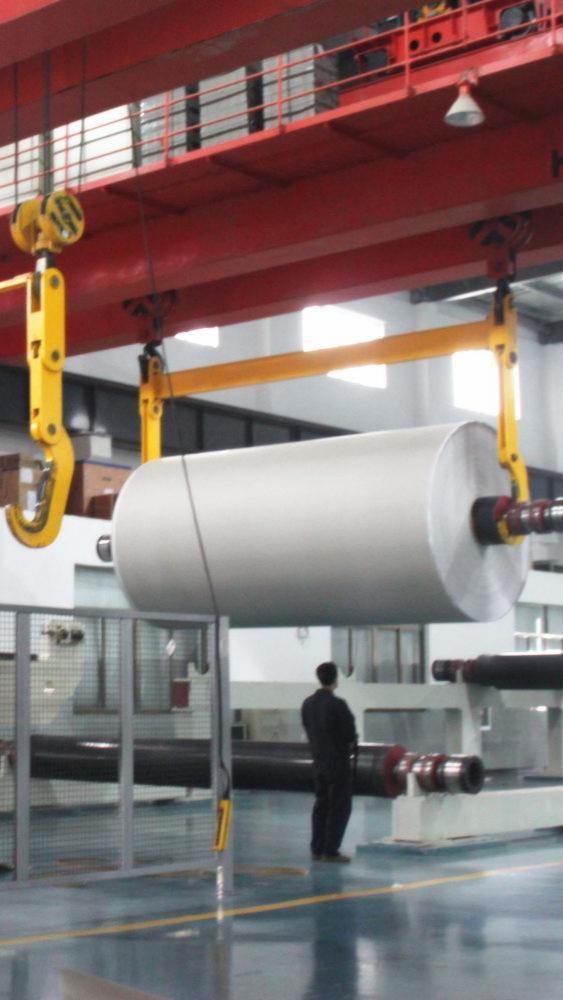
Figure 2. Provide dimensions for the format you buy. Schematics are not to scale.
| Supply format | Details to include |
| Reels | Width, core inner diameter, maximum outer diameter and maximum reel weight. Add winding direction and coating-side orientation where required. |
| Sheets | Length × width, grain direction, dimensional tolerances and preferred pack quantity. |
| Cup fans | Blank or die-cut drawing, dimensions, coating-side orientation, quantity per design and any printing requirements. |
| Bottom paper | If ordered with body stock, list its base GSM, coating specification, slit width and quantity separately. |
Cup capacity alone does not determine reel width. The required width depends on the cup drawing, cutting layout and equipment. Confirm it with your production team instead of choosing a standard width solely from the cup size.
Include Printing and Machine Requirements
State whether you need unprinted stock, material for your own printing line, or printed cup fans. For printing services, provide the artwork, number of colors, quantity per design and approval requirements. If printing in-house, identify your process and any required surface characteristics.
Share equipment limits that affect material selection or reel handling. Where a current grade runs successfully, its data sheet or an identified reference sample can help the supplier propose a comparable option. Final suitability should still be confirmed in a trial.
Break Down the Order Quantity
Give the quantity for each GSM, coating and size, plus the total order quantity. State the first-order requirement separately from any expected repeat volume. An annual forecast helps planning, but should not be confused with a firm order.
Ask the supplier to confirm MOQ by specification and for the order as a whole. Trial availability and minimum quantities vary with the grade, coating, format and production arrangement.
Confirm Delivery and Quality Requirements
Destination and timing
Provide the destination country, named port or place and requested trade term, such as CIF Gdańsk. For address delivery, include the address and confirm availability. Specify the agreed Incoterms edition.
Distinguish your required arrival date from a shipment date. Ask for production and sample lead times, and state whether partial shipments are acceptable. This gives the supplier a clearer basis for checking the schedule.
Target market and product documents
Identify the market where the finished cups will be sold and the intended food-contact conditions. Request the relevant food-contact declaration and supporting information for the proposed material, plus a technical data sheet. Agree whether a certificate of analysis is required with each shipment.
Check that documents cover the proposed grade and use. State any required FSC or PEFC claim separately. For compostability or other environmental claims, request evidence covering the product and claim.
Testing and acceptance
Share your quality team’s performance targets, test methods and acceptance criteria. Select relevant checks for stiffness, printing, heat sealing or finished-cup liquid holding according to the application.
Plan sample approval separately from the initial price inquiry. Our guide to testing cupstock samples before placing a bulk order explains how to prepare a practical trial.
Packaging and marking
Specify packaging and shipping marks, including any pallet or moisture-protection requirements. Retain grade, coating, batch and reel identification. Agree any pre-shipment inspection, sampling plan and acceptance criteria in advance.
Keep the Quote Format Simple
Ask suppliers to include the following in their quotation:
- Price per metric ton and currency
- Minimum order quantity
- Quote validity
- Payment terms
Keep the agreed delivery terms and lead time with the logistics details. Compare quotations for the same material specification, quantity and delivery basis.
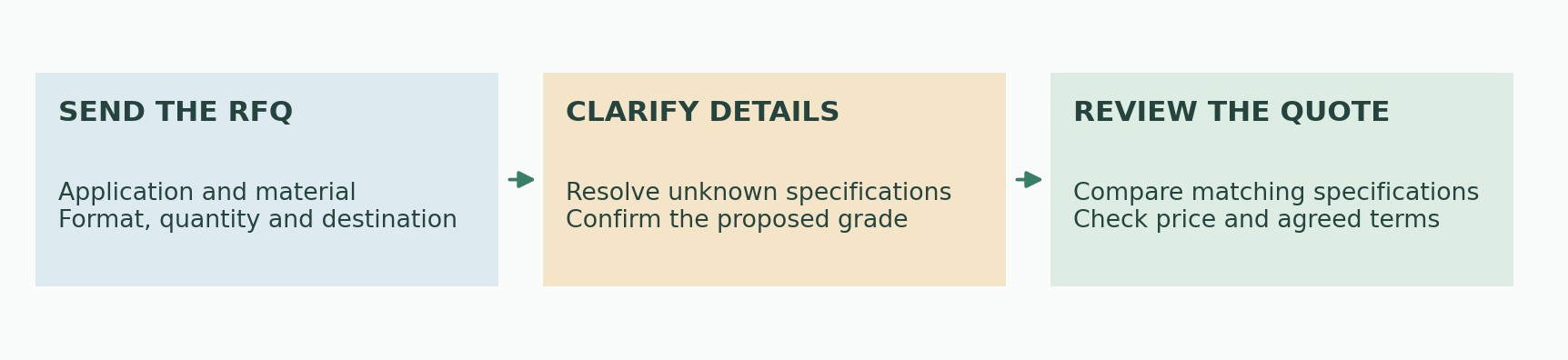
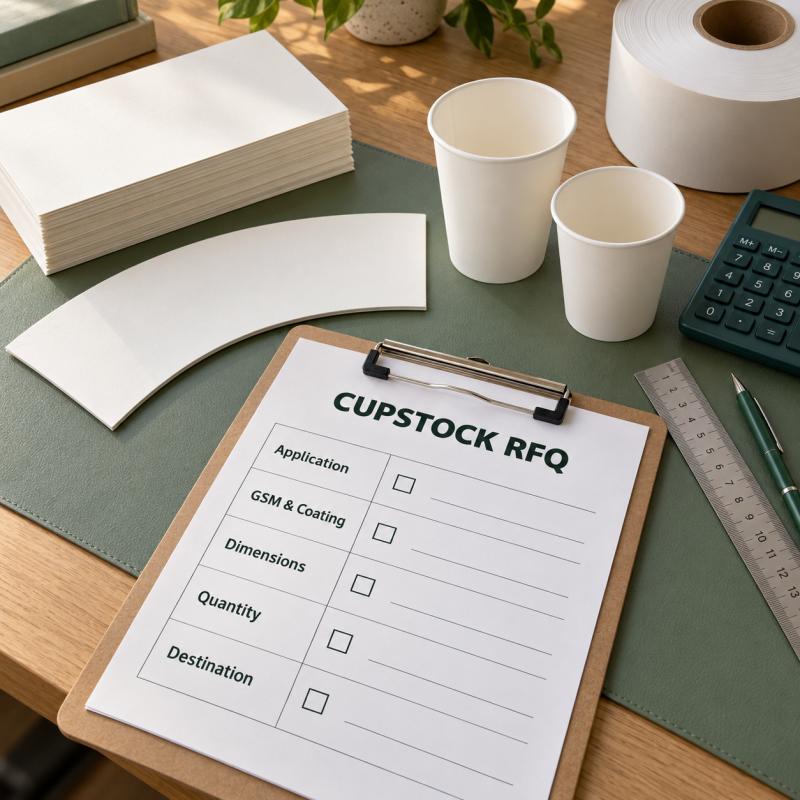
Figure 3. A clear RFQ supports comparison while allowing necessary technical clarification.
Copy and Complete This Cupstock RFQ Template
Use the fields below in your inquiry email. Complete the applicable items and mark unknown details as “to be confirmed.” Attach one specification list if you need several sizes or grades.
Application and cup size: [Please complete]
Base paper: [GSM before coating; preferred grade or color]
Inner coating: [Type and g/m²]
Outer coating: [Type and g/m², or none]
Supply format: [Reels, sheets or cup fans]
Dimensions: [Reel details, sheet size or attached fan drawing]
Bottom paper if needed: [GSM, coating, width and quantity]
Order quantity: [Quantity per specification and total]
Destination and trade term: [Country, named port or place, and requested term]
Required arrival date: [Please complete]
Target market and documents: [Please complete]
Packaging and inspection requirements: [Please complete]
Sample requirements: [A4 sheets or production trial material]
Attachments: [Current specification, drawing or artwork]
Please quote the price per metric ton and currency, MOQ, quote validity and payment terms, and confirm the delivery details above. Identify any proposed change to the requested specification.
Frequently Asked Questions
Can I request a quote without knowing the exact GSM
Yes. Share your current data sheet, sample details or cup drawing and intended use. The supplier can discuss options, but the proposed specification should be confirmed before final approval.
Are samples free and is there a standard MOQ
Confirm both with the supplier. A4 sheets and production trial reels have different preparation and shipping requirements. Ask about sample charges, courier costs and MOQ for each requested specification.
How quickly can I receive a quotation
Timing depends on the material, customization and delivery requirements. Standard specifications are usually easier to price; an incomplete drawing or unconfirmed coating may require clarification first.
Send Your Cupstock RFQ to Sure Paper
Send Sure Paper your completed checklist, current specification or cup drawing. We can review the details and clarify missing information before preparing a quotation.