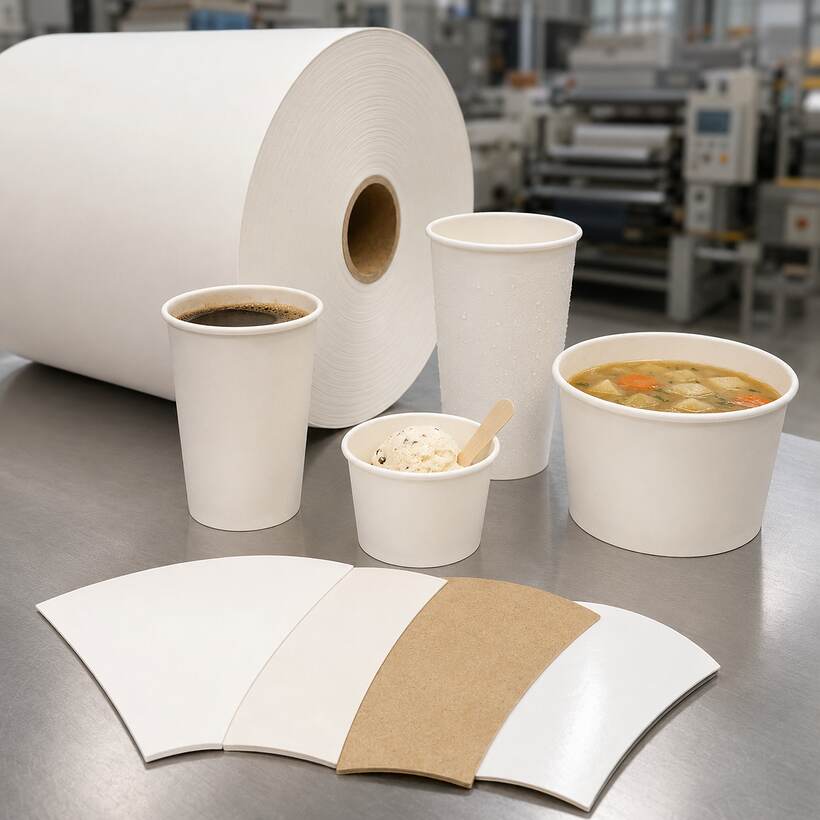
Cupstock paper is used to make many throwaway cups and containers for food. Companies pick different cupstock types for strength, water resistance, and how they affect the environment. Picking the right kind changes the price and how well it works in real life.
- The world market for polycoated cup stock may rise from USD 556.1 million in 2025 to USD 847.2 million by 2035.
- PE coated, PLA coated, water-based coated, and bamboo cupstock are commonly used for drink cups, food containers, and branded packaging.
Choosing the best kind makes sure packaging is safe, works well, and is good for the planet.
Types of Cupstock Paper and Their Characteristics
Uncoated Cupstock: Features, Advantages, and Common Uses
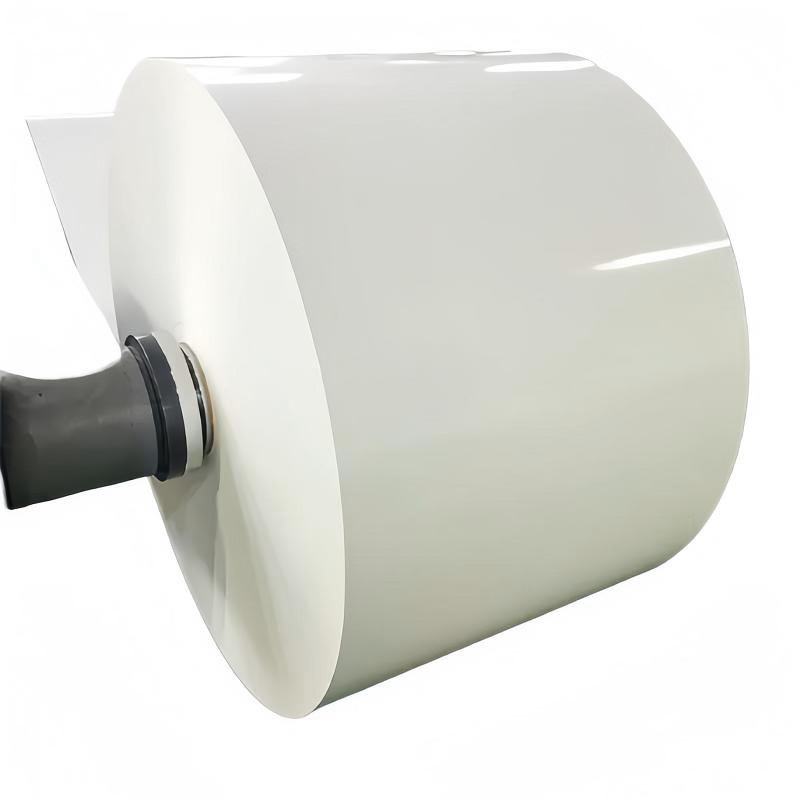
Uncoated cupstock is the simplest kind of cupstock paper. People use it for dry foods and easy packaging. This type does not have a special coating. It depends on the paper’s natural qualities. Uncoated cupstock is easy to recycle and breaks down in nature.
The table below shows how uncoated and coated cupstock are different:
| Characteristic | Uncoated Cupstock | Coated Cupstock |
|---|---|---|
| Moisture Resistance | Basic moisture resistance, suitable for dry applications | Complete liquid barrier protection |
| Print Quality | Softer colors, less defined images | Sharp, vibrant graphics with excellent fidelity |
| Temperature Performance | Adequate at room temperature, weakens with heat | Handles temperatures from -18°C to 95°C |
| Environmental Impact | Superior recyclability, biodegrades naturally | Recycling challenges due to plastic content |
Uncoated cupstock is best for things that do not need to stay dry. It is common in bakery packaging and snack boxes. Many suppliers like it because it costs less and is better for the environment.
Clay Coated Cupstock Paper: Properties, Benefits, and Typical Applications
A thin clay layer is put on the paper. This makes printing look brighter and helps keep out some moisture. Clay coated cupstock has a smooth surface for colorful pictures and logos. It works well for special packaging and branded tableware.
Some main benefits are:
- Better at keeping out water and oil, so it is good for food and drinks.
- Can be sealed with heat to keep packages closed.
- Clean and safe for food, helping food last longer.
- Protects against dirt and keeps packaging strong.
Clay coated cupstock is used for:
- Cold drink cups in cafes and fast-food places.
- Hot drink cups with extra coatings.
- Ice cream and yogurt cups for cold treats.
- Paper bowls and containers for snacks and food.
- Special cups for ads and marketing.
- Food service packaging for many disposable items.
Clay coated cupstock is popular for custom products and wholesale because it is flexible and prints well.
PE Coated Cupstock Paper: Structure, Benefits, and Common Applications
PE coated cupstock paper has a layer of polyethylene (PE) on it. The paper is made from wood pulp and covered with PE. The PE layer keeps out water and stops leaks. This helps the cup keep its shape and hold liquids.
The PE coating stops the cup from soaking up drinks. It keeps the cup strong with hot or cold drinks. Many companies make PE coated cupstock for coffee cups, soup bowls, and ice cream containers.
PE coated cupstock is available in single-side or double-side coating options. Single-side PE coating is commonly used for hot beverage cups, where the coating is applied to the inside to prevent liquid penetration while leaving the outside printable. Double-side PE coating provides enhanced moisture protection on both surfaces, making it more suitable for cold drink cups and ice cream containers that face condensation on the outside. The double-side coating also offers better structural stability in high-humidity environments.
PE coated cupstock is not as eco-friendly as other types. It uses oil and is hard to recycle. The table below shows how it affects the environment:
| Material Type | Environmental Impact | Sustainability |
|---|---|---|
| PE Coated Paper | Relies on petroleum resources, challenging to recycle | Less sustainable |
| PLA Coated Paper | Made from renewable resources, degrades into water and CO2 | More sustainable |
PE coated cupstock is still chosen for custom drink packaging and food service because it does not leak and is strong.
PLA and Water-Based Coated Cupstock: Eco-Friendly Alternatives
PLA and water-based coated cupstock are new, green choices. PLA coatings come from plants like corn. They break down in compost and are safe for food. Water-based coatings are the most earth-friendly. They can be recycled and do not have bad chemicals.
Main features of PLA and water-based coated cupstock:
- Water-based coatings break down and can be recycled.
- PLA coatings can be composted in special places.
- Both help make packaging that can be composted or recycled.
- Water-based coatings do not have plastic, so they recycle like paper.
- PLA and water-based coatings help the planet and lower pollution.
More suppliers now offer PLA and water-based coated cupstock for green uses. These types are great for custom cups, food containers, and packaging that meets eco goals.
Tip: Companies that want green packaging should use PLA and water-based coated cupstock. These types help the earth and support recycling.
Bamboo Cupstock: A Renewable Fiber Alternative
Bamboo cupstock uses bamboo fibers instead of wood pulp. Bamboo grows fast, in just three to five years. This makes it more earth-friendly. Bamboo cupstock paper is strong and fights germs naturally. It is a green choice for packaging.
The table below shows why bamboo cupstock is better for the planet:
| Feature | Bamboo Cupstock Paper | Traditional Wood Fiber Cupstock |
|---|---|---|
| Growth Rate | Matures in 3-5 years | Takes decades to mature |
| Tensile Strength | Higher than steel, more tear resistant | Lower tensile strength |
| Antibacterial Properties | Contains ‘bamboo Kun’, antibacterial | No inherent antibacterial properties |
| Environmental Impact | More sustainable and eco-friendly | Less sustainable due to deforestation |
Bamboo cupstock is used for:
| Application Type | Description |
|---|---|
| Disposable Cups | Used for coffee cups, tea cups, soda cups, and other beverage cups, focusing on stiffness and stability. |
| Takeaway Boxes | Suitable for food containers, ensuring material safety and practical performance. |
| Lunch Boxes | Designed for lunch packaging, accommodating various food types. |
| Trays | Can be used for serving and packaging food items. |
| Bakery Packaging | Ideal for packaging baked goods, maintaining freshness and quality. |
Manufacturers often add PE or PLA coatings to bamboo cupstock. This helps it work for both hot and cold drinks. Suppliers offer bamboo cupstock for custom and wholesale needs for green businesses.
Note: Bamboo cupstock paper is a green choice instead of regular cupstock. It helps the planet and works well for many uses.
Applications of Cupstock Paper in Food Packaging Industry
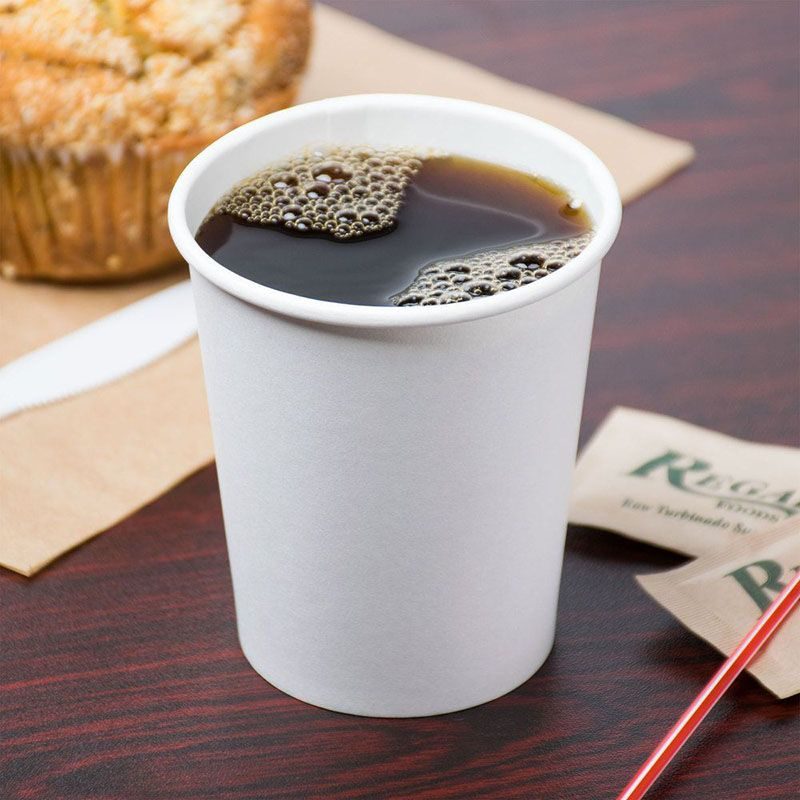
Cupstock paper is important in food and drinks. It is used for many kinds of packaging. Companies pick cupstock because it is strong and keeps out water. It is safe for food. The next parts show how cupstock paper is used in different ways.
Beverage Cup Applications From Hot Drinks to Cold Drinks:
Cafes and restaurants use cupstock paper for disposable cups. Single-sided PE coated cupstock stops leaks and keeps drinks hot. Double-sided PE coated cupstock is good for cold drinks like smoothies and ice cream. The table below shows main features:
| Performance Attribute | Description |
|---|---|
| Leak Resistance | Special coatings keep liquids from leaking. |
| Durability | The cup stays firm and does not bend. |
| Thermal Insulation | Drinks stay hot or cold as needed. |
Convenient Food Packaging Solutions:
Cupstock paper is used for boxes and containers for food. PE coated board and biodegradable cupstock are strong and block moisture. These materials keep food fresh. Food boxes often have nice printing for brands.
Take-Out Container Options for On-the-Go Dining:
Restaurants use cupstock for take-out containers. Single-sided PE coated cupstock keeps out water and handles heat up to 95°C. The right thickness keeps the container strong and stops leaks. Special coatings protect against hot soups and sauces.
| Specification | Details |
|---|---|
| Moisture Resistance | PE-coated cupstock keeps out water |
| Temperature Tolerance | Can handle heat up to 95°C |
| Structural Integrity | Thick paper stops leaks |
Dry Food and Snack Packaging That Preserves Quality:
Cupstock paper protects dry foods and snacks. It keeps snacks fresh and strong during shipping. Biodegradable cupstock is used for green packaging.
Soup and Noodle Bowls Designed for Preventing leakage:
Soup bowls need cupstock with special coatings. PE and PLA coatings stop leaks and keep bowls strong in heat. PLA-coated bowls break down in compost, helping the planet.
Bakery Packaging That Maintains Freshness and Appeal:
Cupstock paper is great for bakery packaging. It keeps baked goods fresh and lets bakeries print their logos. Biodegradable cupstock helps bakeries be more eco-friendly.
Ice Cream and Frozen Dessert Containers with Condensation Control:
Cupstock paper uses special barriers for ice cream and frozen treats. Many layers keep out water and keep desserts fresh.
Coffee Shop Scenarios: Meeting Daily Service Demands:
Coffee shops use cupstock paper for cups, containers, and tableware. PE and PLA coatings and food-safe paperboard meet their needs. Custom prints and logos help show off the brand.
Promotional and Branded Tableware for Marketing Impact:
Cupstock paper is used for branded and promo tableware. Light coatings make printing easy and bright. Disposable cups and containers show off brands in food and drink places.
Cupstock Paper Types: Comparison and Performance
Durability and Leak Resistance Across Different Types of Cupstock Paper
There are many types of cupstock paper. Each type has its own strengths. PE-coated cupstock paper is very strong. The PE coating makes a tough barrier. It keeps out water and grease. This is why it works well for hot and cold drinks. The cup stays strong and does not leak, even with lots of use. Uncoated cupstock paper soaks up liquid faster. This can make the cup wet and cause leaks, especially with hot drinks. Clay-coated cupstock paper blocks water better than uncoated paper. But it does not stop leaks as well as PE-coated paper. PLA and water-based coatings also stop leaks. They are good for cups that break down in compost.
- PE-coated cupstock paper: Best for stopping leaks and staying strong.
- Uncoated cupstock: Good for dry foods, not for drinks.
- Clay-coated cupstock: Works for snacks and cold drinks.
- PLA and water-based: Good for green, single-use cups.
Assessing Sustainability and Eco-Friendliness of Cupstock Paper Types
Sustainability is important when picking cupstock paper. PLA and water-based coated cupstock paper are better for the planet. These types break down or recycle easily. Bamboo cupstock is also green because bamboo grows fast.
Cost Considerations and Performance Evaluation of Different Cupstock Paper Types
Cost is important when picking cupstock paper. Companies need to think about price and quality. Strong types like PE-coated or bamboo cupstock cost more. But they work better. Recycled cupstock paper can cost more too. But it helps the planet and saves money later. Companies should look at strength, leak protection, and how green the paper is before choosing. This helps them pick the best one for their needs.
Tip: Pick cupstock paper by looking at strength, how green it is, and price. This helps you find the best one for your packaging.
Choosing the Right Cupstock Paper for Packaging
Sustainability and Eco-Friendly Choices for Cupstock Paper
Picking eco-friendly cupstock paper helps the earth. It also shows a company cares about nature. PLA and water-based coatings are better for the earth than PE coatings. These choices help companies reach green goals and attract customers who care about nature.
Intended Use, Performance Requirements for Cupstock Paper
Cupstock paper should fit what it will be used for. Companies need to know what the cup will hold and how it will be used. Pe coated cupstock is best for hot drinks. It stops leaks and keeps drinks warm. Double-sided pe coatings work well for cold drinks. They stop cups from getting soggy. PLA and water-based coatings are good for compostable cups. Some cups need two layers to keep drinks hot or cold. Others need special coatings for very hot or cold things. Good paper cups use strong materials to protect drinks. New cupstock uses strong coatings and green materials for better results.
Key points to think about:
- Two layers keep drinks hot or cold
- Holes let steam out
- Strong cups can be stacked
- Lids fit different drinks
- Special coatings help with heat or cold
Evaluating Price and Budget Considerations When Selecting Cupstock Paper
Price is important when picking cupstock paper. Companies should not just look at the first price. They need to think about how much value it gives over time. Good cupstock paper can cut down on waste and make a brand look better. Green options may cost more at first but can save money later. They also help meet customer needs for earth-friendly products. Companies should check the market and ask experts for advice. Balancing price, green features, and how well it works helps companies choose wisely.
Tip: Always look at the total value, not just the price. Green cupstock and pe coated types can save money over time and help your brand look good.
Cupstock paper comes in many types, each with special uses in food and drink packaging. Choosing the right cupstock helps companies meet safety, eco-friendly, and budget goals.
FAQ
What is cupstock paper made from?
Cupstock paper is made from wood pulp or bamboo fibers. Makers sometimes add PE, PLA, or clay coatings. These coatings make the paper stronger and stop leaks. They help the paper hold drinks and keep food safe.
Can you recycle cupstock paper?
Most uncoated and water-based coated cupstock paper can be recycled. PE-coated cupstock is harder to recycle because it has plastic. Not all recycling centers take every type. Always check your local rules before recycling.
Is cupstock paper safe for hot drinks?
Yes, cupstock paper with PE or PLA coatings is good for hot drinks. These coatings stop leaks and keep cups strong. Double walls give extra protection and make cups safer to hold.
How does bamboo cupstock compare to regular cupstock?
Bamboo cupstock grows much faster than wood pulp. It uses less land and is very strong. Many companies pick bamboo because it is better for the earth. Bamboo also has natural germ-fighting power.
Why do some cups use PLA or water-based coatings?
PLA and water-based coatings help cups break down in compost or recycle better. These coatings come from plants or water-based stuff. They help companies cut down on plastic waste and reach green goals.