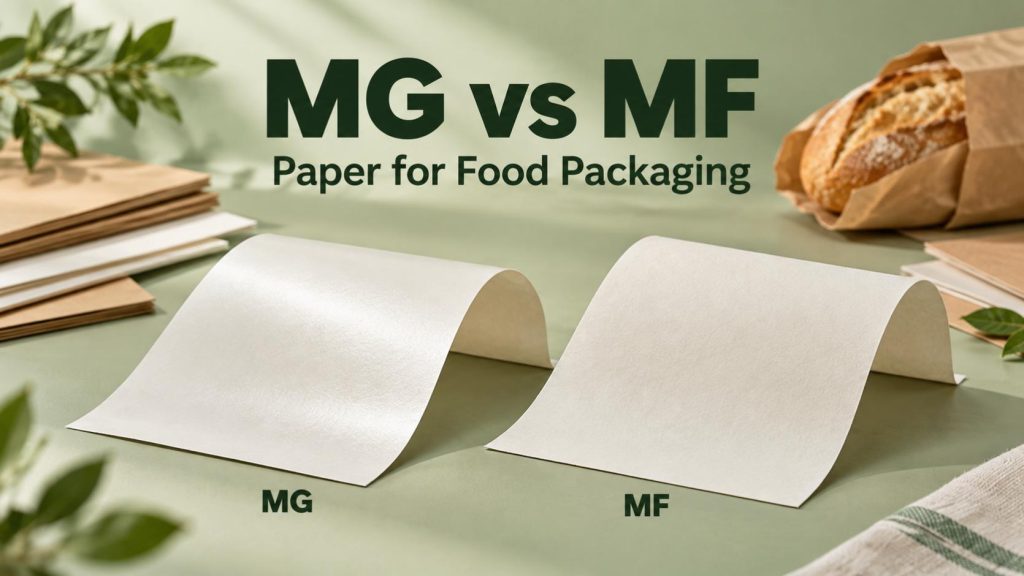
Choose MG paper when a distinctly smooth, glossy face suits your packaging design. Consider MF paper when a less glossy appearance fits the application. For either option, confirm the specific grade against your printing, food-contact and converting requirements.
MG and MF describe how paper is finished. These names alone do not tell you whether a sheet is grease-resistant, water-resistant or heat-sealable. For food wrapping converters and buyers, the useful comparison starts with the surface and continues with the performance of the finished packaging.
What MG and MF mean
MG paper
Machine-glazed paper typically develops its smoother, glossier face through contact with a polished heated drying cylinder, often called a Yankee cylinder. The reverse face is usually less smooth. This difference can be useful when one face carries the main printed design.
MF paper
Machine-finished paper is finished on the paper machine, typically with machine calendering. It generally has a less glossy appearance than the glazed face of MG paper. Smoothness and the difference between its two faces vary by grade, so inspect both sides rather than assuming they are identical.
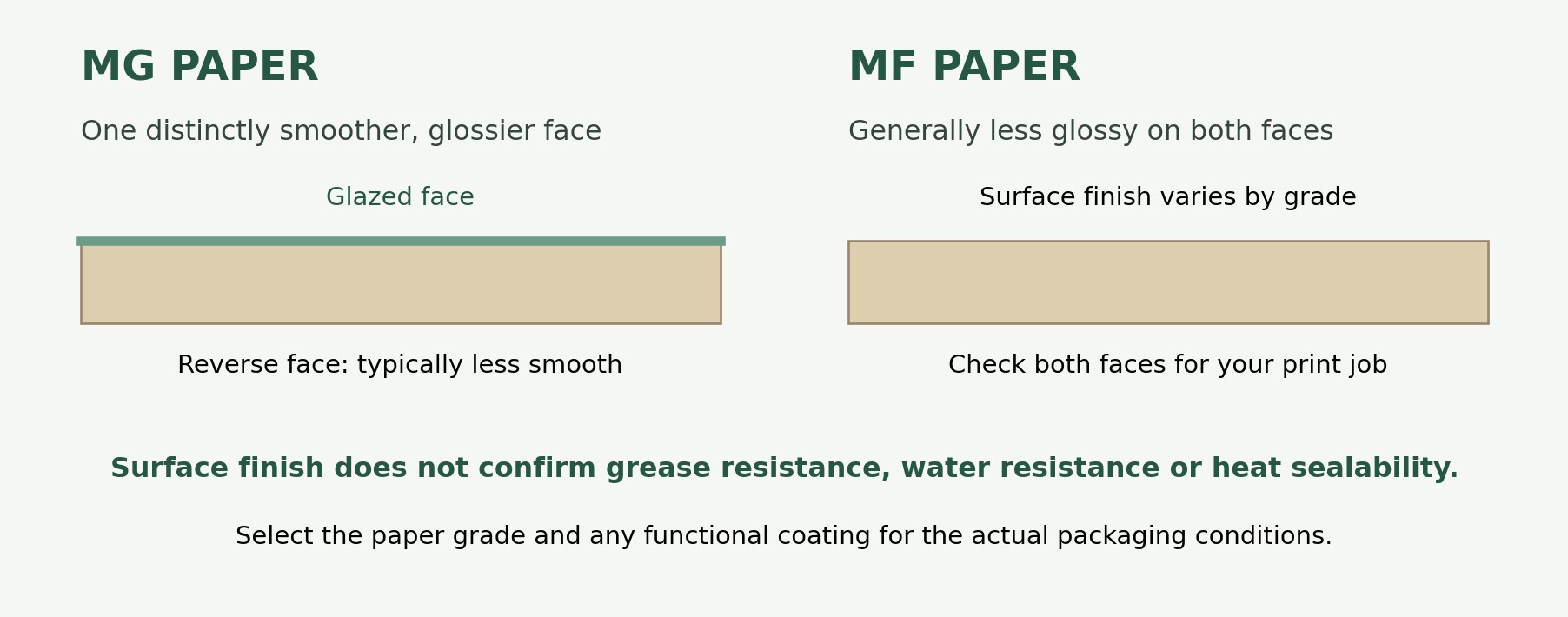
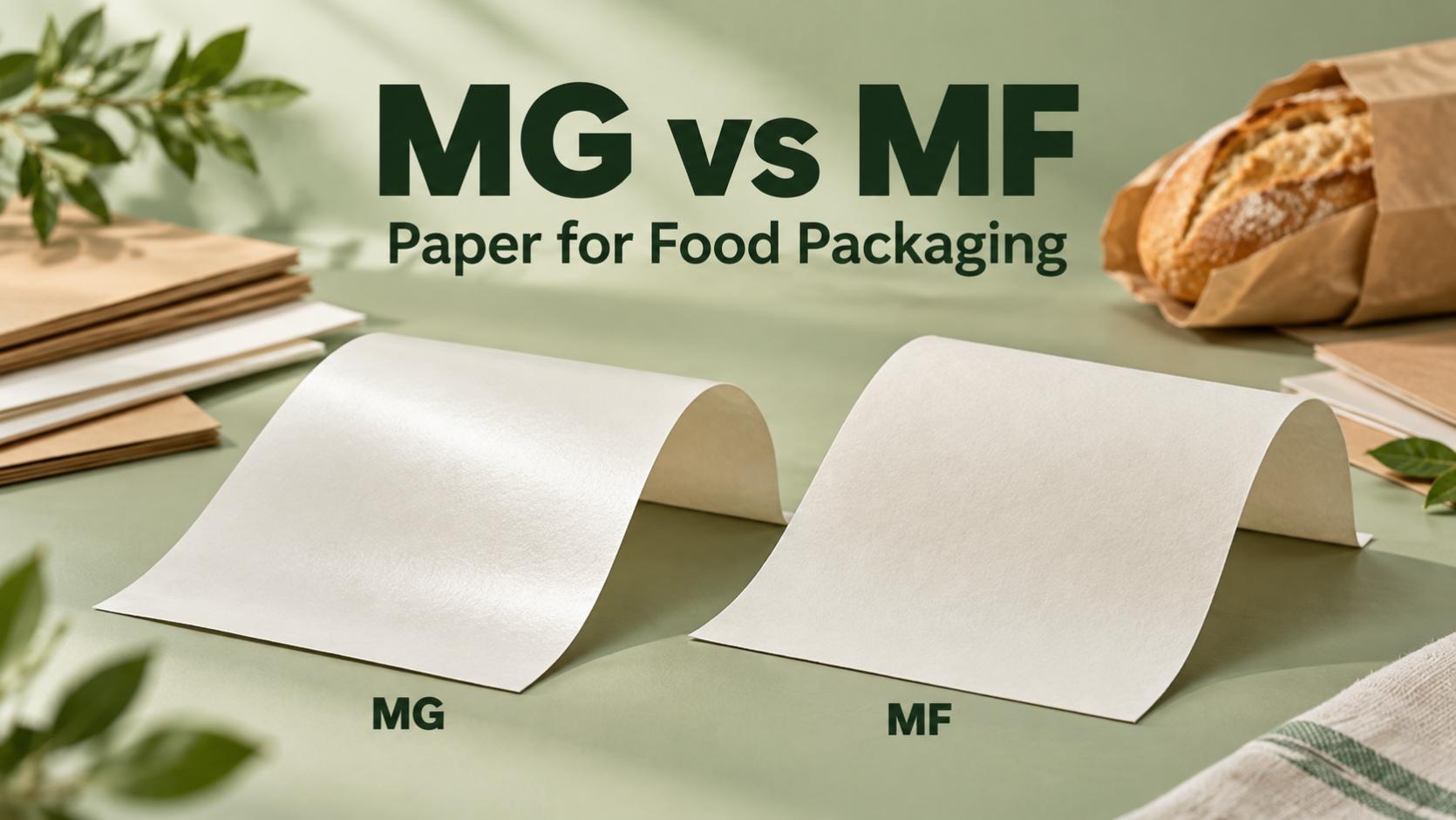
Figure 1. Simplified surface comparison. The illustration shows finish differences, not a barrier coating or a measured paper structure.
MG and MF at a glance
| Selection factor | MG paper | MF paper |
| Surface appearance | One face is typically smoother and glossier. | Generally less glossy; surface quality varies by grade. |
| Printing | Assess the intended print face and the reverse if needed. | Assess each face when printing on both sides. |
| Barrier performance | Confirm the grade, treatment or coating. | Confirm the grade, treatment or coating. |
| Strength and thickness | Compare actual specifications and samples. | Compare actual specifications and samples. |
| Converting | Trial the selected grade on your equipment. | Trial the selected grade on your equipment. |
| Price | Compare the price per metric ton for the required specification. | Compare the price per metric ton for the required specification. |
Printing and converting checks
A smooth MG face can be a useful starting point for clear logos and detailed graphics. However, ink adhesion, drying and rub resistance depend on the actual paper surface, ink system and press settings. The reverse face may also be printable; confirm the result with the intended artwork.
MF can be considered for designs printed on one or both sides. For double-sided work, check show-through, colour reproduction and ink transfer when the paper is stacked or wound. A matte appearance does not guarantee identical printing on both faces.
For either finish, confirm reel width, core size, reel diameter and winding direction. During trials, check feeding, web breaks, curl, folding and bond quality at the intended speed. Neither MG nor MF is automatically stronger, stiffer or better suited to a high-speed line.
Barrier needs come before the finish
A glossy surface is not a substitute for a verified barrier specification. Ordinary MG paper should not be assumed suitable for oily or wet foods, and MF paper should not automatically be ruled out when an appropriate treatment or coating is available.
For greasy foods, assess resistance to oil penetration under the intended contact time and temperature. For moist foods, check the relevant water-resistance or moisture-barrier requirements. These are different properties, and one result does not establish the other.
PE coating can add resistance to liquid water and grease to a suitable base paper. Performance depends on coating structure and coverage as well as the finished package. If heat sealing is required, confirm the sealable face and validate the sealing conditions on your equipment. Uncoated MG or MF paper should not be assumed heat-sealable.
How to choose for common applications
Bread bags and dry food bags
Consider MG when a smoother outer face supports the printed design, or MF when a less glossy appearance is preferred. Check bag strength, closure and filling performance. For bakery products, also consider cooling before packing, moisture release and storage time; surface finish alone does not establish shelf life.
Burger wraps and other greasy food wraps
Start with the food-contact conditions and required grease resistance. Assess a suitable grease-resistant paper or coated structure, then choose the surface finish and printing arrangement. Test the finished wrapper with the actual food, including warm fillings and the expected holding time.
Printed wrapping sheets
Identify which face is printed and which face contacts food. Check folding, print rub and transfer between stacked sheets. If both faces carry a design, compare samples printed on both sides before deciding between MG and MF.
Base paper for coating or lamination
Select the base paper with the coating or laminating process in mind. Confirm the working face, coating adhesion and finished-sheet behaviour with the converter. Specify base paper GSM and coating weight separately to avoid confusing them with total GSM.
What to confirm before a bulk order
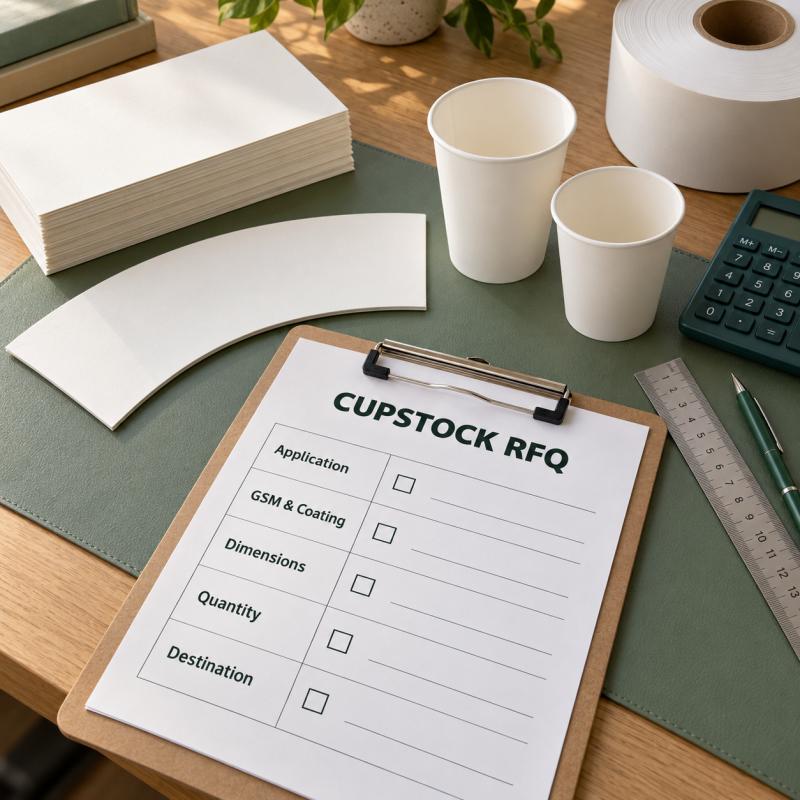
Keep the enquiry practical. Share the packaging use, required GSM, white or brown colour, reel or sheet dimensions, printing needs and whether PE coating is required. If you are replacing an existing material, a reference sample can help identify the right starting point.
Request the relevant specification sheet and food-contact documentation for the selected paper and any coating. Confirm that the documentation covers the intended food type, contact conditions and destination market. MG or MF describes the finish; it is not a food-safety certification.
Compare quotations per metric ton for the specification you need. Then test samples through printing and converting, followed by a check of the finished pack with the actual food. Record the approved specification and trial settings so the bulk order can be checked against the same requirements.
Frequently asked questions
Is MG paper the same as greaseproof paper
No. MG identifies a surface finish. Greaseproof describes resistance to grease penetration. A paper may combine these characteristics, but the MG designation by itself does not confirm grease resistance.
Can both MG and MF paper be used for food contact
Suitable grades of either type can be used. Confirm the specific paper, coating and finished packaging for the intended conditions, rather than relying on the finish name.
Is MF paper always cheaper than MG paper
No. Price depends on the grade, fibre furnish, GSM, treatments and order specification. Compare current per-ton quotations for options that meet the same application requirements.
Which GSM should I choose
There is no single GSM range that defines either finish. Start with the packaging size, required strength, folding behaviour and any coating. Compare samples at suitable weights and confirm available grades with the supplier.
Find the right paper for your packaging
Sure Paper can help you compare MG and MF options for your food packaging application. Send us your intended use, GSM, colour, dimensions and coating requirements to discuss suitable samples and receive a quotation per metric ton.
Explore MG and MF paper options
Paper solutions for food wrapping and baking paper converters