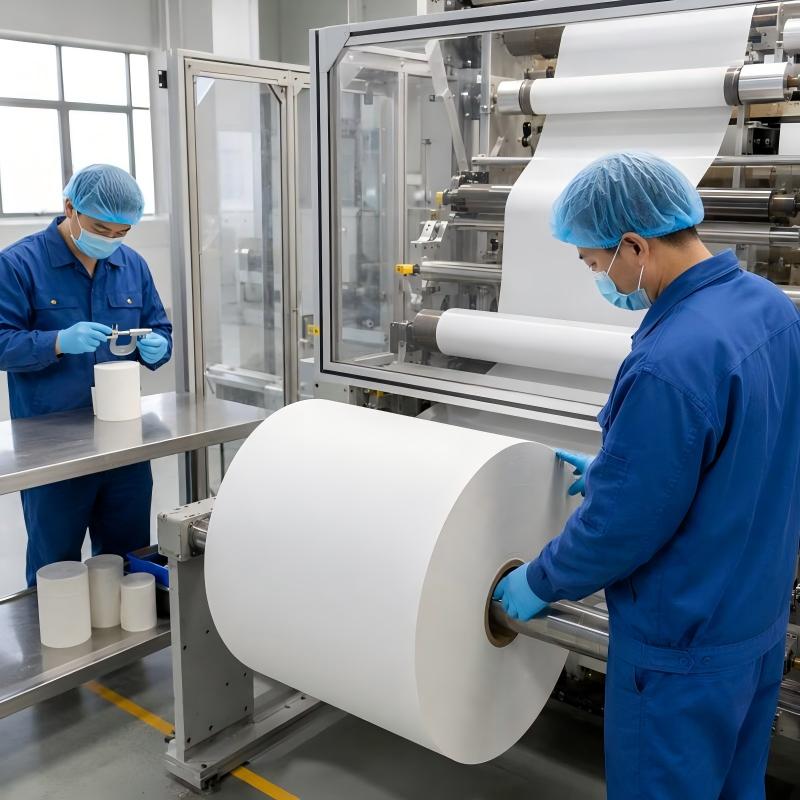
It’s a common frustration for food packaging procurement teams: you send the exact same paper specification sheet to multiple suppliers, and receive quotes with surprisingly wide price gaps. It’s tempting to pick the lowest offer to cut costs, but matching numbers on a spec sheet rarely means matching real-world performance.
The truth is, “same specification” only describes surface-level parameters. Behind every price tag are huge differences in raw material quality, production standards, cleanroom compliance, supply chain reliability and after-sales support. Choosing the cheapest quote often leads to production line downtime, food safety risks and higher long-term total costs.
This guide breaks down exactly why food packaging paper suppliers quote differently, and how to compare quotes fairly to get the best long-term value.
Key Takeaways
- Virgin wood pulp delivers higher tensile strength and consistent barrier performance than recycled fiber, but comes with a higher raw material cost.
- Food-grade cleanroom production and third-party safety certifications add upfront cost, but prevent contamination and regulatory compliance risks.
- Larger order volumes reduce per-unit costs by spreading fixed production setup expenses across more material.
- Hidden costs including protective packaging, freight and inventory risk make up a significant share of total procurement cost.
- Smart procurement teams evaluate total cost of ownership, not just unit price, to ensure long-term food safety and operational stability.
Raw Material Quality: The Biggest Price Driver for Food Packaging Paper Suppliers
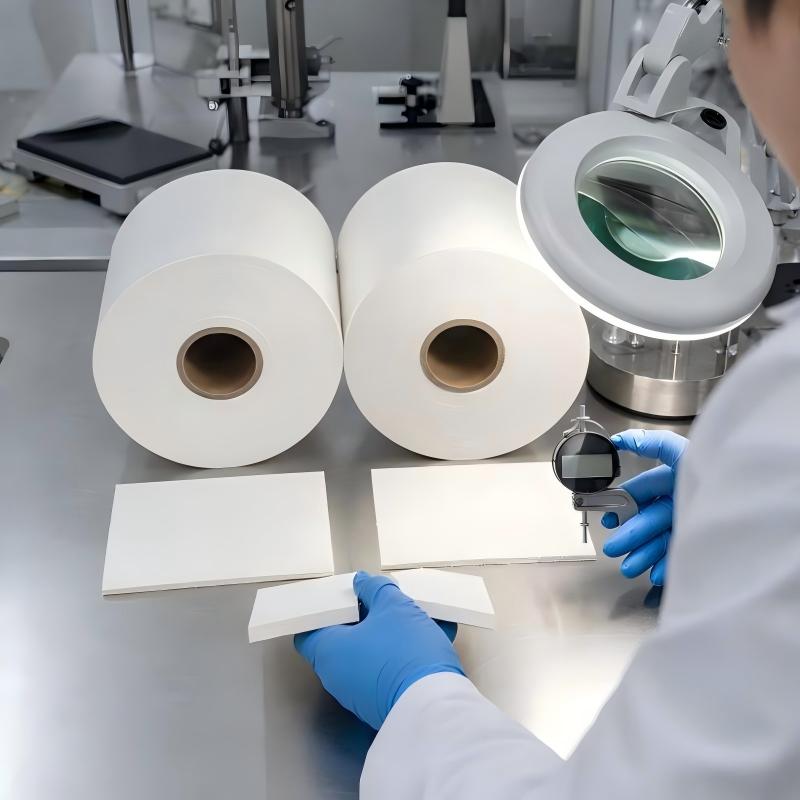
Specification sheets only list basic metrics like grammage and size, but raw material quality varies widely between suppliers — and it is the single largest cause of price differences.
Virgin Pulp vs. Recycled Fiber Ratios
| Fiber Type | Tensile Strength | Barrier Consistency | Chemical Migration Risk |
|---|---|---|---|
| Virgin Wood Pulp | Very High | Excellent | Negligible (food-grade compliant) |
| Recycled Fiber | Low | Variable | Potential trace contamination risk |
Virgin pulp uses long, intact fibers that create a stronger, more uniform paper structure. It absorbs coatings evenly for consistent grease and moisture resistance, and carries no risk of residual ink or chemicals from previous use. Recycled fiber cuts upfront cost, but has shorter, weaker fibers and variable quality, which can cause uneven barriers and higher breakage rates on high-speed packaging lines.
Fiber Origin and Structural Performance
Not all virgin pulp delivers equal performance. Fiber from northern softwood trees grown in cold climates has denser, longer fibers that deliver significantly higher tensile and tear strength. This makes paper more durable for shipping and high-speed production, but comes at a higher raw material cost. Hardwood fibers, by contrast, are shorter and lower cost, but produce structurally weaker paper.
Coating and Additive Quality
For functional papers like greaseproof, cupstock, parchment and foil-backed grades, coating quality directly determines real-world performance. High-precision, uniform polymer coatings create reliable moisture and grease barriers, but require advanced equipment and higher-grade chemical additives. Lower-cost uneven coatings can lead to grease leaks, shortened shelf life and food safety risks.
Production Capability and Process Standards of Food Packaging Paper Suppliers
Two suppliers can use the same raw material, but produce very different quality paper based on their equipment and process controls.
Converting Precision and Line Compatibility
High-speed food packaging lines run at hundreds of meters per minute, and require extremely precise paper dimensions, clean edges and consistent tension. Low-precision cutting causes paper breaks, dust buildup and unplanned downtime, the cost of which far outweighs any initial price savings.
| Factor | Standard Converting | High-Precision Food-Grade Converting |
|---|---|---|
| Speed Tolerance | Basic line speed compatibility | Consistent performance on high-speed lines |
| Dust Control | Standard air filtration | HEPA-filtered cleanroom production |
| Edge Precision | Basic cut quality | Dust-free, precision slitting |
Cleanroom Production for Food Safety
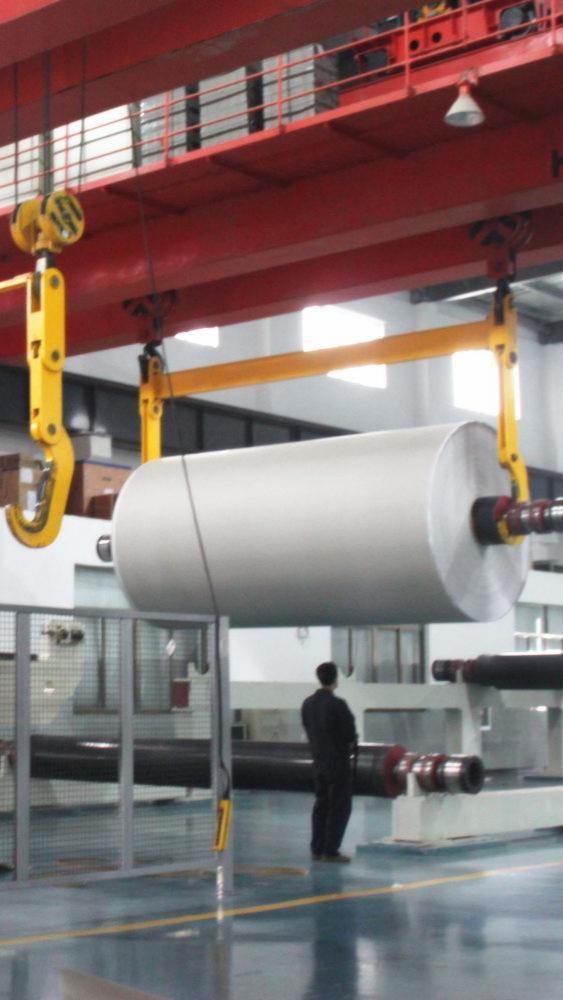
Food contact paper must be produced in controlled, clean environments to avoid contamination from dust, microbes or foreign objects. Building and maintaining food-grade cleanrooms adds significant operational cost, which is reflected in higher per-unit pricing. Cheaper quotes often come from standard production facilities without dedicated food-safe production zones, creating hidden food safety risks.
Compliance Certifications and Quality Assurance From Food Packaging Paper Suppliers
For food packaging, regulatory compliance is non-negotiable, and achieving and maintaining industry certifications adds ongoing cost for suppliers.
Reputable suppliers invest in regular third-party audits for standards like FDA food contact compliance, FSC responsible sourcing, and BRCGS food safety. These audits, ongoing raw material testing and in-process quality control add overhead cost, but ensure your packaging meets global food safety regulations and avoids costly compliance failures.
Suppliers with lower prices often skip formal certifications or only conduct minimal testing, leaving you exposed to regulatory penalties and brand reputation risk.
Hidden Costs Beyond Unit Price When Choosing Food Packaging Paper Suppliers
The per-unit price on a quote is only part of your total procurement cost. Many suppliers cut upfront prices by skimping on protections that prevent far more costly issues later.
Minimum Order Quantity and Setup Costs
Every production run requires fixed setup costs for machine changeover, calibration and material preparation. For small orders, these fixed costs are spread across fewer units, driving up the per-unit price. For large volume orders, the setup cost is distributed across more material, resulting in a lower unit cost.
- Small volume orders → concentrated setup expense → higher unit price
- Large bulk orders → distributed setup expense → lower unit price
Protective Packaging and Freight
Paper rolls are vulnerable to moisture damage, edge damage and contamination during shipping. Premium suppliers use heavy-duty multi-layer moisture barrier wrapping and reinforced pallets to protect material in transit, especially for long-distance ocean freight.
Cheaper quotes often use minimal protective packaging, which can result in damaged, unusable rolls upon arrival. Shipping method (air vs. ocean) and distance also create significant price differences.
| Shipping Factor | Standard Freight | Premium Protective Delivery |
|---|---|---|
| Moisture Barrier | Basic poly-film | Heavy multi-layer film |
| Pallet Strength | Light wooden frame | Reinforced heavy-duty frame |
| Delivery Risk | Standard freight liability | Guaranteed intact delivery |
Inventory and Supply Chain Reliability
Suppliers that maintain local, climate-controlled inventory can guarantee faster delivery and protect you from raw material price volatility and supply chain disruptions. Maintaining large ready-stock inventory requires significant warehouse and quality control investment, but it shields buyers from price spikes and production delays.
Cheaper suppliers often operate on a made-to-order basis with no buffer stock, which creates higher risk of delivery delays and unplanned downtime for your operation.
Value-Added Services That Make Food Packaging Paper Suppliers More Valuable
Higher-priced quotes often include services that reduce your operational costs and risk over time, making them better value long-term.
Custom Converting and Size Flexibility
Precision custom slitting to your exact line specifications reduces material waste and improves line efficiency. Suppliers with flexible minimum order quantities also allow you to order what you need, without overbuying to meet high volume thresholds.
Technical Support and Quality Assurance
Trusted suppliers provide dedicated technical support to help you troubleshoot line issues, optimize material performance and conduct quality testing. Proactive quality checks prevent defective batches from reaching your facility, reducing downtime and material waste.
Flexible Payment and Supply Terms
Suppliers may adjust pricing based on payment terms, order frequency and long-term contract commitments. Longer credit terms may come with a slightly higher unit price, but can improve your cash flow. It’s important to evaluate total value, not just the sticker price.
How to Compare Supplier Quotes Fairly
To avoid the trap of misleading low quotes, evaluate total value instead of just unit price. Follow these three core steps:
- Request physical samples to test real-world performance on your production lines, rather than relying only on paper specifications.
- Verify certifications and production standards to ensure compliance with applicable food safety regulations.
- Calculate total cost of ownership, including shipping, expected waste rates, downtime risk and support services.
Conclusion
At the end of the day, there is no “unfair” price difference in food packaging paper — you get what you pay for. A lower quote almost always means tradeoffs in raw material quality, food safety standards, production precision or supply reliability.
For food packaging, the cost of a failure — whether it’s a food safety incident, product recall, production downtime or regulatory non-compliance — is always far higher than the initial savings from a cheaper quote. Working with a reliable, transparent supplier that shares full specification and process details will deliver more consistent quality and lower long-term total cost.
FAQ
Why do suppliers give different prices for the exact same paper specification?
Spec sheets only cover basic parameters like weight and size. They don’t capture differences in raw material quality, production precision, cleanroom standards, certification status and supply chain reliability — all of which drive cost and real-world performance.
How does order volume affect the price per unit?
Every production run has fixed setup costs for machine changeover and calibration. For large orders, these costs are spread across far more units, significantly reducing the per-unit price. Small orders carry the same fixed setup cost, so each unit costs more.
What hidden costs should I look for in paper packaging quotes?
The most common hidden costs are inadequate protective packaging that leads to damaged goods, unexpected freight fees, and no quality guarantees that leave you paying for defective material. Delivery delays and production downtime from low-quality paper also carry very high indirect costs.
How can I fairly compare quotes from different packaging paper suppliers?
Don’t compare unit price alone. First, test samples on your production lines to verify performance. Second, confirm all required food safety certifications and production standards. Third, calculate total cost including shipping, minimum order requirements and expected waste rates.
Is it worth paying more for a certified food packaging paper supplier?
Yes, for almost all food applications. The cost of a food safety incident, product recall or regulatory penalty is exponentially higher than the premium for certified, food-grade material. Reputable certified suppliers also provide more consistent quality and lower long-term operational risk.