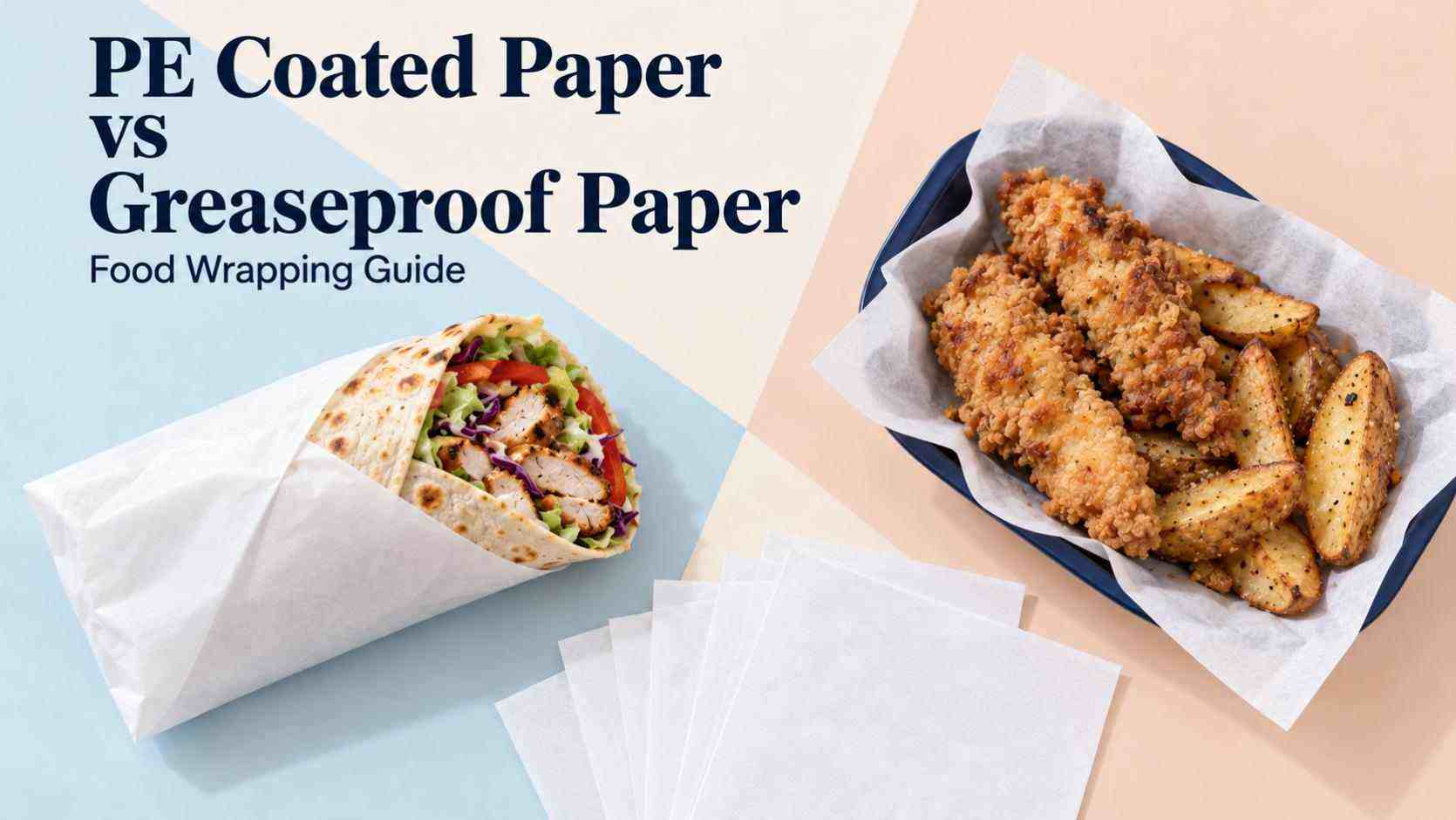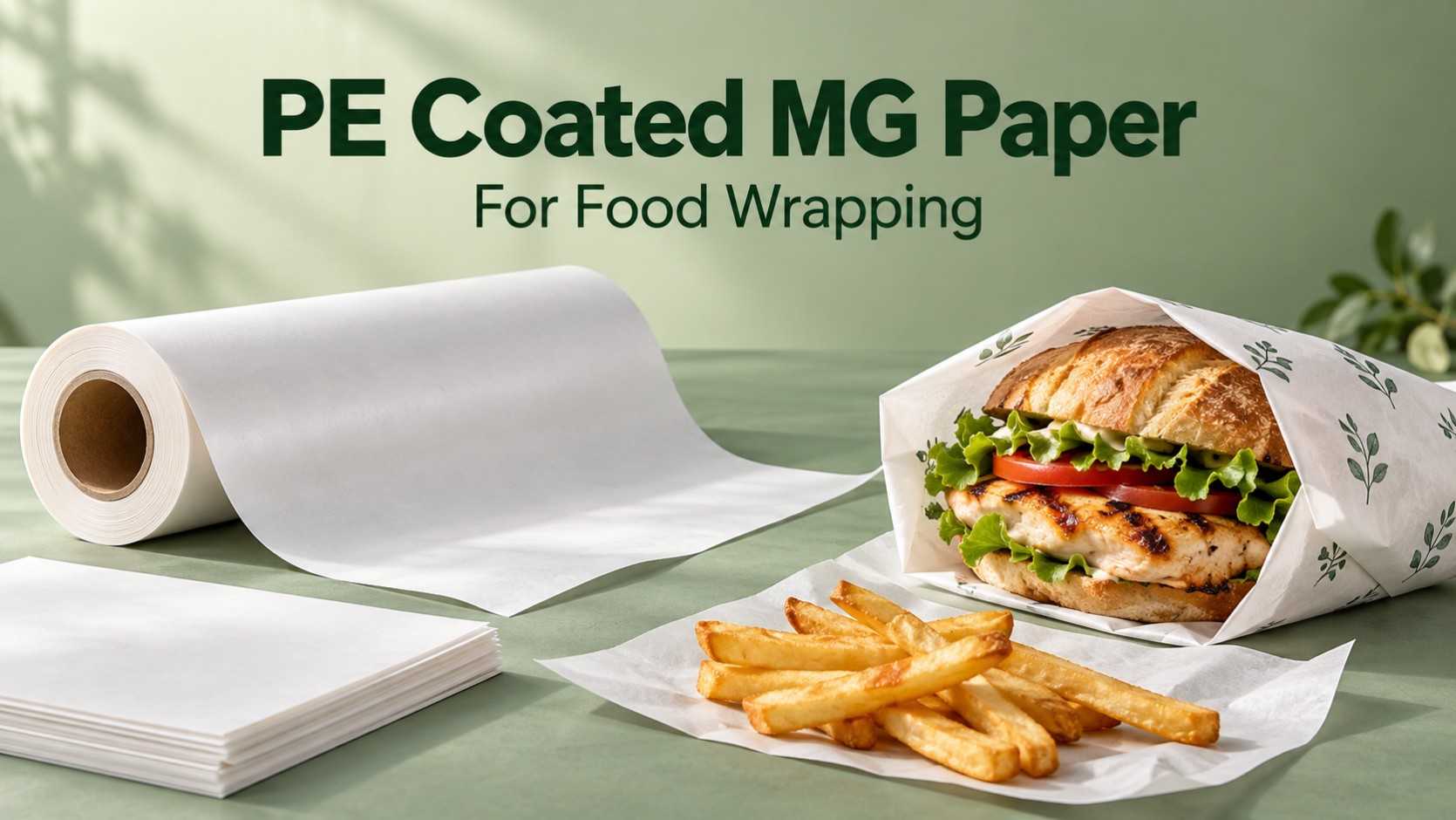
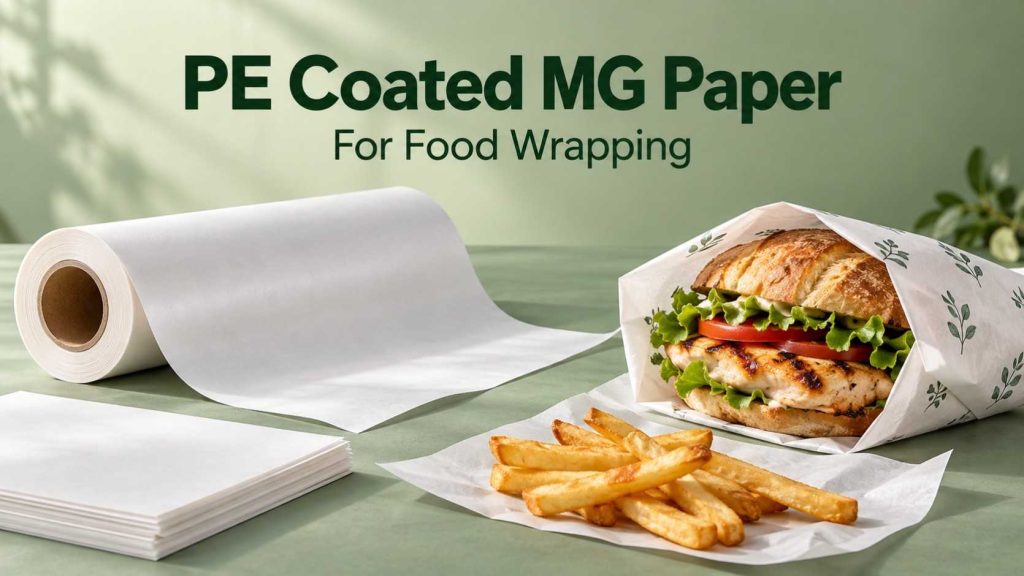
PE coated MG paper combines a machine-glazed paper base with a polyethylene layer applied by extrusion coating. It is used for food wraps, bags and liners where the package needs a printable paper surface together with grease and moisture resistance.
Choosing the right grade starts with the food, contact temperature and time, and the way the package is folded or sealed. Base paper weight and PE coating weight matter, but neither alone proves that a material is suitable for the intended use.
Key takeaways
- The paper base contributes strength, handling and print quality; the PE layer provides grease and moisture resistance and can serve as a heat-sealing layer.
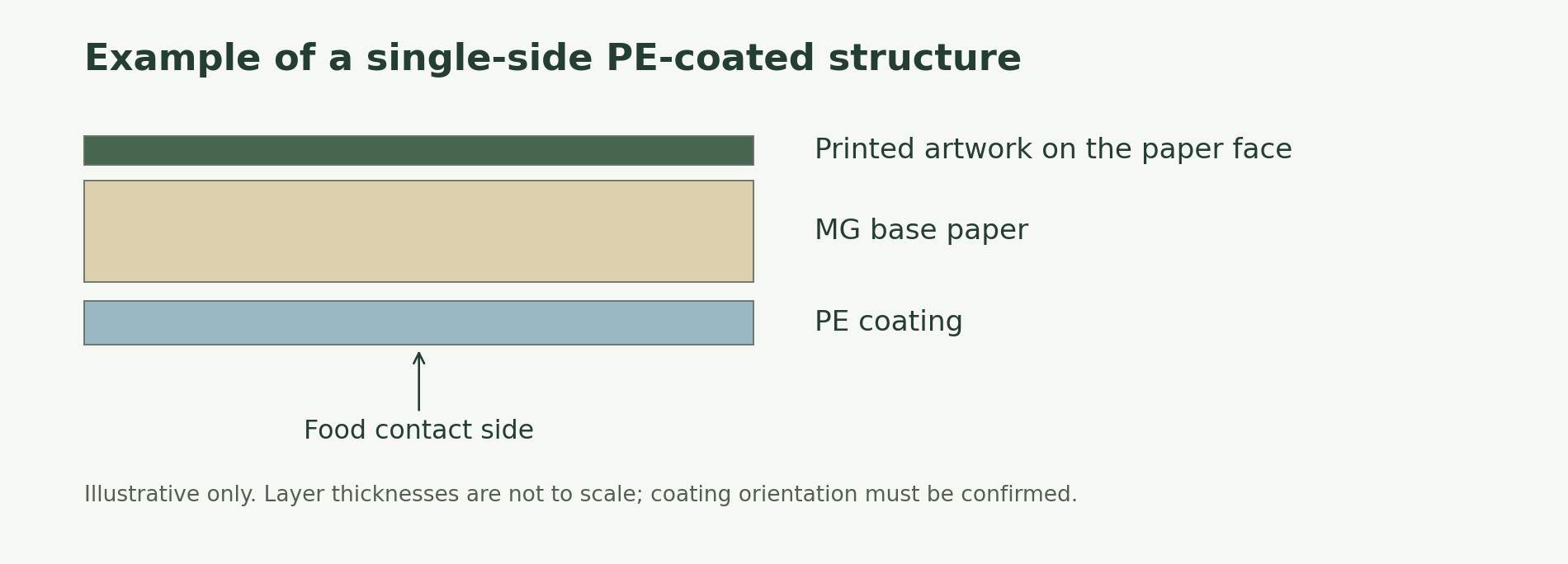
- Single-sided and double-sided PE coatings suit different structures. Confirm the printing face and the food-contact face before ordering.
- Barrier performance and seal quality depend on the complete structure and actual processing conditions.
- Approve samples using your food and converting process, and request documentation for the intended market and use.
How the material is constructed
MG means machine glazed. The base paper typically has one smoother, glossier face and a less glossy reverse. PE can be applied to one or both sides. In one common configuration, printing is placed on the exposed paper face and PE faces the food; this arrangement should be confirmed rather than assumed.
MF paper can also be PE coated. It generally has a more matte appearance, but surface properties and differences between the two sides vary by grade. Neither MG nor MF alone guarantees better coating adhesion, stronger paper or a lower price.
Related guide: MG vs MF Paper — Which Should You Choose for Food Packaging?
What the PE layer does
Grease and moisture resistance
A continuous PE layer helps resist grease and liquid moisture and reduces water-vapour transmission. It is not an absolute barrier. Resin selection, coating coverage, pinholes, folds and exposed paper edges can affect performance, so test the finished wrap or bag under its intended conditions.
Heat sealing where the format requires it
A suitable PE layer can enable heat sealing. Confirm which surfaces meet at the seal: a PE-to-PE seal and a PE-to-paper overlap do not necessarily behave the same way. Seal temperature, pressure, dwell time and contamination at the seal all matter. Validate seal strength and leakage where relevant on the actual equipment.
Folded hamburger and sandwich wraps often do not need a heat seal. For these formats, foldability, grease resistance and handling may be more useful selection criteria.
Strength and converting performance
The coating can change flexibility and mechanical performance, but improved tear or puncture resistance should not be assumed for every grade. Compare samples for tearing, puncture, folding, coating adhesion and feeding behaviour under your operating conditions.
Printing considerations
The smooth MG face can provide a useful printing surface. If printing is required directly on PE, confirm surface treatment and ink compatibility. Check ink adhesion, rub resistance, odour and set-off in the finished stack or reel, especially where printed surfaces may contact the food-contact face.
Common food wrapping applications
Fast food wraps and liners
Burger, sandwich and takeaway liners are practical applications where grease resistance and flexibility are important. Test with the actual food, serving temperature and holding time. Inspect folds and corners as well as the flat sheet for staining or damage.
Bakery bags and wrappers
PE-coated paper can help control moisture exchange, but the coating changes the breathability of the original paper. Warm products may create condensation. Choose the packaging format around the cooling process and desired texture, then assess the product during storage instead of assuming a longer shelf life.
Confectionery and dry food packaging
Some confectionery wraps and dry food packs can use PE-coated paper when its barrier and sealing properties meet the product requirements. Chocolate fat bloom also depends on tempering, fat migration and storage temperature; a PE layer alone does not prevent it. Products needing high oxygen or aroma protection may require a different structure.
Liquid condiment sachets and long-life packs need separate assessment of the complete barrier and seal system; ordinary paper with a PE coating should not be treated as universally suitable.
PE coated paper or PE coated board
Flexible MG paper suits wraps, bags and liners. Paperboard is more appropriate when a tray or container needs structural support. Double-sided coating may be used to protect against moisture on both faces, including external condensation, rather than only where both sides touch food.
Specifications to confirm before ordering
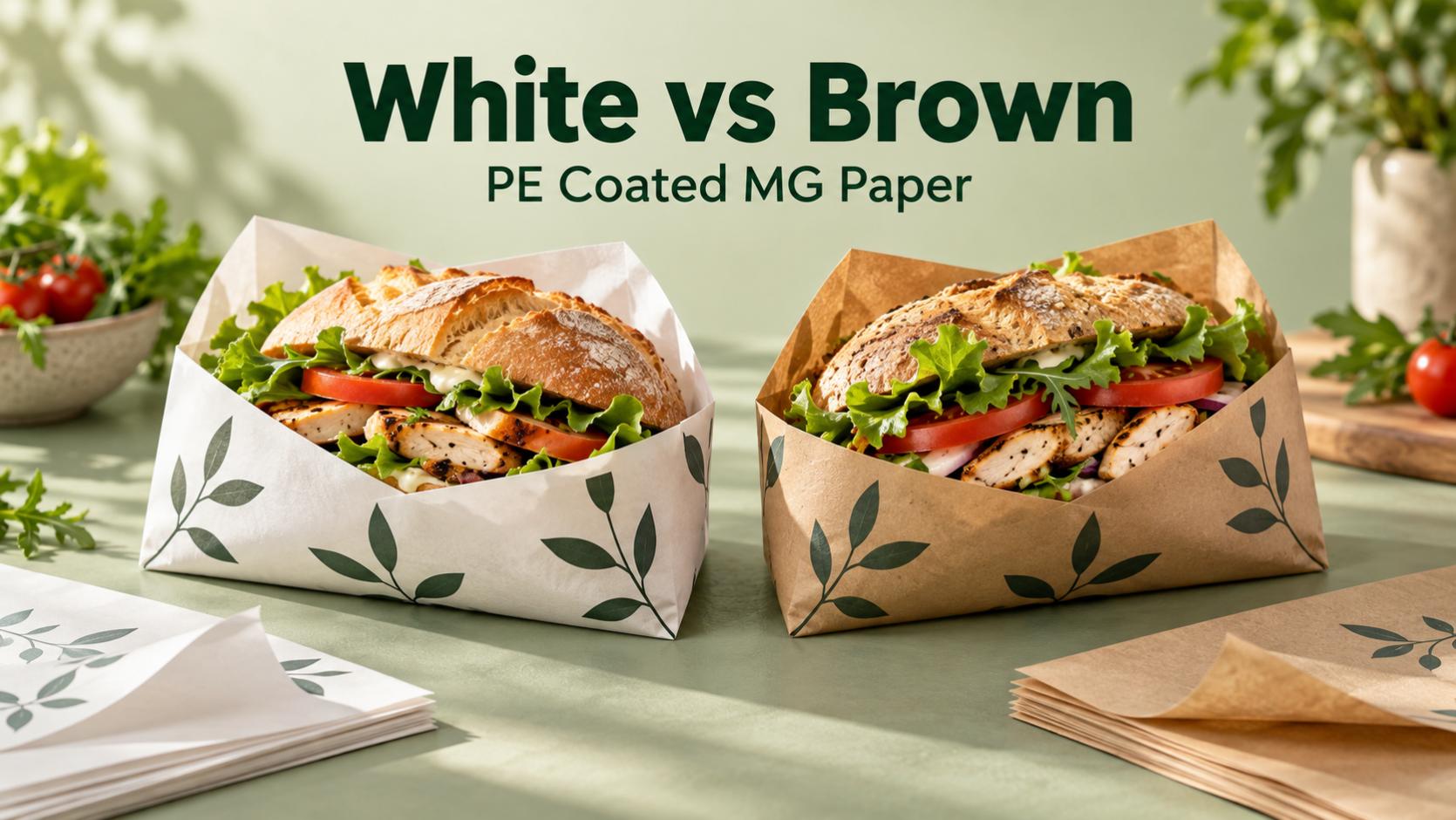
- Base paper: MG or MF, white or brown, basis weight and relevant strength requirements.
- PE coating: resin grade where relevant, single or double sided, and coating weight on each side.
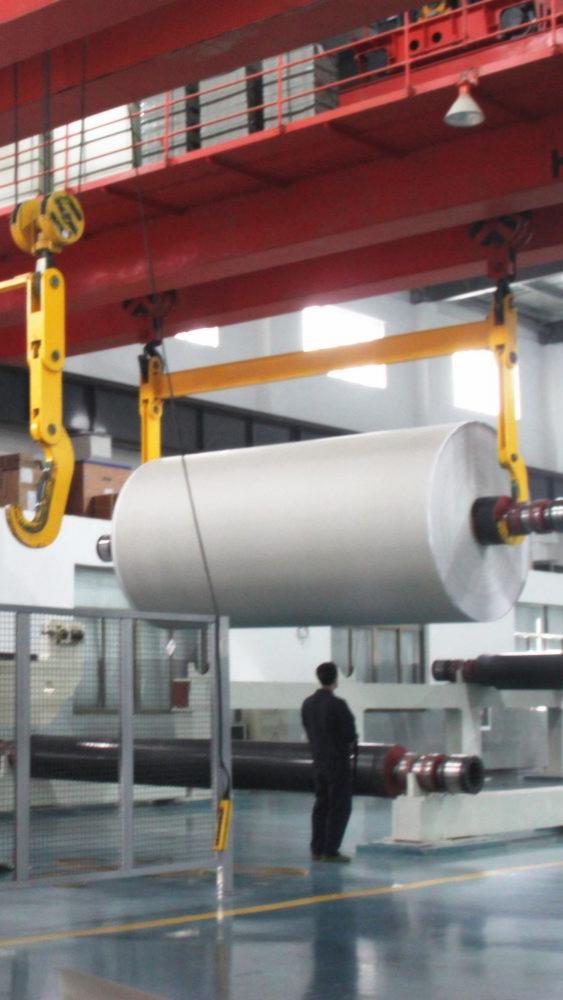
- Finished format: reel width or sheet dimensions; for reels, core size, maximum diameter and winding direction.
- Application: food type, contact temperature and time, printing face and any sealing requirements.
Keep base paper and PE weights separate. For example, 40 gsm paper plus 15 gsm PE on one side gives a nominal total of 55 gsm. This is a specification example, not a recommendation for every food or temperature. A heavier coating alone does not establish suitability for hot filling.
Food contact documentation
Request compliance information covering the finished structure and its intended use, including the paper, PE and any inks or other components that may affect food-contact safety. The documentation should identify relevant food types and contact conditions.
For the US, relevant provisions may include 21 CFR Part 176 for paper and paperboard and 21 CFR 177.1520 for olefin polymers, together with applicable requirements for other components. Ask for a supplier compliance statement and supporting information, rather than a generic “FDA certificate.”
For the EU, consider Regulation (EC) No 1935/2004, applicable good manufacturing practice requirements and the provisions of Regulation (EU) No 10/2011 relevant to the plastic layer. Request applicable declarations and test evidence for the intended structure and use. FSC certification, if requested, concerns fibre sourcing and does not replace food-contact documentation.
EU food-contact packaging is also subject to the PPWR PFAS restrictions applicable from 12 August 2026. Ask for relevant supplier declarations and testing evidence. Total fluorine screening alone does not establish compliance with all of the regulation’s PFAS limits.
Storage and sample checks
Keep reels clean, dry and protected from heat, direct sunlight and contamination. Follow supplier storage guidance and use stock in sequence. Where printing on treated PE is planned, confirm the recommended storage interval and check print adhesion before production.
Before a bulk order, inspect coating continuity, adhesion, odour, curl, blocking and reel edges. Trial the paper through printing, cutting, folding or sealing as required, then evaluate the finished pack with the actual food. Retain an approved sample and agreed specification for future deliveries.
Frequently asked questions
Does a heavier PE coating always perform better?
No. Coating weight is only one factor. Resin, coating continuity and package construction also affect performance. Compare samples under the same test conditions.
Can PE coated MG paper be used for hot food?
Some grades may suit specific hot-food applications. Confirm the intended temperature and contact time with the supplier and validate the finished package. Do not assume suitability for ovens or microwaves.
Request samples and a quotation
Send Sure Paper your food application, preferred base paper and PE weights, reel or sheet dimensions, and order quantity. We can help you review suitable options and arrange samples for evaluation. Quotations are provided per metric ton.