
For Paper Bag Manufacturers
Paper Bag Manufacturers: Paper Strength, Printability & Converting
Paper bag manufacturers need paper that balances strength, printability, folding performance, and efficient converting. As a paper supplier, Sure Paper offers MG and MF paper options, kraft paper, and PE-coated grades for packaging applications, helping converters evaluate materials against their product requirements and production conditions. The right specification can help reduce avoidable converting problems while supporting consistent bag quality and attractive printed packaging.
- MG White Paper
- MF White Paper
- Brown Kraft Paper
- White Kraft Paper
- Greaseproof Paper
- PE Coated Paper
- Roll & Sheet Formats
- Width & GSM Customization
15+ years
Paper supply experience since 2011 — grade knowledge across mills
18
Finishing machines for slitting, cutting, laminating & custom supply formats
Custom Sizes
Roll widths and sheet sizes tailored to your converting requirements.
Sample Support
A4 samples for material review, with trial rolls available by arrangement.
Production Solution
Paper Bag Converting Problems? Start With the Issue
Find the issue below and see which material details to check. Share your current specification and a photo or sample of the problem so we can review suitable paper options.
01
Identify the Issue
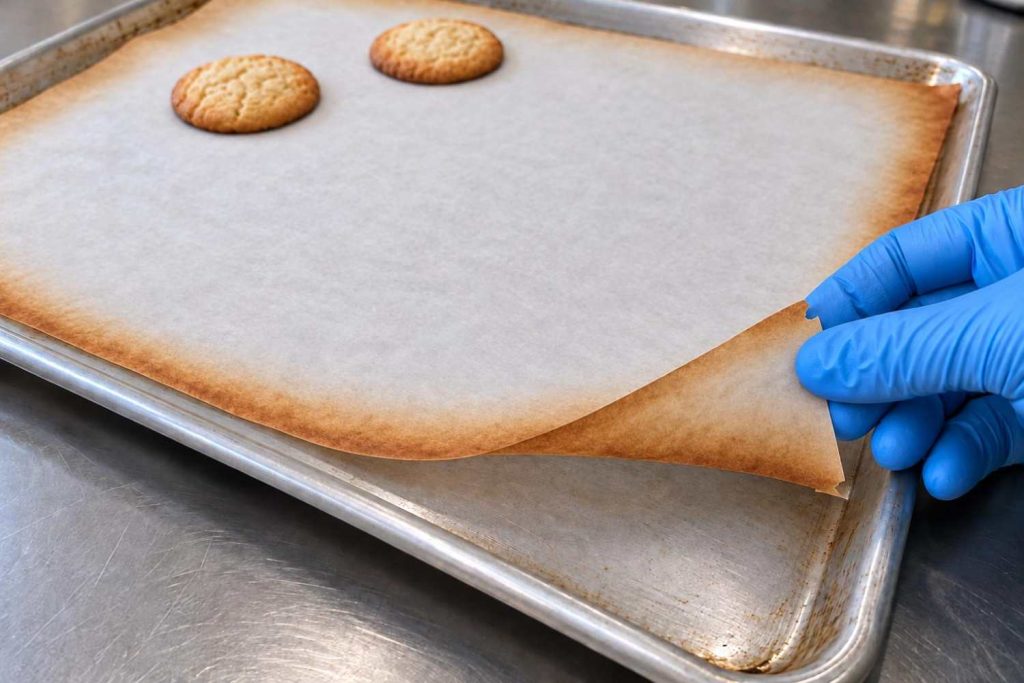
Tell us where the problem occurs—during printing, converting, wrapping or baking. Share a photo and the working conditions to help us understand what is happening.
02
Review the Material
Send your current paper grade, GSM and coating details, or a sample for reference. We review these against your application and equipment requirements to suggest suitable options.
03
Test a sample
Evaluate the suggested paper with your actual food or on your converting line. Check the results and share your feedback before confirming the specification for bulk orders.
Common Converting Issues & Our Response Routes
Bag Tearing & Insufficient Paper Strength
Paper tears during bag making or does not meet the strength requirements of the finished bag.
What to check
The current GSM, tensile strength, tear resistance, intended bag use, and production conditions.
How we can help
We can help you review available MG/MF and kraft paper options against your required strength properties and bag specifications.
What to send us
Your current paper grade, GSM, bag type, required strength specifications, and details of the tearing problem.
Poor Glue Bonding & Seam Problems
Bag seams fail to bond properly or become unstable during converting.
What to check
The paper surface, adhesive type, bonding conditions, and the point where the seam fails.
How we can help
We can review your paper specifications and discuss suitable grades for evaluation with your existing adhesive and bag-making process.
What to send us
Your paper grade, adhesive details, bag construction, and a description or photo of the seam problem.
Printing Inconsistency & Surface Quality
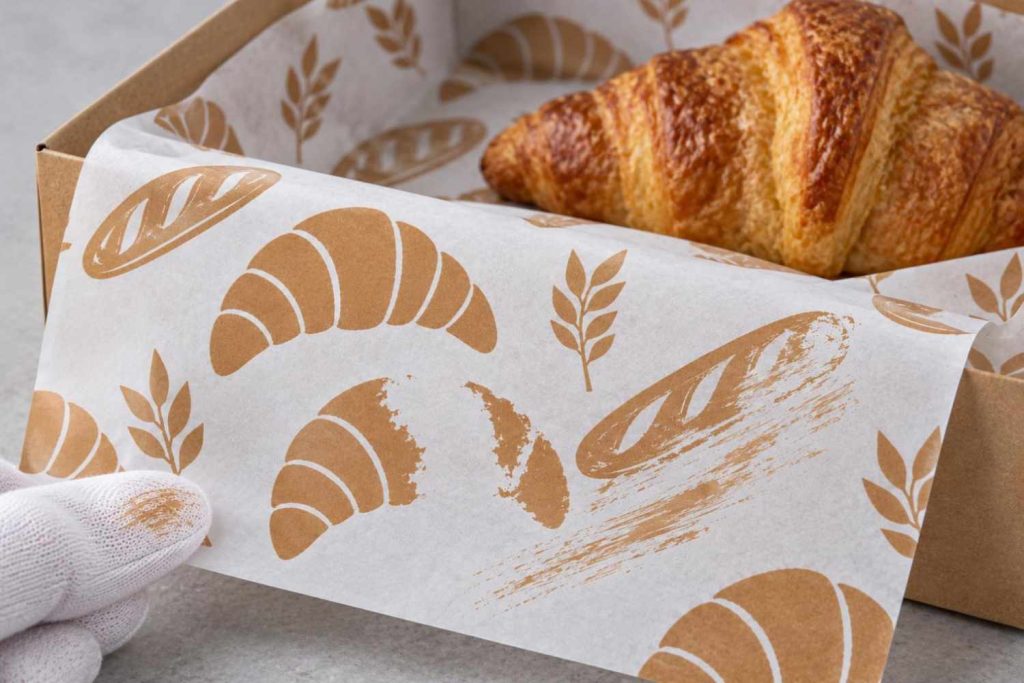
Printed bags show inconsistent color, unclear details, or uneven surface appearance.
What to check
The paper surface, printing process, print side, and the differences between affected batches.
How we can help
We can help compare MG paper with its smooth, polished side and MF paper with its more balanced surface finish.
What to send us
Your current paper grade, printing requirements, target appearance, and photos or samples showing the inconsistency.
Paper Cracking During Folding
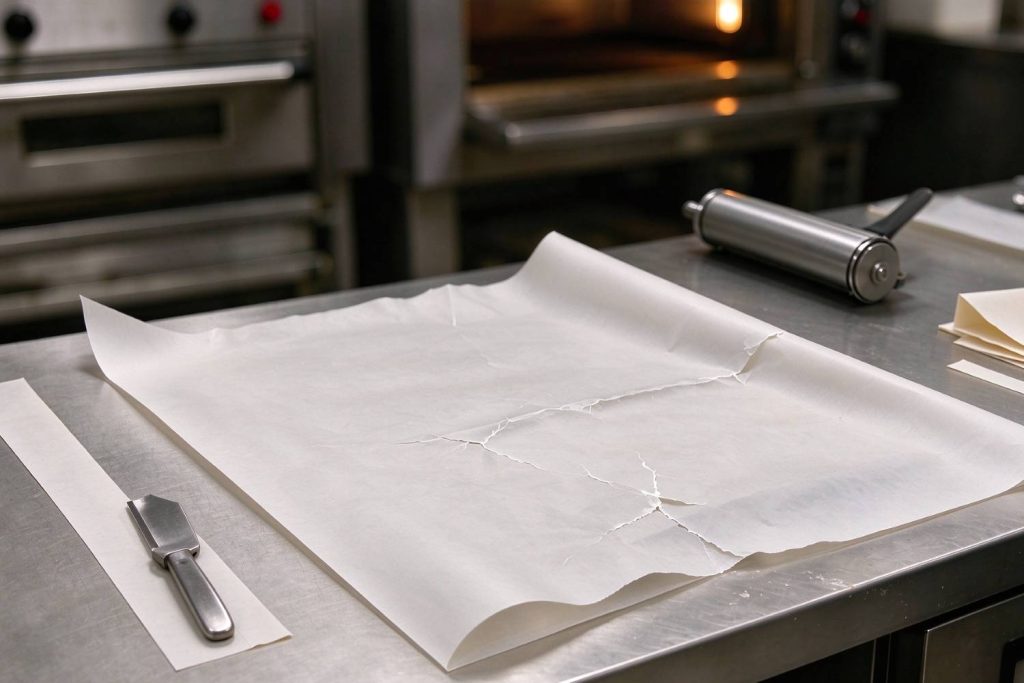
Paper cracks, curls, or folds poorly during converting.
What to check
The paper grade, GSM, folding conditions, paper direction where relevant, storage conditions, and current roll or sheet dimensions.
How we can help
We can review the material specifications and discuss alternative grades for testing under your actual folding conditions.
What to send us
Your current specification, photos of the defects, folding process details, and the required paper dimensions.
Machine Runnability & High Converting Waste
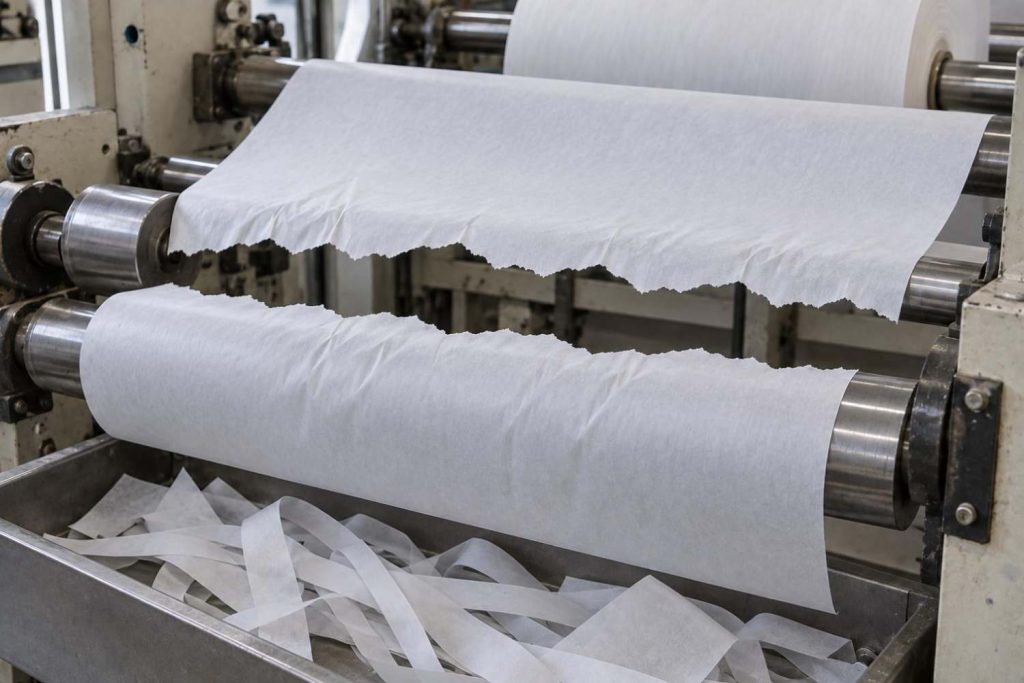
Paper feeding or converting issues interrupt production or increase material waste.
What to check
The paper specification, roll dimensions, machine speed, affected production stage, and type of waste generated.
How we can help
We can review your material and dimensional requirements to identify paper options worth testing on your production line.
What to send us
Your current GSM, roll width, machine requirements, operating conditions, and a description of the production issue.
Printability, Ink Adhesion & Surface Quality
Incorrect roll dimensions create unnecessary trim waste or fail to match the bag-making setup.
What to check
Required roll width, bag layout, machine specifications, GSM, and estimated order quantity.
How we can help
We can review the required dimensions and discuss available roll or sheet formats and customization options for the selected grade.
What to send us
Your target roll width, current dimensions, GSM, material type, estimated quantity, and machine requirements.
Need Help With a Paper Bag Issue?
Send Sure Paper your bag specifications or a reference sample so our team can review the requirements and discuss suitable paper options.
Defect Photos Or Video
Current TDS Or Specification
GSM & Paper Type
Converting Process & Format
Paper & Coating Structure
End-Use Application & Food Type
Start here
How to Choose Paper for Your Bag-Making Machine
Four specification areas decide whether a grade runs the way you expect on your bag-making line. Use them as a checklist before comparing quotations.
Basis Weight, Tensile Strength, Tear Resistance & Burst Strength
Basis weight, usually expressed in grams per square metre (GSM), is an important starting point when selecting paper for a bag, but it should not be treated as a complete measure of performance. Tensile strength, tear resistance, and burst strength provide additional information about how paper may respond to different handling and loading demands. Sure Paper’s MG/MF paper range includes grades in the 30–70 GSM range; the appropriate specification should be confirmed against the intended application and required test criteria.
Surface Smoothness & Printability
Surface characteristics influence how paper looks and performs during printing. MG paper has a highly smooth, polished side suited to detailed printing, whereas MF paper provides a more uniform finish across both sides. Consider which side will be printed, the graphics required, and the intended bag appearance when comparing available grades.
Glue Bonding & Folding Performance
A suitable paper grade needs to work with the bag’s construction and converting process, including the intended folding and adhesive operations. Surface finish and paper structure can influence processing, so manufacturers should assess bonding and folding using the adhesive, equipment, and production conditions they actually use. Sample evaluation is a practical way to identify potential compatibility issues before bulk production.
Roll Width & Machine Speed
Roll width should match the machine’s specifications and the planned bag layout to help limit avoidable trim loss. Machine speed is another factor to assess, but paper performance at a particular speed should be verified on the relevant equipment rather than assumed from the grade name. Share your required roll dimensions and production conditions with Sure Paper so the available material options can be reviewed against your needs.
Decision roles
What Matters to Your Team
Paper sourcing involves more than material selection. Procurement needs reliable supply and clear costs, production needs compatible formats, and QA needs consistent specifications and relevant documentation. Align these requirements before confirming an order.
Procurement / Owner
Paper Cost & Reliable Supply
For paper bag manufacturers, purchasing decisions involve material cost, specification suitability, and the ability to plan repeat orders.
- Comparing grades on price alone may overlook differences in surface finish, strength, coating, and converting performance.
- Sure Paper works with customers to review material requirements and order details so the quotation can reflect the requested grade and format.
Production / Converting
Will It Run on Our Bag-Making Line?
A paper grade that appears suitable on paper still needs to be checked against the customer’s equipment and production process.
- Width, basis weight, surface characteristics, folding conditions, and adhesive requirements can all influence whether a material fits the intended operation.
- Request samples and evaluate them on your bag-making line before confirming the specification for bulk purchasing.
Quality / Compliance
Consistent Quality & Specification Documentation
Clear specifications make it easier for purchasing, quality, and production teams to assess whether a paper grade meets their requirements.
- Relevant checks may include GSM, dimensions, surface characteristics, and the strength properties specified for the product.
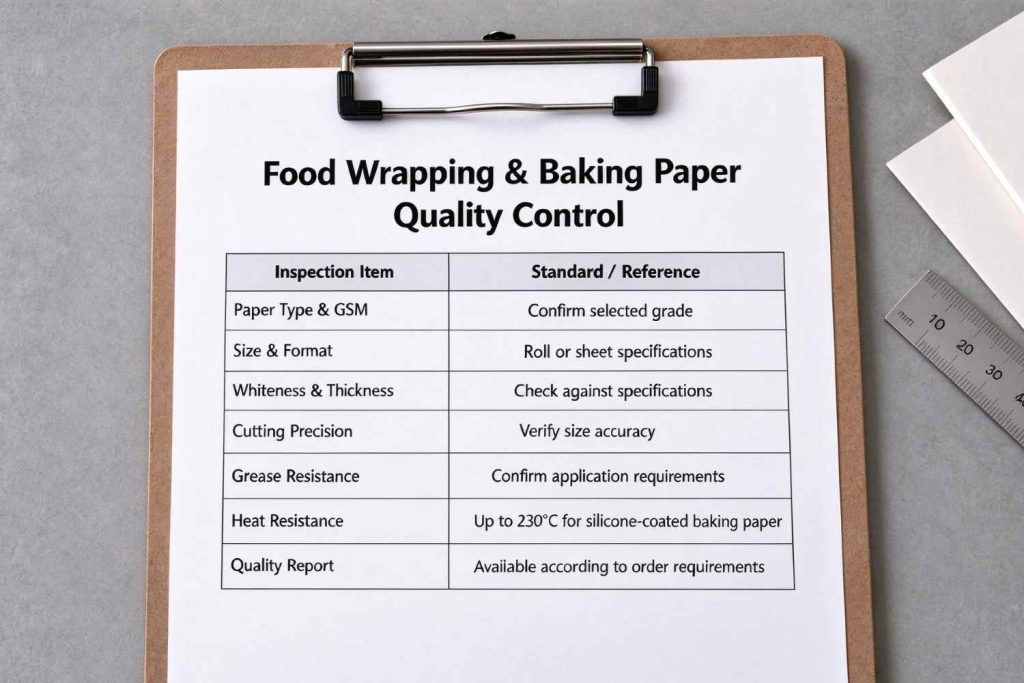
- Sure Paper’s MG/MF product information describes quality-control checks including weight, thickness, size accuracy, and cutting precision.
- Buyers should confirm which inspection records and documents are available for their particular order.
Tell Us What Your Production Needs
Share your bag type, target GSM, required width, color and estimated quantity so the available material options can be reviewed against your production conditions.
Application
Current grade or GSM
Roll or sheet format
Dimensions and machine requirements
Documentation requirements
Order quantity
Paper for Food, Bakery, Retail & Takeaway Bags
Different bag constructions place different demands on the paper. Review the bag type you produce and the properties that matter most for it.

Burger Wrap
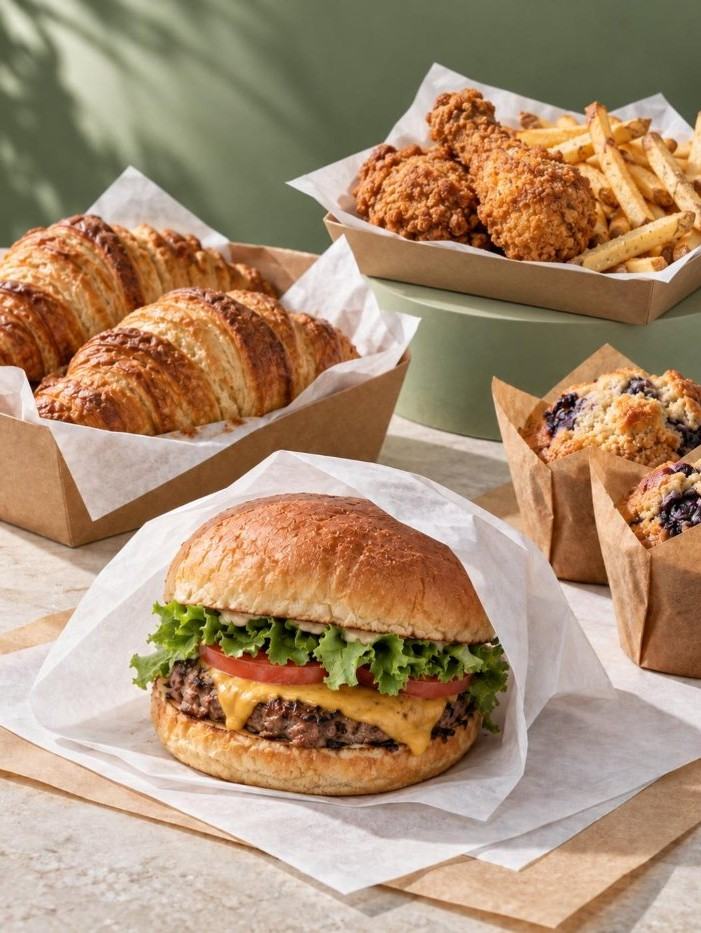
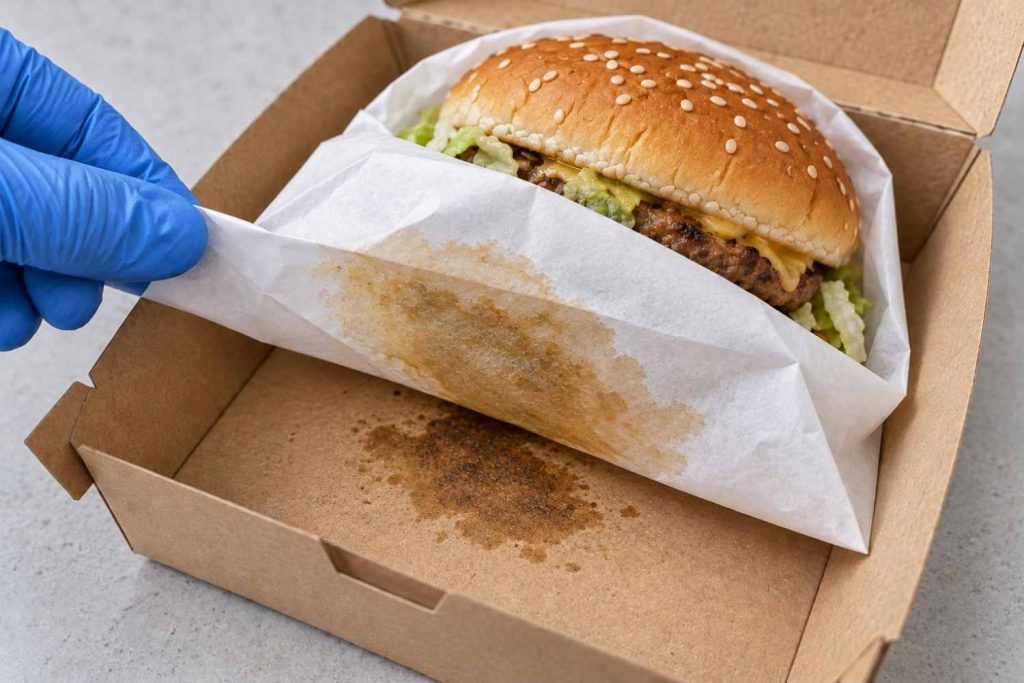
Greaseproof or coated paper options for the food’s grease level, serving temperature and holding time.
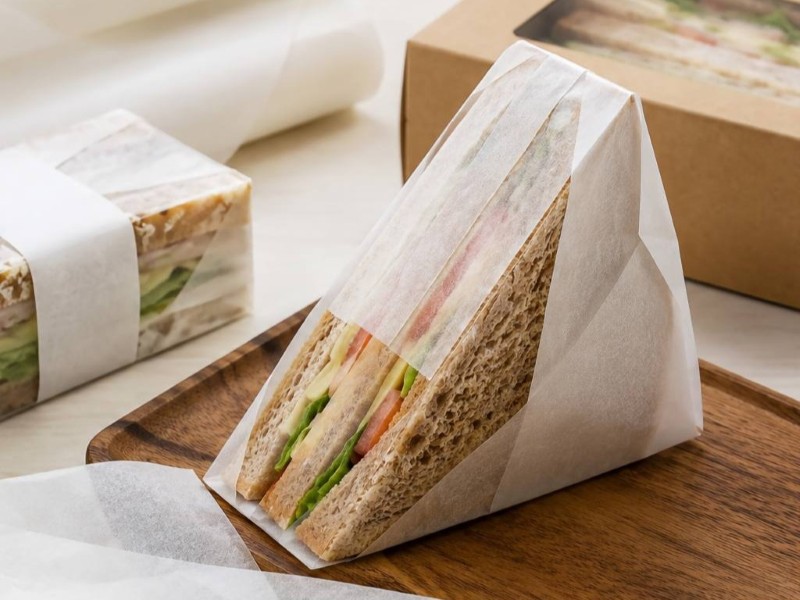
Sandwich Wrap
Paper options for grease resistance, folding and print requirements.

Basket Liner
Grease-resistant paper for fried foods and serving baskets.
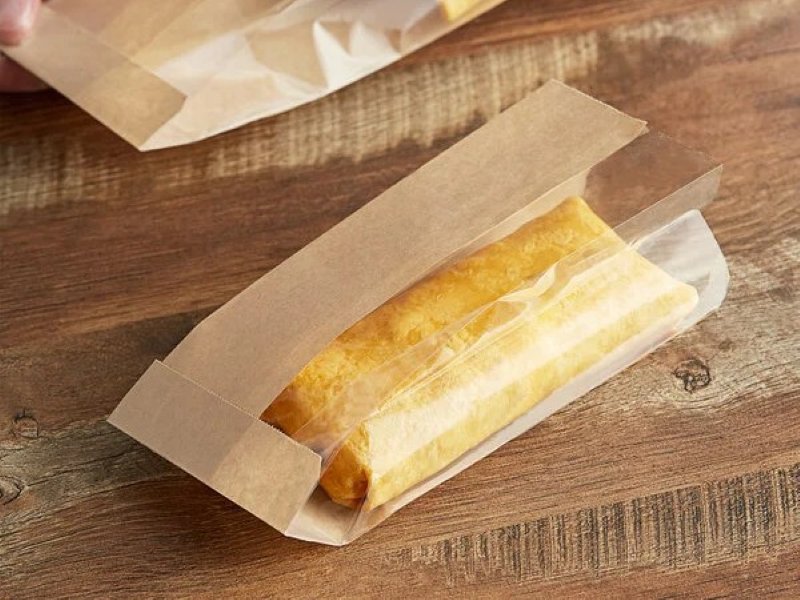
Bakery Bag
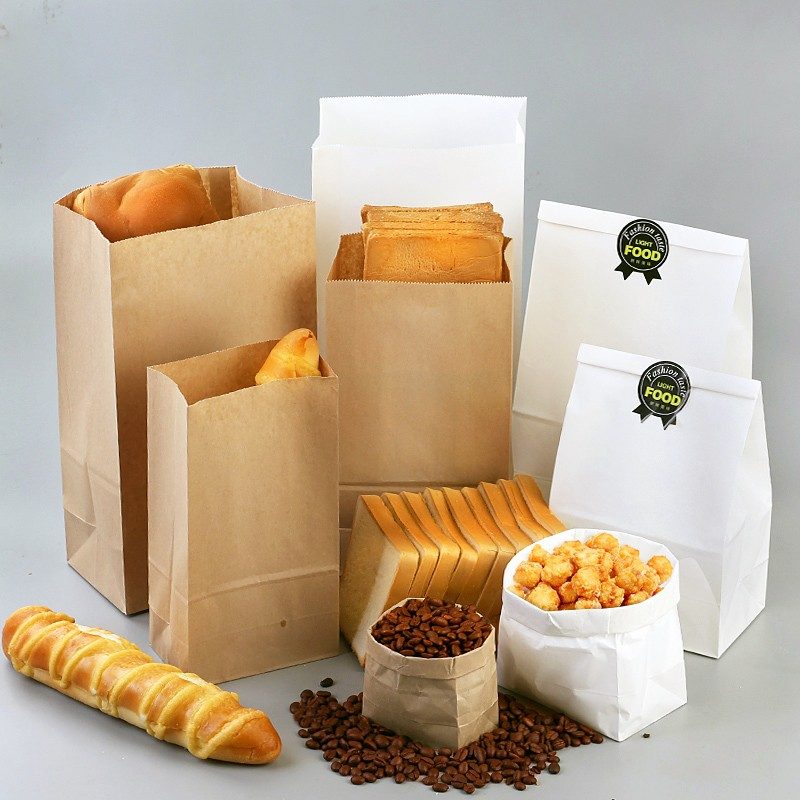
Printable paper options for bag converting and the required grease barrier.
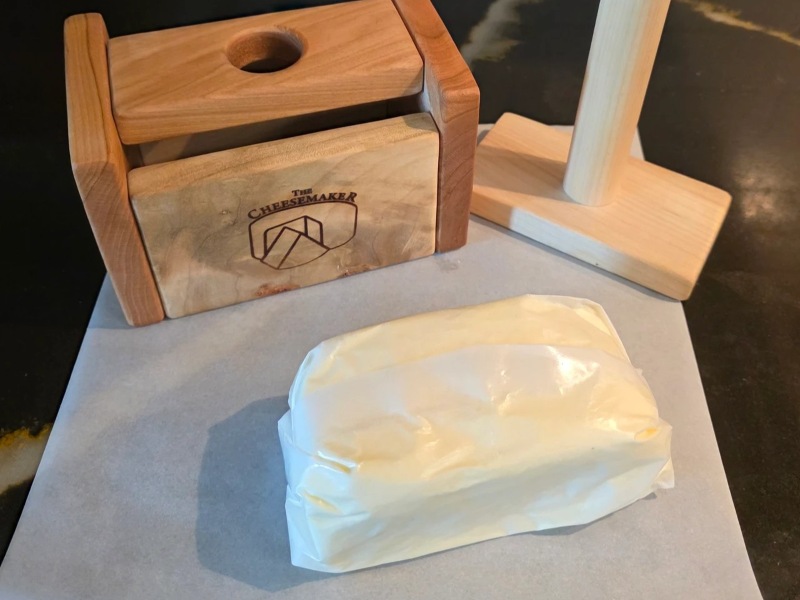
Butter Wrap
Barrier-paper options to review against storage temperature and shelf-life requirements.

Baking Paper
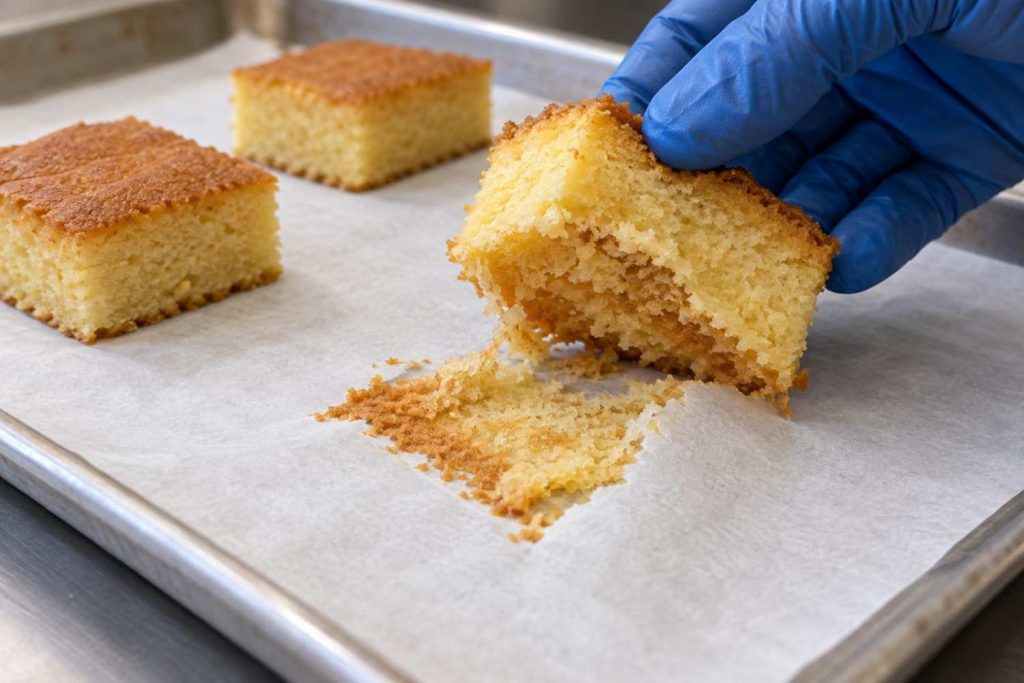
Silicone-coated parchment for the specified baking temperature and duration.

Air Fryer Liner
Baking-grade paper for conversion into the required liner shape and size.
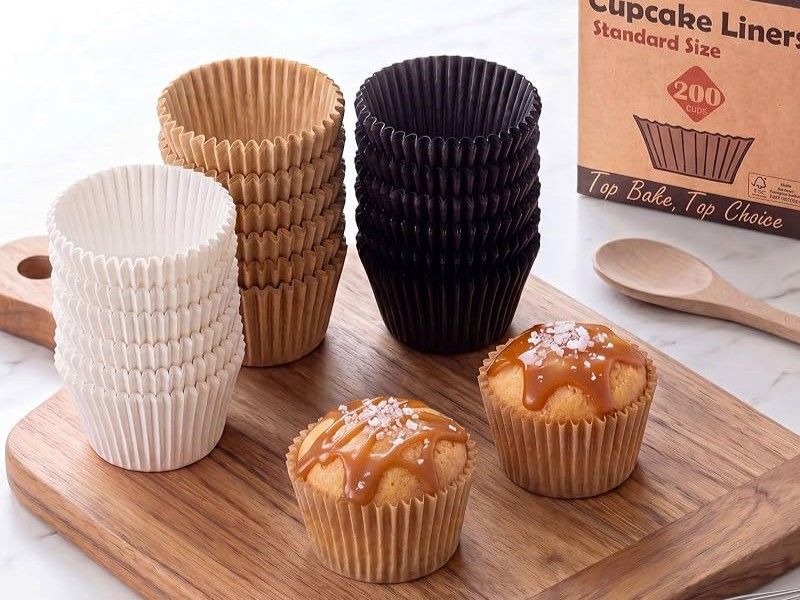
Cupcake Liner
Paper selected for forming, heat resistance and the required release performance.
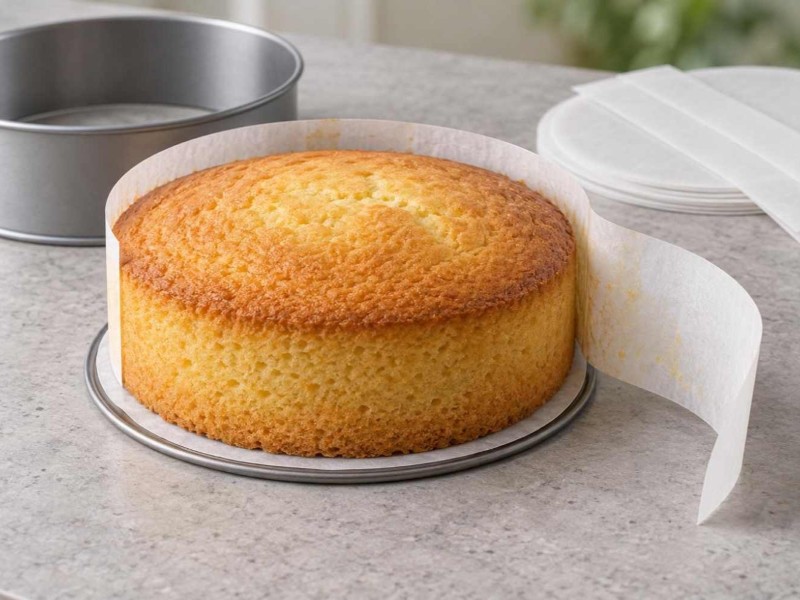
Cake Liner
Baking-grade paper for cake-pan lining and clean release.
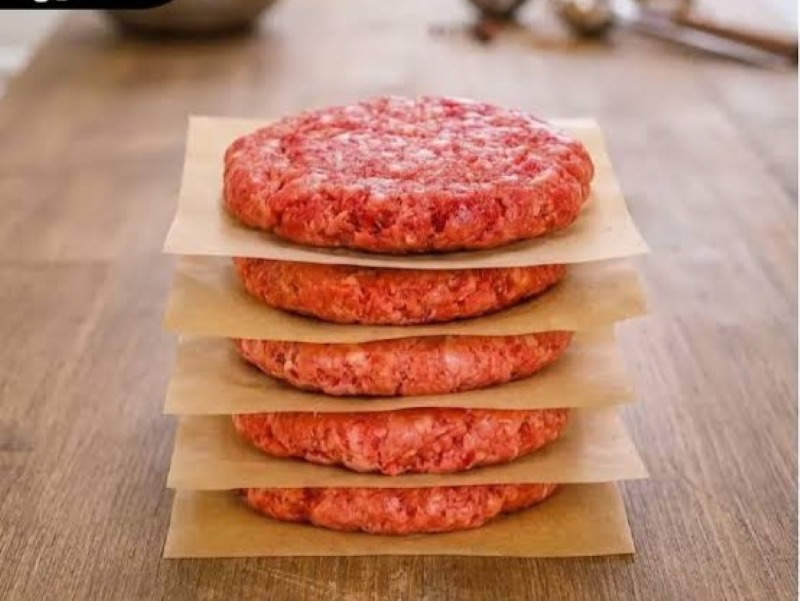
Food Interleaving Paper
Paper selected for separation, grease exposure and chilled or frozen conditions where applicable.
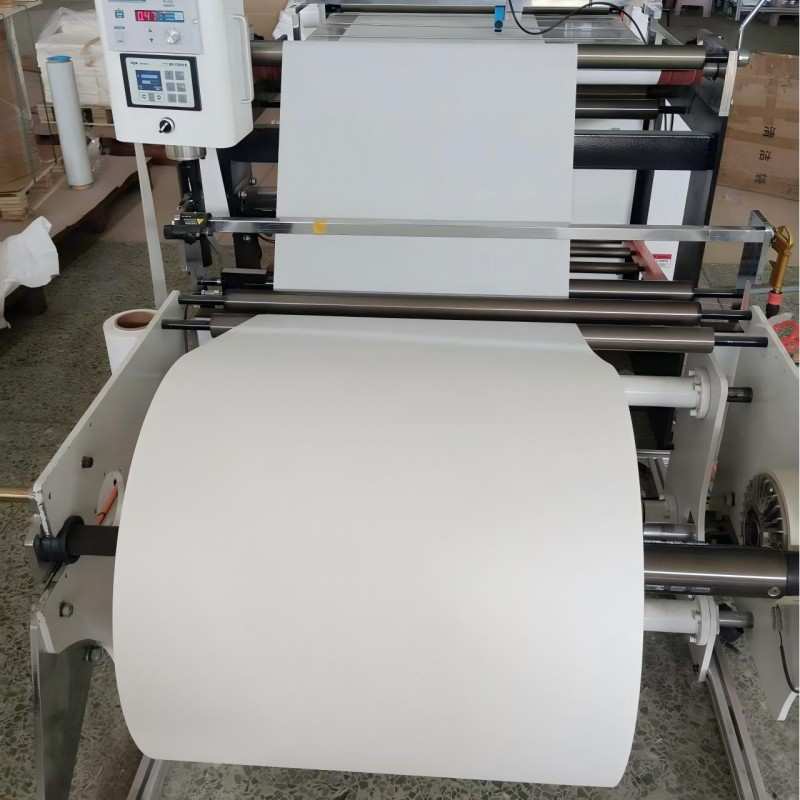
Paper Options for Paper Bag Manufacturers
MG and MF papers differ mainly in surface finish: MG paper has one highly smooth side, while MF paper offers a more balanced finish on both sides. These characteristics provide different starting points for evaluating print quality, folding, and bag-making requirements.

Greaseproof Paper
Sure Paper's greaseproof paper is made from 100% virgin wood pulp and uses a dense paper structure to resist oil and grease without plastic coating. It is supplied for food wrapping and fast-food applications, with customizable basis weights from 30–50 GSM and flexible roll widths and sheet dimensions.
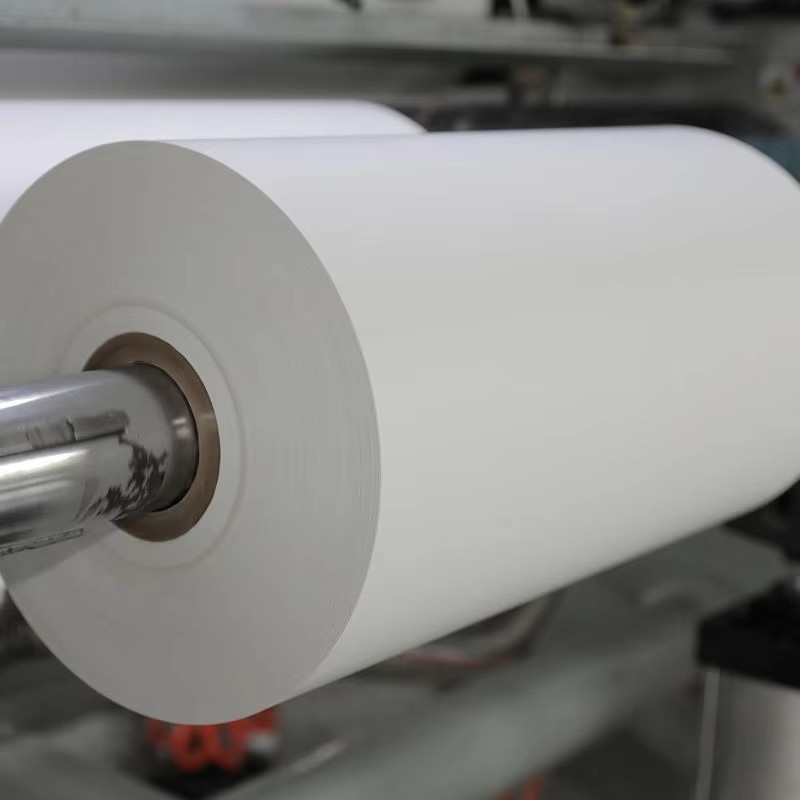
Parchment Paper
Parchment paper is designed for heat-resistant and non-stick applications such as baking, cooking, and food preparation. Sure Paper supplies silicone-coated parchment paper in roll and sheet formats, with paper weight customized from 30–100 GSM for different application requirements.
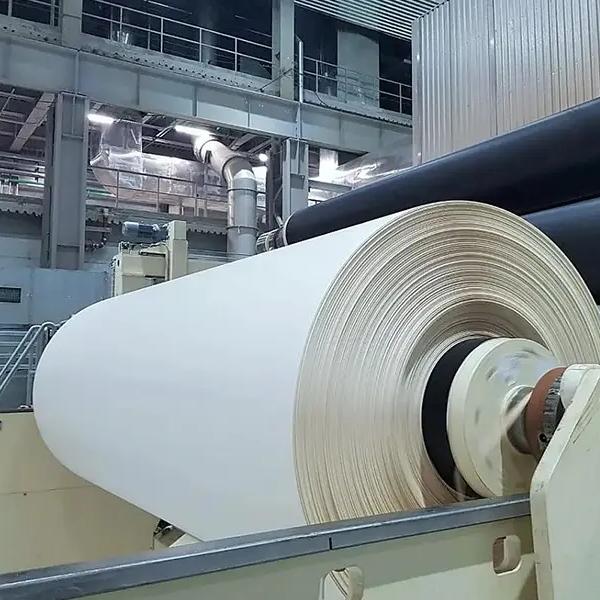
Wax Paper
Wax paper uses a wax coating to create a smooth surface and reduce moisture penetration. It is commonly used for food wrapping, snacks, and short-term food storage, supplied in 30–60 GSM weight ranges with the grade matched to the intended temperature conditions.

MG / MF Paper
MG and MF papers provide smooth surfaces and good strength for packaging and printing applications. MG generally offers greater smoothness on one side, while MF provides a practical smooth surface. Available in white or natural brown, with paper weights ranging from 30–70 GSM.
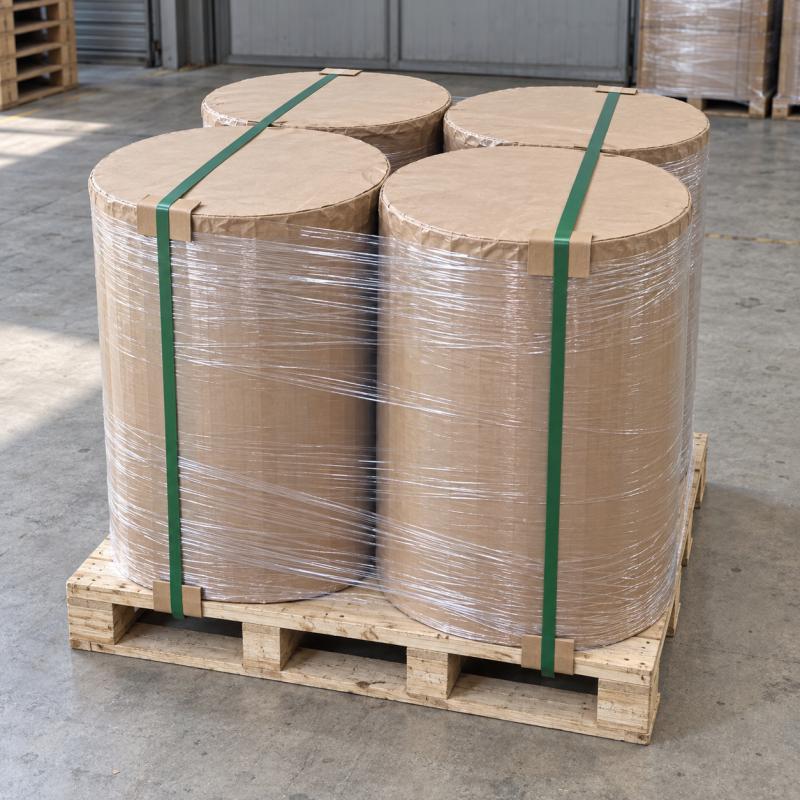
Jumbo / Slit Roll
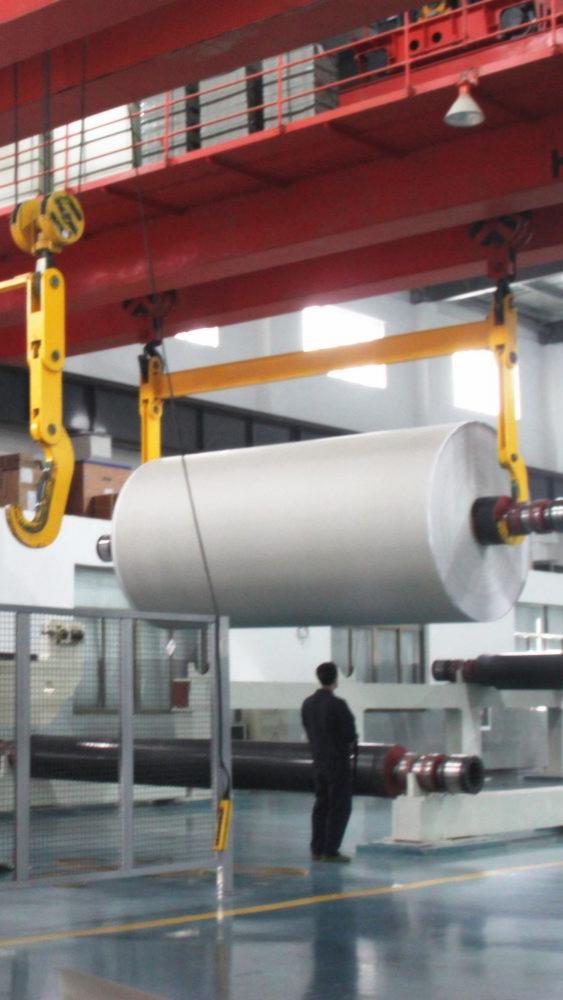
Converters can select supply formats according to their production process, including jumbo rolls and slit rolls. Sure Paper supports customized widths and lengths for different converting requirements.
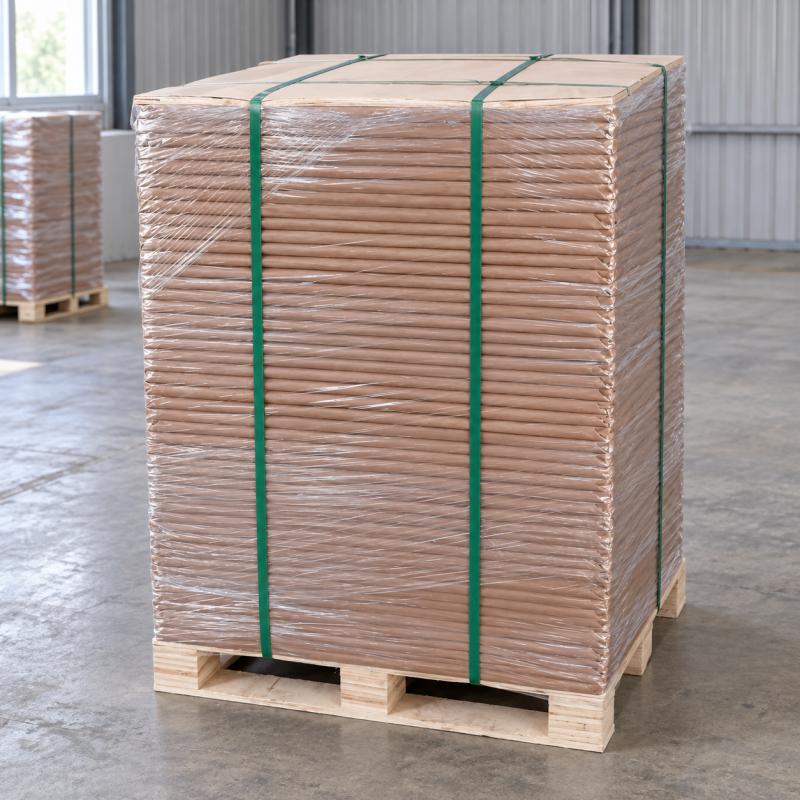
Sheet
Sheets can be supplied according to your finished format and packing requirements. Sure Paper supports customized sheet sizes for converting and food-service applications.
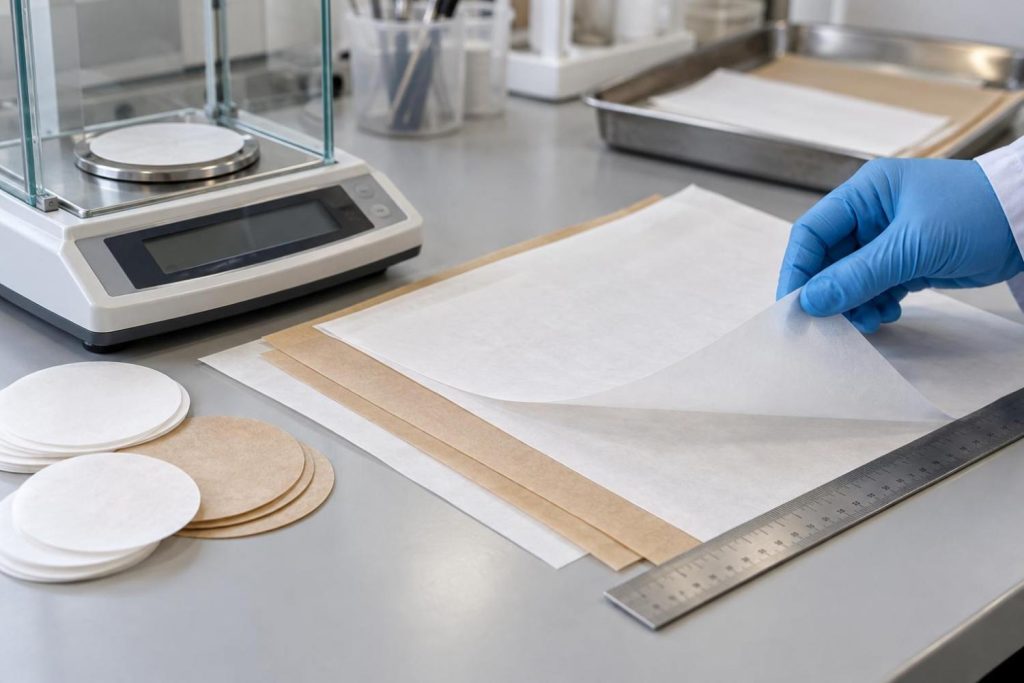
Material Decision Table
| Paper option | Key characteristic | What to evaluate |
|---|---|---|
| Mg white paper | Smooth, polished side | Print appearance and converting needs |
| Mf white paper | More balanced surface on both sides | Printing and folding requirements |
| Brown kraft paper | Natural brown appearance | Required strength and bag design |
| White kraft paper | Bright surface for branding | Print requirements and bag construction |
| Greaseproof paper | Intended for grease-resistance needs | Required level of grease protection |
| Pe-coated paper | Added moisture and grease barrier | Barrier requirements and end use |
Two materials can fit the same product. Confirm grade, GSM, format, and destination market with our team before final selection.
Same GSM, Different Wrapping Performance
The same GSM does not guarantee the same wrapping or baking performance. Paper type, grease resistance, coating, and heat resistance all influence material suitability. Compare the full paper specification with your intended food application instead of selecting paper by GSM alone.
| Parameter | What it actually tells you |
|---|---|
| GSM | Paper weight per square metre. It does not determine grease resistance, heat resistance, or release performance on its own. |
| Paper structure | Fiber structure and paper type affect how the paper performs in different wrapping and food preparation applications. |
| Grease resistance | Important for burger wraps, sandwich wraps, fried food liners, and other applications involving oily foods. |
| Coating & treatment | Different treatments serve different purposes. Silicone-coated parchment supports non-stick baking applications, while wax paper is used for selected wrapping needs. |
| Heat resistance | For baking and heated food preparation, confirm that the paper is suitable for the intended temperature and duration. |
| Surface & converting format | Surface properties, roll width, sheet size, and format should match printing and converting requirements. |
Download the Product Catalog (PDF) for the full Sure Paper product range, or the Product Summary (PDF) for a grade overview and specification summary.
Same GSM, Different Food Application — Send Us Yours
If you already have a target GSM or an existing paper specification, send us the grade, application, size, format, and production requirements. Sure Paper can review the information and recommend a suitable material direction instead of asking you to select from a generic product list.
Current Paper Grade
GSM & Paper Type
End-Use Application
Roll or Sheet Format
Size & Converting Requirements
Target Quantity
Quality Control & Shipment Protection
Agreed specifications, documented checks and suitable packing are what keep a confirmed grade consistent from the first shipment to the next.
Paper Specification Checks
Clear specifications help ensure that the ordered paper matches the agreed requirements. Depending on the product, relevant checks may include GSM, thickness, dimensions, surface characteristics, and specified strength properties. Confirm the inspection scope for your selected grade with Sure Paper before placing the order.
Strength, GSM & Dimensional Consistency
Paper weight, strength properties, and dimensions should be considered together when evaluating a grade for converting. Differences in these characteristics may affect handling, printing, and machine compatibility, so buyers should identify the properties most important to their process. Agree on the applicable specifications and acceptance criteria before production.
Batch Identification & Inspection Reports
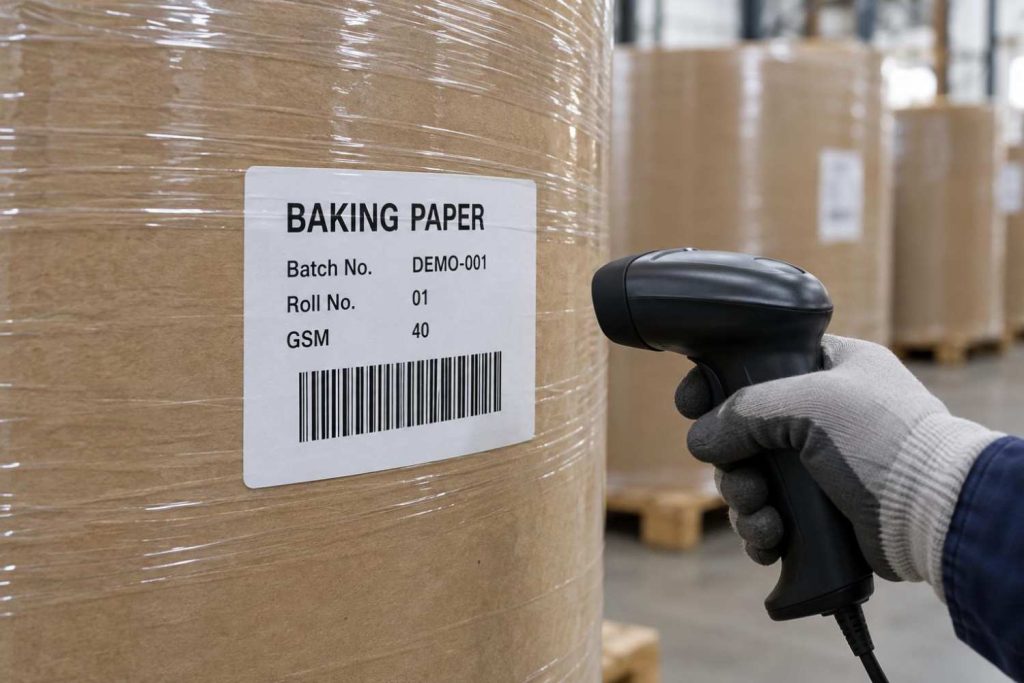
Batch identification and inspection documentation can help purchasing and quality teams track supplied material and review product conformity. Sure Paper describes batch-level inspection reporting and traceability for its MG/MF paper offering. Confirm the documents and identification details available for your particular product and shipment.
Protective Packing & Loading
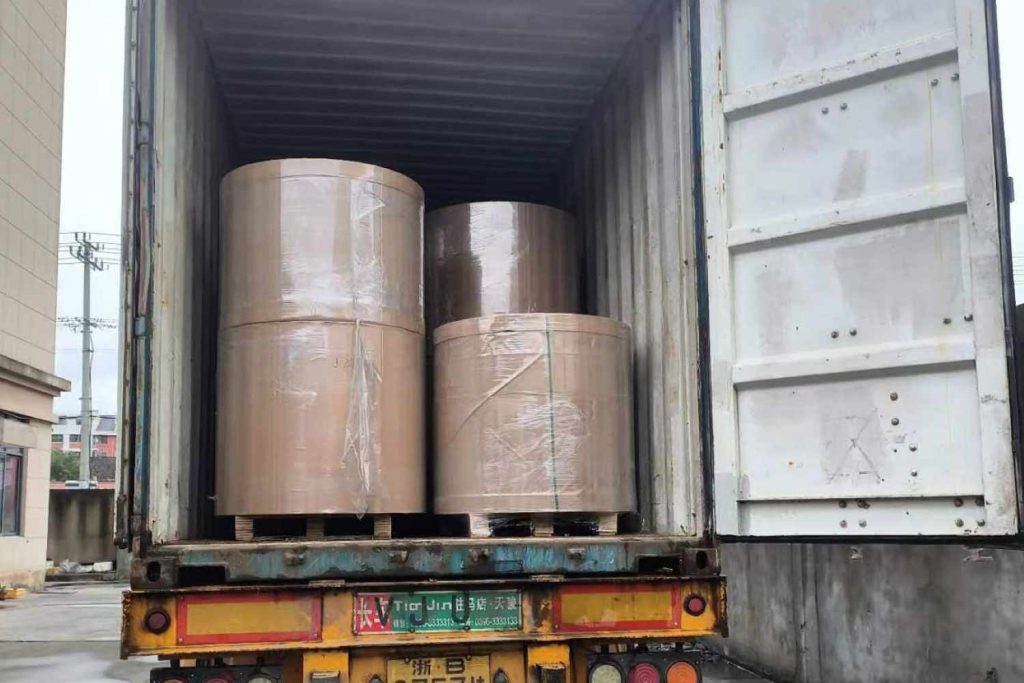
Suitable packing helps protect paper during storage and transportation, while the required format depends on the product and shipment arrangement. Sure Paper offers roll, sheet, and customized packing options for relevant paper grades. Confirm the packing method, labeling, and shipping arrangements before dispatch.
Qualification workflow
How to Order
Share your application, target GSM, dimensions, and required format to start the sourcing process. Sure Paper can review your requirements, provide a quotation, and arrange samples for evaluation before you confirm the order.
Share Your Requirements
Send your application, target material, GSM, size, roll or sheet format, converting process, and any food-contact or compliance requirements you already have.
Review Our Offer & Samples
Our team reviews the requirements and provides a material proposal, quotation, and sample for evaluation. Free samples are available for suitable projects.
Test on Your Equipment
Run the sample on your actual converting or production equipment to confirm machine compatibility and finished-product performance before bulk production.
Confirm Your Order
After the specification, format, sample, and commercial details are confirmed, the order can move forward according to the agreed requirements.
Commercial Terms
MOQ
5 MT per GSM / size; total order normally FCL.
Samples
Free A4 samples; sample rolls may be charged. Dispatch time to be confirmed.
Lead Time
Confirmed according to mill, grade, coating and current production schedule.
Formats
Jumbo / Slit Roll & Sheet according to project.
5 MT MOQ · Free A4 Samples · Start With Six Fields
For a faster recommendation, send us your application, material or GSM, roll/sheet format, size, machine requirements, food-contact requirements, and target quantity.
Finished Product
Current GSM Or Grade
Paper Type
Roll Or Sheet Format
Monthly Volume
Target Delivery Date
Go deeper
Related Technical Guides
Explore our technical guides to compare paper types, understand key performance differences, and make more informed sourcing decisions for food wrapping and baking applications.
Selection
Greaseproof Paper vs Wax Paper for Food Packaging
Compare the different barrier structures and application considerations of greaseproof and wax paper.
Troubleshooting
What Is the Difference Between Greaseproof Paper and Parchment Paper?
Understand how grease resistance, heat resistance, and non-stick requirements affect the selection between the two paper types.
Material Types
How to Choose the Right Greaseproof Paper GSM for Food Packaging
Use application requirements rather than GSM alone when evaluating greaseproof paper for food packaging.
Barrier
What Type of Parchment Paper Is Best for Baking?
Review the different performance considerations when selecting parchment paper for baking and heated food preparation.
Paper Selection
What's the Best Paper for Wrapping Burgers?
See what paper grade works for burger wrap applications, and how to match grease, heat and handling needs.
Paper Comparison
What's the Difference Between Sandwich Paper and Parchment Paper?
See how sandwich paper and parchment paper compare for wrapping applications, and which grade better fits different sandwich wrap needs.
FAQ
Paper Bag Paper Sourcing — the 5 Questions That Matter
Have questions about matching an existing grade, choosing a material, or preparing your order requirements? Find practical answers about paper selection, available formats, documentation, samples, and sourcing information.
Which Paper Is Suitable for Our Paper Bag Application?
The answer depends on the bag design, contents, required strength, printing, and converting process. MG/MF paper, kraft paper, and PE-coated options each offer different characteristics for evaluation. Share your application details so Sure Paper can help review the available grades.
How Should We Choose GSM for Our Bag-Making Machine?
Start with the bag’s intended use and the paper specifications required by your production process. GSM should be considered alongside strength, dimensions, surface finish, and machine compatibility. Test the selected grade under actual production conditions before confirming a bulk order.
Can You Customize Paper Width, GSM, Color and Format?
Sure Paper lists MG/MF options in white and natural brown, with product specifications covering 30–70 GSM and roll or sheet formats. Customization options depend on the particular grade, dimensions, and order requirements. Send your requested specifications to confirm availability and applicable minimum quantities.
What Information Do You Need to Recommend a Paper Grade?
Provide the bag type, intended contents, target GSM, color, roll width or sheet size, and expected quantity. Include printing, folding, adhesive, or barrier requirements if these are relevant to your production process. A reference sample or existing specification can also help clarify your needs.
What Specifications and Quality Documents Can You Provide?
The required documents depend on the paper grade and your purchasing requirements. Sure Paper describes product specification information, quality checks, and inspection reporting for its MG/MF offering. Confirm the available technical data and quality documentation for the specific product before placing an order.
Request Paper Bag Recommendation & Quote
Choosing the right paper starts with understanding your bag design, material requirements, and production conditions. Sure Paper offers MG/MF paper, kraft paper, and PE-coated paper options for customers to evaluate against their packaging needs. Share your bag type, target GSM, required width, color, and estimated quantity to discuss available grades, request samples, and obtain a quotation.
- Current mill / grade is the most valuable field — it is the fastest matching entry point.
- Commercial terms — MOQ 5 MT per GSM / size (normally FCL); free A4 samples, sample rolls may be charged; lead time confirmed per mill, grade, coating and schedule.