For Food Box & Folding Carton Manufacturers
Food Box & Folding Carton Manufacturers: Stiffness, Printability & Die-Cutting
Food box and folding carton manufacturers need board that holds its shape after filling, creases without cracking, and prints cleanly at running speed. Sure Paper supplies food-grade kraft board, GC4 coated kraft board, FBB, cupstock board and PE, PLA or water-based coated board for takeaway boxes, bakery boxes, food trays and frozen food cartons. Share your blank layout, caliper and converting route, and we will match a board that runs on your die-cutter and folder-gluer — with the food-contact documentation your customers ask for.
- FBB / Ivory Board
- GC4 / CKB
- Food-Grade Kraft Board
- Barrier Coated Board
- Reel & Sheet Formats
- Caliper & Sheet Size Customization
15+ years
Paper and board supply since 2011 — grade knowledge across mills.
18
Finishing machines for sheeting, slitting, coating and custom board formats.
Custom Caliper
Board caliper, sheet size and reel width set to your blank layout.
Sample Support
A4 board samples and full sheets for creasing and die-cutting trials.
Production Solution
Food Box Board Problems?
Start With the Issue
Match the symptom your line is reporting to the board property behind it. Then send the current specification and a photo of the failed box or sheet — we will review grade, caliper and coating options against your press, die-cutter and gluer.
01
Identify the Problem
Decide whether the fault is stiffness or bulge, a crease crack, grease or moisture wicking, print scuffing, die-cutting waste, or caliper variation. Each one points back to a different board property.
02
Check the Board Specification
Review grade, caliper and GSM, bulk, stiffness, folding endurance, surface strength, coating type, and the sheet or reel dimensions against the box design you are running.
03
Share Details for Board Evaluation
Send the blank layout, box style, caliper, converting equipment and the fault condition, so suitable board options can be shortlisted against your line rather than in theory.
Common Converting Issues & Our Response Routes
Box Bulging & Weak Corners
Filled boxes bow outward at the side wall or lose corner squareness, so lids sit loose and cartons no longer stack squarely on the shelf.
What to check
Board caliper and bulk against the box volume, stiffness in both directions, the filling weight, and whether the board was stored flat and dry before converting.
How we can help
We compare your current caliper and bulk with higher-bulk grades or a stiffer furnish, so the side wall holds its shape at the same grammage instead of adding cost through extra weight.
What to send us
Box dimensions, fill weight, current caliper, and a photo of a filled box sitting on a pallet.
Board Cracking Along the Crease
The coating splits or the fibres tear along the crease, leaving a hairline crack on the printed panel — most visible on dark or full-coverage prints.
What to check
Board grade and coating type, crease profile and creasing matrix, grain direction against the fold, moisture content, and board temperature at the die-cutter.
How we can help
We review the coating system and the board grade together — a different coated surface, a lower coat weight or a more forgiving furnish often clears the crack without changing the artwork.
What to send us
Crease line width, a folded sample showing the crack, print coverage, and the grade currently running.
Grease & Moisture Wicking Through
Oil or moisture migrates through the board and shows as a dark patch on the outside face, or the box softens inside the promised holding time.
What to check
The food type, holding time and serving temperature, coated or uncoated board, coat weight, and whether the stain appears at the base, the seam or the corner.
How we can help
We match the barrier to the application: PE coated board for the widest processing window, PLA coated board for compostable projects, water-based coating where the brand needs repulpability.
What to send us
Food type and holding time, current board and coating, and photos of the stain on the inner and outer face.
Print Scuffing & Poor Ink Adhesion
Ink rubs off on the gluer, on the packing line or in the customer's hands, and the printed panel loses gloss or shows patchy colour.
What to check
Surface strength of the coated board, ink and varnish system, print side, drying conditions, and the point in the process where scuffing first appears.
How we can help
We review coat weight and surface strength against the print route, and suggest a board that carries ink and varnish through gluing and packing without a top lacquer.
What to send us
A printed sample with the scuffed area marked, the ink and varnish specification, and the grade and coating in use.
Die-Cutting Waste & Loose Cuts
Blanks come off the platen out of register, nicks fail to hold, or trim scrap runs high because the sheet and the layout do not match.
What to check
Sheet size and squareness against the blank layout, grain direction, caliper consistency, gripper allowance, and how the board was cut and packed.
How we can help
We set sheet size and grain direction to the layout, check caliper variation across the reel, and adjust cutting tolerances so the blank registers repeatably run after run.
What to send us
Blank layout drawing, sheet size, caliper, and the waste percentage you are currently seeing.
Caliper Variation & Folding Registration
Caliper drifts across a pallet, so the folder-gluer needs re-setting, glue lines miss, and finished box thickness varies from carton to carton.
What to check
Caliper target and tolerance, how it is measured, variation between reels and across a sheet, bulk, moisture, and the gluer’s actual setting window.
How we can help
We hold caliper within an agreed tolerance, supply a single mill grade per order, and confirm the measuring method so both sides are checking the same number.
What to send us
Caliper target and tolerance, the readings you are getting, glue and folding settings, and the affected pallet or reel numbers.
Need Help With a Food Box Board Issue?
Send your board specification or a reference box so our team can review the requirement and discuss suitable grades, caliper and coating.
Defect Photos Or Video
Current Board TDS or Specification
Grade, Caliper & Coating
Die-Cutting & Gluing Setup
Blank Layout & Sheet Size
End-Use & Food Contact
Start here
How to Choose Paperboard for Food Boxes & Folding Cartons
Five specification areas decide whether a board runs the way you expect through printing, die-cutting and gluing. Use them as a checklist before comparing quotations.
Caliper & Bulk
Stiffness & Folding Endurance
Stiffness keeps the box square under load; folding endurance decides whether the hinge survives repeated opening or a long shelf life. Both are measured in machine and cross direction, and both fall if the board sits in a humid warehouse before converting.
Creasing & Cracking Resistance
A crease is a controlled failure of the board. Whether it cracks depends on coating type, coat weight, fibre quality, moisture and the crease profile — so confirm it with a folded sample on your own die-cutter, not from a lab report alone.
Surface Strength & Printability
Surface strength holds the coating and the ink through printing, gluing and handling. For dark or full-coverage artwork, check pick and scuff resistance together: a bright white board that scuffs on the gluer is a false economy.
Barrier & Coating Route
Uncoated board suits dry bakery and frozen cartons where the food releases little oil. PE, PLA or water-based coatings are chosen by food type, holding time and the disposal route the brand has already promised — state that in the enquiry, not after artwork approval.
Decision roles
What Matters to Your Team
Paper sourcing involves more than material selection. Procurement needs reliable supply and clear costs, production needs compatible formats, and QA needs consistent specifications and relevant documentation. Align these requirements before confirming an order.
Procurement / Owner
Price & Reliable Supply
Balance material specification, order quantity, lead time, and supply continuity — not unit price alone.
- More than 15 years of paper industry experience with selected paper mills
- Standing stock to support global supply requirements
- Clear quotations with MOQ, lead time and commercial terms
- 5 MT MOQ and free A4 samples for the greaseproof and parchment ranges
Production / Converting
Will It Run On Our Converting Line?
Confirm the supplied material matches your actual equipment before bulk production.
- Roll width, core, OD and sheet size matched to your equipment
- Roll and sheet formats with customized widths and lengths
- Samples and machine trials before bulk orders
- Support reviewing grease penetration, sticking, curl and runnability issues
QA / Compliance
Consistent Quality & Food-Contact Documentation
Review the specifications, inspection data and documents needed for your product and destination market.
- Grade-specific Technical Data Sheets for the selected paper
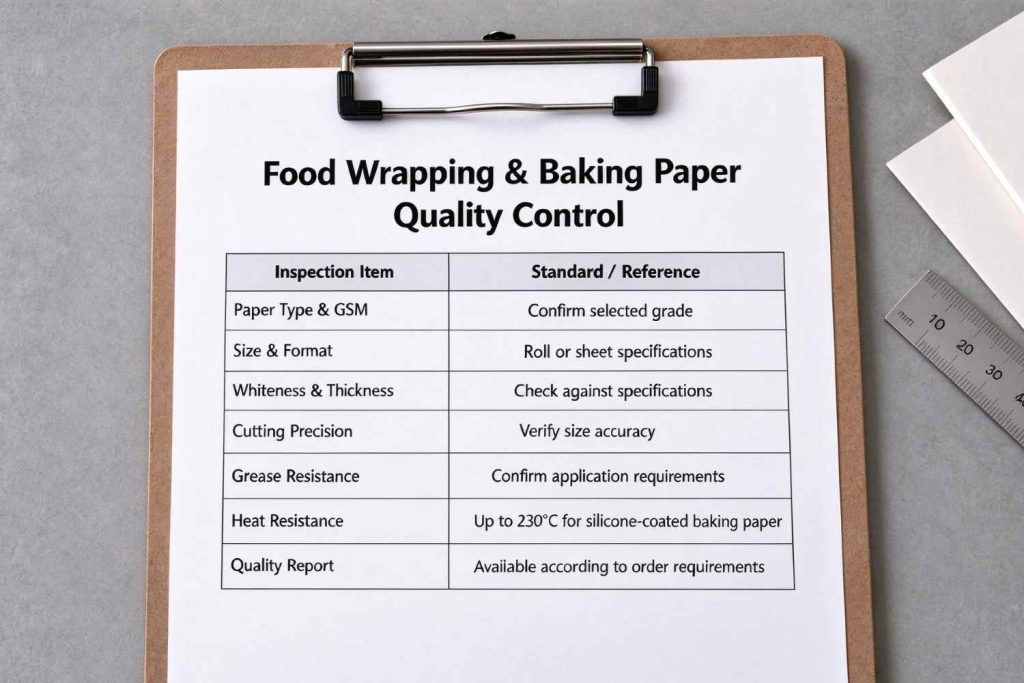
- Quality-control procedures covering whiteness, thickness, GSM and cutting precision
- Batch inspection reports and batch identification for traceability
- Food-contact and PFAS-related documentation confirmed per grade and destination
Tell Us What Your Production Needs
Share the details below so we can review material options, supply specifications and documentation requirements.
Application
Current grade or GSM
Roll or sheet format
Dimensions and machine requirements
Documentation requirements
Order quantity
Paper for Food Wrapping, Baking & Food Preparation
Explore the products you make and identify paper options based on food type, handling conditions, and intended use.

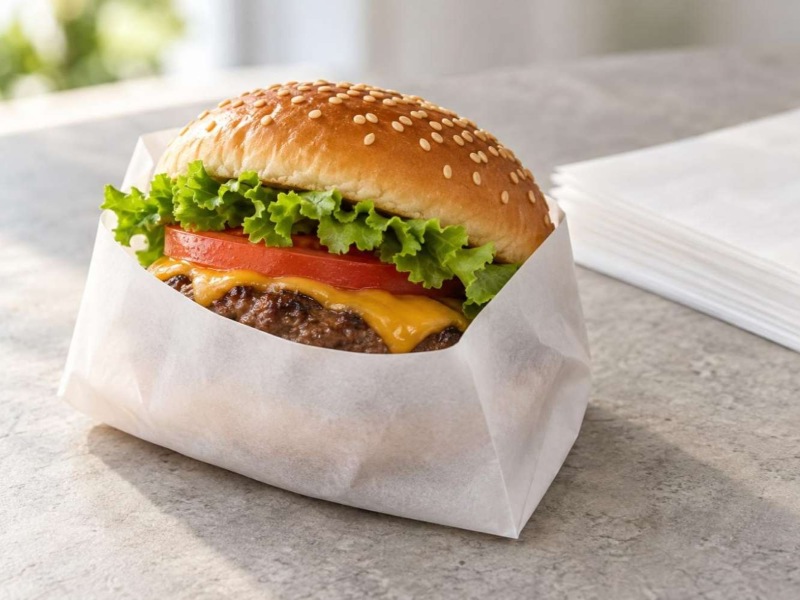
Burger Wrap
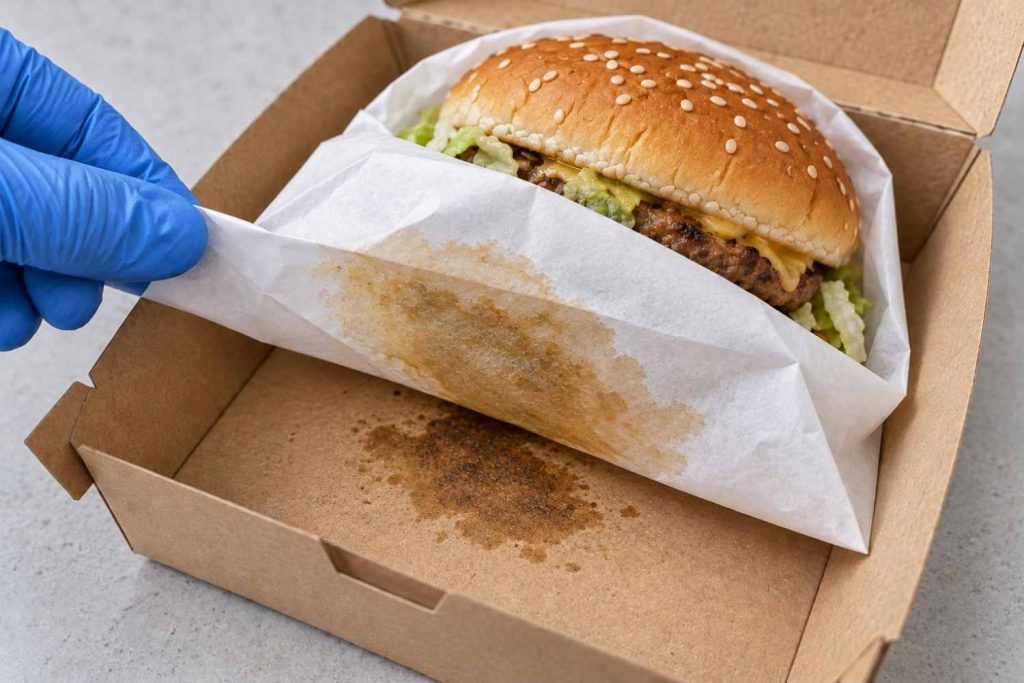
Greaseproof or coated paper options for the food’s grease level, serving temperature and holding time.
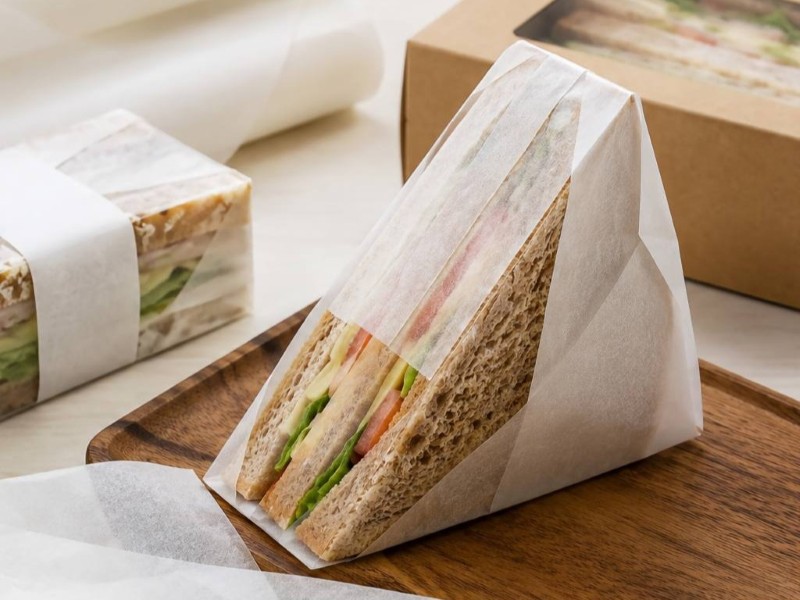
Sandwich Wrap
Paper options for grease resistance, folding and print requirements.
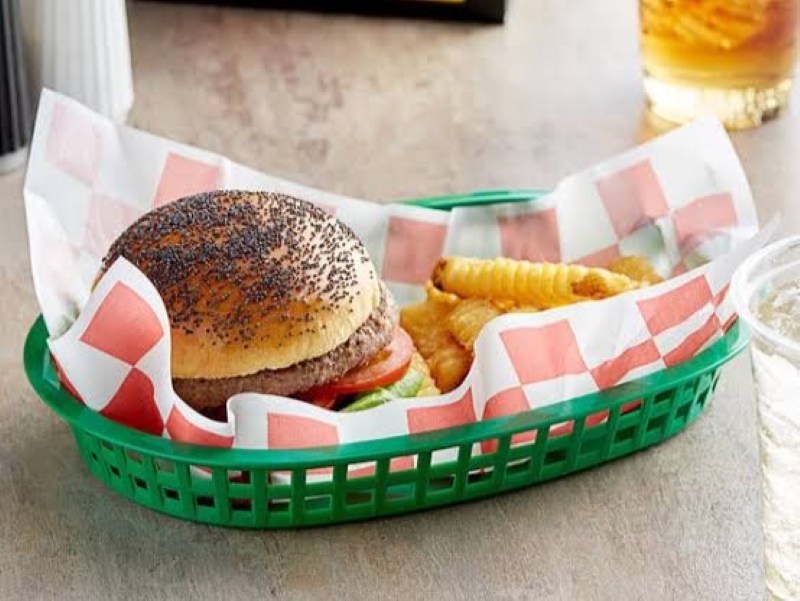
Basket Liner
Grease-resistant paper for fried foods and serving baskets.
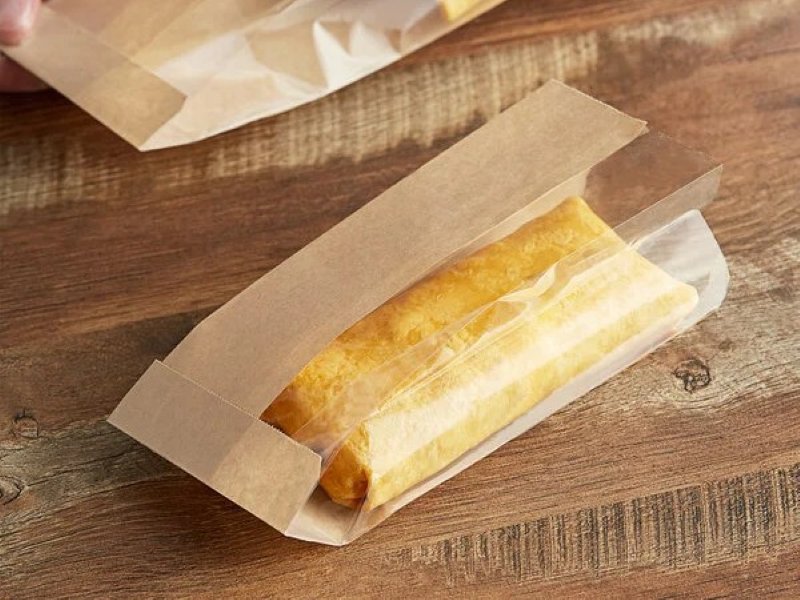
Bakery Bag
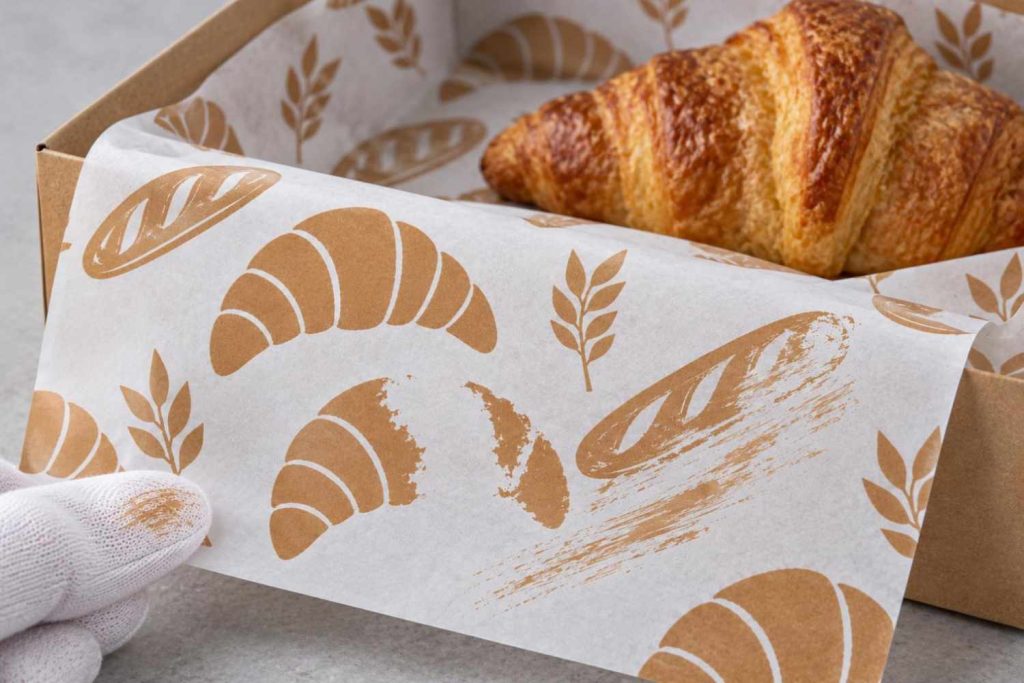
Printable paper options for bag converting and the required grease barrier.
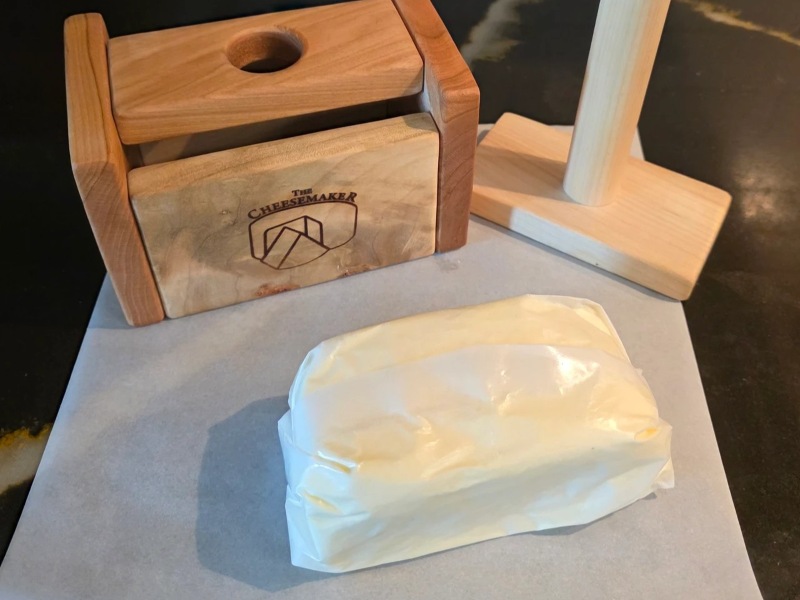
Butter Wrap
Barrier-paper options to review against storage temperature and shelf-life requirements.
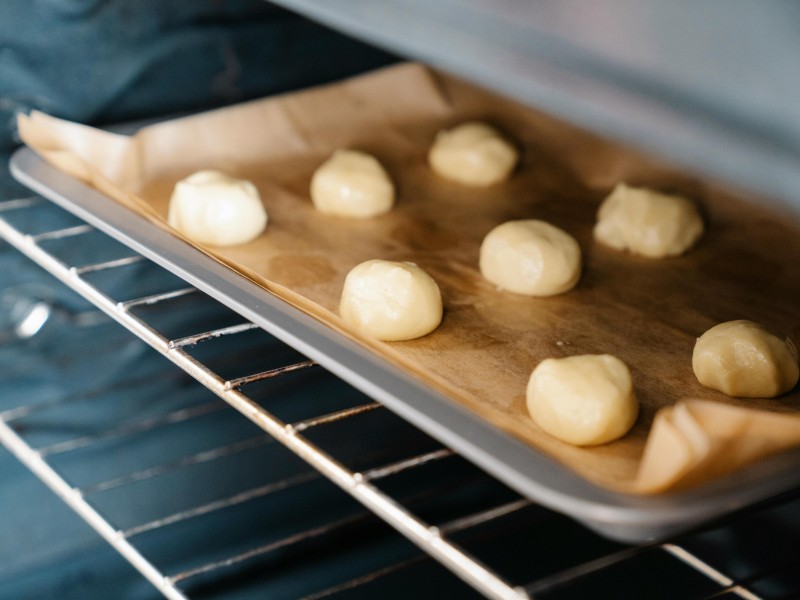
Baking Paper
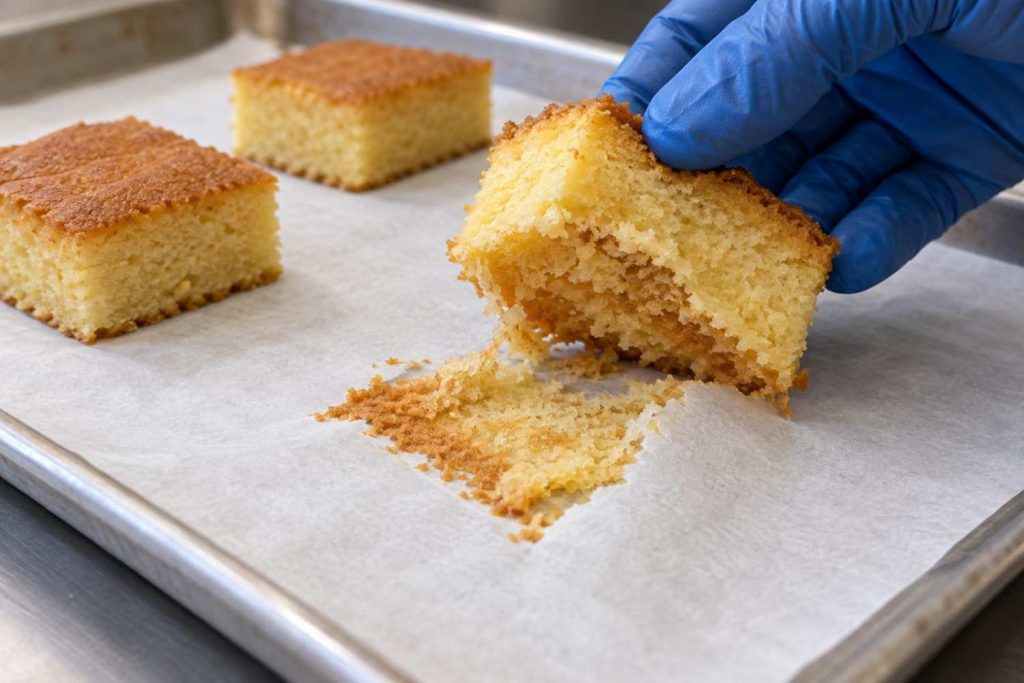
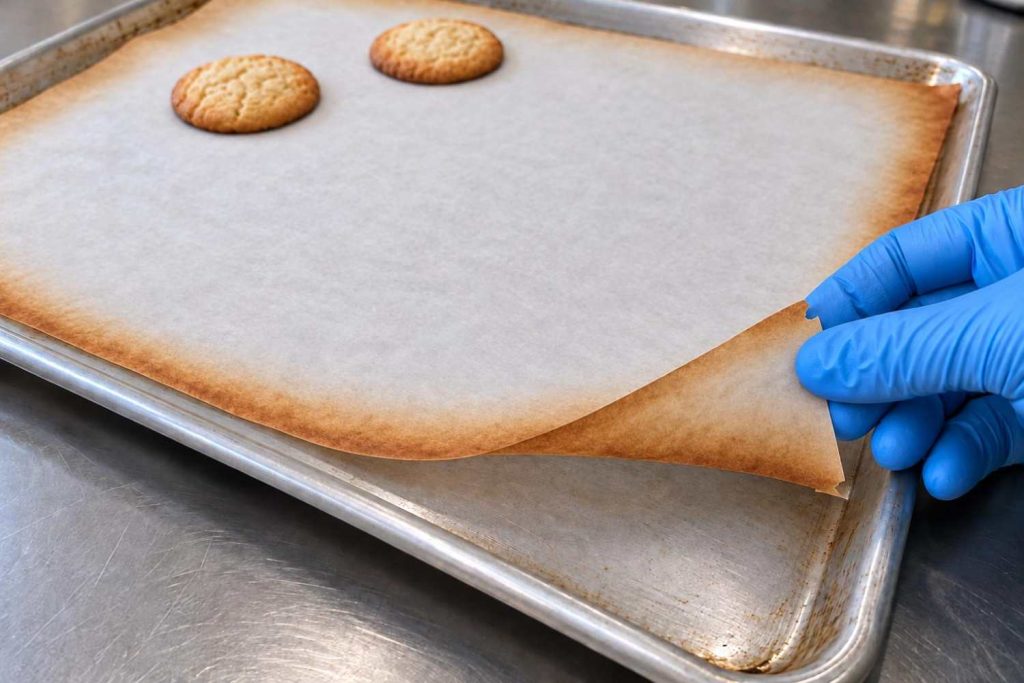
Silicone-coated parchment for the specified baking temperature and duration.
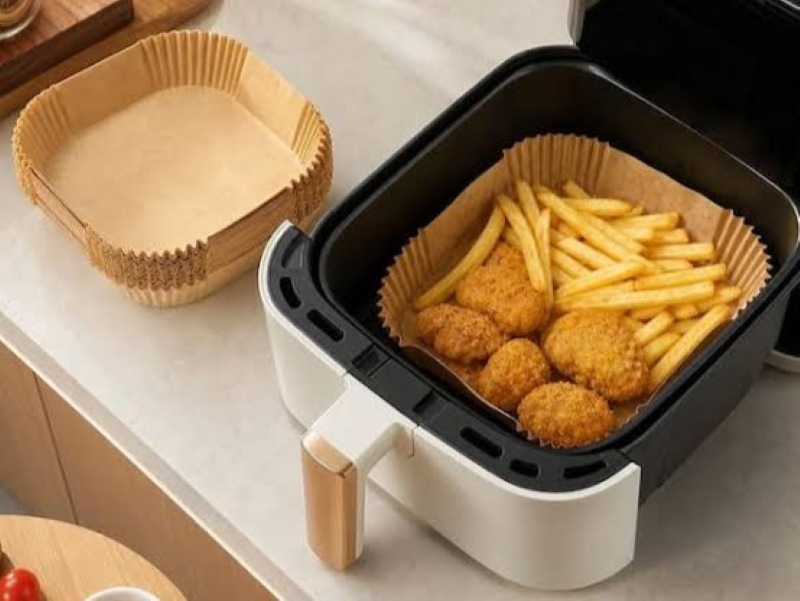
Air Fryer Liner
Baking-grade paper for conversion into the required liner shape and size.
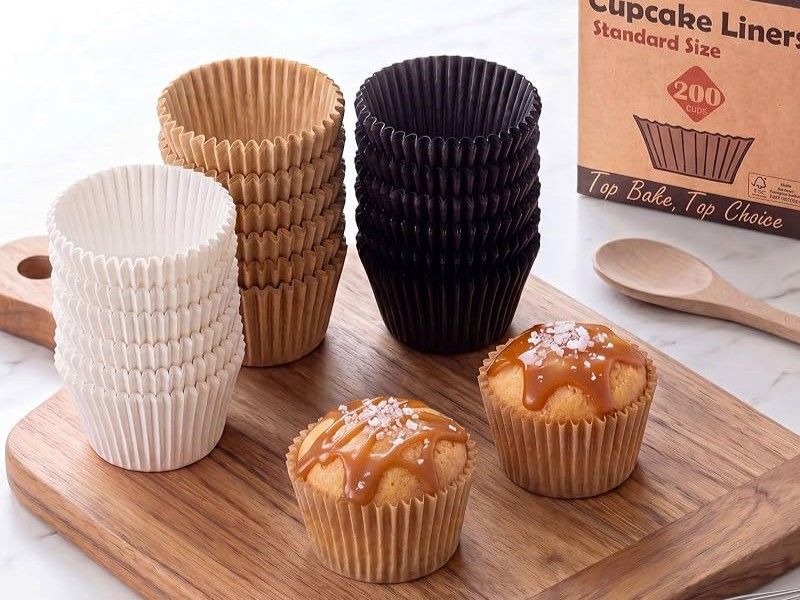
Cupcake Liner
Paper selected for forming, heat resistance and the required release performance.
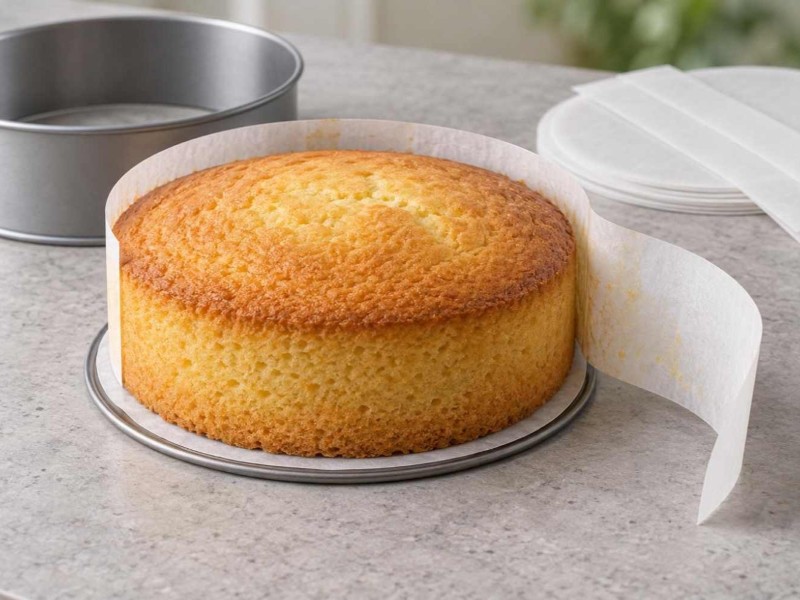
Cake Liner
Baking-grade paper for cake-pan lining and clean release.
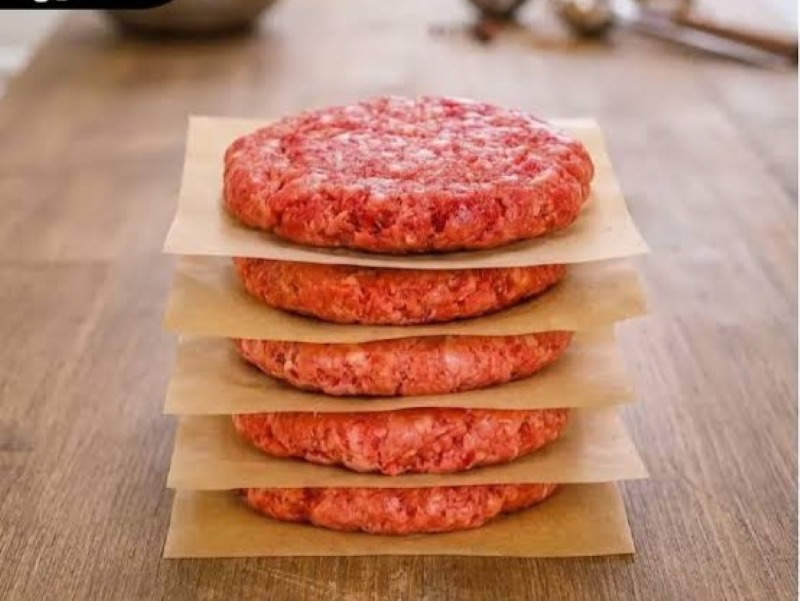
Food Interleaving Paper
Paper selected for separation, grease exposure and chilled or frozen conditions where applicable.
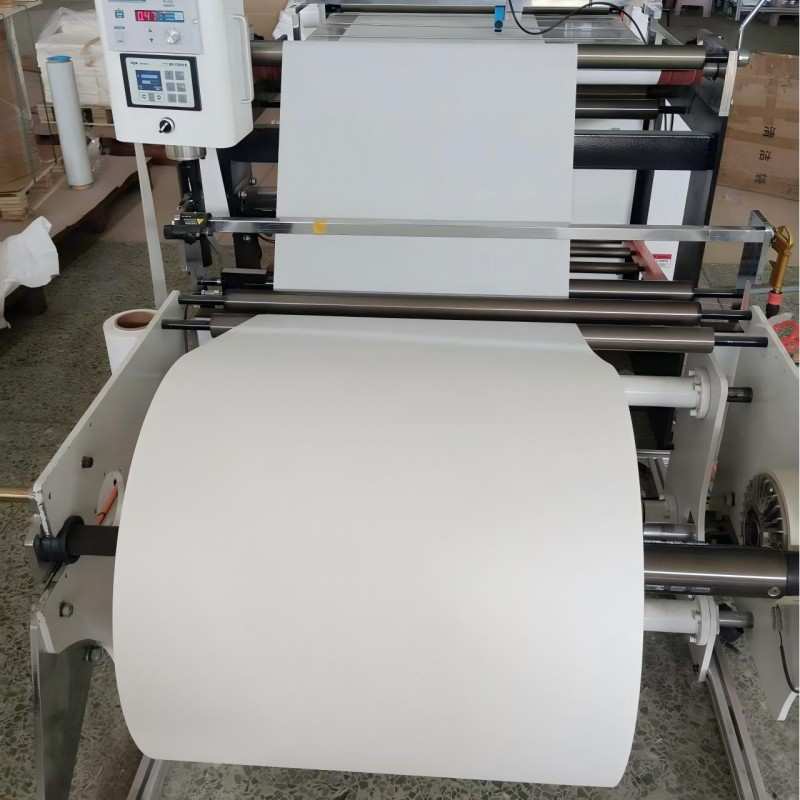
Food Wrapping & Baking Paper Options
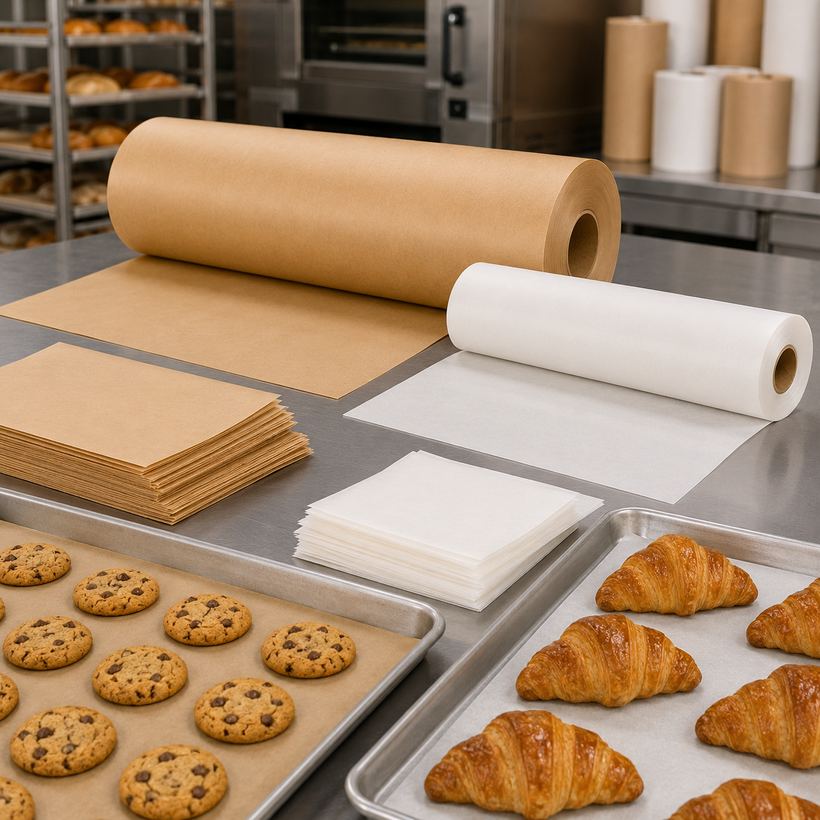
Explore Sure Paper’s greaseproof paper, parchment paper, wax paper, and MG/MF paper options, along with jumbo rolls, slit rolls, and sheets. Compare their intended applications and key specifications to narrow down the right grade and format for your requirements.

Greaseproof Paper
Sure Paper's greaseproof paper is made from 100% virgin wood pulp and uses a dense paper structure to resist oil and grease without plastic coating. It is supplied for food wrapping and fast-food applications, with customizable basis weights from 30–50 GSM and flexible roll widths and sheet dimensions.
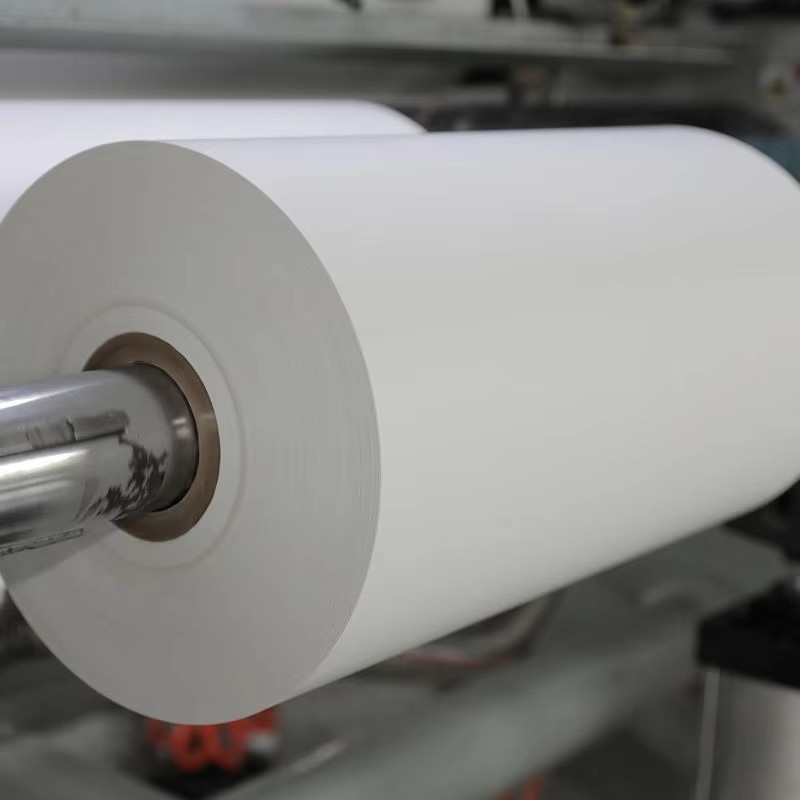
Parchment Paper
Parchment paper is designed for heat-resistant and non-stick applications such as baking, cooking, and food preparation. Sure Paper supplies silicone-coated parchment paper in roll and sheet formats, with paper weight customized from 30–100 GSM for different application requirements.
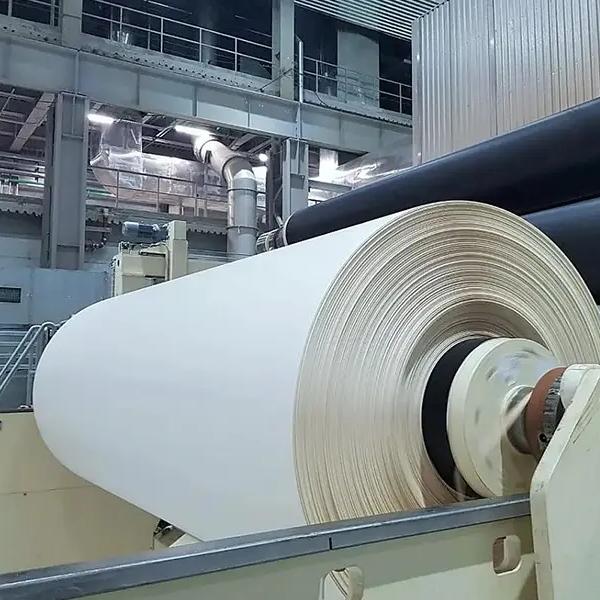
Wax Paper
Wax paper uses a wax coating to create a smooth surface and reduce moisture penetration. It is commonly used for food wrapping, snacks, and short-term food storage, supplied in 30–60 GSM weight ranges with the grade matched to the intended temperature conditions.
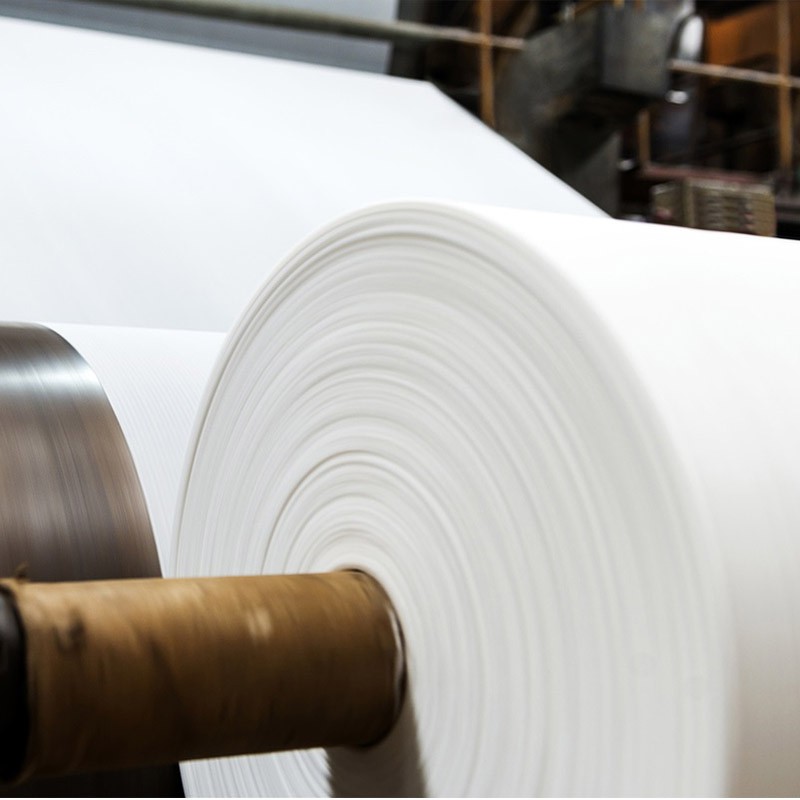
MG / MF Paper
MG and MF papers provide smooth surfaces and good strength for packaging and printing applications. MG generally offers greater smoothness on one side, while MF provides a practical smooth surface. Available in white or natural brown, with paper weights ranging from 30–70 GSM.
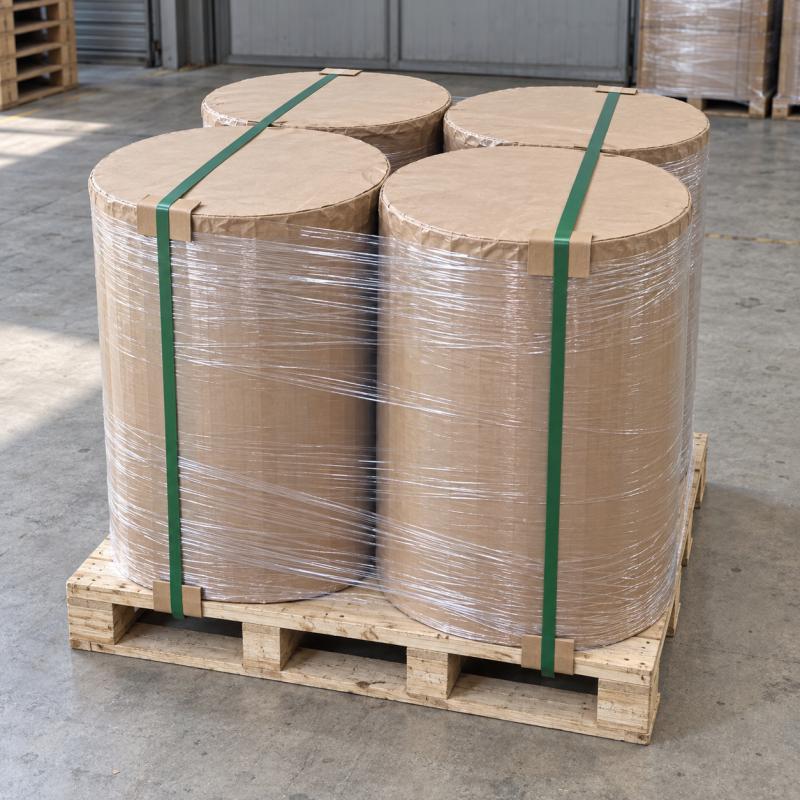
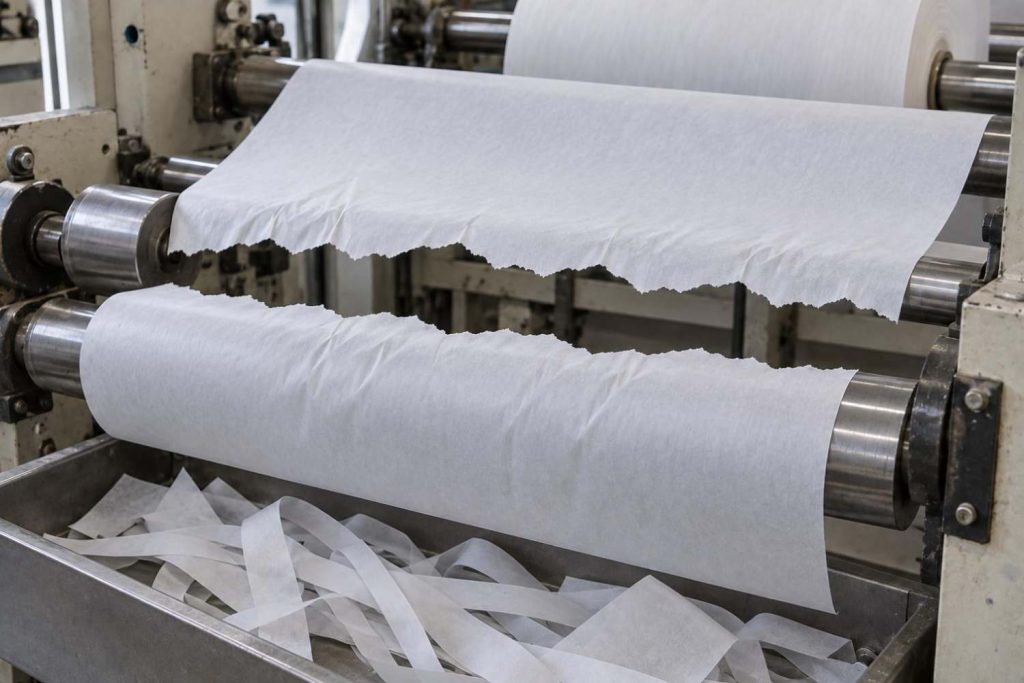
Jumbo / Slit Roll
Converters can select supply formats according to their production process, including jumbo rolls and slit rolls. Sure Paper supports customized widths and lengths for different converting requirements.
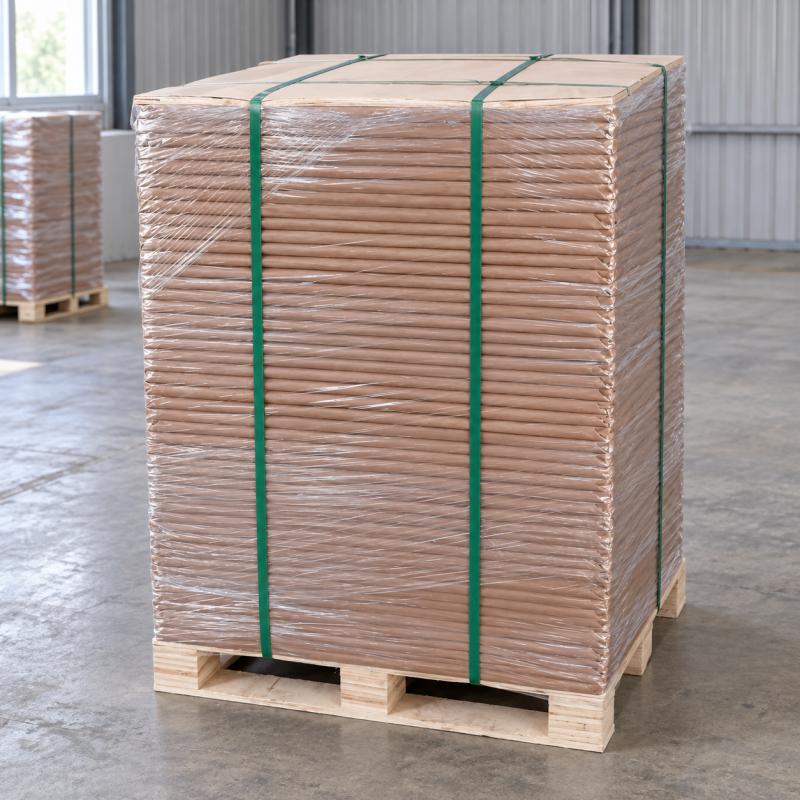
Sheet
Sheets can be supplied according to your finished format and packing requirements. Sure Paper supports customized sheet sizes for converting and food-service applications.
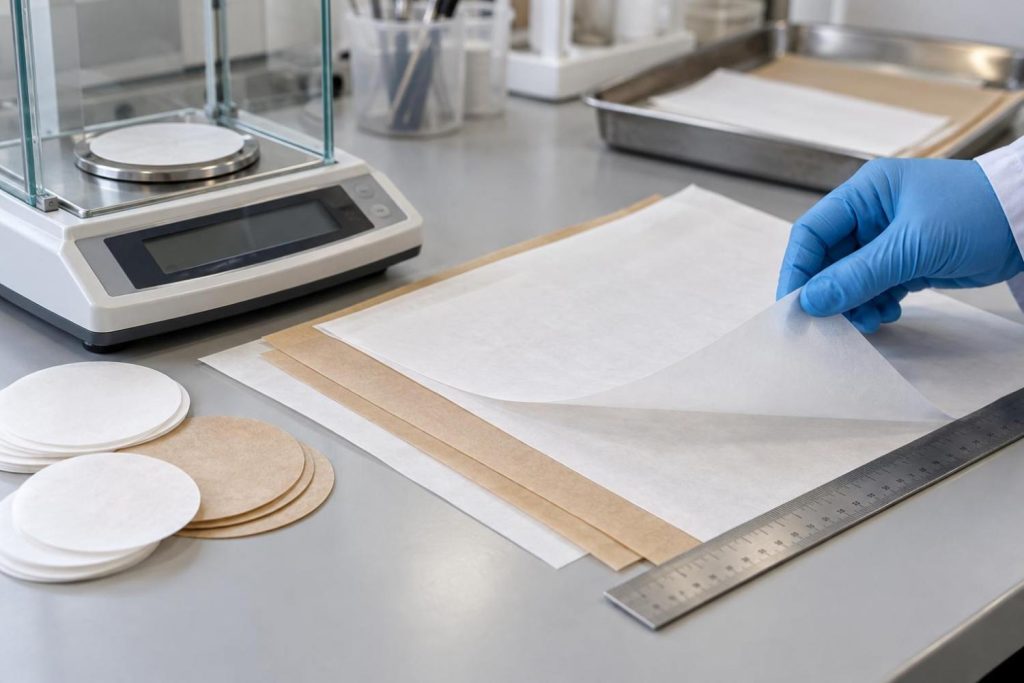
Material Decision Table
| Your product / need | Recommended grade | Why this grade | GSM range | Available format |
|---|---|---|---|---|
| Burger wrap · sandwich wrap · basket liner · bakery bag | Greaseproof paper | 100% virgin wood pulp with A dense paper structure that resists oil and grease without plastic coating. | 30–50 GSM | Roll · sheet |
| PFAS-Free compliance required | PFAS-Free greaseproof paper | Grade and supporting documentation confirmed against your destination market and intended food-contact conditions. | 30–50 GSM | Roll · sheet |
| Baking paper · oven use · roasting · steaming | Silicone-coated parchment paper | Non-stick release for baking; confirm the selected grade’s temperature and time limits. | 30–100 GSM | Roll · sheet |
| Air fryer liner · heated food prep | Silicone-coated parchment paper | Baking-grade paper for conversion into liners; confirm heating conditions and finished dimensions. | 30–100 GSM | Roll · sheet |
| Cupcake liner · cake liner | Parchment / baking paper | Heat resistance and clean release matched to the baking process and finished liner format. | 30–100 GSM | Sheet |
| Butter wrap · fatty / high-moisture food | Wax paper | Smooth wax coating reduces moisture penetration for short-term food wrapping and storage. | 30–60 GSM | Roll · sheet |
| Food interleaving paper | Greaseproof paper · MG / MF paper | Separates food items and prevents direct contact; grade depends on food type, grease level, and finished format. | 25–70 GSM | Roll · sheet |
| Branded wrap · printed food packaging | MG / MF paper | Smooth printable surface for flexographic and offset printing, with good packaging strength. | 25–70 GSM | Roll · sheet |
| Added moisture barrier · heat-sealable structure | PE coated MG / MF paper | Smooth paper surface combined with PE coating (8–20 GSM) for moisture barrier and heat-sealable performance. | 25–70 GSM + PE coating | Roll · sheet |
Two materials can fit the same product. Confirm grade, GSM, format, and destination market with our team before final selection.
Same GSM, Different Wrapping Performance
The same GSM does not guarantee the same wrapping or baking performance. Paper type, grease resistance, coating, and heat resistance all influence material suitability. Compare the full paper specification with your intended food application instead of selecting paper by GSM alone.
| Parameter | What it actually tells you |
|---|---|
| GSM | Paper weight per square metre. It does not determine grease resistance, heat resistance, or release performance on its own. |
| Paper structure | Fiber structure and paper type affect how the paper performs in different wrapping and food preparation applications. |
| Grease resistance | Important for burger wraps, sandwich wraps, fried food liners, and other applications involving oily foods. |
| Coating & treatment | Different treatments serve different purposes. Silicone-coated parchment supports non-stick baking applications, while wax paper is used for selected wrapping needs. |
| Heat resistance | For baking and heated food preparation, confirm that the paper is suitable for the intended temperature and duration. |
| Surface & converting format | Surface properties, roll width, sheet size, and format should match printing and converting requirements. |
Download the Product Catalog (PDF) for the full Sure Paper product range, or the Product Summary (PDF) for a grade overview and specification summary.
Same GSM, Different Food Application — Send Us Yours
If you already have a target GSM or an existing paper specification, send us the grade, application, size, format, and production requirements. Sure Paper can review the information and recommend a suitable material direction instead of asking you to select from a generic product list.
Current Paper Grade
GSM & Paper Type
End-Use Application
Roll or Sheet Format
Size & Converting Requirements
Target Quantity
Quality Control & Shipment Protection
Consistent paper specifications and proper shipment protection help support reliable sourcing. Sure Paper checks key paper properties, maintains batch identification, provides inspection reports, and arranges protective packing according to the supplied format.
Specification Checks & Performance Data
We check GSM, dimensions, thickness and cutting accuracy as applicable to the supplied format. For grease resistance, release and heat performance, we confirm which grade-specific data or test documents are available. Application and machine trials help verify suitability before bulk orders.
Batch Identification & Traceability
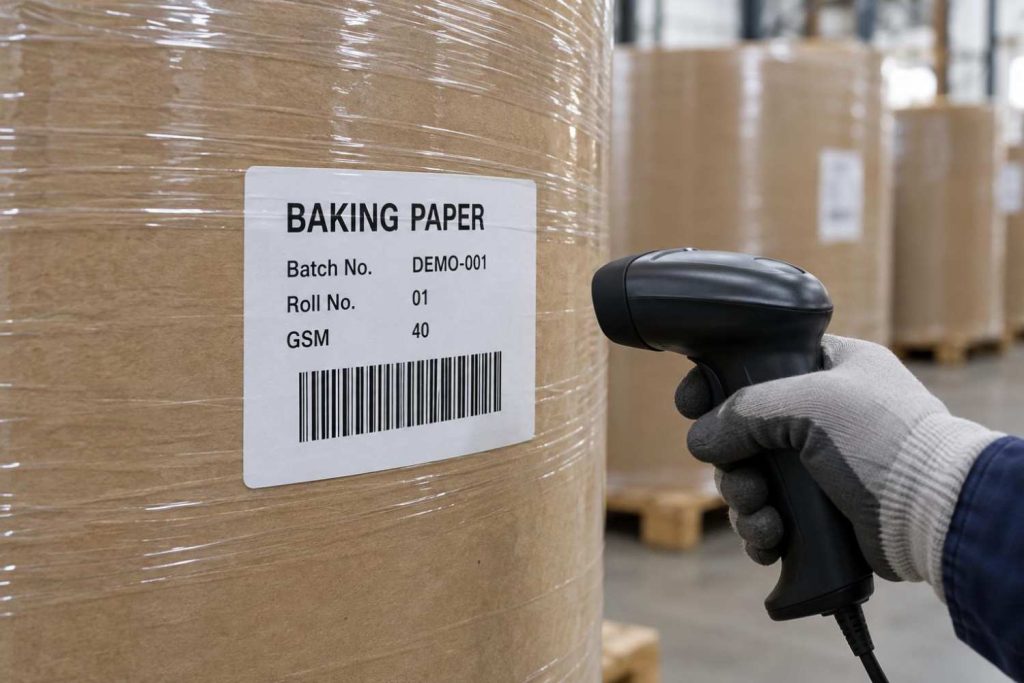
Batch references on labels and shipment records support traceability. Keep the roll or pallet label when reporting a quality issue.
Inspection Reports
Batch inspection reports document the checks performed on the supplied paper. Ask us which inspection items and grade-specific supporting documents are available for your order.
Protective Packing & Loading
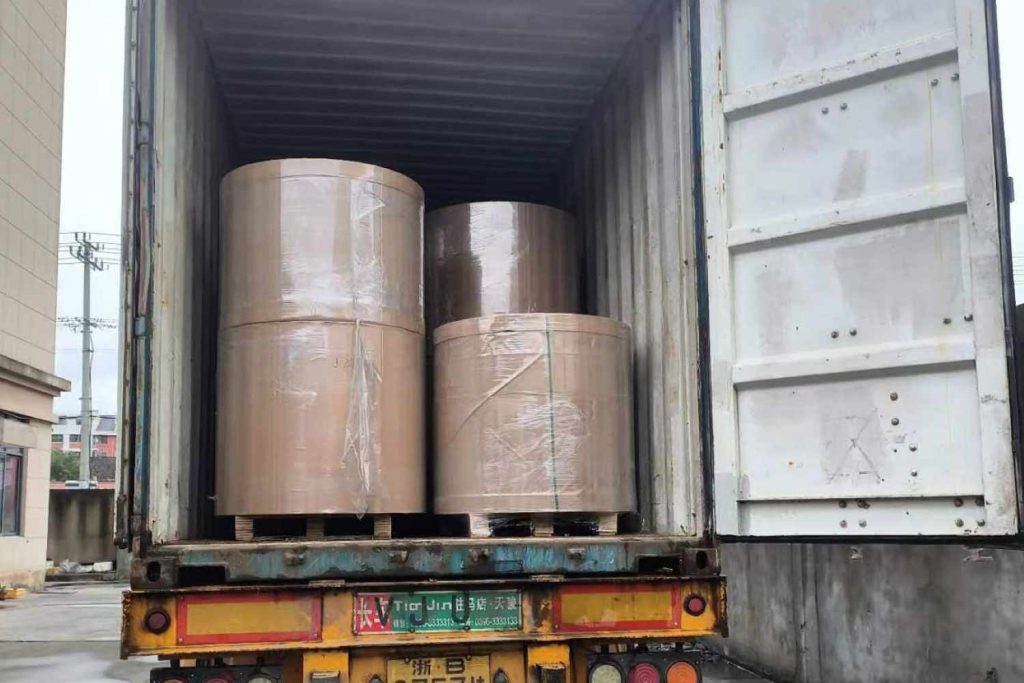
Shipment protection includes packaging consultation, ream packing, palletizing, moisture protection, and shrink wrapping — matched to the supplied format, from jumbo rolls to finished sheets. Sure Paper also coordinates international logistics according to customer requirements.
Qualification workflow
How to Order
Share your application, target GSM, dimensions, and required format to start the sourcing process. Sure Paper can review your requirements, provide a quotation, and arrange samples for evaluation before you confirm the order.
Share Your Requirements
Send your application, target material, GSM, size, roll or sheet format, converting process, and any food-contact or compliance requirements you already have.
Review Our Offer & Samples
Our team reviews the requirements and provides a material proposal, quotation, and sample for evaluation. Free samples are available for suitable projects.
Test on Your Equipment
Run the sample on your actual converting or production equipment to confirm machine compatibility and finished-product performance before bulk production.
Confirm Your Order
After the specification, format, sample, and commercial details are confirmed, the order can move forward according to the agreed requirements.
Commercial Terms
MOQ
5 MT per GSM / size; total order normally FCL.
Samples
Free A4 samples; sample rolls may be charged. Dispatch time to be confirmed.
Lead Time
Confirmed according to mill, grade, coating and current production schedule.
Formats
Jumbo / Slit Roll & Sheet according to project.
5 MT MOQ · Free A4 Samples · Start With Six Fields
For a faster recommendation, send us your application, material or GSM, roll/sheet format, size, machine requirements, food-contact requirements, and target quantity.
Finished Product
Current GSM Or Grade
Paper Type
Roll Or Sheet Format
Monthly Volume
Target Delivery Date
Go deeper
Related Technical Guides
Explore our technical guides to compare paper types, understand key performance differences, and make more informed sourcing decisions for food wrapping and baking applications.
Selection
Greaseproof Paper vs Wax Paper for Food Packaging
Compare the different barrier structures and application considerations of greaseproof and wax paper.
Troubleshooting
What Is the Difference Between Greaseproof Paper and Parchment Paper?
Understand how grease resistance, heat resistance, and non-stick requirements affect the selection between the two paper types.
Material Types
How to Choose the Right Greaseproof Paper GSM for Food Packaging
Use application requirements rather than GSM alone when evaluating greaseproof paper for food packaging.
Barrier
What Type of Parchment Paper Is Best for Baking?
Review the different performance considerations when selecting parchment paper for baking and heated food preparation.
Paper Selection
What's the Best Paper for Wrapping Burgers?
See what paper grade works for burger wrap applications, and how to match grease, heat and handling needs.
Paper Comparison
What's the Difference Between Sandwich Paper and Parchment Paper?
See how sandwich paper and parchment paper compare for wrapping applications, and which grade better fits different sandwich wrap needs.
FAQ
Food Wrapping & Baking Paper Sourcing — the 5 Questions That Matter
Have questions about matching an existing grade, choosing a material, or preparing your order requirements? Find practical answers about paper selection, available formats, documentation, samples, and sourcing information.
Can you match the Food Wrapping & Baking Paper grade we currently use?
Yes. Send your current paper specification, sample, GSM, size, application, and converting requirements for review. This gives our team a practical starting point for evaluating a suitable replacement or supply option.
How should we choose between Greaseproof Paper, Wax Paper and Parchment Paper?
For a sourcing decision, tell us the food type, temperature, and roll or sheet format you need — our team will recommend a grade rather than ask you to compare the whole catalogue. If you prefer to shortlist first, the Material Decision Table above follows the same logic in one view.
Can you supply both Greaseproof Paper and PE Coated MG Paper?
Yes. Sure Paper supplies greaseproof paper for food wrapping and fast-food applications, and PE coated MG/MF paper for food packaging applications requiring a printable and heat-sealable structure. Roll and sheet formats are supported, including customized widths, lengths, and packaging arrangements according to the selected material and production requirements.
What information do you need before recommending Food Wrapping & Baking Paper?
Start with what you make, the food type, target GSM, dimensions, roll or sheet format, machine requirements, and any food-contact or PFAS-related documentation requirements.
What documents can you provide for PFAS-Free and food-grade paper?
Documentation depends on the selected grade, treatment, destination market, and intended food-contact conditions. Share your compliance requirements first so the applicable supporting documents can be confirmed. You can also download the Sure Paper Product Catalog and Product Summary directly, and request the grade-specific Technical Data Sheet with your inquiry.
Request Food Wrapping & Baking Paper Recommendation & Quote
Tell us what you produce, what paper you currently use, and what you need to improve or replace. Share your GSM, size, roll or sheet format, machine requirements, application, target quantity, and documentation requirements.
Sure Paper can review your requirements and help identify a suitable food wrapping or baking paper direction, provide samples for evaluation, and prepare a quotation for your project.
- Current mill / grade is the most valuable field — it is the fastest matching entry point.
- Commercial terms — MOQ 5 MT per GSM / size (normally FCL); free A4 samples, sample rolls may be charged; lead time confirmed per mill, grade, coating and schedule.